
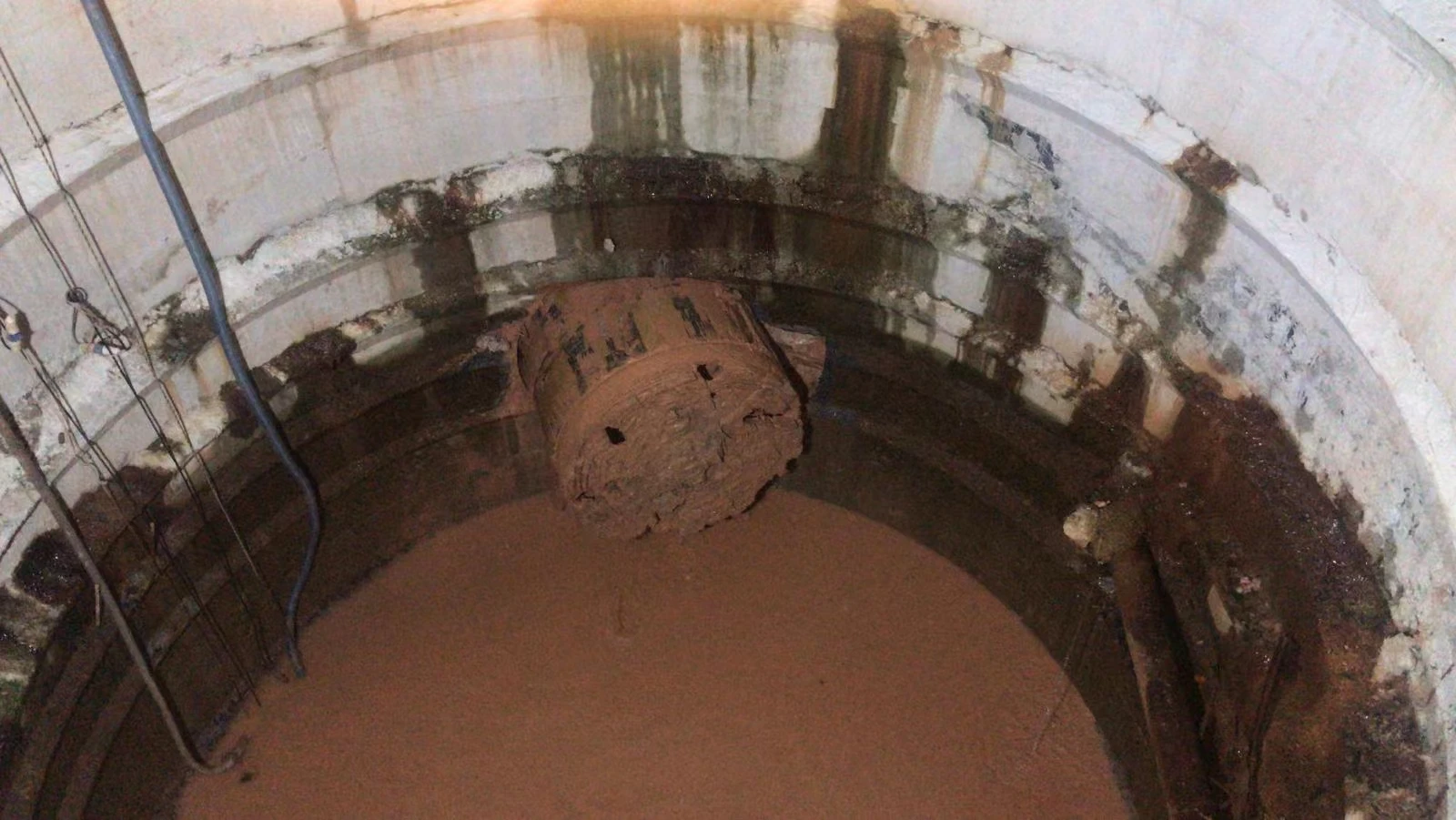
You can create flexible tunnel paths in cities with small radius curves. Small radius helps avoid shafts in urban micro tunneling, allowing you to navigate around obstacles effectively. Microtunneling and pipe jacking differ in their installation methods and the tunnel machine utilized.
|
Feature |
Microtunneling |
Pipe Jacking |
|---|---|---|
|
Installation Method |
Creates a tunnel first, then installs pipes |
Pushes pipes through the ground |
|
Depth of Installation |
Can reach depths of up to 200 feet or more |
Suitable for shallow tunnels, up to 25 feet |
|
Equipment Used |
Advanced tunnel boring machines |
Hydraulic jacks and shields |
CEGC employs advanced tunnel machines such as the TBM tunnel boring machine, auger boring machine, and Microtunnelling Machine for small diameter tunneling. This approach minimizes surface disruption, reduces costs, and delivers superior results in busy urban areas.
Key Takeaways
-
Small radius curves in microtunneling let tunnels bend easily. This means fewer shafts are needed. It also causes less disturbance on the surface.
-
Advanced tunnel machines can make projects faster by up to 40%. This saves time and money. It also makes work safer.
-
Curved microtunnel solutions help go around obstacles. This leads to less harm to the environment. It also causes less traffic problems in cities.
Small radius curves and shaft avoidance in urban microtunneling
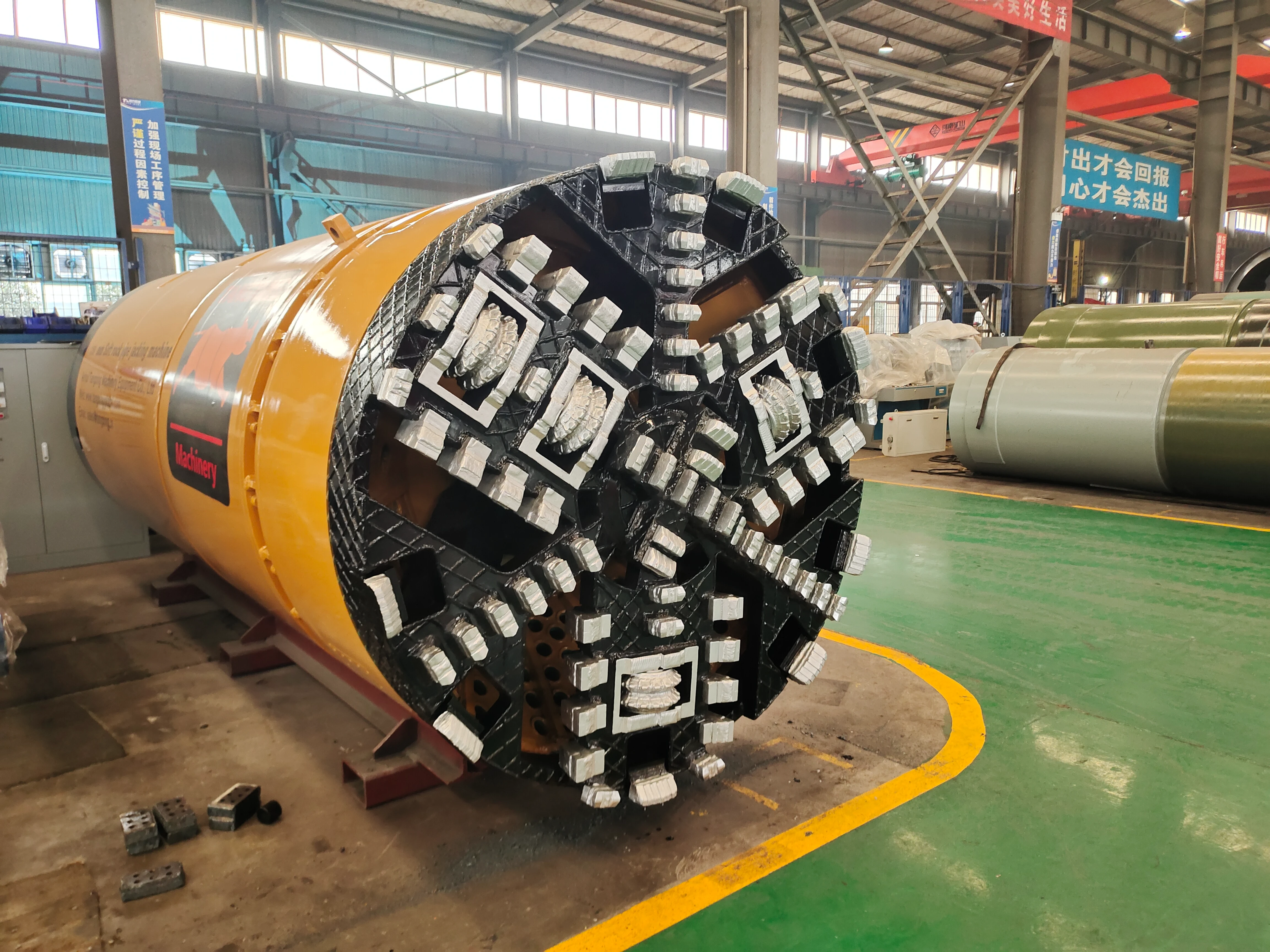
Tunnel machine technology for curved drives
Small radius curves let you make flexible tunnel paths in cities. This means you do not need to build as many shafts. Fewer shafts are important when streets are busy or there are many pipes underground.
Pipe jacking is a way to put pipes in the ground without digging a trench. Microtunneling uses a tunnel machine to dig and guide the pipe. The Microtunnelling Machine lets you make curved tunnels. You can use it to go around things like pipes or building foundations.
Modern tunnel machines have special features for making curves. These features help you make small tunnels with good accuracy. Here is a table with some important parts:
|
Component |
Description |
|---|---|
|
Guidance Systems |
These systems use lasers or gyroscopes to track the tunnel in real time. They help keep the tunnel very accurate. |
|
Cutterhead Designs |
Different cutterheads work for different soils. Some are for hard rock, and some are for loose dirt. |
|
Hydraulic System |
This system uses strong hydraulics to power the machine. It helps make small changes and keeps the machine working well. |
You can use different tunnel machines for curved tunnels:
-
Microtunneling machines, like earth pressure balance machines and slurry shields, can make tunnels that curve sideways or up and down.
-
The rectangular tunnel boring machine (RTBM) uses a special transmission to work in many types of soil. This helps keep the tunnel on the right path in small curves.
-
The RTBM is good for city projects where you want less ground shaking and need the tunnel to stay straight.
Small radius curves let you make longer tunnels without stopping for more shafts. This means less mess on the surface and faster work. For example, some tunnels are curved because you cannot build shafts above them.
Pipe jacking and Microtunnelling Machine integration
You can use pipe jacking and a Microtunnelling Machine together for better results. CEGC has systems where the tunnel machine, jacking frame, and guidance system all work as one. This makes the job easier and more dependable.
New engineering ideas help you build longer and straighter tunnels:
-
Better communication systems give you live data. You can change the tunnel machine if there is a problem.
-
Automatic lubrication systems make it easier to push pipes. This is helpful for long tunnels.
-
Improved guidance systems help keep the tunnel going the right way, even in small tunnels.
You also get better safety and less harm to the environment. Tunnel machines work underground, so the surface stays quiet and safe. Laser guidance and live checks keep the tunnel safe and on target. You can lower noise, shaking, and pollution, which is good for cities.
Rules also say you should use trenchless methods. Many cities want you to use ways that do not bother people or damage the area. Safety rules help you pick the best design, especially in cities.
Tip: When you plan a curved microtunnel, think about how to take care of it later. Tunnels with small curves might need more checks to stop leaks and keep them strong.
CEGC’s engineers can help you pick the right tunnel machine and design. They help you from start to finish, so your project meets all the rules.
Benefits and applications of curved microtunnel solutions
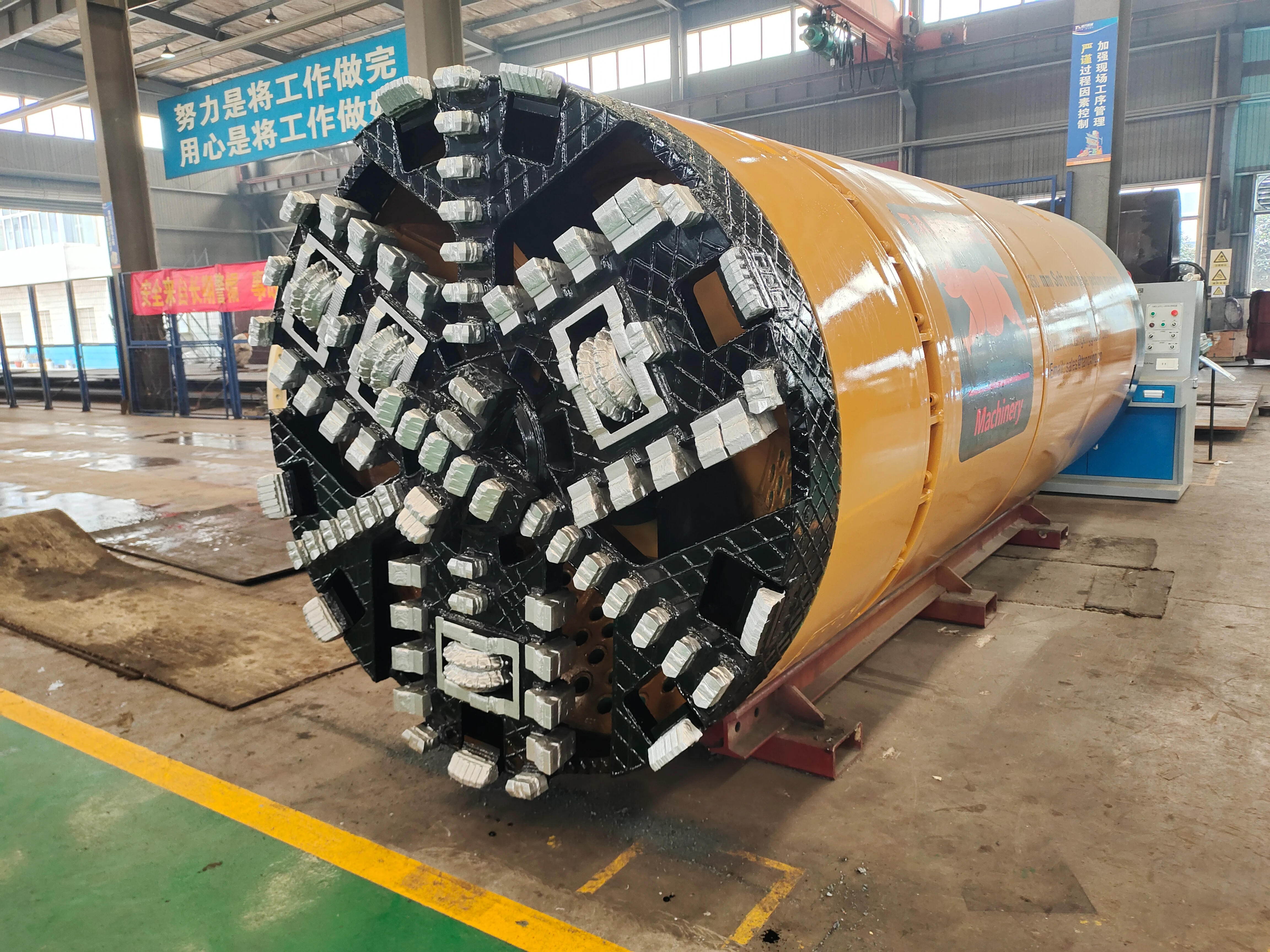
Fewer shafts and reduced disruption
Curved microtunnel paths help make longer tunnels in cities. They let you go around things like pipes, building foundations, or busy roads. You do not need as many shafts, and the shafts can be less deep. Small radius helps avoid shafts in urban micro tunneling, so you do not have to dig up streets as much. This means less traffic is stopped. You also help the environment because you do not remove as much dirt or hurt green areas.
|
Alignment Type |
Typical Drive Lengths |
|---|---|
|
Straight Alignments |
120ft to 1,190ft |
|
Curved Alignments |
Curved microtunnel solutions let you move around obstacles. This keeps your project going and means you need fewer shafts.
Cost and schedule advantages
You spend less money and finish sooner with small diameter tunneling and curved paths. Microtunneling with a tunnel machine can make the job up to 40% faster than digging open trenches or using drill-and-blast. You also save money fixing roads and sidewalks because you do not dig as much. Some projects with curved microtunnel designs finished months early and saved over a million dollars.
|
Outcome |
Details |
|---|---|
|
Cost Savings |
|
|
Schedule Reduction |
30 days saved |
|
Overall Schedule Completion |
85 days ahead of deadline |
Urban project examples
CEGC has helped cities build tunnels with fewer shafts and less mess. In one job, only five shafts were needed for a tunnel that was 5.4 kilometers long. The plan made it easy to add new connections later, which was smart. Another project finished three months early and saved more than a million dollars. These stories show how small radius helps avoid shafts in urban micro tunneling and why small diameter tunneling is a good idea for cities.
You can fix city tunneling problems with small radius curves. Curved microtunnel solutions help you go around things underground. CEGC uses advanced tunnel machines for these jobs. These machines make work fast, safe, and save money. Here is how these systems help your project:
|
Benefit |
How It Helps You |
|---|---|
|
Faster Completion |
MTBMs can dig 30 to 50 meters each day |
|
Lower Costs |
There is less mess and fewer repairs |
|
Safer Operations |
Machines do more work, so people do less |
You can talk to CEGC for special microtunneling and pipe-jacking plans.
FAQ
Is microtunneling always part of a pipe-jacking project?
Microtunneling can be used in pipe-jacking projects. Not all pipe-jacking jobs need a Microtunnelling Machine. Some projects use auger boring machines for short and straight tunnels.
Can you use a third-party jacking frame with a CEGC Microtunnelling Machine?
-
You can use a CEGC Microtunnelling Machine with a third-party jacking frame. CEGC engineers help make sure the systems work together safely.
Which method works best for a 200-meter gravity sewer installation?
For a 200-meter gravity sewer, you should use a Microtunnelling Machine. It is more accurate and helps you avoid shafts in cities.


