
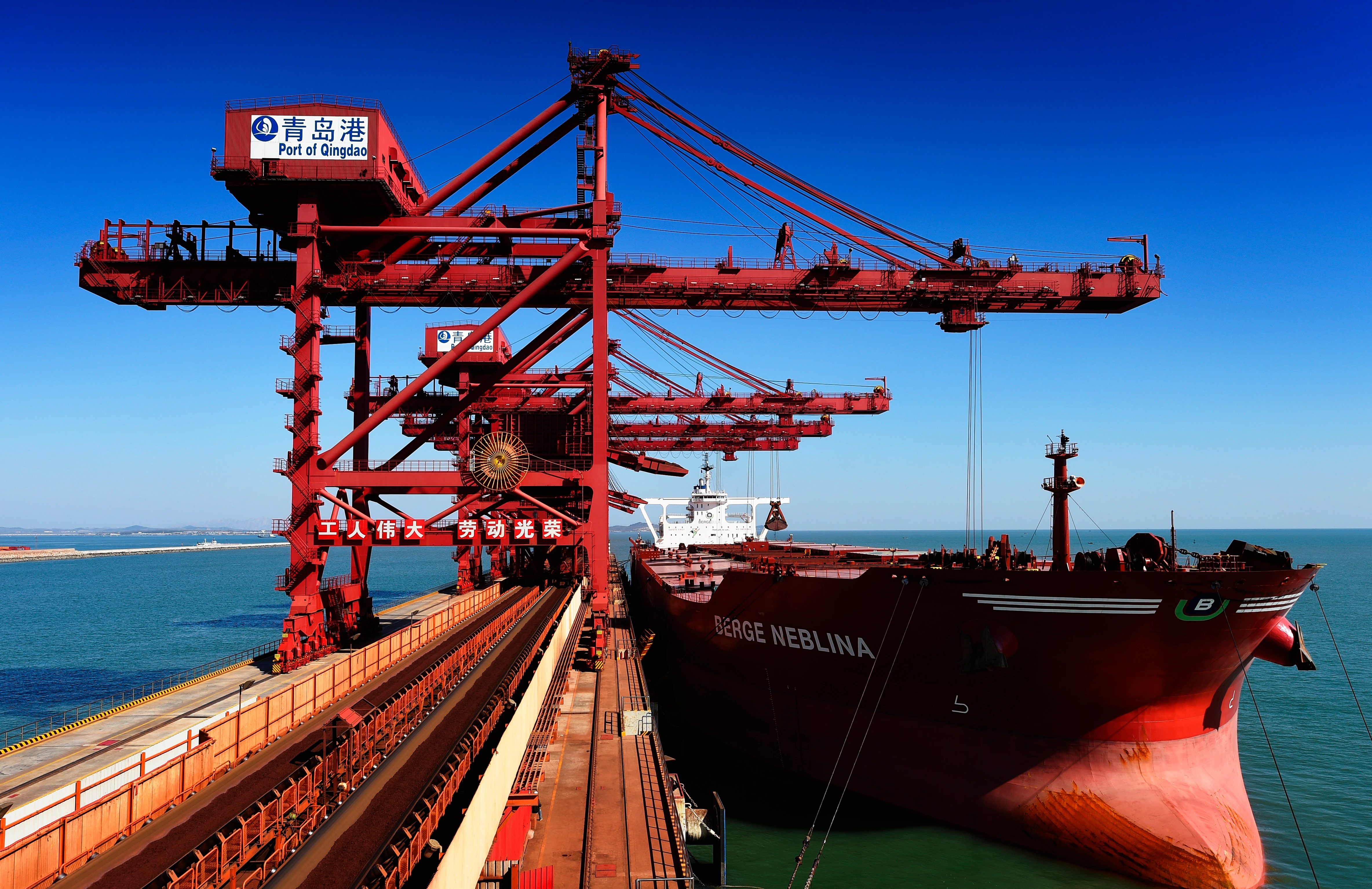
Automation in cargo crane: automate the boring tasks, ensuring both efficiency and worker safety. With CEGC’s advanced solutions, repetitive and hazardous manual handling is minimized, reducing risks such as load sway, collisions, and operator errors. CEGC delivers port machinery with market-standard specifications, addressing the common challenges of manual operations:
|
Description |
|
|---|---|
|
Improper Design |
Parts may wear out or fail prematurely without proper engineering. |
|
Environmental Factors |
Rust and corrosion can compromise cargo crane: automate the boring equipment. |
|
Lack of Regular Inspections |
Major failures or equipment breakdowns can occur unexpectedly. |
|
Inadequate Training |
Insufficient training can lead to injuries or decreased productivity. |
|
Increased Costs |
Downtime for repairs leads to higher operational expenses. |
By choosing CEGC, you benefit from reliable cargo crane: automate the boring technology that streamlines port operations and enhances safety.
Key Takeaways
-
Using automation in cargo crane work lowers the risk of people getting hurt. This makes workers safer and helps stop accidents from happening.
-
New tools like anti-sway systems and remote controls make cranes work better. These tools let operators do their jobs from far away, so they stay safe.
-
Predictive maintenance uses AI and IoT to find problems early. This means cranes break down less and people can use them more safely.
Crane Operations: Safety Risks and Challenges
Manual Handling Hazards
There are many dangers when people move loads by hand during crane operations. Loads can fall or slip if they are not held tightly. Cranes can crash if workers cannot see well or do not talk to each other. Cranes near power lines can cause electrical shocks. If cranes are not checked often, they can break down. Mistakes happen more when workers do not get enough training. Bad lighting and blind spots make accidents happen more often. These dangers show why it is important to use safety rules in cargo crane, portal crane, and container crane work.
Load Sway and Collision Exposure
Load sway is a big problem for crane operators. Wind, drafts, and bumpy ground make loads swing back and forth. Quick stops or starts push the load and make it sway more. New operators can make things worse if they do not use the controls the same way each time. Swinging loads can hit people or machines and cause injuries or damage. The swinging can also make cranes tip over. Sway makes it hard to put loads in the right place, so work slows down. You need special systems to stop crashes and control sway to keep people and machines safe.
Operator Variability and Human Error
Crane work changes a lot because of different operators. How a person feels, the tools they use, and the steps they follow all change how likely mistakes are. The table below shows how these things affect mistakes:
|
Factor |
Impact on Human Error Probability |
|---|---|
|
Personal State |
Significant reduction possible |
|
Technical Environment |
Significant reduction possible |
|
Operating Procedures |
Direct influence noted |
How a person feels and what steps they follow matter a lot. When workers do things differently, safety can change from shift to shift. CEGC’s safety rules help lower these dangers. Automation helps cranes work the same way every time, making things safer for everyone at the port.
Automation and Crane Safety Solutions
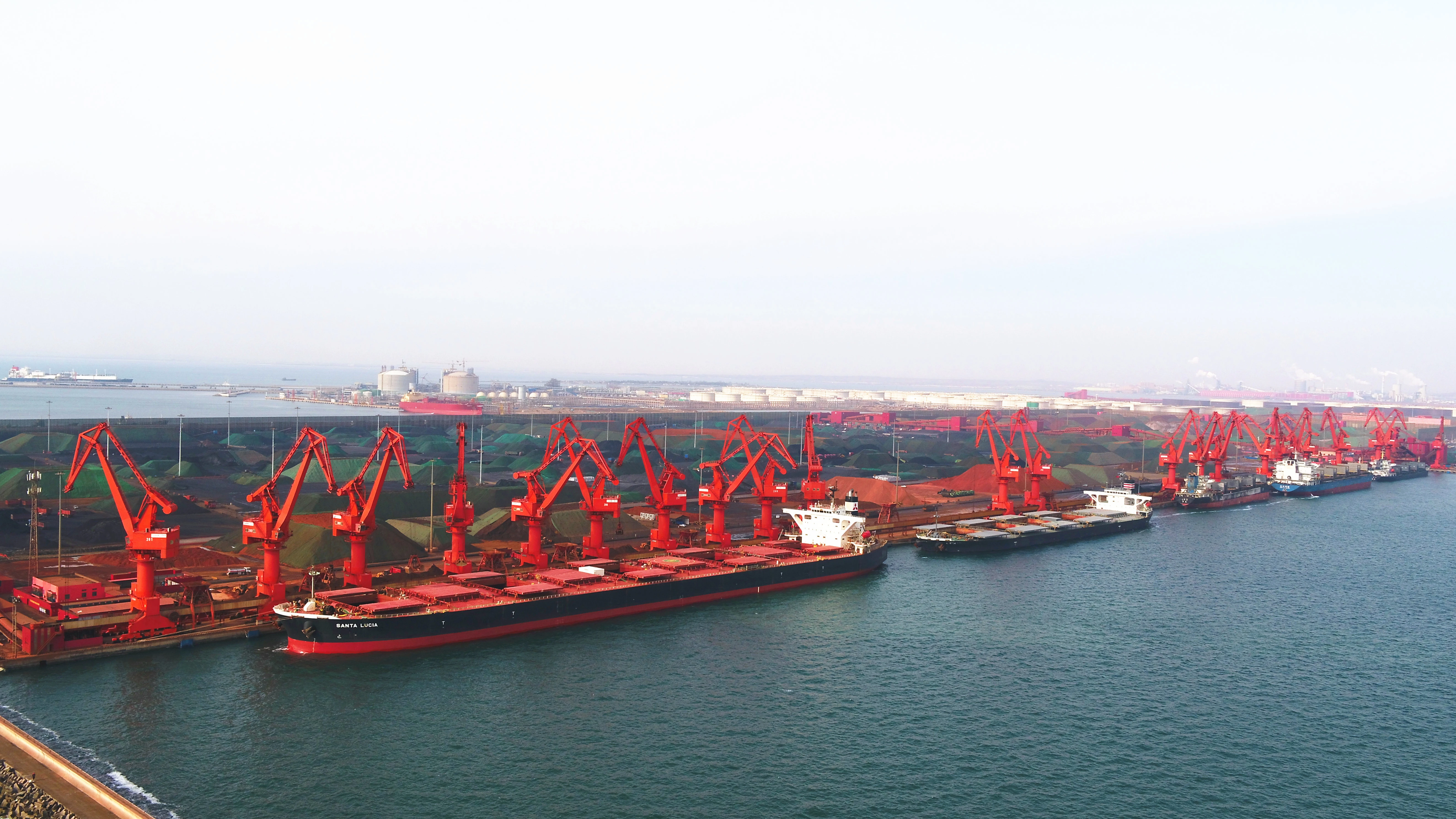
Anti-Sway and Collision Prevention
When you use automation with cranes, there are fewer accidents. Anti-sway systems help stop loads from swinging too much. Electronic sway control makes crane moves smoother and safer. Automated cranes have sensors that watch for load sway. These sensors help the crane move more carefully. This keeps people and machines safe from swinging loads. Light curtains and AI systems check if people are in work zones. If someone steps into a danger area, the crane stops moving. This new way of keeping safe protects workers and equipment.
-
New sway control technology is electronic and patented. It makes cranes safer.
-
Sway control is important to stop accidents with heavy loads. It lowers the chance of swinging injuries.
-
Automated cranes use light curtains and AI cameras. These tools spot people and stop the crane to avoid crashes.
CEGC’s anti-sway systems make loads swing less. You can put loads in the right place more easily. Safety interlocks like overload protection and emergency stop buttons lower mistakes. The operator HMI shows clear alarms and updates. You can act fast when there is danger. This makes crane work safer and more steady.
Remote Control and Operator Removal
Remote control changes how you use cranes. You do not have to stand close to dangerous loads or chemicals. Automation lets you run cranes from far away. You can stay safe and keep away from risky spots. You see better because you can pick the best place to watch. This helps you make fewer mistakes and keeps cranes safer.
|
Benefit |
Description |
|---|---|
|
Hazardous Environments |
Remote control lets you move loads without being near dangers like chemicals or falling things. |
|
Enhanced Safety |
Working from far away helps you stay safe around dangerous loads. This lowers risks for workers. |
|
Improved Visibility |
You can stand where you see best, which helps in tight spaces. |
CEGC’s automation helps you use remote control for cranes. You use sensors and cameras to watch crane moves. This helps you stop accidents and save time. Automation lets you work faster and safer. It makes safety better at every port.
AI, IoT, and Predictive Maintenance
AI and IoT make crane automation smarter. You can check load weight and weather right away. Sensors warn you if something is not safe. This helps you stop accidents before they happen. You use old service records and new data to plan repairs. You match sensor data with repair logs to guess what needs fixing.
-
IoT lets you check load weight and weather in real time.
-
Sensors warn you about unsafe things. This helps you follow safety rules.
-
AI and IoT let you watch and study data for cargo crane: automate the boring.
-
Predictive maintenance uses sensors to check heat and shaking.
-
You have fewer emergency repairs and save money.
-
Repairs are planned by computers, so you have less downtime.
-
You keep things safe by finding problems before they get bad.
CEGC’s predictive maintenance finds problems early. You can fix things before they break or cause delays. Digital twins show how loads will move and find dangers before you start. You can guess where rigging might fail and check if the crane is steady. This stops tipping accidents. IoT maintenance cuts surprise breakdowns by 40%. Equipment lasts longer and safety gets better.
Automated cranes help you work better and faster. You can move 10–30% more cargo. Productive time goes up by 10%. Idle time drops by 25%. You do less manual work and have fewer injuries. There are fewer mistakes and less damage, so you do not lose time on accident checks. Automation means less rehandling and ships leave sooner. You can give out jobs better, use less fuel, and spend less per container.
CEGC’s cargo crane: automate the boring solutions meet market standards. You can pick your own sensors, safety zones, and backup systems. You choose how much automation you want. You get less downtime, better accuracy, and safer crane work. Automation makes your port work better and keeps everyone safe.
Human Oversight and the Future of Cargo Crane Safety
Job Transformation and Human Roles
Some people worry about losing their jobs as cranes use more automation. Many workers feel nervous about what will happen next. Some think they cannot learn new things or do different jobs. But the crane industry is not going away. It is just changing. Now, operators do not only drive cranes by hand. They watch over automated systems instead. Operators check how the lift works and make sure the system is doing well. Their job is to manage robots and use data to make work safer and faster. People are still important, especially when something goes wrong or needs fixing. Humans are needed for safe and smooth crane work.
|
Aspect |
Description |
|---|---|
|
Role of Operators |
You move from manual control to managing automated crane systems. |
|
Human Intervention |
You step in when needed to keep efficiency and safety high. |
|
Insights from Operators |
Your feedback helps improve features and solve real-world challenges. |
You will need to learn new things as your job changes. Many workers now focus on managing robots and looking at data. Automation helps stop mistakes and makes crane work safer. But people still guide the work.
Reliability and Emergency Systems
You want crane systems that work well and keep you safe. Automated cranes have special emergency stop systems. These systems use safety relays and check themselves. You can trust wireless emergency stops because they do not get mixed up by other signals. Workers test these systems every shift. This makes using cranes safer than before.
|
Feature |
Automated Cranes |
Manual Systems |
|---|---|---|
|
Emergency Stop Mechanism |
Advanced, with safety relays and self-monitoring |
Basic hardwired E-stop |
|
Reliability |
Wireless E-stop with interference protection |
Limited communication reliability |
|
Operator Training |
Focus on emergency use and E-stop understanding |
Less focus on emergency training |
|
Regular Testing |
Mandatory pre-shift E-stop testing |
Inconsistent testing |
Automation helps people make safer choices. AI controls help you move loads carefully. Fail-safe systems stop mistakes from happening. You can run cranes from far away, so you stay out of danger. IoT sensors check the crane and warn you before it breaks. Cameras and sensors stop the crane if something is in the way. You can always take over if you need to. CEGC lets you pick how much automation and safety you want. This keeps you in charge of safe crane work.
You move from risky jobs to safer, smarter ones with CEGC’s cargo crane automation. Automation and people work together to make cranes safer and faster.
-
New EOT cranes help lower workplace accidents by 30%.
-
Early automation can cut accident numbers by up to 90%.
-
Using remote controls and AI helps stop mistakes and keeps people safe.
|
Trend |
Description |
|---|---|
|
Automation |
New machines help work get done faster and safer. |
|
Smart Tech |
AI and IoT change how cranes work and make them safer. |
|
Data Analytics |
Watching data live helps stop delays and saves money. |
|
Sustainability |
Electric cranes help protect the environment. |
|
Market Growth |
More people want cranes, with 6% more sales each year. |
You notice new ideas in port machines and cargo crane safety. This makes your job safer and helps you work better.
FAQ
How does automation improve cargo crane safety?
Automation helps stop mistakes made by people. You get tools that stop loads from swinging and help avoid crashes. You can also use cranes from far away. CEGC’s systems help prevent accidents and protect workers.
Can you customize CEGC cargo cranes for your port?
-
Yes, you can pick how much weight the crane lifts, how wide it is, how often it works, what power it uses, and how much it does by itself. CEGC lets you change port machines to fit your project.
What maintenance support do you get with automated cranes?
|
Feature |
Benefit |
|---|---|
|
Predictive Alerts |
Find problems early |
|
Remote Diagnostics |
Fix issues faster |
|
Service Plans |
Less time when cranes are down |


