
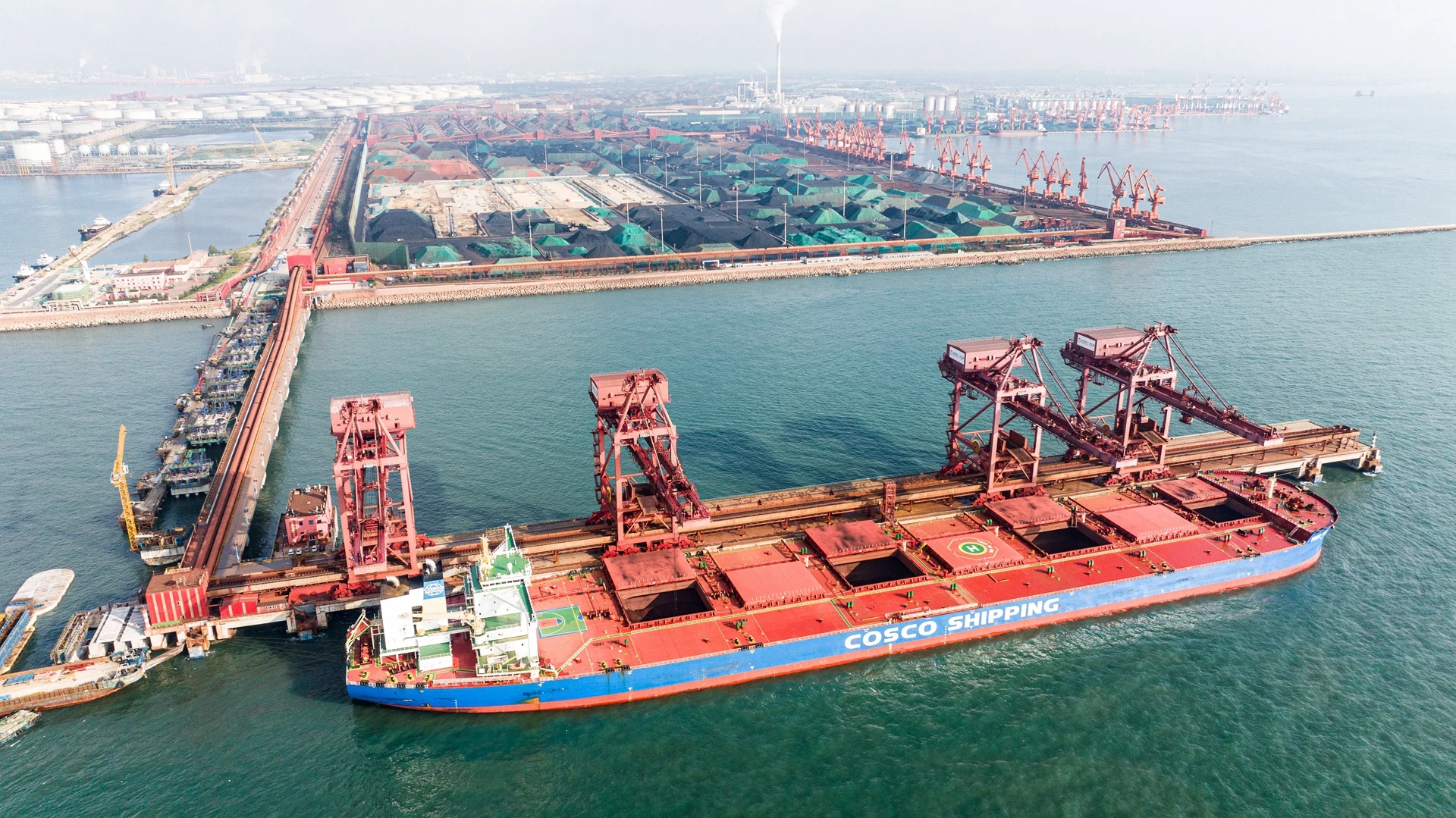
You want to learn about container handling equipment: automation o&m costs. It usually costs between $2,000 and $10,000 each year to keep automated systems working. Automated solutions like AMRs can pay for themselves in less than three years. CEGC gives you market-standard specs and options you can change for your port or terminal.
Key Takeaways
-
Automated container handling equipment can cost $2,000 to $10,000 each year. But these machines usually pay for themselves in less than three years.
-
Regular maintenance, energy efficiency, and skilled workers are important. These things affect how much it costs to run and fix automated systems.
-
Buying automation can lower labor costs by 30% to 50%. It also makes ports safer and helps them work better.
Container handling equipment: automation O&M costs breakdown
Main cost components
When you check container handling equipment: automation o&m costs, you find several main things that affect the price. Every automatic container handling equipment, like AGVs, AMRs, AS/RS, and automated single door container loading system, has its own costs. You must look at these parts to know the total costs and make your budget.
-
Maintenance: You need to do regular checks, cleaning, and fixing. AGVs and AS/RS need more care because they have moving parts and guidance systems. AMRs need normal maintenance and software updates.
-
Energy: Automated machines use electric power. This can lower your energy bills compared to diesel-powered manual machines. Electric machines waste less energy and help you reach environmental goals.
-
Software: You must buy software for data, updates, and predictive maintenance. This adds to your costs but helps you stop sudden breakdowns.
-
Labor: You need fewer workers, but you still need skilled people for monitoring, software, and maintenance. Training your team is important and costs money.
-
Spare Parts: You need to keep more spare parts for automatic container handling equipment. This helps you fix things fast and avoid long downtime.
Note: Some AMR companies have subscription plans. This lets you add more units during busy times without paying a lot upfront.
Typical cost ranges and payback periods
You want to know how much you will spend and when you will get your money back. The container handling equipment: automation o&m costs are usually $2,000 to $10,000 per year for each unit. The payback time depends on the type of automatic container handling equipment and how well your port works.
|
Equipment Type |
Annual O&M Costs (USD) |
Typical Payback Period |
|---|---|---|
|
AGVs (Automated Guided Vehicles) |
$5,000 - $10,000 |
4-7 years |
|
AMRs (Autonomous Mobile Robots) |
$2,000 - $6,000 |
2-3 years |
|
AS/RS (Automated Storage & Retrieval System) |
$6,000 - $10,000 |
5-8 years |
|
Automated single door container loading system |
$3,000 - $7,000 |
3-5 years |
|
Full automation (integrated systems) |
$8,000 - $12,000 |
6-10 years |
AMRs and automated single door container loading system often pay back faster. They need less setup and can be scaled easily. AGVs and AS/RS need more money for fixed routes and wiring, so their payback takes longer.
Comparison with manual systems
When you compare container handling equipment: automation o&m costs to manual systems, you see big changes. Automated systems cut labor costs by 30% to 50%. You need fewer workers and save on pay, insurance, and overtime. You also have fewer injuries, so your risks and costs go down.
Manual systems cost more to run. You pay more for fuel, worker shifts, and fixing accidents. Automated single door container loading system and other automatic container handling equipment use electric power, which is cheaper and more efficient than diesel. Automated systems work all day without stopping, so you get better efficiency.
Here is a simple table showing the main cost differences:
|
Cost Category |
Manual Systems |
Automated Systems |
|---|---|---|
|
Labor |
High (many workers per shift) |
Low (fewer, skilled staff) |
|
Energy |
High (diesel, less efficient) |
Lower (electric, more efficient) |
|
Maintenance |
Moderate (less complex) |
Higher (specialized, but more predictable) |
|
Spare Parts |
Lower (fewer, standard parts) |
Higher (more, specialized parts) |
|
Software |
Minimal |
Significant (updates, analytics, monitoring) |
|
Operational Efficiency |
Variable (depends on worker skill) |
High (consistent, predictable output) |
You pay more at first for automatic container handling equipment, but you save money later. Automation in ports is growing because you want better efficiency and to handle more trade. CEGC has many solutions, like portal crane, container crane, reach stacker, and automated single door container loading system. Each product meets market standards and can be changed for your port.
If you want to stay ahead, you must learn about container handling equipment: automation o&m costs. You can use this information to plan your spending, lower risks, and make your port work better.
Factors influencing O&M costs and ROI
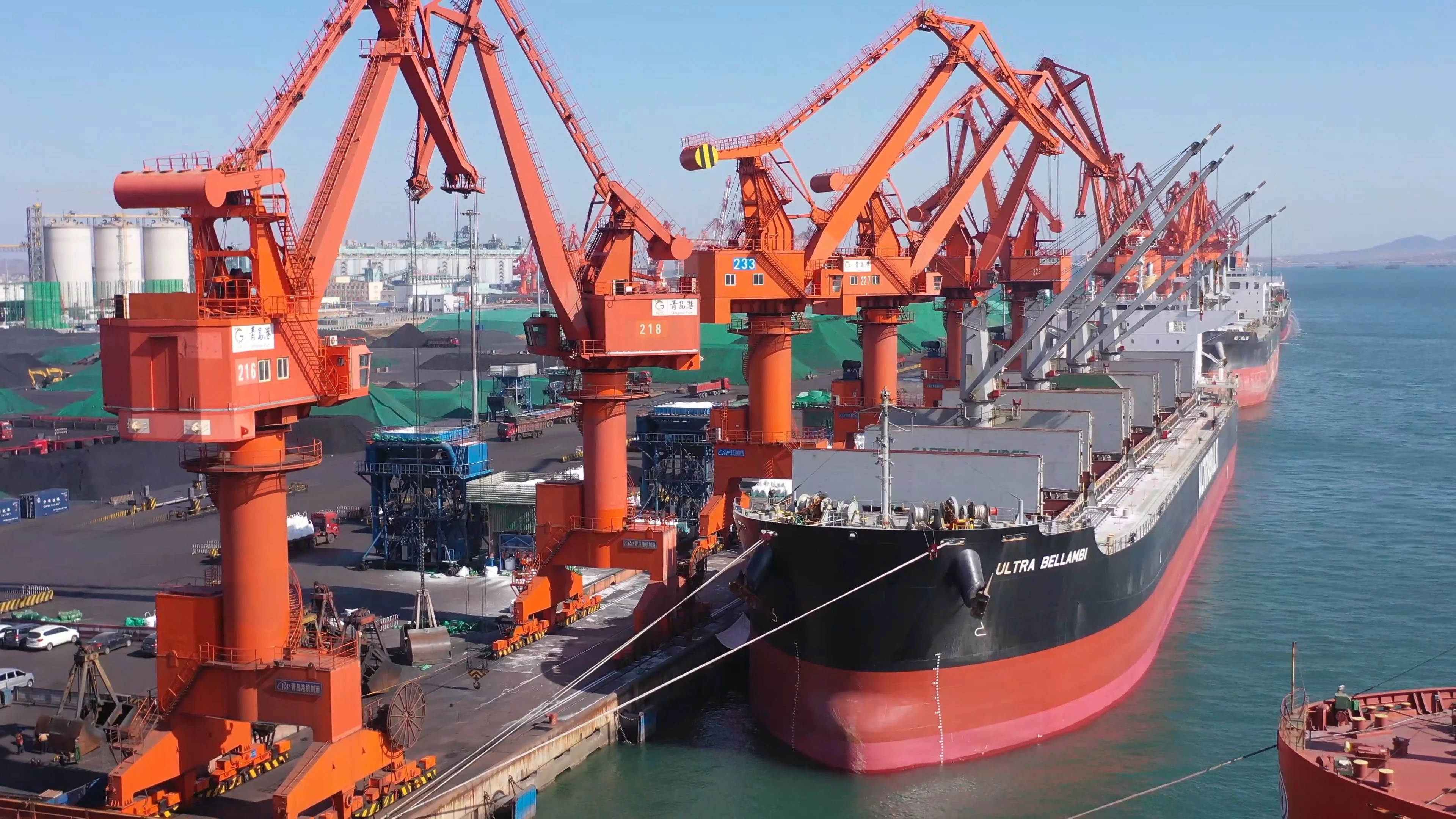
Equipment type and technology level
Many things affect the cost when you pick automatic container handling equipment for your port. The kind of equipment is important. A container gantry crane, reach stacker, or ship loader needs different O&M care. The technology level changes how much you pay. Advanced automated systems help your port work better and more reliably. You make fewer mistakes and have less downtime. IoT sensors and data analytics help you find problems early and use your equipment smarter. This lets you spend less on fixing things and get more value over time. Ports want automated single door container loading system because they want faster, safer, and more reliable work.
Usage, environment, and maintenance strategy
How your port uses equipment, the environment, and your maintenance plan all change your costs. If your port is busy, your automatic container handling equipment works harder. Marine air, salt, and dust can cause parts to rust and wear out. You need marine-grade durability to keep your equipment safe. The table below shows common problems and what they mean for you:
|
Pain Point |
Description |
Implications |
|---|---|---|
|
Safety Risks |
Bad setup can raise costs and risks. |
|
|
Load Sway |
Good control stops delays. |
Poor control causes more stops and delays. |
|
Collision Exposure |
System errors can cause accidents. |
More repairs and downtime. |
|
Marine Corrosion |
Salt and humidity damage moving parts. |
Higher costs for spares and protection. |
You can use anti-sway control, safety interlocks, and predictive maintenance to lower these risks. These features help your automated single door container loading system and other equipment work well.
Real-world examples and ROI
You want proof that automatic container handling equipment saves money over time. Many ports see 20–30% more throughput and 30–50% lower labor costs after using automated systems. You can see up to 70% fewer injuries. Most ports get ROI in 2–4 years for partial automation. Full automation may take 6–10 years, but ports still want automated single door container loading system. CEGC gives project-based solutions and custom options for your port. You can pick equipment that fits your needs and get the best efficiency.
You find that automation O&M costs make sense when ports get busier. Automated single door container loading system helps ports stay safe and move more containers. You check ROI by looking at simple numbers. CEGC makes special plans for each port. You watch how busy the port is, make work better, and pick automated single door container loading system to reach your goals.
|
Factor |
Description |
|---|---|
|
Demand |
Helps decide where ports spend money |
|
Automated Solutions |
Make ports safer and work faster |
|
Customization |
Fits what each port needs |
-
You look at how busy the port is, the port’s layout, and which automated single door container loading system works best.
FAQ
What is automatic container handling equipment?
Automatic container handling equipment helps move containers at ports. It works with automated systems. This makes work faster. It also makes things safer and more reliable.
How does automated equipment lower costs in a port?
Automated systems help you save money. They need fewer workers. They use less energy. There are fewer accidents. The port does not stop working as much.
Why should you choose automated solutions for your port?
You want your port to do well. Automated and automatic container handling equipment lets you move more containers. The port becomes safer. It also works better and meets high standards.


