
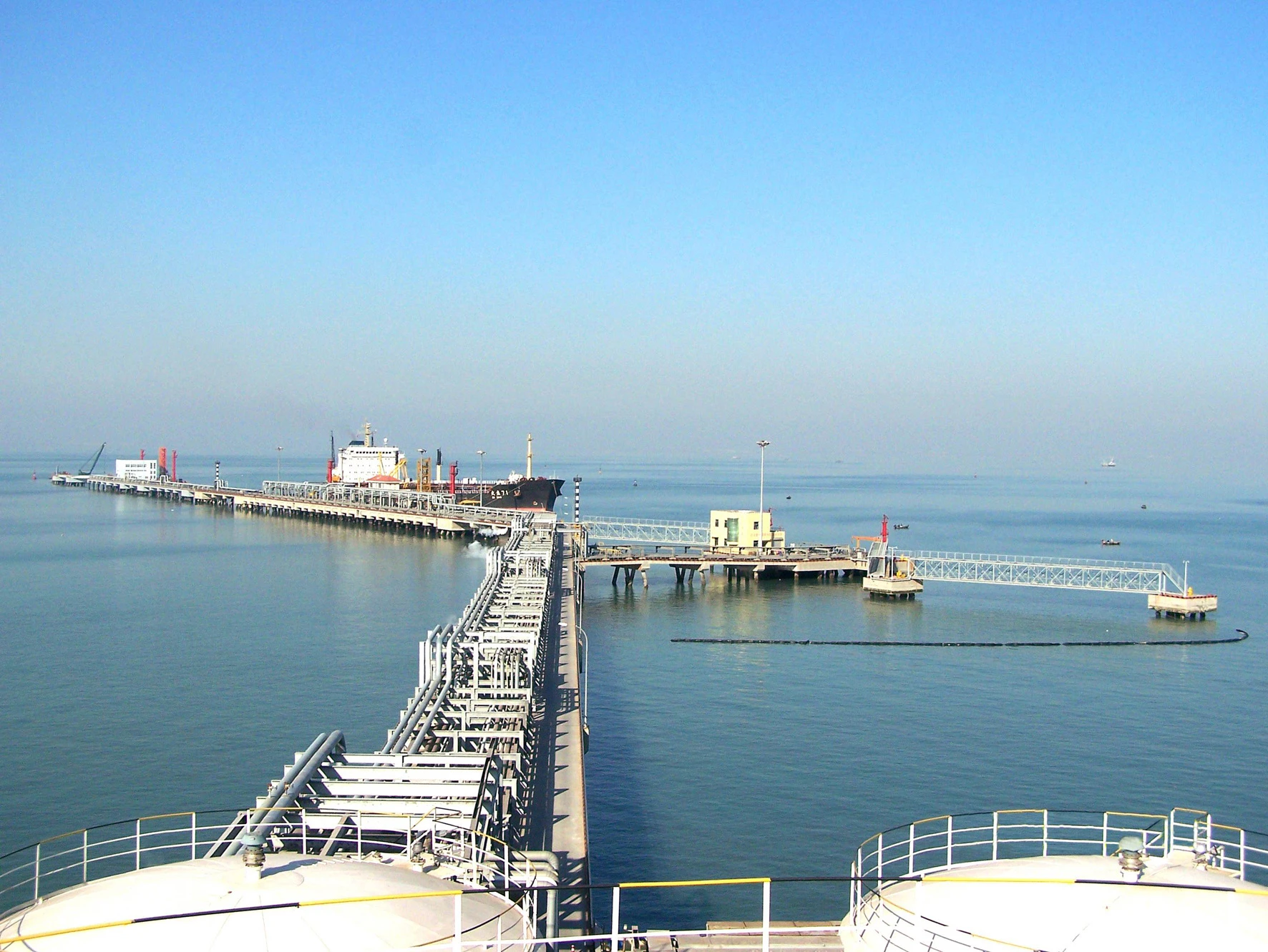
You face numerous challenges at ports and terminals, including safety risks, high repair costs, and the need for increased efficiency. Cargo crane automation: where ROI actually comes from, provides tangible benefits that address these issues. With CEGC, you gain access to features that meet market standards, along with customized solutions tailored to your specific port machinery requirements.
Key Takeaways
-
Cargo crane automation helps stop human mistakes and makes things safer. This means work is safer and there are fewer accidents.
-
Automated cranes work faster and move more containers. This helps ports save money and do more work.
-
Predictive maintenance helps fix problems before they get big. This saves money and keeps cranes working longer. It also helps everything run smoothly.
Main ROI drivers in cargo crane automation
Reducing human error and safety risks
Manual cargo crane work has many safety risks. These risks include crashes, dropping containers, and people getting hurt. Most of these problems happen because of human mistakes. Automation helps by taking operators out of the crane cab. Sensors and AI give exact control and spot problems right away. These systems send warnings and slow cranes if something is wrong. When humans and AI work together, mistakes drop by 25%. Operators only step in for special cases, so things are safer.
When you use AI scheduling and safety analytics, safety problems drop by 20–35%. Studies show that putting sensors in the right spots and using real-time data helps catch and fix problems fast. Smart scheduling keeps cranes working safely and makes them more efficient.
Here’s how important safety features help you:
|
Feature |
Contribution to Safety |
|---|---|
|
Stop cranes from moving into each other’s space, so crashes are less likely. |
|
|
Anti-Sway Control |
Cuts down on swinging loads, making moves safer and more exact. |
|
Collision Avoidance |
Sensors spot things in the way and slow or stop cranes to avoid accidents. |
|
Emergency Stop System |
Brakes turn on and cranes stop fast in emergencies, keeping people and cargo safe. |
You get these safety tools on portal cranes, container cranes, and ship cranes. Anti-sway and safety interlocks keep cranes from crossing paths. Collision avoidance slows or stops cranes if something is in the way. Emergency stop systems protect workers and cargo.
Boosting efficiency and throughput
You want your terminal to work faster and move more containers. Automation gives you what you need. New cranes, like rail-mounted gantry cranes and ship-to-shore gantry cranes, can lift 40 to 70 metric tons. Some cranes lift more than one container at a time, so you move more cargo.
Automated cranes make fewer mistakes and work faster. They connect with logistics systems to make everything run smoother. This means less waiting and more work done. For example, the Port of Savannah got new cranes and expects to handle 25% more ships each year. Automated cranes move lots of containers, speed up work, and cut costs.
The advanced automation features of RMG cranes allow for 24/7 operations, significantly reducing vessel turnaround times and increasing overall port capacity.
These benefits show up in big container terminals, where good scheduling and AI are important. Automated cranes move together well, so containers get handled quickly and yard space is used better. This cuts down on waiting and boosts how much work gets done.
Lifting is also less stressful. Operators can focus on where to put containers, not on stopping sway. Automation helps them stay awake and alert during long shifts. New workers learn faster and stay safe. AI cranes keep the hook steady and reduce sway, which is important for moving containers in all kinds of weather.
Lowering maintenance and lifecycle costs
Manual maintenance costs a lot and causes downtime. Predictive maintenance helps fix this. Condition monitoring systems check temperature, shaking, and other things. They find 85–95% of problems before cranes break down. You have 35–50% less unplanned downtime compared to fixing things after they break. Planned downtime is also less because you only fix things when needed.
Predictive maintenance saves you 25–30% on costs and makes cranes last 20–40% longer. You keep equipment working by fixing problems at the right time. This works for all types of gantry cranes, reach stackers, and ship loaders. Your terminals keep running and you avoid expensive delays.
Cranes are built to last with strong materials and smart design. These features help cranes survive salt, wet air, and heavy use. You get longer life and lower repair bills. Easy-to-fix parts and simple access make repairs faster and cut downtime.
You can pick your own maintenance plan, anti-corrosion level, and what to monitor. This means you get the best ROI for your automation investment.
Technical solutions powering ROI
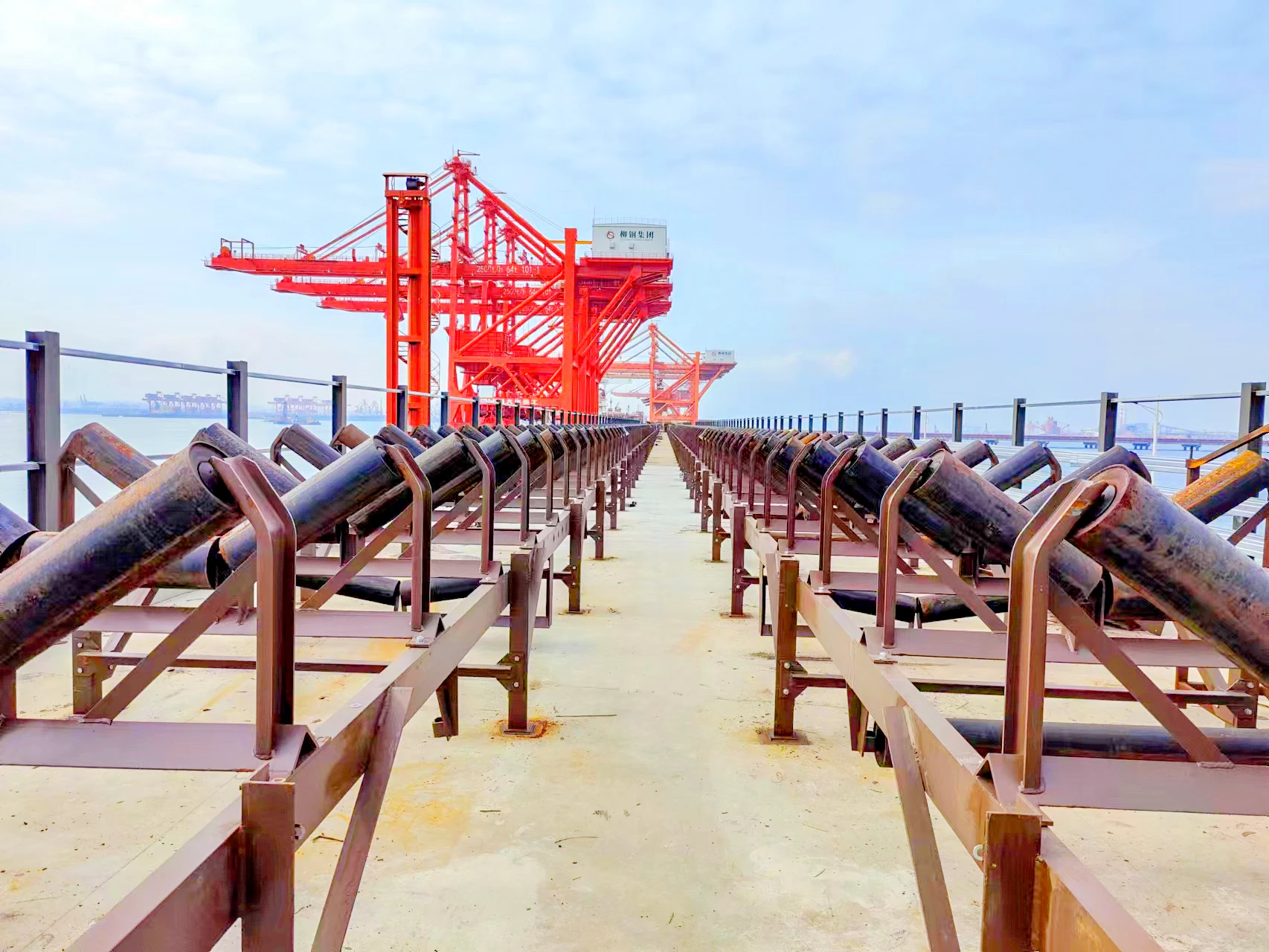
Automation and control systems
You can make your port work better with automation and control systems. These systems use anti-sway logic, safety interlocks, and motion coordination. They help cargo move safely and quickly. Automation lowers human mistakes and operator tiredness. You get more reliable operations and higher throughput.
The Long Beach Container Terminal project shows how automation changes ports. This terminal uses electric stacking cranes. These cranes handle many containers at once. This makes container moves faster and improves throughput.
A survey in 2017 found automation can cut costs by up to 35%. It can also boost productivity by 35%. At the Ports of Los Angeles and Long Beach, automation doubled container handling speed. You can see these improvements at your port with the right systems.
|
Aspect |
Description |
|---|---|
|
Load Control |
Anti-sway systems help you move containers faster and more accurately. |
|
Energy Efficiency |
Better anti-sway design uses less energy for the same effect. |
|
Safety |
New safety features and better visibility make your port safer. |
|
Reliability |
Improved designs make cranes more reliable and increase throughput. |
Predictive maintenance and energy efficiency
You can keep cranes working longer with predictive maintenance and energy-saving features. Condition monitoring helps you find problems early. You fix issues before they cause downtime. This increases throughput and saves money.
The APdM platform helped one port cut downtime by 30%. It also lowered maintenance costs by 25%. They saw a 15% rise in efficiency and over 150% ROI in the first year. Maersk’s AI program reduced maintenance costs by 20%. You can get similar results with CEGC’s condition monitoring and energy options.
Integration and customization for ports
You need solutions that fit your port’s needs. CEGC offers customization for all types of container handling equipment. You can pick the right capacity, span, duty cycle, and power solution. This flexibility helps you get more throughput and ROI.
Checking your current setup makes sure automation works with your systems. Building a strong IT framework lets you use real-time data. Working with CEGC means you get solutions for your port’s challenges.
|
Key Factors |
Impact on ROI |
|---|---|
|
Operational Efficiency |
Higher throughput and lower costs help you see ROI faster. |
|
Cost Savings |
Lower lifecycle costs make your investment pay off over time. |
|
Integration of Tech |
Remotely operated and semi-automated cranes boost throughput. |
You can grow your automation as your business gets bigger. Customization helps you get the best throughput and efficiency for your port.
Cargo crane automation: where ROI actually comes from
Measuring ROI in port operations
You want to see how cargo crane automation helps your port. You check ROI by looking at cost savings, efficiency, safety, and maintenance. These things show the real value of automation at ports.
You can use simple numbers to track progress. Throughput gains mean you move more containers faster. Labor cost reduction means you pay less for workers. Safety savings come from fewer accidents and lower insurance bills. Energy efficiency means you use less fuel and make less pollution. Payback timeline shows how quickly you get your money back.
Here is a table that shows these numbers:
|
Metric |
Impact |
|---|---|
|
Throughput Gains |
|
|
Labour Cost Reduction |
30–50% decrease in labor spend |
|
Safety-Related Savings |
Reduction in accidents and insurance costs |
|
Energy Efficiency |
Reduced fuel consumption and emissions |
|
Payback Timeline |
5 to 10 years, some within 3 years |
You can also use key performance indicators to check success. Gross moves per hour shows how many containers cranes move in one hour. Increased throughput means you handle more ships and containers. Payback period tells you how long it takes to earn your money back.
|
KPI |
Description |
|---|---|
|
Gross Moves Per Hour |
Measures the total number of container moves the crane performs in one hour, indicating productivity. |
|
Increased Throughput |
Reflects the ability to handle more ships and containers, leading to revenue growth. |
|
Payback Period |
Indicates the time required to recover the investment, calculated using net cash flow. |
When you use cargo crane automation, you see these improvements. You get more work done, spend less money, and keep people safer. You can track these numbers to see how automation changes your port.
Evaluating automation investments
You need to know how to check if cargo crane automation is worth it for your terminals. You start by looking at how things work now. You check how much downtime you have, how much you spend on repairs, and how safe your port is. You compare these numbers before and after automation.
You use tools and systems to help you decide. Algorithmic scheduling tools help plan crane moves and cut down on waiting. Human oversight helps with problems that computers cannot solve. You can use digital twins and sandbox simulations to test ideas before making changes. You coordinate between quay and yard to keep cranes busy and avoid delays.
You also think about the environment. You use low-emission technology and energy-aware scheduling to use less fuel and make less pollution. This helps you reach green goals and save money.
Here are some tools and methods you can use:
-
Algorithmic scheduling tools for planning crane moves and making work smoother.
-
Human oversight to check computer plans and handle real-life problems.
-
Digital twins and sandbox simulations to try out automation ideas.
-
Coordination between quay and yard to keep cranes working and reduce waiting.
-
Using low-emission technology and energy-aware scheduling for a greener port.
You can work with CEGC to make solutions that fit your port. You pick the right size, span, duty cycle, and power for your cargo crane automation project. You get help with setup, repairs, and upgrades. You track your ROI with clear numbers and KPIs.
You see the benefits with more containers moved, lower costs, and safer ports. You make better choices by using data and proven tools. You get the most from cargo crane automation when you measure and check your investments.
When you use automation for cargo cranes, you get more work done. The table below shows how ports check these improvements:
|
Outcome Type |
Measurable Improvement |
|---|---|
|
Vessel Turnaround Time |
|
|
Crane Moves per Hour |
Increased throughput per shift |
|
Berth Occupancy Rate |
Improved efficiency |
|
Yard Utilisation |
Enhanced operational efficiency |
|
Truck Turn Time |
Reduced driving distances |
CEGC helps you fix big problems and make plans just for your port. As more jobs use automation, new roles and cleaner technology will change how ports work in the future.
FAQ
What types of cargo cranes can you automate?
You can use automation on portal cranes, container cranes, ship cranes, and reach stackers. These systems help you move containers quickly and safely.
How does automation improve safety at my port?
Sensors and smart controls help stop unsafe moves. This means there are fewer accidents. Automation keeps workers and cargo safe every day.
Can you customize automation for my port’s needs?
You can pick the right capacity, span, and power solution. CEGC helps you choose what fits your port best.


