
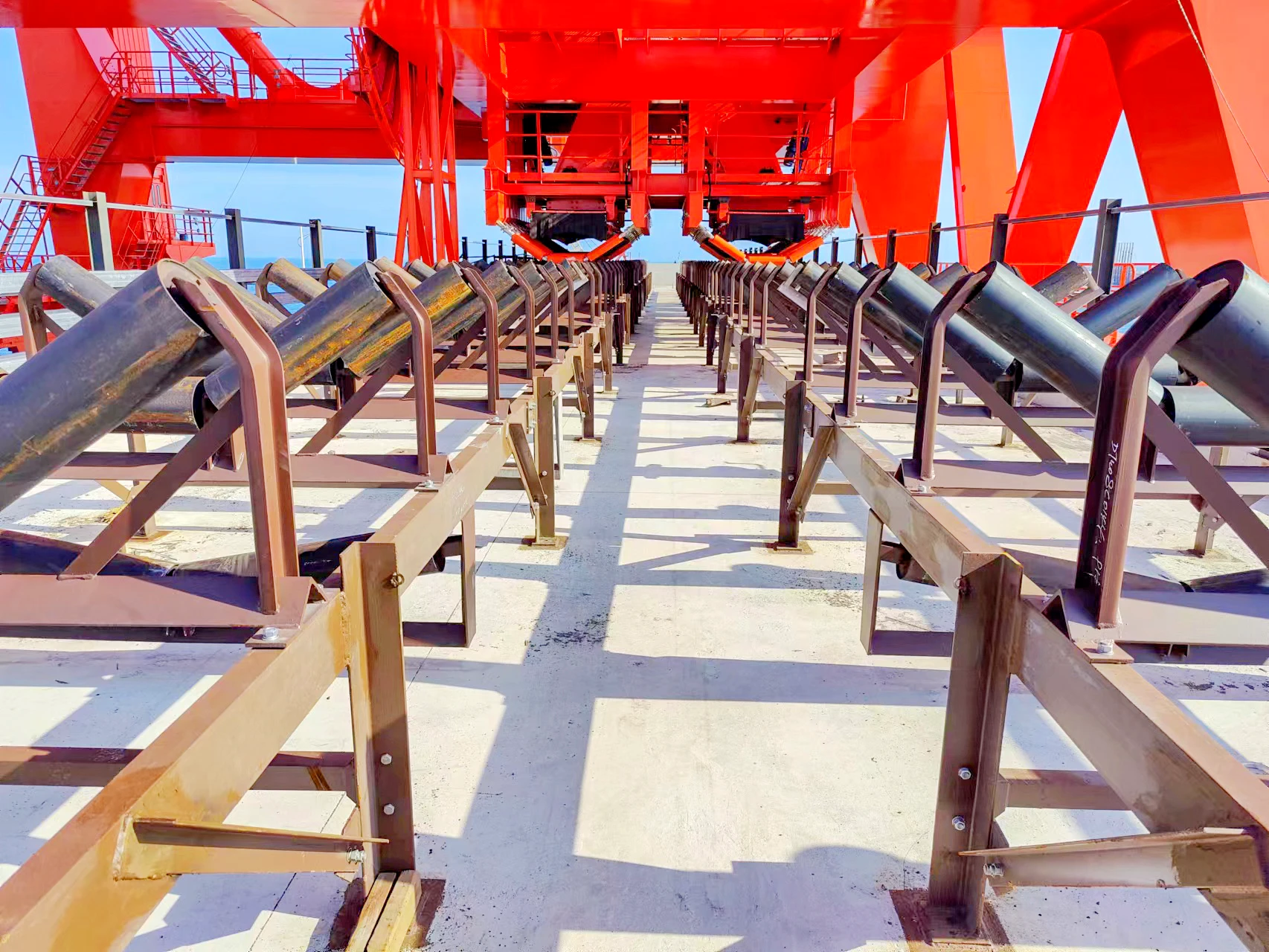
You get faster and more efficient work when you use auto positioning in container cranes. CEGC helps fix main problems like load sway and the risk of crashes. Automation in container cranes stops mistakes people make, makes things safer, and saves money. Container crane: auto positioning that boosts MPH changes the way you move cargo.
Key Takeaways
-
Auto positioning in container cranes helps them work better. It lowers load sway and cuts down on mistakes by people. This makes the work safer for everyone.
-
Using automated systems can make things faster by 15% to 25%. Terminals can move more containers each hour.
-
Safety features like anti-collision systems and no-fly zones keep workers and cargo safe. These features make the work easier and more dependable.
Auto positioning in container cranes
How auto positioning works
Auto positioning helps cranes put containers in the right place. Sensors and mark recognizers help find the correct spot. The system checks where the crane moves and where it needs to go. Many marine cranes use composite positioning. This means they track carts and pinpoint bays. Automated container handling is helpful because the crane knows its location. The crane can adjust itself to stay accurate. Automated stacking cranes use image recognition to read bay numbers on the ground. This makes cargo handling faster and more reliable. Ship-to-shore cranes give you precise placement every time.
Key components and integration
Marine cranes have smart features to make handling containers safe and efficient. The main parts are operator-assisting systems, safety controls, and anti-sway technology. You see these features in portal cranes, container handlers, and automated stacking cranes. The table below shows how these parts work together:
|
Smart Features |
Description |
|---|---|
|
Operator-assisting |
Auto-steering, auto-path optimization, auto-positioning, auto-truck guiding |
|
Safety-enhancing |
Stack collision prevention, gantry collision prevention, truck lift prevention |
Mechanical and electronic anti-sway systems keep loads steady. Sensors watch movement and change crane settings right away. Automated guided vehicles help move containers smoothly. Marine cranes meet market standards for lifting, span width, and hoisting speed. You can pick diesel, electric, or hybrid power sources. Advanced marine cargo systems let you customize duty cycle, automation level, and anti-corrosion protection. You get good after-sales support and quality assurance for automated stacking cranes and automated guided vehicles.
How container crane: auto positioning that boosts mph
Faster cycles and higher throughput
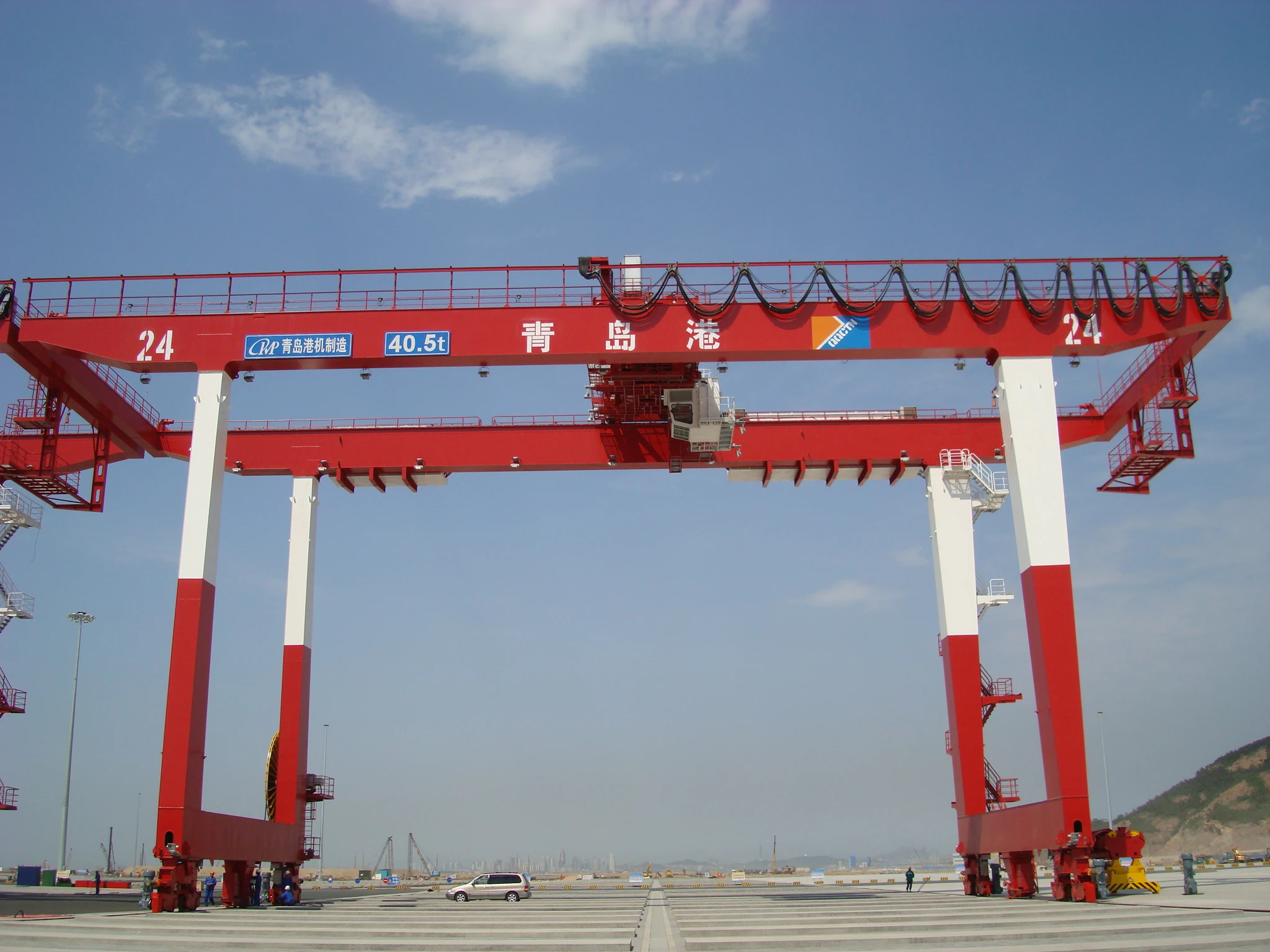
You get real improvements in terminal efficiency with container crane: auto positioning that boosts mph. Automated systems let you move containers faster and more accurately. Marine cranes with auto positioning cut down the time for each cycle. You do not need to move containers again and again. This lets you handle more containers every hour and makes cargo handling better.
-
Throughput goes up by 15% to 25% when you use automation and control together.
-
Cycle times can drop by up to 10% if you use simulation for yard planning and lane design.
-
You can move 25 to 40 containers per hour with container crane: auto positioning that boosts mph.
Auto positioning systems are very accurate. When your equipment grabs containers without extra moves, you make your terminal work better. Bad positioning causes more moves and slows things down. You want to stop that from happening. Marine cranes with auto positioning help your yard run smoothly.
Here are some real-world examples:
|
Port |
Key Features |
|---|---|
|
Port of Rotterdam |
Fully automated RMG cranes, precise stacking, lower labor costs, less human error. |
|
Port of Hamburg |
AI-driven cranes, real-time yard management software, high throughput, steady performance. |
|
Port of Shanghai |
Better operational efficiency, shorter turnaround time for container ships. |
|
Port |
Key Results |
|---|---|
|
Port of Singapore |
30% higher operational efficiency, 20% less energy use, 90% fewer crane accidents, 24/7 operation. |
Precision, safety, and reduced errors
You get more precise container handling with container crane: auto positioning that boosts mph. Automated operations cut down human mistakes and make crane moves more steady. Marine cranes use target positioning to move loads to preset spots. The crane slows down and stops at the right place. This helps cargo handling and keeps your yard neat.
-
Automated functions report mistakes if the wrong container is lifted.
-
Accurate yard inventory helps you track containers and makes your terminal work better.
|
Evidence |
Description |
|---|---|
|
Automated operations |
Cut human mistakes and make crane moves more steady. |
|
U.S. Government reports |
Automated gantry cranes cut handling time and keep people out of dangerous areas. |
Safety gets better with container crane: auto positioning that boosts mph. Automated crane systems add safety features like no-fly zones and off-center pick prevention. These features protect operators and ground staff.
-
No-fly zones keep cranes away from dangerous places.
-
Off-center pick detection warns you about misalignment and stops accidents.
-
Anti-collision systems spot nearby equipment and prevent accidents before they happen.
-
Real-time data access helps you plan and make safer choices.
Anti-sway technology in marine cranes lowers uncontrolled load sway. You get more control in busy port environments. Stabilizing loads lets you place containers correctly and avoid damage.
Factors impacting performance
You face problems like load sway, wind load, and gaps in operator skills. Container crane: auto positioning that boosts mph fixes these issues with smart technical solutions.
-
Predictive maintenance uses sensor data to find equipment problems early. You can fix things before downtime happens.
-
Motion coordination with AI and real-time data makes task scheduling better. You cut idle time and improve cargo handling.
-
Modern marine cranes connect with terminal operating systems for dynamic task scheduling. Cranes handle important container moves and boost throughput.
-
AI-driven predictive maintenance finds possible breakdowns ahead of time. You can repair cranes during slow times and keep vessel turnaround fast.
Marine cranes collect operational data. This data helps you track usage and predict maintenance needs like bearing wear and cable fatigue. Predictive maintenance makes scheduling better, cuts downtime, and saves energy.
Anti-sway and motion coordination technologies help you deal with environmental factors. Anti-sway technology lowers accident risk and lets you run cranes smoothly. You spend less time stabilizing loads and get more work done. Precise load placement keeps your operation running without problems.
Container crane: auto positioning that boosts mph gives you project-based customization. You can pick capacity, span, duty cycle, power solution, and anti-corrosion grade. Marine cranes from CEGC last long in coastal environments and help you keep terminal efficiency high.
You get faster loading and unloading with auto positioning. Marine cranes make work safer and more efficient. Here are some benefits:
|
Benefit |
Description |
|---|---|
|
High Efficiency |
Marine cranes move containers quickly and accurately. |
|
Marine cranes help keep your team safe. |
|
|
Consistent Operation |
Marine cranes work well every shift. |
|
Reduced Costs |
Marine cranes help save money on labor and mistakes. |
|
Operator Comfort |
Marine cranes let people work from far away and stay comfortable. |
Pick CEGC if you want marine cranes that match your needs. Contact us to find out how you can make your port better.
FAQ
What is auto positioning in marine cranes?
Auto positioning helps marine cranes put containers in the right spot. Sensors and smart controls make the crane work faster and safer.
How does auto positioning improve safety?
Anti-sway and collision prevention lower the chance of accidents. These features protect workers and cargo when things get busy.
Can you customize auto positioning systems?
You can pick options for capacity, duty cycle, and anti-corrosion. This helps you make marine cranes fit your port’s needs.


