
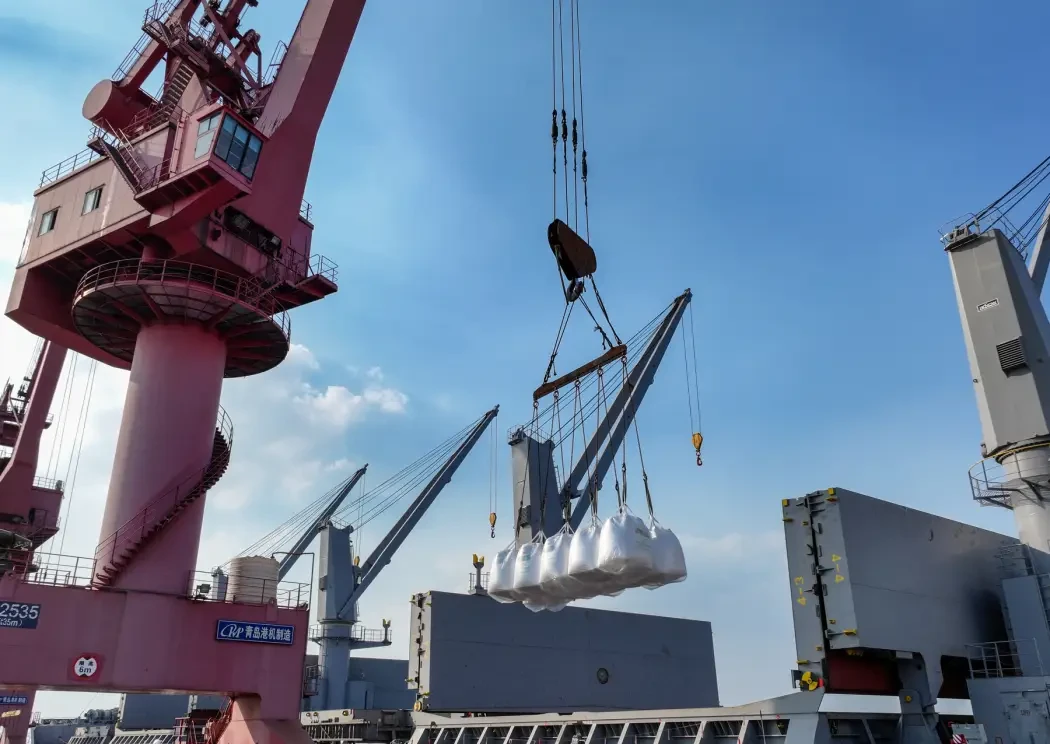
Cargo crane blind-spot monitoring improves training by providing enhanced safety and clearer visibility for operators. With this technology, operators can learn faster and develop better situational awareness, which is crucial in today’s busy ports. CEGC offers advanced port machinery equipped with these features, making it easier to lift and move containers efficiently. By prioritizing both safety and operator awareness, CEGC ensures that your terminal operations run smoothly and securely.
Key Takeaways
-
Blind-spot monitoring makes things safer because it shows what is around cranes right away. It helps operators stop accidents from happening. This technology helps with training because it gives feedback right away. Operators can learn faster and feel more sure of themselves. When blind-spot monitoring is used, there are fewer accidents and less time when things stop working. This helps the terminal work better and faster.
Cargo crane blind-spot monitoring improves training
What is blind-spot monitoring
Operating a crane in a busy port is hard. Blind spots can hide people, vehicles, or things from you. Blind-spot monitoring uses technology to help you see these hidden places. The system has cameras, sensors, and alarms. It gives you real-time information about what is around you. With cargo crane blind-spot monitoring, you can see dangers before accidents happen. This technology means you do not need hand signals or audio instructions as much. Your work becomes safer and more efficient.
-
Cameras show clear views around your crane.
-
The system helps you avoid accidents by showing blind spots.
-
You can react quickly to changes, which keeps everyone safe.
How it works in cargo cranes
When you use a CEGC container crane, portal crane, or ship crane, blind-spot monitoring makes your job easier and safer. The system uses many features to help you see better and stay safe. Camera systems, anti-sway control, and operator-centered HMI work together to keep you aware.
|
Functionality Description |
|
|---|---|
|
Radar sensors |
Find large objects and people within 1–5 meters. |
|
Ultrasonic detection |
Works best for slow-moving machines like loaders or forklifts. |
|
RFID tag systems |
Set off alarms if workers enter a danger zone. |
CEGC builds cranes with lots of glass and cabins in smart places for better visibility. High-resolution cameras cover areas you cannot see. The anti-sway control keeps loads steady, so you can watch your surroundings. The operator-centered HMI gives clear alarms and updates, making training faster and easier.
You can pick standard specifications or ask for custom options. CEGC offers choices for sensor sets, anti-collision zones, and safety backup. This helps port authorities and terminal operators meet their needs. With cargo crane blind-spot monitoring, you create a strong safety culture and lower risks from blind spots.
Training benefits for operator and crane safety
Enhanced operator awareness
It is important to see all around your crane to stay safe. Blind-spot monitoring helps you do this job better. The system uses cameras and sensors to show what is happening everywhere. You get alerts right away if something enters a danger zone. This helps you notice problems and avoid accidents.
When you use a CEGC portal crane or container crane, you can see your surroundings clearly. The operator-centered HMI gives alarms and updates. You can react fast to changes. This lowers the chance of accidents and keeps your team safe.
Here is how blind-spot monitoring helps lower collision risk in ports:
|
Evidence Description |
Impact on Collision Risk |
|---|---|
|
Operators can react fast to hazards, lowering risk. |
|
|
Automated detection systems warn about vehicles or moving loads. |
This makes operators more aware and lowers collision risk. |
|
AI and video analytics help operators react faster and cut down on false alarms. |
Operators respond quicker, making everyone safer. |
You can trust the CEGC crane safety system to help you spot dangers early. This system helps you work safer and builds your confidence as an operator.
Real-time feedback and communication
You learn best when you get feedback right away. Blind-spot monitoring gives you real-time information about your crane and what is around you. This helps you make better choices and learn faster.
-
There are fewer accidents and incidents.
-
You pick up new skills quickly.
-
You save both time and money.
-
You work better and get more done.
You get to practice with instant feedback. You can learn hard moves and emergency actions. The system shows you clear data about how you are doing. This helps you see your progress and know how to get better. You can train safely before working on real jobs.
CEGC cranes have safety interlocks and anti-sway systems. These features help you during training and daily work. You get alarms, visual signals, and help from the operator-centered HMI. This makes your training easier and your work safer.
Improved crane safety and accident reduction
Crane safety is important every day and every shift. Blind-spot monitoring systems make your work safer by letting you see more. You can look around the crane, even in small spaces or at night. Camera systems, like the SV300 wireless camera, give you a live view in low light. You can spot people, vehicles, and things before accidents happen.
-
360 panoramic solutions use HD cameras to cover all blind spots.
-
AI detection finds people and vehicles and sets off alarms in danger zones.
-
Wireless camera systems work day and night and record video for safety checks.
You can count on CEGC cranes to last in tough marine conditions. The anti-corrosion design and strong structure keep your equipment safe in ports. The crane safety system helps you avoid accidents and keeps your team safe. You also get cycle-time optimization, so you finish jobs faster and safer.
When you use CEGC container handling equipment, you get top crane safety. You protect your team, your cargo, and your equipment every day.
Using blind-spot monitoring helps you run cranes better. It makes the job safer and helps you work faster. You have fewer accidents and less time when cranes are not working. You also follow safety rules for your job.
|
Benefit Description |
|---|
|
Make crane lifting much safer. |
|
Help operators make better choices and work faster. |
|
Have fewer accidents, insurance claims, and less downtime. |
|
Follow OSHA crane rules and ISO standards. |
CEGC gives you special equipment and good help. You can move containers quickly and stop traffic jams.
|
Service Description |
Value to Port Authorities and Terminal Operators |
|---|---|
|
Special equipment solutions |
Fit the needs of each port and help work go faster. |
|
Full service and support |
Give help and advice so jobs finish on time and on budget. |
|
Container handling equipment |
Stops traffic jams and helps ports work better with smart systems. |
Adding blind-spot monitoring to training makes your port safer.
FAQ
How does blind-spot monitoring help you during crane training?
Blind-spot monitoring shows you hidden areas around your crane. You see dangers early. You learn to react faster and work safer every day.
Can you use CEGC blind-spot monitoring at night or in bad weather?
Yes. The camera systems work day and night. You get clear views even in fog, rain, or low light. This keeps your training safe.
What types of cranes can use blind-spot monitoring?
You can use blind-spot monitoring on portal cranes, container cranes, ship cranes, and container handling equipment from CEGC.


