
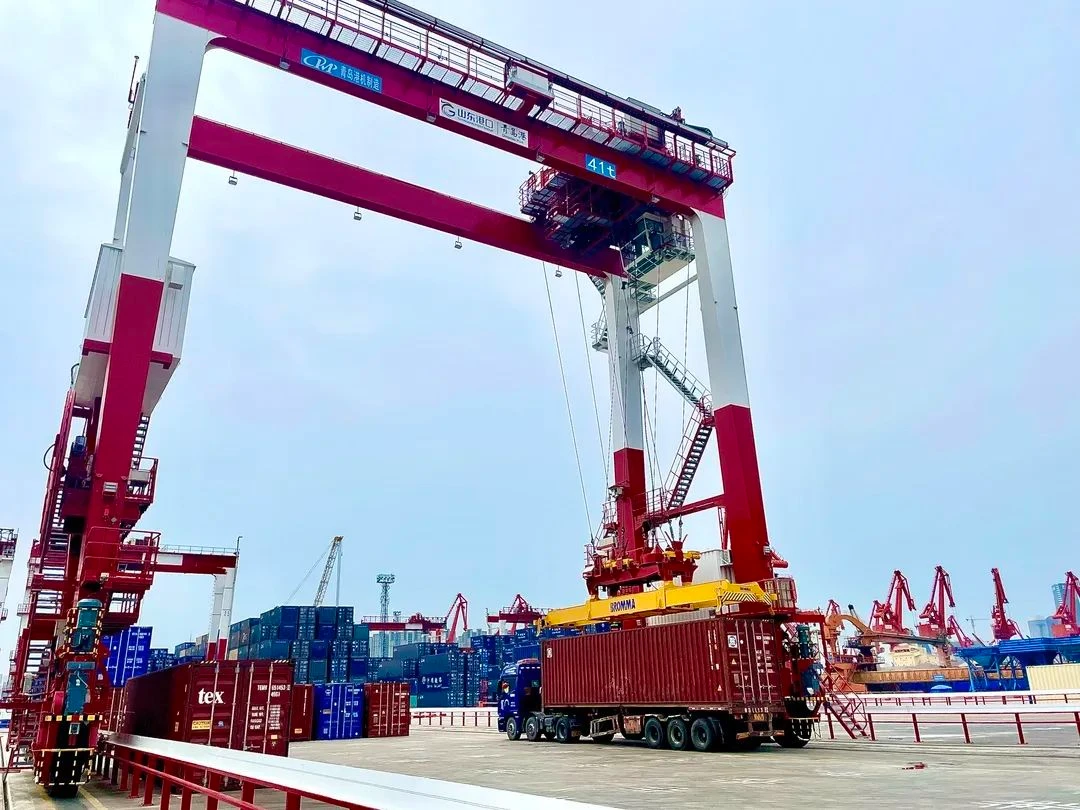
Reach Stacker blind-spot monitoring reduces claims and helps prevent accidents at ports. With CEGC’s advanced technology, you benefit from fewer incidents and greater operational safety. Blind spot warning systems have been shown to cut lane change injury crashes by 23%. By implementing Reach Stacker blind-spot monitoring, you minimize costly issues and support your team’s safety, resulting in fewer insurance claims for your port machinery.
Key Takeaways
-
Adding reach stacker blind-spot monitoring can cut lane-change accidents by 23%. This makes the work area safer for everyone. - Using new safety technology can lower insurance claims. It may also help lower insurance costs, which saves your port money. - Training workers often and keeping safety systems in good shape helps them work well. This stops accidents and keeps things running well.
Claims Reduction Evidence
Accident Data and Insurance Impact
When you use blind-spot monitoring on reach stackers, you have fewer insurance claims. Research shows these warning systems can lower lane-change accidents by 23%. This helps keep your team and equipment safe. Insurance companies see these changes. They may give ports lower premiums for using safety technology.
You deal with risks like people getting hurt, manual straddle crashes, and equipment blind spots. Monitoring systems help you handle these dangers. The table below shows what insurance companies think about these risks:
|
Risk Type |
Description |
|---|---|
|
Injuries to pedestrians |
Monitoring tools are important to keep people safe from machines and lower risks. |
|
These crashes often happen because of mistakes and can be stopped with monitoring tools. |
|
|
Blind-spots in equipment |
Technology can make machines work better and help users avoid accidents. |
Industry Case Studies
You can see how these systems help at real ports. CEGC has helped many terminals add anti-sway and safety interlock systems to their equipment. These tools fix problems like crashes and load sway. Operators say they have fewer accidents and better results.
The table below shows how these solutions help lower claims:
|
Benefit |
Description |
|---|---|
|
Anti-sway and safety interlocks stop bad accidents during container moves. |
|
|
Enhances safety |
These systems find dangers and make the area safer for workers. |
|
Reduces costs |
Fewer accidents mean less money spent on repairs and legal problems. |
You feel safer and save money when you use these technologies.
Reach Stacker Blind-Spot Monitoring Reduces Claims
Blind Spot Monitoring Systems Overview
You want your port to be safe and have fewer claims. Reach stacker blind-spot monitoring helps you see dangers before accidents happen. These systems use sensors to watch places you cannot see from the cab. When something is in the way, the system warns you. If you do not act, the machine slows down or stops by itself. This fast response helps stop crashes and keeps your team safe.
Here is how blind spot monitoring works for reach stackers:
-
Sensors on the topframe and sideframe corners look for objects in blind spots.
-
The system gives you alarms with lights and sounds if something is there.
-
If you do not react, the reach stacker slows down and uses the brakes.
|
Feature |
Description |
|---|---|
|
Functionality |
Finds obstacles and warns the driver to help stop crashes. |
|
Sensor Types |
Uses topframe and sideframe sensors to find objects ahead. |
|
Alarm System |
Gives light and sound warnings when something is in a blind spot. |
You get more than just warnings. Reach stacker blind-spot monitoring gives you time to react. This system works better than mirrors or signs, especially in busy ports. You can trust it to help you avoid expensive accidents.
Blind Spot Detection Systems for Port Machinery
Blind spot detection systems help you see what is around your equipment. These systems use cameras and sensors to show you live images and warnings. You see everything on a screen made for the operator. This screen makes it easy to understand alerts and act quickly.
A good screen helps you and your team stay aware of moving machines. You learn to avoid danger and use clear signals with flagmen. Working together keeps everyone safe and lowers the chance of accidents.
Blind spot detection systems follow strict safety rules. They meet standards like UN ECE R151 for seeing around and UN ECE R158 for active safety. Multi-camera setups and smart sensors are now needed for modern port machines. These upgrades help you follow safety laws and keep your insurance claims low.
|
Regulation |
Description |
|---|---|
|
UN ECE R151 |
Rules for seeing all around the machine |
|
UN ECE R158 |
Rules for active safety features |
|
UN ECE R159 |
Needs multi-camera systems and Blind Spot Detection |
|
UN ECE R46 |
Makes screens and controls safer for people |
You can pick many options with CEGC. Reach stacker blind-spot monitoring lowers claims because you can add safety steps, wireless controls, load checks, and upgrades. You also get training so everyone knows how to use the system. These choices help you fit your port’s needs and keep your team safe.
-
Safety steps to stop overloads and crashes
-
Training for safe crane use
-
Wireless controls for easier work
-
Load checks and safety upgrades
Blind spot monitoring and detection systems help with different skill levels. The system gives clear alarms and easy screens. Even new operators can use the reach stacker safely. This means fewer mistakes and lower claims.
You also have less downtime. Anti-collision systems work with blind spot monitoring to keep machines running. They help you avoid damage and keep your port working. When you use automation with blind spot monitoring, you get even more safety and better work. Automated guided vehicles, safety sensors, and live tracking all work together to keep your port safe.
|
Aspect |
Contribution to Safety and Efficiency |
|---|---|
|
Automated Guided Vehicles |
Do repeat jobs and lower accident risks. |
|
Safety Sensors |
Warn operators about dangers and stop crashes and injuries. |
|
Real-time Tracking |
Helps operators spot risks or lost cargo. |
|
Predictive Maintenance |
Keeps equipment working well and stops accidents. |
|
AI Pedestrian Detection |
Makes things safer by watching blind spots in real time. |
Reach stacker blind-spot monitoring lowers claims better than old ways like mirrors or signs. You get more safety and fewer accidents. This means you spend less on repairs and insurance. You also keep your team safe and your port working well.
|
Safety Technology |
Effectiveness in Claim Reduction |
Notes |
|---|---|---|
|
High |
Lowers accidents by helping drivers see around them. |
|
|
AI-Powered Proximity Detection Systems |
Very High |
Finds people and obstacles right away, making things much safer. |
|
Traditional Methods (Mirrors, Signs) |
Moderate |
Helpful but not as good as new technology in busy places. |
You can see that reach stacker blind-spot monitoring lowers claims by giving you better tools, more safety, and smarter systems. With CEGC’s solutions, you get the best technology for your port machines.
Limitations and Optimization
System Weaknesses and Challenges
There are some problems when you use blind-spot monitoring on reach stackers. Bad weather and dark places can make sensors not work well. Rain, fog, or low light can make new blind spots. This means safety features might not always work right. You have to keep sensors clean from mud, dirt, or repair stuff. If sensors get dirty, they might miss things in the way.
You should check and fix sensors if they get moved or broken. It is important to set up sensors the right way. This helps safety features do their job. Most makers say not to fix things near the sensors. Always follow the rules for repairs to keep safety features safe.
Your team needs training too. Operators must know how to use safety features and what to do when alarms go off. Training helps everyone use the system right and make fewer mistakes.
Tip: Do regular checks and training to keep safety features working well.
Best Practices for Port Operations
You can get more from your safety features by using good habits. CEGC gives you tools like predictive maintenance and strong parts for port machines. These help you stop surprise problems and keep safety features working in hard places.
Here are some ways to make your work better and lower claims:
-
Use alerts and AI to find problems early.
-
Add safety features to your daily work for smoother jobs.
-
Check safety features often to see if they work in all weather.
-
Train your team to use safety features and answer alarms fast.
-
Plan your work to stop delays and keep things moving.
A big tobacco company made their shipping better with alerts and AI. This helped them stop delays and lower insurance claims. You can do this too by using safety features every day.
|
Best Practice |
Benefit |
|---|---|
|
Predictive Maintenance |
Keeps safety features working well |
|
Regular Training |
Makes sure people use safety features right |
|
Workflow Integration |
Stops delays and lowers accident risks |
|
Frequent System Checks |
Keeps safety features working in all weather |
When you use these good habits, your port gets safer and works better. You also have fewer insurance claims because you use safety features the right way.
When you use reach stacker blind-spot monitoring from CEGC, you have fewer insurance claims. You get strong safety, less accidents, and better results.
-
Your team and equipment stay safer.
-
You spend less money fixing things and paying claims.
Begin making your port safer with new safety systems now.
FAQ
What are the main benefits of reach stacker blind-spot monitoring?
You make the port safer for workers. Fewer accidents happen when you use this system. Insurance claims also go down. You can see dangers faster and fix problems quickly. This helps your port work better every day.
How do collision avoidance features work on port machinery?
Sensors and alarms help you find things in the way. The system tells you if something is close. Sometimes, it stops the machine to keep you safe. This keeps your equipment from getting damaged.
Can new operators use these systems easily?
The screens are easy to read and understand. Simple alerts tell you what to do. Training helps you learn fast. Even new workers can use reach stackers safely.


