
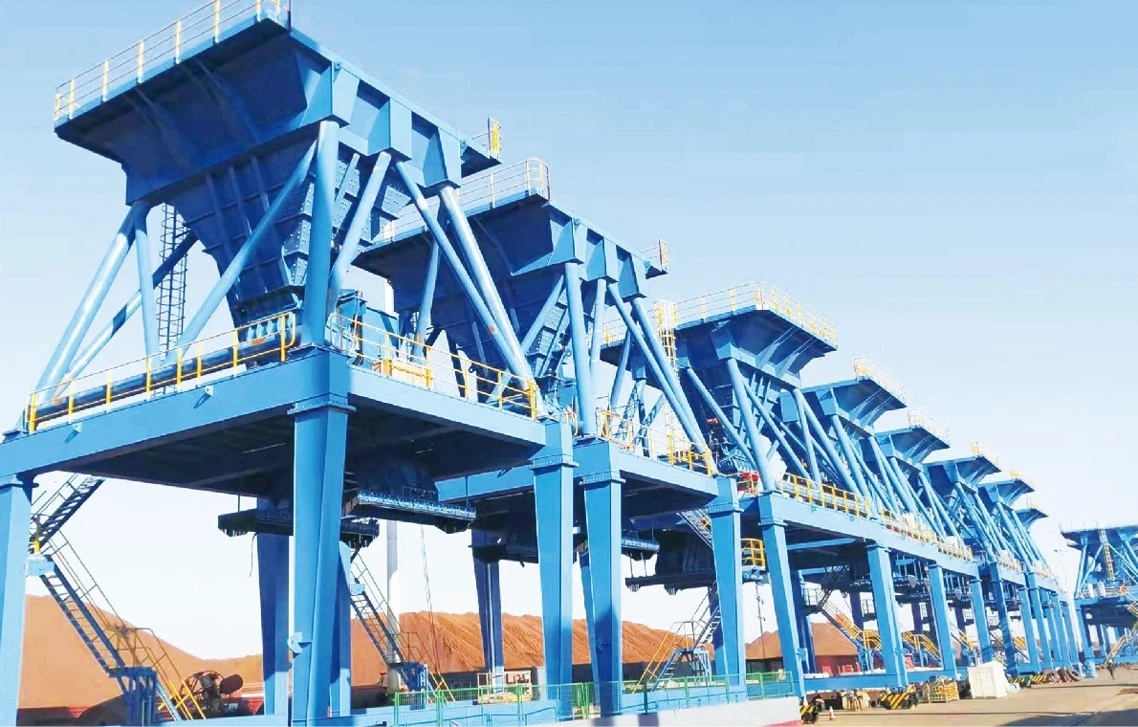
Container crane blind-spot sensing reduces downtime risk and helps ports operate more efficiently. With advanced safety systems from CEGC, expensive delays are minimized. Operators report that collision prevention features lead to 10-20% fewer incidents, making operations safer and more reliable.
|
Statistic |
Impact |
|---|---|
|
15% increase |
More collisions from crowded areas |
|
Big |
Less downtime saves money |
Key Takeaways
-
Using blind-spot sensing technology helps stop accidents. This makes crane work much safer. - AI helps with maintenance before problems happen. This can lower surprise downtime by up to 40%. It saves money and helps cranes last longer. - Advanced safety systems make things safer. They also help cranes work better and faster. This means crane jobs go more smoothly.
How container crane blind-spot sensing reduces downtime risk
Addressing blind spots in crane operations
Crane operators deal with many blind spots. These blind spots can cause accidents and stop work. The main types are poor visibility, bad weather, and not seeing everything from the cab. Each type makes working less safe in its own way.
|
Type of Blind Spot |
Impact on Operational Safety |
|---|---|
|
Inadequate Visibility |
Can cause crashes or dropped loads. |
|
Environmental Factors |
Bad lighting and weather make it harder to see. |
|
Operator's Line of Sight |
Workers may be in danger if the operator cannot see them. |
Operators must work closely with others on the ground. Moving barge decks and busy transfer spots are often hard to see. These places make accidents more likely and slow down work. Blind-spot sensing helps you notice what is around you. This technology lets you spot dangers and keeps your team safe.
Preventing collisions and load sway incidents
Collisions and load sway are big problems for crane operators. They can break equipment, hurt people, and stop work. Load sway makes it tough to place containers in the right spot. Wind or sudden stops can make the load swing and cause accidents.
Modern safety systems use anti-sway control and safety interlocks. These features help keep the load steady and stop crashes. Anti-sway control changes how the crane moves to stop swinging. Safety interlocks stop the crane if something is wrong. Cameras and AI monitoring give you alerts and show you the work area. The system can see people near the load and warn you. It records every alert so you can check and get better at safety.
Using these tools lowers the chance of accidents. Your equipment lasts longer and you have less downtime. You save money and protect your team.
Reducing human error with safety systems
Many crane accidents happen because of human mistakes. Studies show most problems come from errors or not knowing safety rules. Advanced safety systems help lower this risk.
Operator-centered HMI and AI monitoring help you make good choices. These systems show alarms and updates clearly. They guide you step by step and make your job safer. Research shows these tools help you make fewer mistakes.
|
Evidence Description |
Key Findings |
|---|---|
|
Bayesian network model for analyzing human interface errors |
This model finds the main reasons for human mistakes in crane work. It shows that the technical setup and company rules matter a lot. |
|
Framework for Fuzzy Integrated Risk Analysis (ERAFF) |
This framework lists important risks and helps make crane work safer. |
|
Interaction of safety influencing factors |
Research shows many things affect crane safety. We need to understand all the ways people can make mistakes. |
These safety systems catch mistakes before they become big problems. They help you follow safety rules and protect everyone. Using these tools means less downtime and better work.
Tip: Check your system logs and safety alerts often. This helps you find problems early and stop them from happening again.
You should also follow industry rules for blind-spot sensing. Standards like UN ECE R151, R158, and R159 set safety rules. Using systems that follow these rules shows you care about safety and lowers your risk.
Blind-spot sensing, anti-sway control, and safety systems all work together. They help you avoid accidents, keep your team safe, and make crane work smoother.
Safety systems and operational benefits
Improved safety and fewer accidents
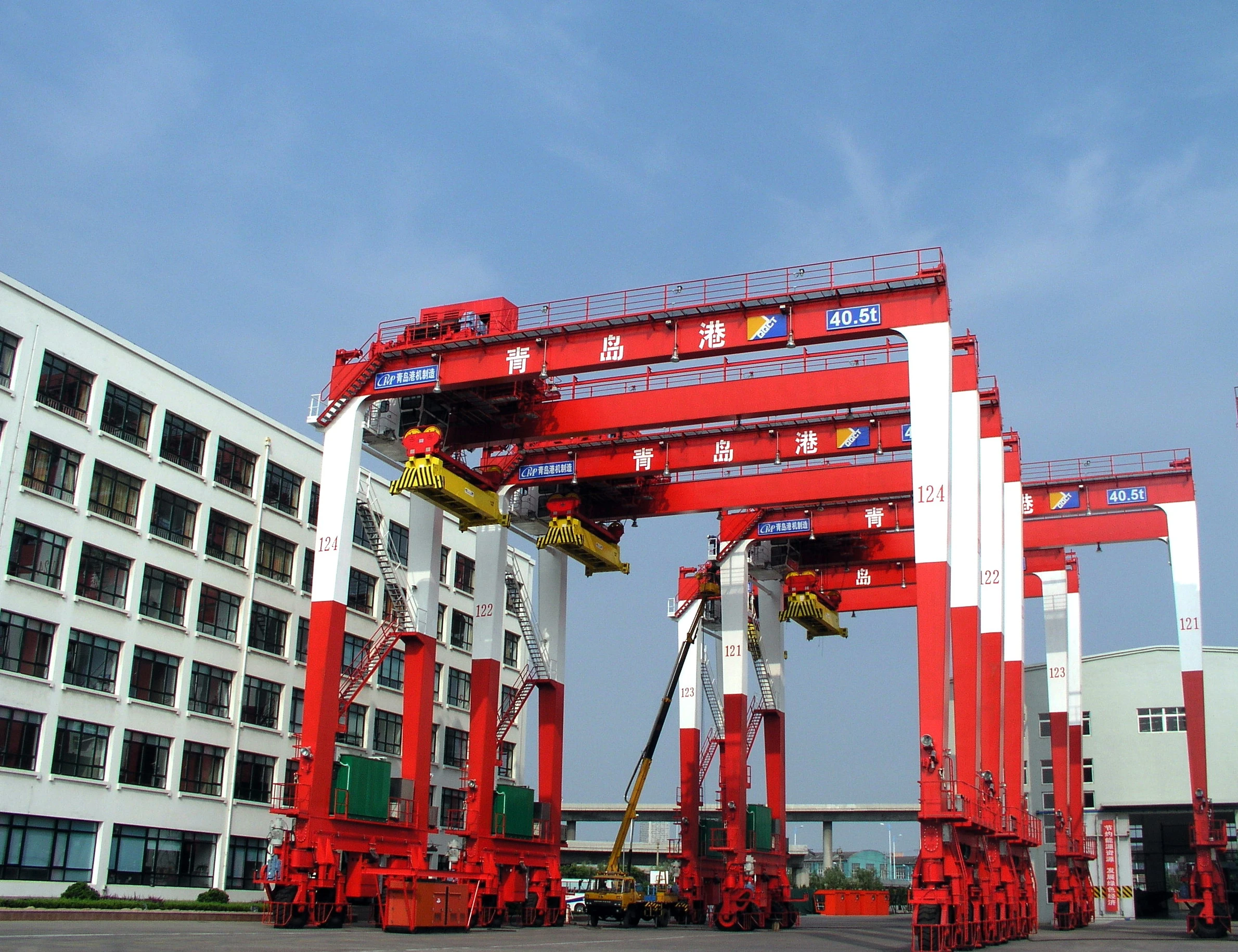
When you use advanced safety systems, you have fewer accidents. Sensors and cameras help you see dangers before they cause problems. Operator interfaces make it easier to notice hazards. Automation and smart decision tools can lower crashes and grounding by up to 25%. Fully automated terminals have less downtime and fewer accidents after adding safety systems. Modern safety systems watch where things are, how fast they move, and check blind spots. This makes your work safer and more dependable. When safety gets better, you also save money because you avoid expensive delays and repairs.
Lower maintenance and repair costs
Proactive maintenance helps your equipment last longer. AI-driven monitoring can tell you about problems weeks or months before they happen. You can plan repairs during scheduled breaks. This way, you cut surprise downtime by up to 40% and make equipment last up to 40% longer. You only fix things when needed, so you do not waste time on extra checks or repairs. The table below shows how predictive maintenance saves money:
|
Evidence Description |
Impact |
|---|---|
|
Reduction in maintenance costs |
Up to 30% |
|
Reduction in unplanned downtime |
Up to 40% |
|
Increase in equipment lifespan |
Up to 40% |
|
Improvement in overall equipment effectiveness (OEE) |
Up to 25% |
You save money and get more work done with proactive maintenance. When equipment lasts longer, you do not need to buy new machines as often and you make less waste.
Real-world scenarios in port crane operations
Blind-spot sensing and proactive maintenance really help in container handling. For example, an AI tracking system found strange trailer moves and stopped cargo theft. During the COVID-19 pandemic, smart labels watched vaccine shipments. This kept them safe and stopped spoilage. These examples show how safety systems protect your things and make results better. You also help the environment and save money. Faster work means cranes do not idle as much, so they use less fuel and make less pollution. Using green designs and low-emission power helps you follow rules and makes equipment last longer.
Tip: Check your maintenance logs and safety alerts often. This helps you find problems early and stop accidents.
When you use container crane blind-spot sensing, safety gets better. You also have less downtime. CEGC is a leader in advanced port machines. Their tools help big projects and make work faster. Here is why CEGC is special:
|
Why Choose CEGC? |
Details |
|---|---|
|
Global projects |
Brings the best technology to ports |
|
Reliable support |
Gives good equipment and new ideas |
|
Automation |
Makes terminals work better |
FAQ
What is the main benefit of visibility enhancement for container cranes?
You can see your work area better. This means fewer blind spots. It helps you stay safe and avoid accidents.
How do alert notifications help reduce downtime?
You get warnings right away about dangers. These alerts help you act fast. You can stop problems before they cause delays.
Why is early detection important for crane safety?
You find problems before they get worse. Early detection lets you fix things quickly. This keeps your equipment working.
How does performance data support a safety improvement tactic?
You look at performance data to watch crane work. This data helps you pick the best way to make your port safer.


