
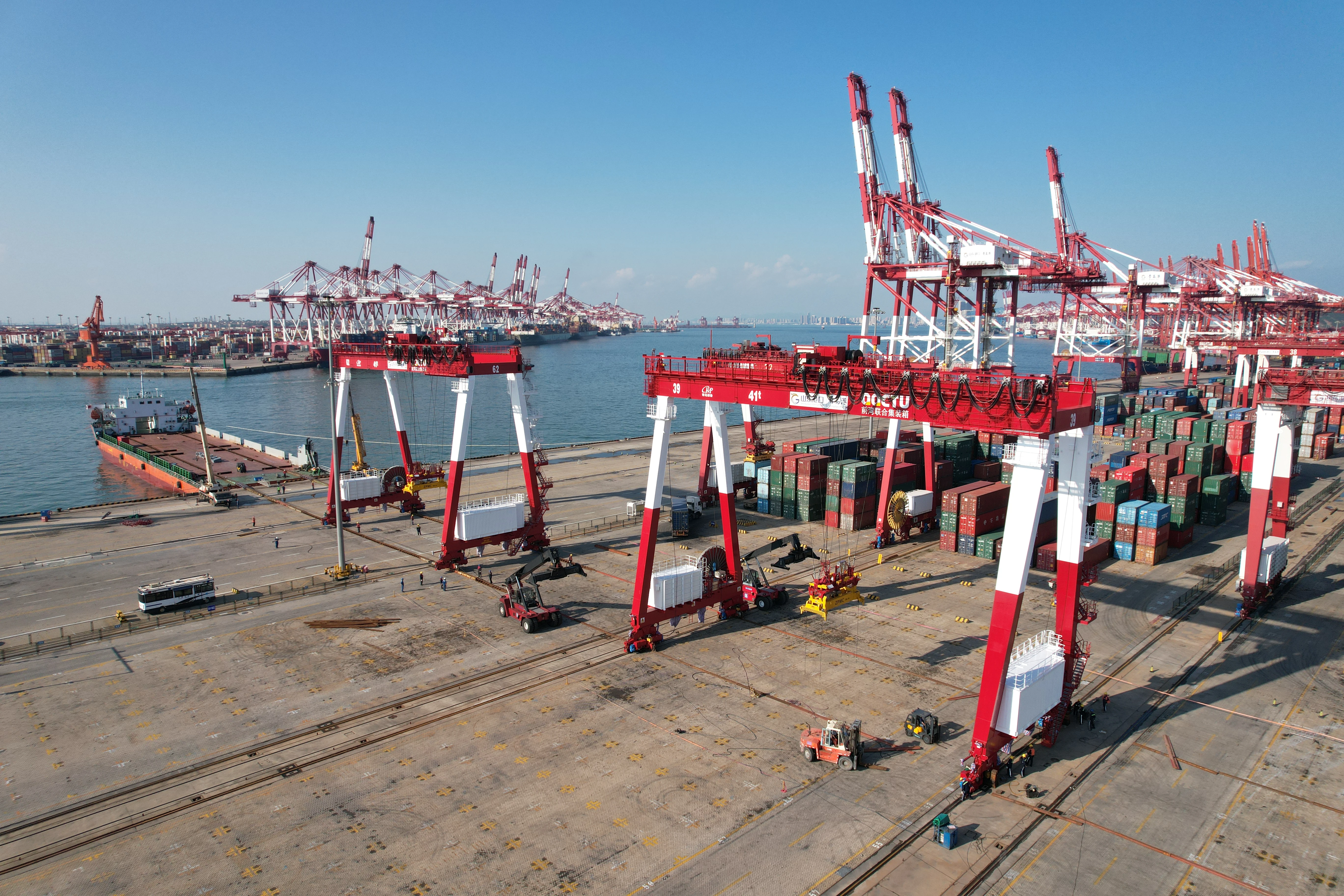
You can cut empty travel and reduce fuel burn in cargo crane: cut empty travel operations by using smart technology and good planning. Fewer empty runs and less fuel use save money and lower energy costs. Many ports now use digital tools and automation to save energy. CEGC provides cargo crane: cut empty travel solutions that help you control energy use at every step.
Key Takeaways
-
Use advanced anti-sway systems to help control loads and keep people safe. This stops energy from being wasted and helps prevent accidents.
-
Use double cycling and plan routes to stop empty trips. This saves time and fuel, so there is less pollution.
-
Use electric cranes to save more energy. Electric cranes make less pollution and cost less to run.
Cargo crane: cut empty travel strategies
Advanced anti-sway and safety systems
You can make cargo crane: cut empty travel better by using advanced anti-sway and safety systems. These systems help you move loads faster and with more control. Anti-sway control keeps the load from swinging. This makes accidents less likely and keeps everyone safer. The crane does not waste energy fixing swinging loads, so you save energy.
-
Anti-sway systems help you move containers quickly and make fewer mistakes.
-
Safety interlocks stop the crane if something is wrong, keeping people and cargo safe.
-
Electronic anti-sway technology helps you pick the best path for each lift, so there is less empty travel and less wasted energy.
-
Real-time teamwork between the crane and the terminal system keeps things working well.
CEGC gives these features for portal crane, container crane, and ship crane models. You can pick options like load sensors, wind sensors, and special safety zones. These upgrades help you use less energy and work in a more energy-efficient way.
Double cycling and route optimization
Double cycling helps you cut empty travel in cargo crane: cut empty travel operations. Double cycling means you carry a load on the way back instead of moving the crane with nothing. This easy change saves both time and energy. Route optimization is also important. If you plan the shortest and best path, you use less fuel and make fewer emissions.
Here is a table that shows how route optimization changes energy and fuel use:
|
Evidence Type |
Description |
|---|---|
|
Fuel Consumption Savings |
Route optimization uses data to find fuel-saving speeds and times, so you save fuel. |
|
Emissions Reduction |
Analytics watch fuel use and idle time, then suggest ways to lower emissions. |
|
Coordinated Scheduling Impact |
Terminals that use coordinated scheduling see real drops in emissions. |
You can use energy monitoring systems to see how much energy your cranes use. These systems help you spot waste and make changes to save energy. CEGC can add smart route planning and energy monitoring systems to your container crane or container handling gantry crane. This helps you meet your energy goals and cut waste in every job.
Electric and energy-efficient cranes
Switching to electric and energy-efficient cranes is a great way to cut empty travel and use less energy. Almost 75% of ports now want government help to buy electric cranes. Electric cranes use less energy and make less pollution than diesel cranes. At the Port of Vancouver, 19 RTG cranes used half the diesel fuel for the whole port. This shows how much energy you can save by using electric or hydrogen-powered cranes.
Here is a table that compares electric cranes and diesel cranes:
|
Feature |
Electric Cranes |
Diesel Cranes |
|---|---|---|
|
Emissions |
No emissions |
High emissions |
|
Energy Efficiency |
More energy efficient |
Less energy efficient |
|
Noise Levels |
30-50 decibels lower |
Loud noise |
|
Operational Costs |
Lower costs |
Higher costs |
|
Flexibility in Work Areas |
Easier to use in tight spaces |
Not as flexible |
You can also add energy-efficient motors and variable frequency drives to your cranes. These upgrades help you use only the energy you need, so you waste less and spend less. Energy monitoring systems show you where you can save even more energy. CEGC offers custom projects for all types of cargo cranes, like reach stacker forklift, ship loader, and offshore platform cranes. You can pick the right hook height, lifting system, and extra features like wireless controls or energy-saving motors. This helps your crane fit your port and helps you reach your energy goals.
Tip: Use energy-efficient cranes and energy monitoring systems together for the best results. You will use less energy, waste less, and have more reliable cargo crane: cut empty travel operations.
Optimizing operations for unloading efficiency
Smart lift planning and load maximization
You can make unloading faster by planning lifts ahead of time. When you plan before the ship comes, your team wastes less time. This helps everyone get ready and work better. Picking the right crane for each job is important. Mobile lifting solutions let one person do a job that needed two people before. This makes work easier and keeps things moving smoothly. Your team does not get as tired, so they can work longer.
Here is a table that shows how smart lift planning helps:
|
Benefit |
Description |
|---|---|
|
Reduced Labor Requirement |
Mobile lifting solutions can turn a two-person lift into a one-person lift, making work easier. |
|
Consistent Work Tempo |
Teams can keep a steady pace for longer, so it is easier to plan how long jobs will take. |
|
Decreased Physical Effort |
The Mobile High-Frequency Lifter makes unloading easier and faster. |
|
Safety Improvement |
It lowers the chance of getting hurt while unloading by hand. |
Always use good load handling. This keeps the crane safe and saves energy. When you fill each lift, you make fewer empty trips. This helps you use less energy and makes every move count.
Predictive maintenance and condition monitoring
You can keep cranes working well with predictive maintenance and condition checks. These tools help you find problems before they stop your work. If you spot trouble early, you avoid delays and vessel waiting. Predictive analytics can notice strange shaking or oil problems. You can fix small issues before they get big. This means fewer emergency repairs and more steady work.
Here is a table that shows what predictive maintenance can do:
|
Benefit Description |
Quantifiable Impact |
|---|---|
|
Cost savings compared to reactive maintenance |
|
|
Reduction in downtime |
35-50% less downtime |
|
Increase in asset lifespan |
20-40% longer equipment life |
|
Potential savings across manufacturing |
$240-$627 billion possible savings |
|
Failure prediction accuracy |
85-95% right 1-4 weeks before problems |
|
Example savings for a port terminal |
$500K-$600K saved with good PdM |
Condition monitoring checks temperature, shaking, and electric parts. This data helps you plan fixes only when needed. You save money and energy this way. Your crane lasts longer and uses less energy because you stop breakdowns. Using predictive maintenance keeps your work steady and energy use low.
Operator training and digital analytics
Training operators helps cut empty trips and makes cranes work better. When operators learn well, they use cranes safely and smartly. Good training helps teams avoid extra moves and wait less. Skilled operators get more done with the same equipment.
Digital analytics give you live data on crane work. IoT sensors show load, boom angle, and wind speed. AI and machine learning use this data to send alerts and give tips. RFID tracks containers so you know where things are. These tools help you fix problems before they get worse. This keeps cranes running and saves energy.
Telematics systems let you watch equipment, fuel use, and how operators work. You can use this info to use cranes better and waste less energy. Predictive analytics help you see when parts might break, so you can fix them early. Modern telematics connect to the cloud for remote checks. AI finds patterns and gives advice. These tools help you build a smart crane team that uses less energy.
Boosting unloading efficiency with CEGC solutions
You can make unloading better by using CEGC solutions at your port. CEGC connects your crane, yard, and terminal systems for smooth work. Real-time monitoring gives fast updates on portal crane jobs. This helps you control load sway and avoid crashes. Predictive maintenance lets you find equipment problems early and fix them fast.
With CEGC, you can match crane and yard work for quicker jobs. Operator-centered HMI gives clear alarms and updates. Remote checks help you solve problems quickly and keep cranes working. CEGC supports safe load handling and energy-saving features. You can pick the right crane size, span, and power type. This helps you reach your energy goals and use less energy.
Key performance indicators help you see how well you are doing. You can track MMBF, MTTR, and crane moves. These numbers show if your unloading plans work. Using CEGC solutions gives you safer, more reliable, and energy-saving crane work.
Tip: Use smart lift planning, predictive maintenance, operator training, and CEGC’s digital tools together. This will help you unload faster and use less energy.
You can use smart technology and good planning to cut empty travel. This helps cranes use less energy. Advanced systems and regular checks help save energy and keep people safe. CEGC’s solutions help you use less energy and spend less money. Cleaner ports are better for your team and the environment. Using less energy gives better results for everyone.
FAQ
What is the best way to reduce fuel burn in cargo crane operations?
You can use electric cranes and plan smartly. These choices help you use less fuel. They also make your work faster and better.
How does predictive maintenance improve cargo crane operations?
Predictive maintenance helps you find problems early. This keeps your cranes working well. You can stop big delays and save money.
Can CEGC customize solutions for different port operations?
Yes. CEGC gives custom choices for crane size, power, and automation. You can pick what fits your port’s needs best.


