
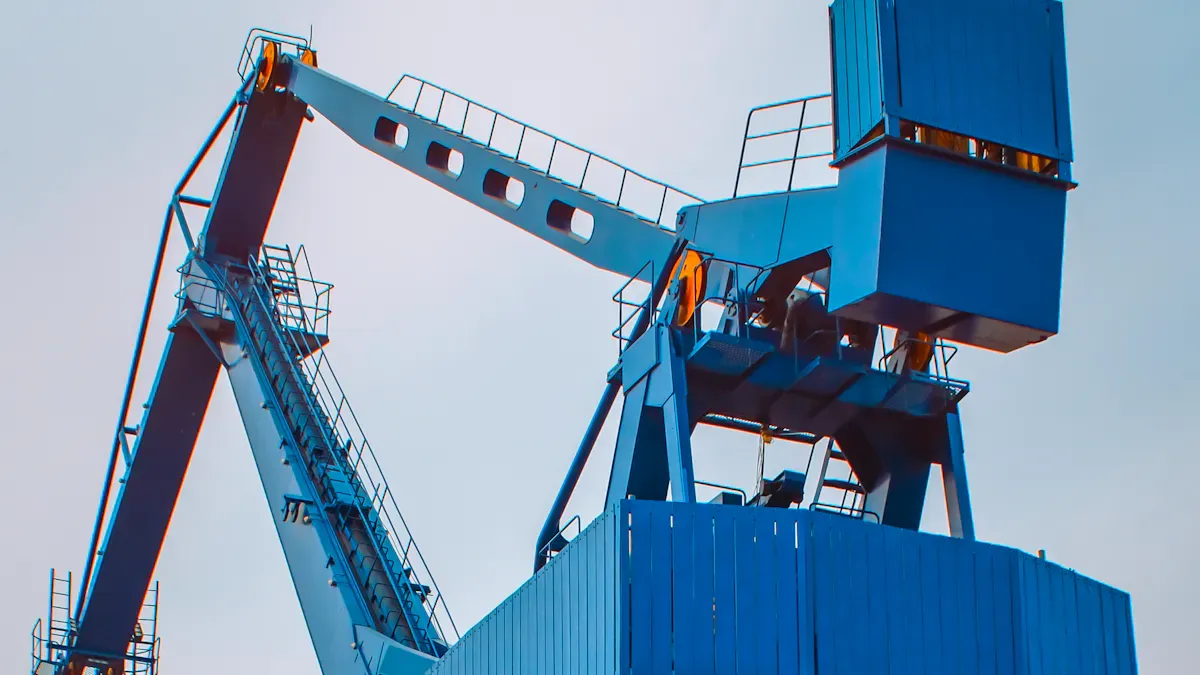
Portal crane dispatch reduces empty gantry movements, providing smart crane assignments instantly. This results in less waiting and improved utilization of machines. With CEGC, moves are continuously planned and optimized, allowing for more operations each hour. You benefit from enhanced yard crane work, reduced costs for each TEU, and smoother overall operations.
Key Takeaways
-
Portal crane dispatch helps pick the best crane for each job. This cuts down on empty crane trips and boosts how much work gets done. More containers can be moved every hour.
-
Real-time task assignment gives cranes new jobs right away. This means cranes are not waiting around. It also helps plan work better. Your terminal can run smoother and faster.
-
Using portal crane dispatch can save energy and lower repair costs. Cranes move less when they carry loads. This makes your work more steady and saves money.
What is portal crane dispatch?
Role in container terminals
Portal crane dispatch helps you manage cranes in container terminals. The system uses smart technology to share work between cranes and conveyors. You get quick decisions that help your work go smoothly. CEGC gives you good performance and lets you pick things like how much it can carry, how wide it is, and how much is automated. This way, you can fit the system to your terminal and handle different cargo or ship schedules. Portal crane dispatch cuts down on waiting and stops cranes from moving when they do not need to, so your terminal stays busy.
Movement optimization and yard crane productivity
When you make crane movements better, yard crane productivity goes up.
-
You cut down on cranes sitting still and moving for no reason, so more containers move each hour.
-
When cranes work together well, fewer cranes are left waiting, and you do not need extra moves.
-
Research shows that planning and sending out cranes the right way can make moves per hour go up by as much as 20%.
-
You get more work done with your yard cranes, which makes everything run better and costs less.
Tip: If you focus on making crane movements better, you use your machines and workers well. This helps you reach your goals faster.
How portal crane dispatch reduces empty gantry movements
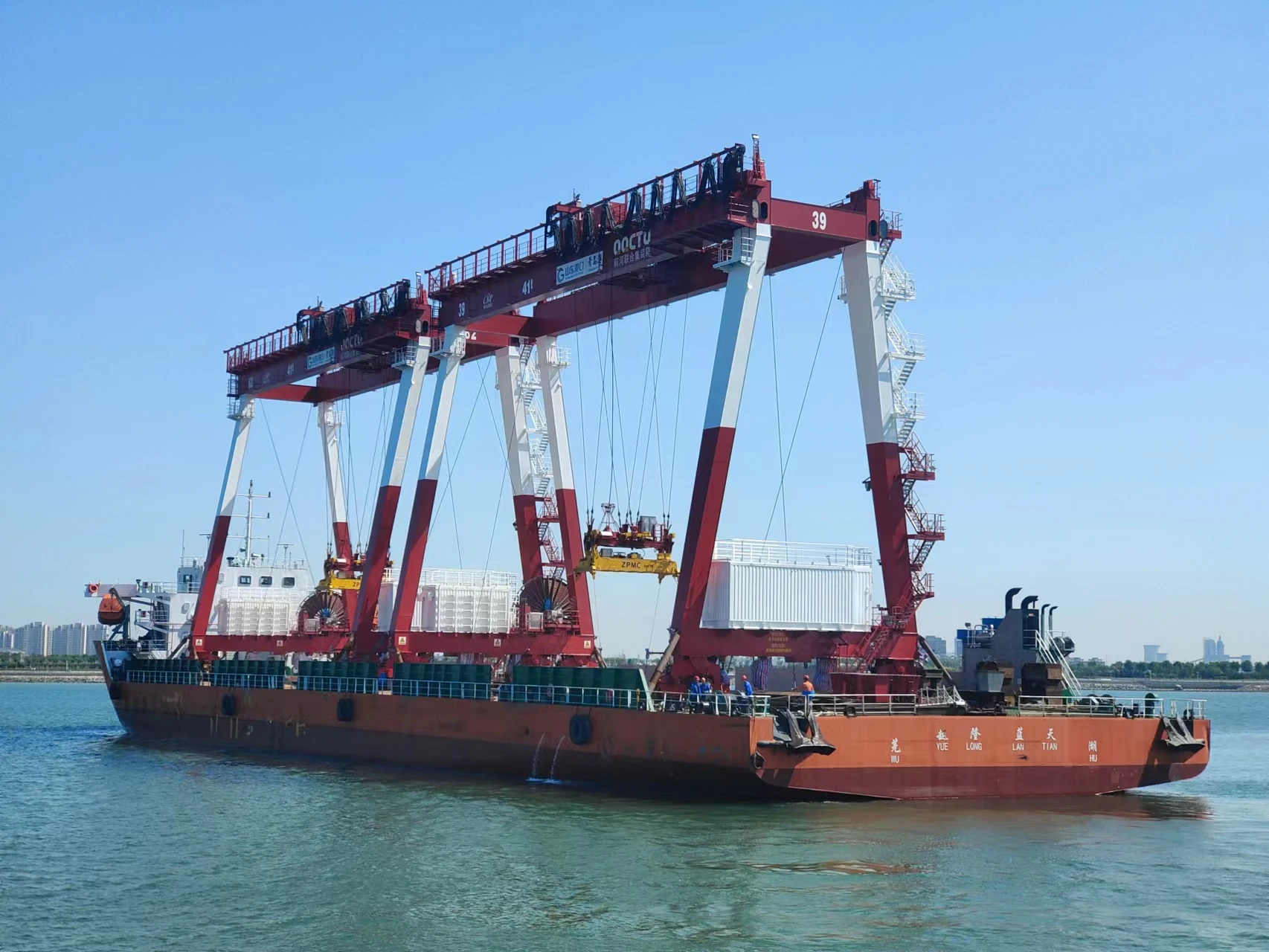
Real-time task assignment and empty gantry time
You can make empty gantry time shorter by using real-time task assignment. Portal crane dispatch helps by always giving each crane a job to do. The system looks at the yard and picks the next best task. It sends this job to the right crane. This means cranes do not sit still or move around with nothing to carry. You see less wasted movement and more containers moved every hour.
Here is how real-time task assignment works:
|
Task Priority |
Description |
Crane Location |
Reason for Execution |
|---|---|---|---|
|
P1 |
Clear runout table |
Bay 2 East |
Mill blocked — $340/min production loss until table cleared |
|
P2 |
Stage 12 coils at Bay 1 |
Bay 3 West |
Customer delivery deadline — late shipment penalty clause |
|
P3 |
Move 4 coils from cooling yard to inspection |
Bay 2 West |
Quality hold — inspection required before customer release |
|
P4 |
Reorganize Section C |
Bay 3 East |
Yard optimization — reduce future crane moves for next 3 shipments |
|
P5 |
Return empty coil saddles to HSM exit area |
Any available |
Housekeeping — saddle shortage will delay next campaign |
You get a clear list of jobs, so cranes always have a reason to move. This way, empty gantry time goes down and scheduling gets better. Portal crane dispatch makes sure every crane move is important.
Intelligent scheduling and coordination
You get help from smart scheduling that keeps cranes and other machines working together. Portal crane dispatch uses advanced scheduling to cut down on empty gantry movements. The system uses special rules to pick which crane does each job and when. This means cranes do not cross paths or wait for each other.
Here are some main scheduling algorithms used:
|
Algorithm Type |
Description |
|---|---|
|
Automated Allocation |
Routes tasks to the closest available gantry and sequences moves to minimize shifter movements. |
|
Dynamic Scheduling Algorithms |
Use prioritization rules, cost functions, and optimization algorithms for job assignment. |
|
Linear Programming |
Makes batch decisions in scheduling. |
|
Metaheuristics |
Applies continuous control in scheduling tasks. |
|
Reinforcement Learning |
Optimizes scheduling by learning from past decisions. |
|
Discrete Event Simulation |
Evaluates algorithms under realistic demand profiles. |
|
Agent-Based Simulation |
Compares strategies and measures impacts on idle time and demurrage. |
With these tools, you get scheduling that keeps your yard running smoothly. Portal crane dispatch makes sure cranes, container handlers, and reach stackers work together. This level of scheduling makes your terminal work better and keeps things moving.
You also get technical tools that help with safety and speed. Anti-sway systems keep loads steady, so accidents are less likely and moves are faster. Motion coordination lets cranes move quickly and safely. For example:
-
Variable frequency drives help cranes start and stop without sudden jerks.
-
Coordinated motion control changes speed based on load and where the crane is.
-
Closed-loop anti-sway control uses sensors to keep loads steady, which saves time and helps with scheduling.
Portal crane dispatch cuts down empty gantry movements by using these technical features and real-time planning.
Integration with yard operations
You get even better results when portal crane dispatch works with your yard management system. Portal crane dispatch shares real-time data with other machines, like reach stackers and container handlers. The system tells each operator what to do next, so everyone works together.
For example, a crane operator might get a message to pick up a container and put it in a certain spot. At the same time, the reach stacker driver knows where to go next. This real-time talk means less waiting and fewer empty moves. You see better scheduling and rtg optimization across your terminal.
By using portal crane dispatch, you make empty gantry time shorter, improve scheduling, and keep your yard working well. Portal crane dispatch cuts down empty gantry movements, so you move more containers with less work and cost.
Benefits and impact measurement
Operational efficiency and yard crane productivity
When you use portal crane dispatch, your work gets easier. The system helps you move containers faster and with fewer errors. Cranes do not waste time moving with nothing to carry. This means you can move more containers each hour. Your yard cranes get more done with the same machines. Ships do not have to wait as long, so your customers are happier. When you work better, you spend less money and people trust your terminal more.
Energy savings and maintenance reduction
You save energy every day because cranes do not move empty as much. Cranes use less power when they only move with loads. This means your energy bills go down. Machines last longer because they do not make extra trips. You do not have to fix them as often or buy new parts. Your work becomes more reliable. CEGC gives you tools to help check your machines and keep them working well. You get help to make sure your equipment stays in good shape.
Metrics for empty gantry time
You can see how portal crane dispatch helps by looking at numbers. Empty travel can be 30–40% of the time for automated stacking cranes. If you cut this down, you move more containers and ships leave faster. When you plan better, cranes do not move empty as much, so your terminal is less crowded. Working with AGVs can lower empty trips by about 20%. Here is a summary:
|
Metric |
Impact on Empty Gantry Time |
|---|---|
|
Empty travel is 30–40% of ASC time |
Cutting this helps you move containers faster and get ships out sooner |
|
Better scheduling means less empty movement |
Ships stay for less time and your port is less crowded |
|
Working with AGVs cuts empty trips by 20% |
You move more containers and cranes do not travel for no reason |
You can watch these numbers to see how much better things get. CEGC lets you change things to fit your needs and helps you reach your goals.
When you use portal crane dispatch, your yard works better and is safer. CEGC lets you change things to fit your project. Look at these important points:
|
Consideration |
Description |
|---|---|
|
Load Capacity Requirements |
Make sure the crane can lift your cargo. |
|
Span and Height Specifications |
Set how far and high the crane must reach. |
|
Environmental Considerations |
Think about weather and ground at your yard. |
|
Structural Modifications |
Make the crane stronger for heavy or hard jobs. |
|
Control Systems |
Choose manual, electric, or automatic controls. |
|
Material Choices |
Pick materials that are strong and last long. |
|
Protective Coatings |
Stop rust and damage from being outside. |
CEGC also helps you follow the rules for your industry.
-
You follow safety rules for ships and trains.
-
You work safely with all teams.
-
You meet security and rule requirements.
First, check what your yard needs and talk to CEGC to find the best choice for your terminal.
FAQ
How does portal crane dispatch improve container handling rates?
You move more containers because planning cuts empty trips. Cranes get jobs faster, so your port works better each hour.
What makes scheduling important for reducing empty gantry movements?
Scheduling gives cranes jobs right away. Good planning keeps cranes from moving with nothing to carry. Your port has less waiting and more useful work.
Can portal crane dispatch help with port safety?
You get safer work because planning lowers empty moves. Cranes follow simple steps. This helps keep workers safe and lowers risks.


