
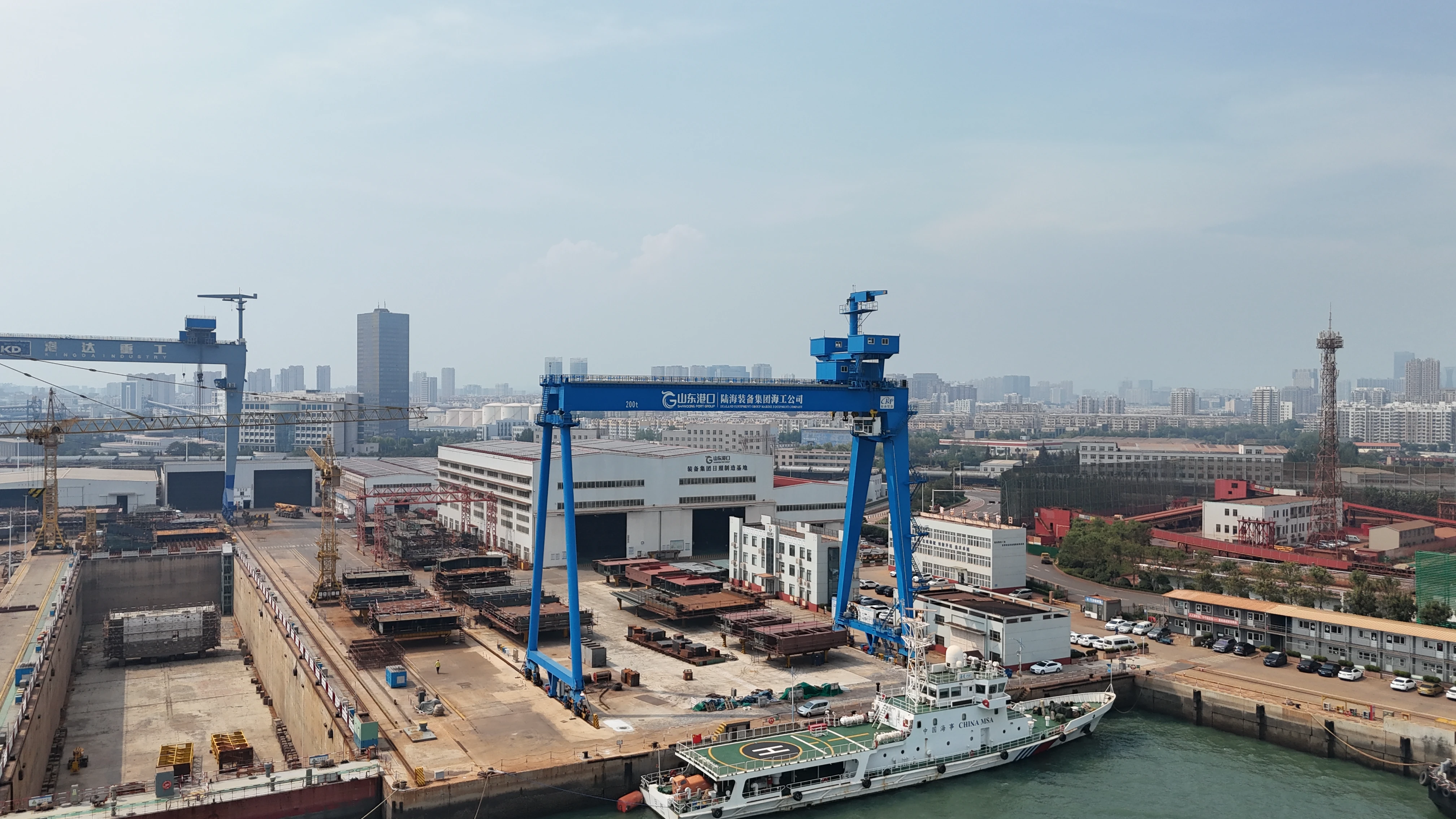
Effective container crane planning reduces unproductive trolley travel, helping cranes move less without working. This enhances terminal efficiency, resulting in fewer delays in moving cargo and containers. This improvement occurs when resources are ready and work is well coordinated. CEGC provides advanced solutions for your port operations. The table below lists important factors that affect crane movements and idle time:
|
Factor |
Impact on Crane Operations |
|---|---|
|
Resource Availability |
If AGVs and straddle carriers are not ready, cranes wait longer. |
|
Synchronization of Operations |
Good teamwork between quay cranes and ASCs is very important. If there are delays, cranes are not used as much. |
|
Planned Maintenance Windows |
Maintenance should be planned to cause less trouble, especially when the port is busy. |
|
Weather and External Factors |
Bad weather can stop cranes from working, which adds downtime. |
|
Idle Time |
Idle time means cranes wait because AGVs and ASCs are not ready. This lowers how well cranes work. |
Key Takeaways
-
Good container crane planning stops extra trolley moves. This makes the terminal work better and helps cargo move faster.
-
Smart schedules and live data let cranes work only when needed. This lowers waiting time and makes work faster.
-
Good teamwork between cranes and other terminal machines keeps things running well. This cuts delays and makes everything work better.
What is unproductive trolley travel?
Unproductive trolley travel is when a container crane moves its trolley but does not handle cargo. This happens when the crane goes across the terminal without picking up or putting down a container. These movements waste both energy and time. They do not help with moving cargo or make cargo flow better. Every crane movement should help with handling tasks and make the terminal work better.
Impact on terminal efficiency
Unproductive trolley travel makes cargo handling slower. When cranes move but do not handle cargo, time is lost. This makes the terminal less efficient and costs go up. You might have to wait longer for containers to load or unload. The process of moving cargo does not work as well. Idle crane movements can slow down ships and make handling at the terminal slower.
Tip: If you cut down on unproductive trolley travel, you can move cargo faster and keep container handling on track.
Why container crane planning matters
Container crane planning helps stop unproductive trolley travel by making sure cranes only move when they need to handle cargo. You match crane schedules with other machines, like container handlers and cargo cranes. This planning keeps container moves smooth and helps with cargo flow. Good planning means less idle time and more work done. When you plan well, all parts of the terminal work together, so every crane move helps with cargo handling. You get fewer wasted trips and the terminal works better.
How container crane planning reduces unproductive trolley travel
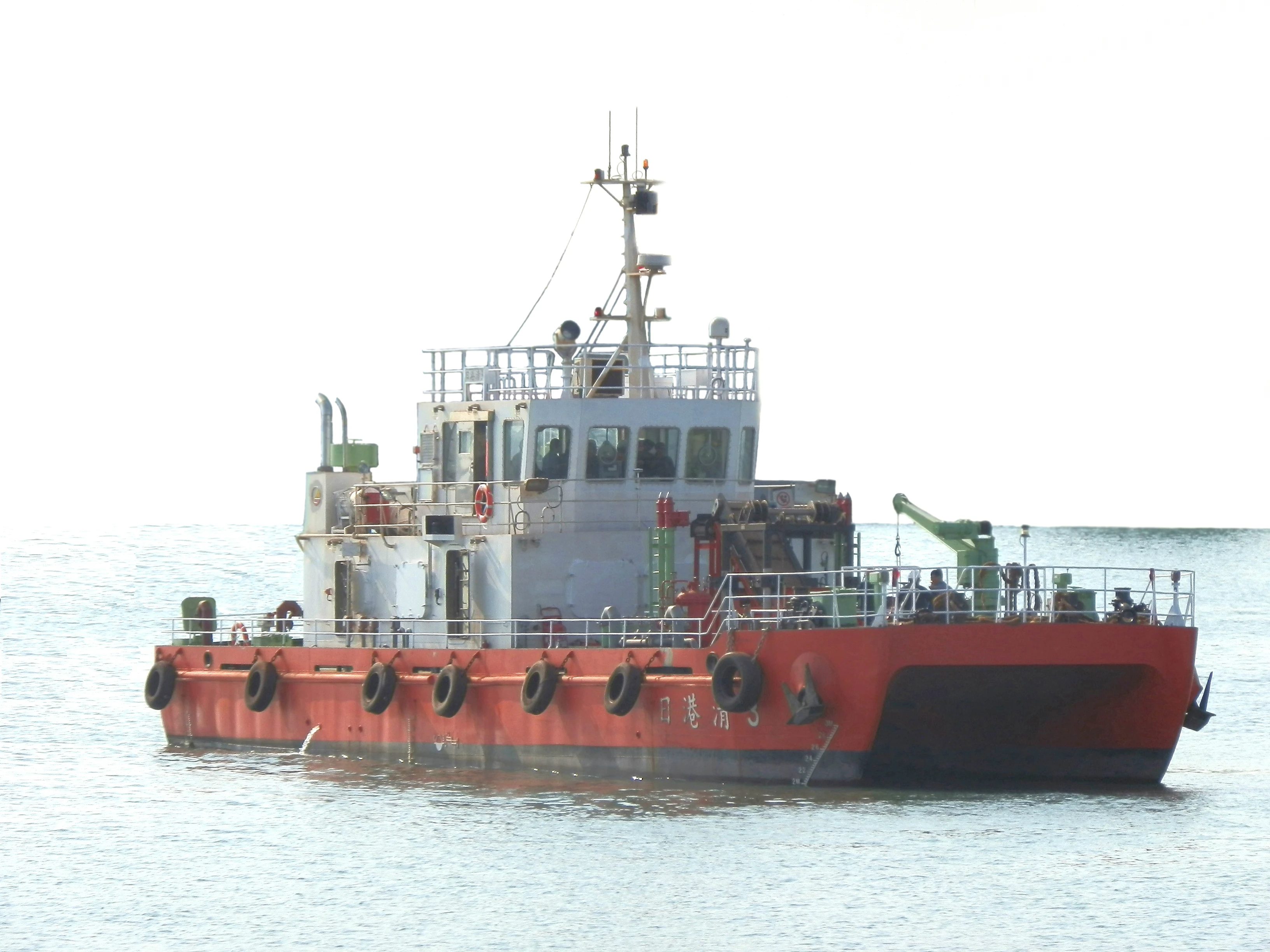
Intelligent scheduling for container cranes
Smart scheduling helps container cranes work better. It tells cranes when and where to move. This stops wasted trips and keeps moves useful. Planning crane movements makes sure each crane handles cargo at the right time. This boosts crane productivity and keeps cargo moving smoothly.
Many studies show scheduling is important. The table below shows how experts focus on different parts of crane planning to cut wasted moves:
|
Study |
Focus |
Contribution |
|---|---|---|
|
Sumin et al. (2022) |
Planning of automated stacking cranes |
Uses scheduling to make operations more efficient. |
|
Mei et al. (2017) |
Yard crane scheduling |
Uses a math model to save energy. |
|
Eilken (2019) |
Relocation problem |
Plans storage, retrieval, and moving jobs better. |
|
Wengian et al. (2021) |
Yard crane scheduling with uncertainty |
Uses a model to cut waiting time and makespan. |
|
Kap and Sanghyuk (2021) |
Reducing relocation delays |
Uses an algorithm to cut delays and extra moves. |
These strategies help cranes move only when needed. Matching crane work with cargo needs cuts idle time. This keeps cargo moving and avoids bottlenecks. It also keeps quay crane productivity high.
Real-time data and automation
Real-time data and automation help you make quick choices. Live updates show where each crane and container is. Automated systems track equipment and tell you where to send cranes next. This lowers the chance of cranes waiting or moving without cargo.
Here is how real-time data and automation help your work:
|
Evidence Description |
Key Benefit |
|---|---|
|
AI models spot strange patterns and start maintenance. |
Stops breakdowns and keeps equipment ready. |
|
Optimization models place equipment well with limits. |
|
|
Mixed methods handle work now and plan better moves. |
Cuts conflicts and speeds up crane work. |
|
Real-time data gives live updates for equipment. |
Helps schedule ahead and cuts idle time. |
|
Real-time tracking matches cranes and yard machines. |
Stops long idle runs and makes transfers smooth. |
CEGC’s cranes and handlers support these smart systems. These machines use sensors and anti-sway control to keep loads steady. Safety locks and alarms help avoid accidents and keep teams safe. With predictive maintenance and energy-saving features, you keep equipment reliable and cut downtime.
Coordination with terminal operations
Strong coordination with terminal operations is needed. When you match equipment dispatching, cranes and other machines work together. Each container is ready when the crane arrives. You avoid delays from moves out of order and keep cargo moving.
Good dispatching matches vehicle arrivals with crane work. This cuts idle time and stops delays. You get smoother ship operations and better terminal efficiency. CEGC’s equipment, like gantry cranes, reach stackers, and ship cranes, supports this teamwork. These machines use motion coordination and workflow integration to connect your operation.
Tip: Use CEGC’s dispatching solutions to keep cargo and containers moving on time. This cuts wasted trolley travel and boosts handling performance.
Container crane planning cuts wasted trolley travel by using smart scheduling, real-time data, and strong teamwork. With the right equipment and strategies, every container move is useful and cargo flow stays efficient.
Operational and financial benefits for terminal efficiency
Productivity gains and cost reduction
Smart container crane planning helps terminals work better. It makes cargo and containers move faster. This means ships load and unload more quickly. The table below shows how good planning helps save money and move more containers:
|
Metric |
Value/Description |
|---|---|
|
Port of Melbourne: 22.6 gmph; Peer Average: 32.9 gmph; Up to 40% improvement potential |
|
|
Vessel Turnaround Times |
Reduced with faster cargo handling and optimized container moves |
|
Terminal Efficiency |
Improved by managing cargo flow and reducing idle time |
|
Throughput |
Increased by handling multiple containers at once |
-
A review at the Port of Melbourne found better crane planning helps cranes work faster and cuts ship waiting time by 9.4 hours.
-
When jobs are planned well, equipment use goes from 65% to over 85%.
-
Good planning also cuts delays by at least 10% in new container terminals.
Le-Griffin said, “The number and movement rate of quayside container cranes are critical factors influencing terminal productivity.”
Safety, reliability, and lifecycle value
Matching cranes to vessel size and using predictive maintenance makes work safer and more reliable. Real-time checks and good planning help find problems early and stop breakdowns. CEGC lets you pick special features for your equipment, like energy-saving parts, automation, and strong coatings for tough jobs. Buying strong cranes and handlers helps them last longer and gives you better value.
-
Automation can cut labor costs by up to 50% and makes schedules more reliable.
-
Remote operation lets one person control many cranes, which helps move containers and run the yard better.
-
Cranes that stack high and work fast help use yard space well and speed up work.
Keeping everything managed and connected to terminal systems keeps work smooth and stops slowdowns. You keep getting better results by updating reports and making systems work their best.
You make the terminal work better by planning crane moves. This cuts wasted trolley travel and keeps cargo moving.
-
Modern cranes can move up to 40 containers each hour. They help move containers quickly across the terminal.
-
Good management and automation help you move cargo and containers with fewer delays.
-
Smart systems make moving containers faster and help handle cargo quickly.
Pick CEGC for smart solutions that keep your terminal ready for what comes next.
FAQ
How does container crane planning help reduce energy costs?
You use less energy when you plan crane moves. Cranes do not travel as much without cargo. Smart scheduling and automation stop wasted trips.
What features make CEGC cranes safer for your terminal?
-
Anti-sway control helps keep loads steady.
-
Safety interlocks stop accidents from happening.
-
Operator alarms warn you about possible risks.
Can you customize CEGC equipment for your port?
|
Option |
Description |
|---|---|
|
Capacity |
Pick the lifting power you need |
|
Automation Level |
Choose manual or automated |
|
Anti-corrosion |
Get marine-grade coatings |


