
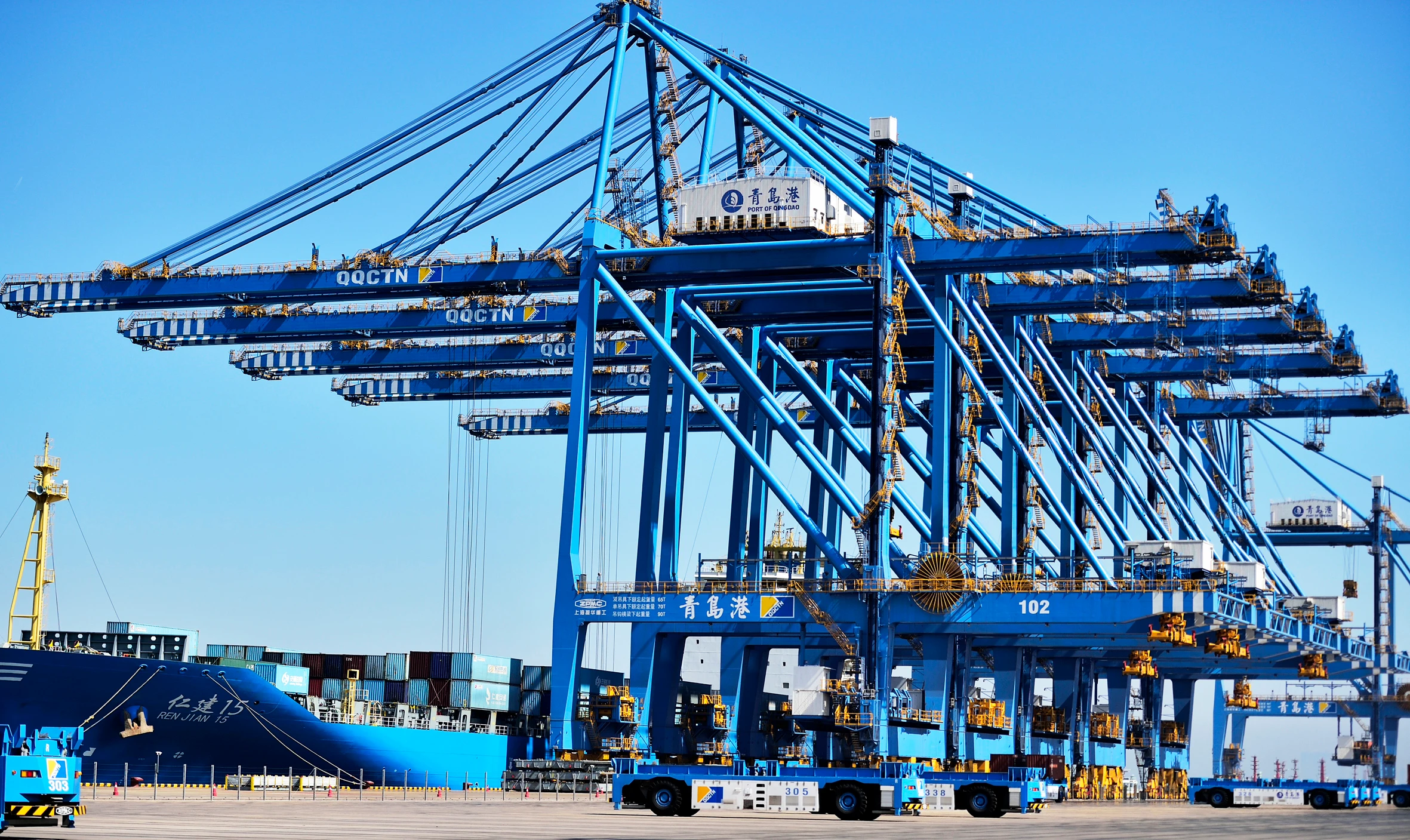
Reach Stacker: pick success starts with calibration. When you set up your equipment the right way, you enhance operational speed and increase container movement. Additionally, you reduce fuel consumption and minimize the risk of accidents. CEGC provides ports with machines that meet industry standards and offer project-based customization. This ensures that you handle containers in a manner that is safe, reliable, and efficient.
Key Takeaways
-
Calibrate your reach stacker before every shift. This helps make work safer and more efficient. Doing this lowers mistakes and keeps things running well.
-
Use important sensors like the TE Speed Sensor and angle sensors. These help you handle loads more accurately. Setting up sensors the right way lowers risks and helps you get more done.
-
Do regular maintenance and checks to keep your equipment working longer. This saves energy and stops expensive repairs from happening.
Reach Stacker: pick success starts with calibration
Calibration basics for reach stackers
When you calibrate your reach stacker, you make container handling better. Calibration helps every movement follow what the operator wants. You set up the joystick, boom reel, and angle sensors for exact control. CEGC builds port machines to meet performance standards. You can change your equipment for capacity, span, duty cycle, and automation level. Reach Stacker: pick success starts with calibration because good calibration lowers mistakes and increases productivity. You stop delays and keep your container handler working well.
Tip: Always check calibration before your shift begins. This habit helps you avoid misalignment and mechanical problems.
Role of sensors and parameter settings
Sensors are important in calibration. You use the TE Speed Sensor to check how fast things turn. This sensor helps the Electronic Control Unit make gear shifts better and save fuel. Angle sensors watch the boom’s position and help with safe lifting. Reach Stacker: pick success starts with calibration when you set each sensor’s parameters right. Good speed detection stops downtime and keeps your ship crane safe. CEGC lets you customize sensor sets, anti-collision zones, and safety backups. You can adjust your container handler to fit your terminal’s needs.
-
Critical sensors for calibration include:
-
TE Speed Sensor for rotational speed
-
Joystick position sensors for operator input
-
Boom angle sensors for load alignment
-
Reach Stacker: pick success starts with calibration. You get accurate pick precision and keep operations efficient with the right sensor setup.
Calibration impact on pick success
Alignment and load handling accuracy
You must line up containers the right way to work safely. Calibration helps match the boom and spreader to each container. When you set sensors and parameters right, you avoid mistakes. This means fewer dropped loads and less damage. Reach Stacker: pick success starts with calibration because it gives steady results. CEGC lets you pick sensor sets for your port machines. You can choose load sensors, angle sensors, or wind sensors for your needs. Good calibration makes load handling more accurate and keeps your machine working well.
Note: When calibration is correct, your work goes smoother and faster. You move containers quickly and make fewer costly errors.
Safety and anti-sway control systems
Safety is very important when moving containers. Loads can swing and cause accidents or slow work down. Wind and sudden stops can make things worse. Anti-sway control systems help keep loads steady. These systems use motion plans and brakes to stop swaying. You protect workers and machines from crashes. CEGC gives you safety locks, overload protection, and collision prevention. You can set up anti-collision zones and extra safety for your reach stacker.
Here is a comparison of standard RTG cranes and RTG cranes with anti-sway control:
|
Factor |
Standard RTG |
RTG with Anti‑Sway |
|---|---|---|
|
Fuel Efficiency |
Standard |
Improved |
|
Operator Stress |
Higher |
Lower |
|
Maintenance Costs |
Higher |
Potentially lower |
|
Throughput Efficiency |
Standard |
Higher |
|
Safety Performance |
Standard |
Improved |
-
Better safety means fewer accidents and lower costs.
-
Less stress for operators helps them work better and not get tired.
-
Using less fuel saves money.
-
Lower maintenance costs mean less downtime and fewer repairs.
-
Moving more containers makes your operation stronger.
Reach Stacker: pick success starts with calibration. You get safer lifts and better container moves with anti-sway control and safety locks.
Common calibration errors and operational risks
Calibration mistakes can cause problems at work. If you set sensors wrong, loads may swing or not line up. This can lead to crashes. Different operator skills can change safety results. Slow cycle times make ships wait longer and cost more. You need good motion plans and smooth workflows to stop these issues. CEGC helps connect with terminal workflows and gives guided help. You can set alarms and pick what to watch on your machine.
Tip: Check calibration often and train operators well to avoid mistakes. This keeps your reach stacker forklift safe and working right.
Reach Stacker: pick success starts with calibration. You lower risks and work better by using good calibration and the right tools.
Maintaining calibration for long-term performance
Best practices and recommended intervals
You keep your reach stacker working well by following a set schedule. Regular calibration and service stop big repairs and help your equipment run smoothly. Check calibration points before each shift. Follow the manufacturer’s advice for deeper checks. Think about how often you use your machine, where you use it, and how old it is when making your plan. CEGC gives you detailed maintenance plans and real spare-part kits. You always have the right parts ready. This helps you work faster and makes your container handler last longer.
Tip: Use a checklist for daily, weekly, and monthly calibration jobs. This habit helps you remember every important step.
Predictive maintenance and energy efficiency
You can keep your machine running and save energy with predictive maintenance. This method uses sensors and smart tools to watch your reach stacker’s health. You find early signs of problems and fix them before your machine stops working. Predictive maintenance uses real-time data instead of fixed schedules. You get reports that show issues early and help you plan repairs.
|
Aspect |
Description |
|---|---|
|
Energy Efficiency |
Predictive maintenance uses IoT and AI to help save energy. |
|
Reduced Downtime |
Early checks and planning keep your machines working longer. |
|
Operational Efficiency |
Fixing problems early means fewer big repairs and smoother work. |
You can use vibration sensors, temperature monitors, and machine learning models to check performance. CEGC gives you options for condition monitoring that fit your port.
Marine durability and lifecycle protection
Ports are tough places with salt, humidity, and heavy use. You need strong anti-corrosion coatings and designs that resist wear to protect your reach stacker. CEGC builds machines with these features for long-lasting use. Modular parts and easy access make repairs quicker and easier. You can count on CEGC’s global spare-part network for fast replacements. This keeps your operation running well. Regular calibration and good maintenance stop expensive breakdowns and help you get the most from your equipment.
You get steady pick success by calibrating and taking care of your reach stacker. CEGC helps you work safer and faster with smart machines and special solutions. Look at how CEGC’s choices make your terminal better:
|
Feature |
Benefit |
|---|---|
|
Quicker work and safer moves |
|
|
Customization and anti-sway |
More accuracy and fewer accidents |
FAQ
How often should you calibrate your reach stacker?
Check calibration every time before you start work. For bigger checks, follow what the manufacturer says. Doing this often keeps your machine safe and working well.
What sensors need regular calibration on a reach stacker?
You must check joystick position sensors, boom angle sensors, and speed sensors. These sensors help you pick containers right and keep things safe.
Can you customize calibration settings for different port environments?
Yes. CEGC lets you change sensor sets, safety zones, and anti-sway controls. You can set calibration to fit what your port needs.


