
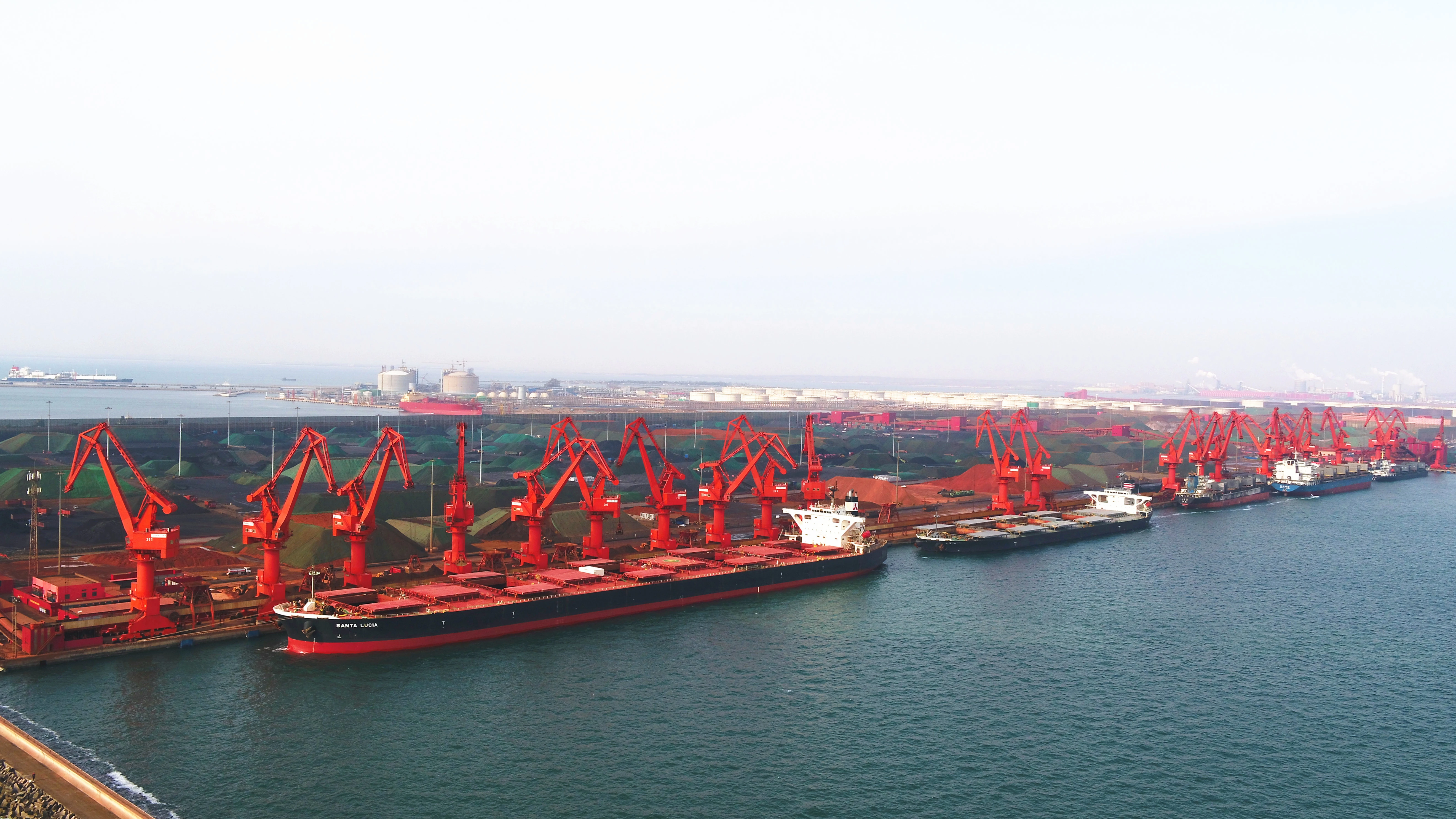
Vessel downtime can hurt your profits. You may pay for repairs, lose money, and face cleanup costs:
|
Cost Type |
Description |
Example Cost |
|---|---|---|
|
Repair Costs |
Fixing broken parts or equipment |
|
|
Business Interruption Losses |
Money lost when work stops |
Substantial losses |
|
Environmental Cleanup Costs |
Cleaning up oil or chemical spills |
Extra expenses |
Advanced ship loading systems: limit logic that saves downtime, effectively cut downtime and help you avoid these problems. Many places in Asia-Pacific and Europe utilize these systems, with automation rates reaching as high as 65%. CEGC provides you with safe and fast ways to handle containers.
Key Takeaways
-
Limit logic in ship loading systems makes safe rules for cranes. It stops overloads and accidents. This keeps people safe and cuts down on downtime.
-
Predictive maintenance uses IoT sensors to check equipment health. It helps workers fix things on time. This saves money and helps machines last longer.
-
Automation in port operations helps work get done faster. It lowers mistakes made by people and moves cargo quickly. This means ships leave sooner and costs go down.
Limit logic in ship loading systems
Definition and role in port machinery
Ports need systems that work well. Limit logic is important in ship loading systems: limit logic that saves downtime. This technology sets safe limits for cranes and loads. It also sets boundaries for where cranes can move. You see limit logic in CEGC’s portal crane and container crane. It is also in other container handling equipment. Limit logic stops overloads and unsafe lifting. It helps prevent accidents and collisions.
Limit logic uses sensors and controllers. These tools check load, wind, and position all the time. If there is a risk, the system slows or stops the crane. This means fewer accidents and less downtime. Ship owners trust these systems to keep cargo and crews safe.
Ports must follow strict safety rules. The International Maritime Organization (IMO) makes rules for safe and green shipping. Here is how ship loading systems: limit logic that saves downtime help you follow these rules:
|
Standard |
Purpose |
|---|---|
|
MARPOL |
Stops pollution by controlling what gets released. |
|
COLREG |
Sets rules to avoid ship collisions. |
|
LOADLINE |
Makes sure ships are not overloaded. |
|
ISPS |
Adds security to protect against threats. |
|
ISM |
Requires safety systems to stop accidents. |
|
STCW |
Sets training rules for seafarers to keep them safe. |
Integration with anti-sway and safety controls
You want to move containers fast and safely. Limit logic works with anti-sway controls to keep loads steady. This is helpful in windy or busy ports. The system uses predictive maintenance to find problems early. You get alarms and clear instructions on your screen. This helps new staff learn quickly and keeps everyone safe.
CEGC’s ship loading systems: limit logic that saves downtime meet market standards. You can change sensor sets, safety zones, and automation levels for your needs. Predictive maintenance lets you check equipment health and plan repairs. Ship owners get fewer delays and lower costs. Predictive maintenance keeps your port running well and safe.
Reducing unplanned downtime with advanced systems
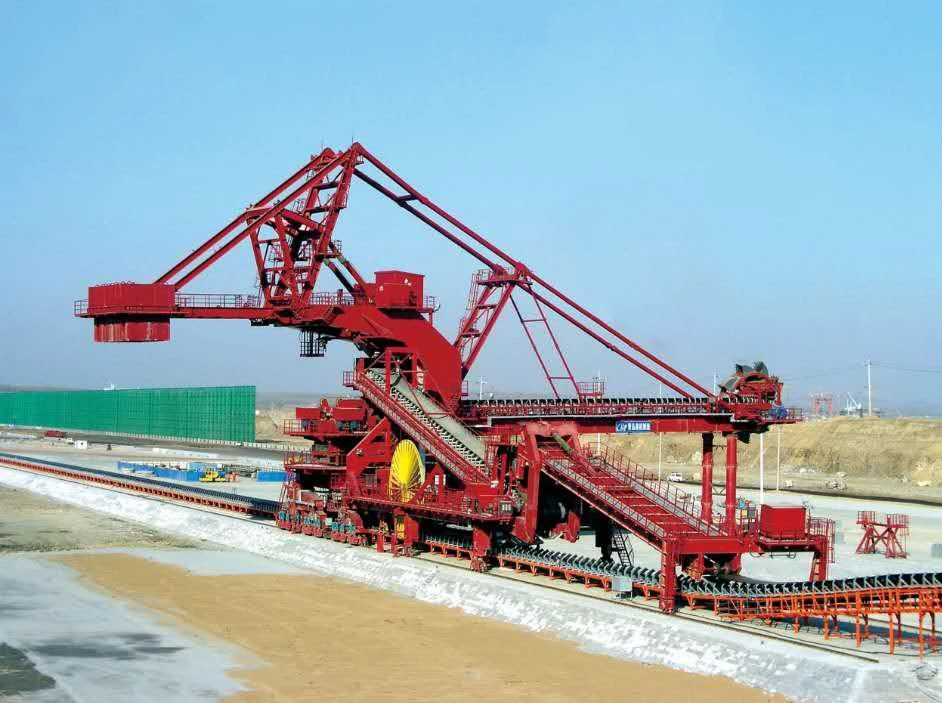
Unplanned downtime can stop your port from working well. You lose time and may miss ship schedules. Advanced ship loading systems: limit logic that saves downtime help you avoid these problems. You get more time to move ships and cargo.
Preventing overloads and collisions
You must stop overloads and crashes to keep your port safe. Limit logic, anti-sway controls, and safety interlocks work together. They help lower unplanned downtime. CEGC’s portal crane, container crane, and other equipment use many safety interlocks. These systems check load, wind, and position all the time. If there is danger, the system stops or slows the crane. This helps stop mistakes and keeps workers safe.
Other companies, like ZOOMRY, use steel wire rope anti-fall devices and hydraulic self-locking systems. These features turn on in emergencies and stop equipment damage. CEGC’s solutions meet or beat these standards. You get automatic shutdowns and alerts if something is wrong. This keeps your equipment and people safe.
Some common causes of unplanned downtime are poor yard slotting, high yard density, and operator mistakes. You can see the main reasons in the table below:
|
Cause of Downtime |
Description |
|---|---|
|
Poor yard slotting strategy |
Inefficient stacking methods leading to delays. |
|
High yard density without dynamic restacking |
Increased congestion causing operational inefficiencies. |
|
Inaccurate discharge/load sequences from vessel planning |
Misalignment in loading processes resulting in delays. |
|
Late changes to vessel load lists |
Last-minute adjustments causing operational disruptions. |
You can lower these risks by using advanced ship loading systems: limit logic that saves downtime. These systems help you avoid unplanned downtime and speed up ship loading.
Predictive maintenance and energy efficiency
Predictive maintenance is very helpful for ports. You use IoT sensors to watch vibrations, temperatures, and pressures all the time. Machine learning looks at this data and finds signs of problems. Data analytics tools help you make smart choices and plan repairs.
With predictive maintenance, you do not fix things too soon or too late. You save money and your equipment lasts longer. The table below shows how predictive maintenance and traditional maintenance compare:
|
Maintenance Type |
Cost Implications |
|---|---|
|
Predictive Maintenance |
Reduces unnecessary maintenance, leading to lower overall costs for critical machinery. |
|
Traditional Maintenance |
Often results in over-maintenance, potentially increasing costs. |
You also get conditional maintenance. This means you only fix equipment when needed. You do not waste money or cause accidents. Condition monitoring helps you find problems early. This makes marine equipment last longer and work better.
Condition-based maintenance, when used right, helps you find and fix problems early. It makes marine machines more reliable and cuts maintenance costs a lot.
Energy efficiency is important too. Automation and smart port solutions help you work better. Automated container handling and robotic cranes lower human mistakes. Real-time monitoring and predictive maintenance help you use equipment well and stop unplanned downtime. Almost half of stationary systems now use automation. This makes loading more accurate by 30% and cuts spillage by 20%. Dust suppression helps you follow environmental rules in most ports.
Real-world impact and operator benefits
You see real changes when you use advanced ship loading systems: limit logic that saves downtime. Your ships load and leave faster. The table below shows how different strategies help you move ships quicker:
|
Impact on Turnaround Time |
|
|---|---|
|
Port Management Information System (PMIS) |
Tracks ship movements and cargo, reducing wait times |
|
Advanced Vessel Scheduling |
Aligns arrival times with berth availability, minimizing delays |
|
Coordination of Landside Operations |
Optimizes freight movements, further reducing turnaround time |
You also get help from automation:
-
Remote quay cranes and automated vehicles make work faster.
-
Cargo moves from the dock to other areas quickly.
-
Automation in cargo handling makes everything more efficient.
Operators notice the difference. The system makes hard tasks simple and is easy to use. You learn the controls fast, even if you are new. High satisfaction scores show users trust these systems:
|
User Group |
Satisfaction Score |
|---|---|
|
Undergraduates |
4.40 |
|
Postgraduates |
4.36 |
You get more ship time and fewer delays. Ship owners pay less and have safer ports. Predictive and conditional maintenance keep your equipment working well. You avoid unplanned downtime and keep work steady. CEGC’s solutions help you reach these goals. Your port becomes safer, more efficient, and ready for the future.
You get safer work and spend less money with ship loading systems that use limit logic. CEGC’s advanced solutions give you important benefits:
|
Advantage |
Benefit |
|---|---|
|
Reduced Manning |
Fewer crew, lower expenses |
|
Integrated Systems |
Remote control, better efficiency |
|
Enhanced Safety |
Improved detection, safer environment |
-
Use big data analytics to help with predictive maintenance.
-
Make workflows work together to get more done.
-
Plan terminal layout and equipment schedules for better results.
FAQ
What is limit logic in ship loading systems?
Limit logic sets safe limits for cranes. It stops cranes from lifting too much. This keeps port workers safe and prevents accidents.
How do advanced systems help ship owners reduce downtime?
Advanced systems find problems before they get worse. Ship owners have fewer delays. Ships load and leave faster, saving money.
Can you customize ship loading systems for different port needs?
You can pick different sensors and safety zones. You can change how much automation you want. This lets ship owners fit the system to their needs.


