
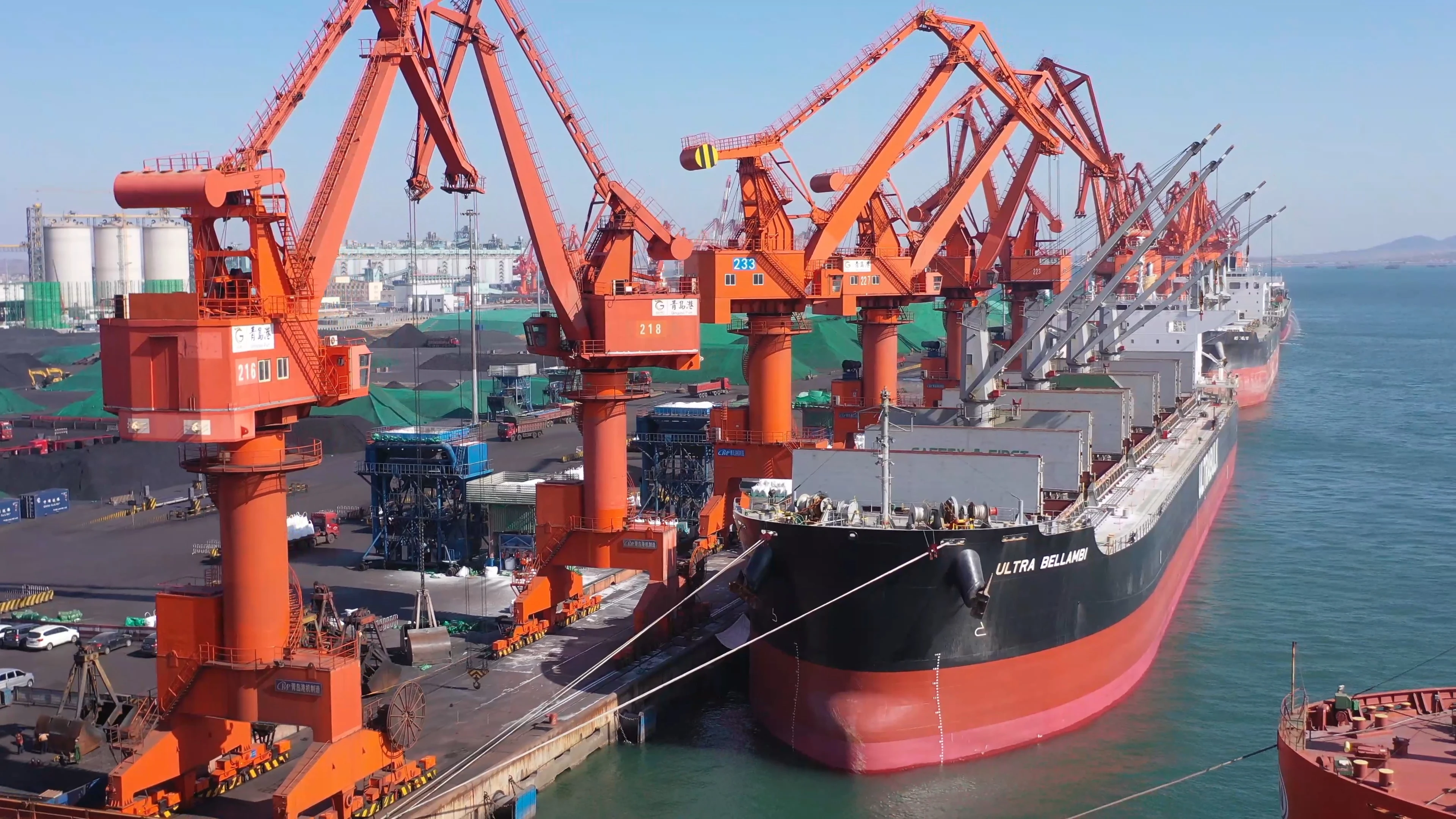
You must follow strict safety rules when using a port crane: limit protection compliance for tenders. Your team needs to handle risks, follow technical rules, and make sure each project is safe. Some common problems are:
-
Other companies offer lower prices
-
Bad parts cause arguments
-
After-sales help is not enough
-
Missing papers slow down customs
CEGC gives solutions to help you meet safety and compliance needs.
Key Takeaways
-
Always use the newest wind resistance rules for port cranes. This helps keep everyone safe and follows the law. - Check your equipment often and fix it when needed. This stops accidents and keeps work going. - Write down each part of your compliance steps. This helps you avoid waiting and makes tender submissions easy.
Port crane: limit protection compliance for tenders
Direct steps for compliance
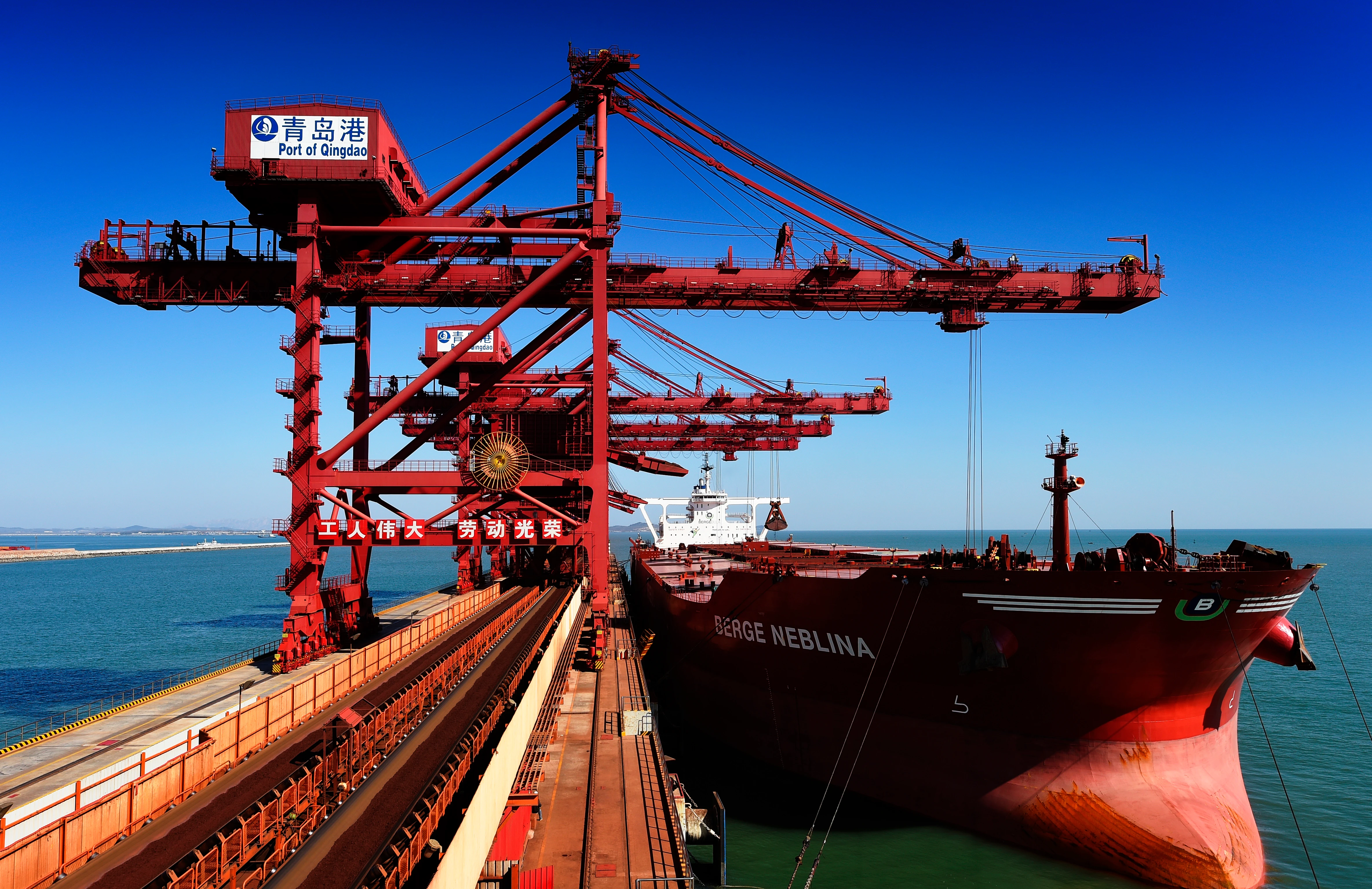
There are clear steps you need to follow for port crane: limit protection compliance for tenders. Safety comes first. You must keep the portal crane or container crane steady. Lock the trolleys and cabins every time. Lift slings up to the windproof height. Always check the windproof systems. Coastal ports need windproof systems for 35m/s winds. Inland ports need them for 30m/s winds. You must act fast when there are gust alerts. Stop work and anchor the crane before a typhoon. Turn off the main power when you leave the cabin. Only the monitoring system should stay on.
You must follow the wind resistance standards for your area. These rules are the main part of port crane: limit protection compliance for tenders. Always use the latest version of each standard. Do not use old versions. If standards are different, use the strictest one. Pick the right standard for your port. Use port-specific standards for coastal ports. Use general standards for inland ports. Specialized wind resistance standards are more important than general ones.
Tip: CEGC’s container handling equipment and ship crane solutions meet wind resistance standards. You can change them to fit your project.
Here is a table that shows the main compliance points for port crane: limit protection compliance for tenders:
|
Key Steps for Compliance |
Description |
|---|---|
|
Structural Posture |
Keep front beams secure, lift slings to windproof height, and lock trolleys and cabins. |
|
Device Maintenance |
Check windproof systems often; coastal ports for 35m/s, inland for 30m/s. |
|
Emergency Response |
Stop work and protect the crane when there are gusts; anchor fully before typhoons. |
|
Electrical Safety |
Turn off main power when leaving the cabin, but keep the monitoring system on. |
|
Local Priority Principle |
Follow the wind resistance standards for your project’s location. |
|
Scenario Matching Principle |
Use port-specific standards for coastal areas; use general standards for inland ports. |
|
Specialized Standard Priority Principle |
Use specialized wind resistance standards before general ones. |
|
Valid Version Principle |
Only use the latest valid standards; do not use old ones. |
|
Strict Implementation Principle |
Use the strictest wind resistance rules if standards are different. |
You must write down each step. This helps you meet compliance and supports your tendering process. CEGC has solutions that fit these needs. You can ask for custom options for your container gantry crane or reach stacker forklift.
Avoiding common pitfalls
You need to avoid mistakes that slow down your tendering process or cause safety problems. Many teams forget to check the wind resistance standards for their project. Some teams use old standards. This means they do not follow the rules. You must always use the latest version. Some teams skip specialized wind resistance standards. This can cause trouble during audits.
Do not forget about device maintenance. Regular checks are needed for port crane: limit protection compliance for tenders. If you skip emergency steps, accidents can happen. You must anchor your cargo crane before typhoons. You must turn off the main power when you leave the cabin. Some teams do not write things down. Missing papers can slow down customs and tendering approval.
Note: You can avoid these mistakes by using CEGC’s container handling gantry crane and ship loader systems. These products follow strict wind resistance and safety rules.
You must focus on the main compliance points. You must follow all wind resistance standards. You must write down every step. You must use specialized standards when you can. You must check if each standard is valid. You must use the strictest rules. This keeps your team safe and ensures port crane: limit protection compliance for tenders.
Understanding compliance in port crane tenders
What is limit protection?
Limit protection keeps your port crane safe and working well. These systems stop cranes from lifting too much or moving too far. They use mechanical, electric, and digital devices to watch loads and stop accidents. You need to follow wind resistance standards for each crane type. Limit protection helps you meet safety rules and avoid expensive problems.
Here is a table that lists the main parts and jobs of limit protection systems in port cranes:
|
Device Type |
Principle of Operation |
Typical Applications |
|---|---|---|
|
Mechanical Overload Limiters |
Springs or levers trigger a switch when force is too high |
Overhead cranes, basic hoist systems |
|
Electric Overload Devices |
Monitor motor current; disengage when force is too high |
Modern electric cranes |
|
Load Cells |
Measure direct load; output to digital displays |
Heavy lift, process-critical cranes |
|
Load Moment Indicators |
Monitor load, boom length, angle, counterweight |
Mobile cranes, tower cranes |
|
Torque Limiters |
Detect excessive torque; disengage or slip to protect gear |
Gantry cranes, container cranes |
|
Chain Hoist Slip Clutch |
Slip mechanism prevents lifting if overloaded |
Chain hoists, compact cranes |
You must check wind resistance standards for every device. Limit protection systems help you follow safety rules and standards.
Why compliance matters
You must follow compliance rules to keep your team and project safe. Meeting wind resistance standards and safety rules keeps your crane safe and working right. This helps you build trust with clients and stay out of legal trouble. You also have less downtime and save money.
Here is a table that shows the good things about following limit protection rules:
|
Benefit |
Description |
|---|---|
|
Improved Safety Culture |
Compliance encourages safe practices and reduces accidents |
|
Regular maintenance prevents breakdowns and lowers repair costs |
|
|
Enhanced Reputation |
Safety focus builds a positive reputation and improves client relationships |
|
Legal Protection |
Meeting requirements protects you from legal issues and shows commitment to industry standards |
You must follow wind resistance standards for every crane. Following safety rules helps you stop accidents and keeps your port crane working well.
Key requirements and standards
Regulations and certifications
You need to know the main rules for port crane operations. These rules set the wind resistance and safety requirements. International and local groups make you follow strict standards for every portal crane, container crane, or ship crane. You must check each project’s criteria. Make sure your equipment meets all special wind resistance standards.
Here is a table that shows the most important regulations and standards for limit protection:
|
Regulation/Standard |
Description |
|---|---|
|
OSHA 29 CFR 1915.115(a)(1) |
Requires certification of cranes on vessels for material transfer. |
|
ILO Convention No. 152 |
Mandates examination and testing of cargo handling gear on foreign vessels. |
|
OSHA 29 CFR Part 1919 |
Requires certification and testing of mobile cranes on barges. |
|
OSHA 29 CFR Part 1910 |
Covers shore-based cranes and allows for certification by OSHA-accredited agencies. |
You must also follow these requirements:
-
Safe load limiters are needed for cranes above certain sizes.
-
Electric traveling cranes must have over-travel limit switches as wind resistance standards say.
You need to look at all wind resistance standards for your location. These standards help you stay safe and avoid compliance problems.
Tender documentation essentials
You must get documents that show you meet all wind resistance standards. Tender papers must prove your equipment meets safety and compliance rules. You need to include proof of meeting all required standards.
Here is a table that lists the main documentation requirements for port crane tenders:
|
CATEGORY |
GENERAL LIABILITY |
WORKER’S COMPENSATION (WC) / EMPLOYER’S LIABILITY (EL) |
COMMERCIAL AUTOMOBILE LIABILITY |
OTHER |
|---|---|---|---|---|
|
CRANE SERVICES |
$1,000,000 per occurrence, $2,000,000 General Aggregate |
WC: Per State Statutory Limits; EL: $1,000,000 per occurrence |
$1,000,000 Combined Single Limit |
Umbrella/Excess Liability: $2,000,000 per occurrence; Pollution Liability: $5,000,000 per occurrence |
You must check your documents match the wind resistance standards for your project. Always include certificates, inspection records, and proof of meeting all criteria. This helps you meet compliance and safety needs for every tender.
Technical solutions for compliance
Anti-sway and collision systems
You need special anti-sway and collision systems to follow wind resistance rules and keep your port crane safe. Anti-collision systems use radar, lasers, or ultrasonic sensors to find things in the way. These systems can stop or slow down cranes by themselves. This helps stop crashes and makes sure you follow wind resistance rules. Anti-sway parts, like mechanical dampers or electronic controls, help stop loads from swinging too much. This makes lifting more accurate and keeps both the cargo and crane safe, which is important for limit protection. CEGC puts these systems into portal cranes, container cranes, and ship cranes.
-
Anti-collision systems help prevent accidents and keep work going.
-
They stop crashes that could break equipment or lose cargo, saving money on repairs.
-
These systems help with safety by controlling how close cranes get to each other.
|
Evidence Type |
Description |
|---|---|
|
Impact Detection Methodology (IDM) |
Watches for crane hits in real time and helps stop damage. |
|
Integration with Crane Management |
Makes work more exact and helps protect containers, making ports work better. |
|
Challenges Addressed |
IDM helps with problems like missed hooks from swinging spreaders and busy workloads. |
Marine durability and lifecycle protection
You must meet wind resistance rules and make sure your crane lasts in tough marine places. CEGC’s cranes use special ways to stop rust, made for hard port weather. Strong coatings, like epoxy primers and zinc-rich paints, give good protection. Doing regular checks and care helps cranes last longer and follow wind resistance rules. Good care, like checking and using cranes the right way, keeps them working well.
|
Material |
Benefit |
|---|---|
|
Stops rust by giving up its own metal, keeping the crane strong. |
|
|
Stainless Steel |
Does not rust easily, so important parts stay safe. |
|
Epoxy Coatings |
Makes a tough shield against water and chemicals, so cranes last longer. |
Predictive maintenance and energy efficiency
You need predictive maintenance to keep up with rules and wind resistance needs. Predictive maintenance lets you watch and fix port cranes before they break. By finding problems early, you keep things safe and follow the rules. Sensors and IoT devices watch cranes all the time and find issues early, stopping big breakdowns.
Energy efficiency also helps you meet wind resistance rules. Ports that use shore power make less pollution and help ships meet clean energy goals. Smart systems do simple jobs by themselves, so planners can focus on bigger problems. Energy-smart planning matches heavy lifts with times when there is more green energy, so less diesel is used.
|
Benefit |
Description |
|---|---|
|
Reduced Fuel Consumption |
Ships use less fuel because they wait less and finish faster. |
|
Lower Emissions |
Shore power and electric tools cut down on CO2 pollution. |
|
Improved Operational Efficiency |
Better planning and smart energy use make work faster and reduce traffic. |
Tip: CEGC has solutions you can change for container handling equipment, container gantry cranes, and reach stacker forklifts to help you follow all wind resistance rules and stay safe.
Preparing and presenting compliance evidence

Step-by-step documentation guide
You need to make clear documents to show you follow wind resistance standards. First, collect all certificates for your port crane equipment. These include inspection papers, maintenance logs, and proof that you meet safety rules. Write down each document in order. Use a checklist so you do not forget anything.
-
Get certificates for wind resistance standards.
-
Gather maintenance and inspection logs.
-
Add test results for safety systems.
-
Include proof you follow local and international rules.
-
Sort documents by equipment type, like portal crane or container crane.
Tip: Make a table to track which documents match each rule. This helps you stay neat and ready for any tender review.
|
Document Type |
Requirement Met |
Equipment Covered |
|---|---|---|
|
Inspection Certificate |
Wind resistance standards |
Container gantry crane |
|
Maintenance Log |
Safety requirements |
Ship crane |
|
Test Report |
Wind resistance standards |
Cargo crane |
Best practices for tender submissions
Always check that your documents match the newest wind resistance standards. Look at each rule before you send your tender. Make sure your safety records are current. Use clear labels and easy tables in your papers. This helps reviewers see you meet all the rules.
Keep your compliance proof simple and clear. Do not add extra details that do not help your safety or wind resistance standards. Always check your documents to make sure they are right. If you use CEGC solutions, add product certificates to show you meet all the rules.
Note: Following wind resistance standards and safety rules helps clients trust you and can help you win more tenders.
Addressing non-compliance risks
Consequences of non-compliance
If you do not follow wind resistance standards, big problems can happen. You could have accidents or people might get hurt. Your company could lose money because work stops. Clients may stop trusting your business. You might have to pay fines or go to court. If equipment breaks, cargo can get damaged and ships may be late. Insurance might not pay if you do not follow safety rules. Auditors will check if you meet wind resistance standards. If you do not, you could lose future jobs.
|
Risk Type |
Impact |
|---|---|
|
Safety Incident |
Injuries, equipment damage, cargo loss |
|
Legal Penalty |
Fines, contract termination, lawsuits |
|
Operational Delay |
Vessel waiting, missed deadlines |
|
Reputation Loss |
Client distrust, fewer tender wins |
Note: Following wind resistance standards keeps your team and business safe.
Proactive solutions
You can stop problems by acting early. Bring together engineering, buying, and business teams at the start. This helps everyone work toward the same goals and follow wind resistance standards. Watch over quay cranes and container handling equipment with good planning. This makes your work safer and more reliable. Plan regular crane maintenance. Maintenance is important for safety and following wind resistance standards. Use checklists to keep track of each crane’s standards. Look at safety logs and inspection records often. Teach your team about wind resistance standards and safety rules. Change your steps when standards change. CEGC has solutions to help you follow wind resistance standards and stay compliant.
-
Bring teams together early to set goals and get better results.
-
Watch over important equipment to make sure it works well.
-
Plan regular maintenance to keep things safe and running.
-
Teach workers and change steps to match new standards.
Tip: Always pay attention to wind resistance standards and safety. This helps your port crane work stay safe and strong.
Compliance checklist for tenders
Final review steps
You have to check every rule before sending your papers. Look at all wind resistance standards for your portal crane, container crane, or ship crane. Make sure your equipment follows the newest standards. Check if your safety systems work and have proof for each rule. Look at your maintenance logs and inspection records. Check your certificates for wind resistance standards. Use a checklist to help you keep track.
Here is an easy checklist for your last review:
|
Step |
Action Needed |
|---|---|
|
Standards Verification |
Make sure all wind resistance standards are up to date |
|
Safety System Check |
Test every safety device |
|
Documentation Review |
Collect all certificates and logs |
|
Requirements Confirmation |
Match each rule to your proof |
|
Validly Tendered Status |
Make sure all papers are ready |
Tip: CEGC’s solutions can help you meet every rule and wind resistance standard.
Ongoing monitoring
You need to keep checking your equipment after you send your tender. Watch your cranes for any changes in wind resistance standards. Update your safety systems when rules change. Plan regular checks and maintenance. Write down every check and update. Teach your team about new rules and standards. Keep your checklist current.
-
Watch for updates to wind resistance standards.
-
Check safety systems often.
-
Write down maintenance and inspection results.
-
Teach your team about new rules.
-
Update your checklist when rules change.
Note: Checking your equipment often helps you stay safe and follow the rules. This protects your cranes and makes sure you meet every requirement.
You make things safer when you follow every step in your tender process. You look at safety systems and check safety logs. You use safety checklists to help you remember each step. You pick CEGC solutions because they are safe and work well. You keep your papers neat and easy to find. You use the checklist each time you send in papers. You help your team stay safe and show others they can trust you.
FAQ
What documents do you need for port crane limit protection compliance?
You must have inspection certificates and maintenance logs. You also need safety test reports and proof you meet wind resistance standards.
Tip: Make a checklist to keep your papers in order.
How does CEGC help you meet wind resistance standards?
CEGC gives you port machines with anti-sway and collision prevention features. Their machines are made to last in tough marine weather.
You can ask for special upgrades for your container gantry crane or ship loader.
What happens if you miss a compliance step in your tender?
You could face delays, get fined, or lose contracts.
Clients might stop trusting your company.
Always check your checklist before you send your papers.


