

You face real dangers when load sway and crashes happen on your dock. CEGC's container crane: limit protection reduces swing incidents with a crane anti-swing system. You can pick project-based changes for the crane anti-swing system and safety interlocks.
|
Key Points |
Description |
|---|---|
|
What an interlock is |
Stops unsafe moves from happening in port work. |
|
Value of customization |
Matches your site’s special needs and safety plans. |
-
Many operators now use smart controls with computer-based interlocking.
-
Modern ports use AI and IoT to enhance safety and improve operations.
Key Takeaways
-
Limit protection systems stop unsafe crane moves. This makes cranes safer and helps stop accidents.
-
Crane anti-swing technology keeps loads steady. It helps cranes work better and can make wait times shorter by up to 40%.
-
Customization options let you change cranes for your needs. This helps cranes work their best and stay safe.
Swing incidents in container cranes
What causes load sway
You often see load swinging during crane operation. This happens when the container moves like a pendulum. The main causes of swing include wind, sudden stops, and changes in direction. Operator skill also plays a big role. If you move the crane too quickly or stop too fast, you create more swing. Wind load can push the container, making load swinging worse. Sometimes, even the way the crane is built can affect how much swing you get.
Here is a table showing common causes of load swinging:
|
Cause of Load Sway |
Description |
|---|---|
|
Pendulum Effect |
Load moves on its own, causing swing when you try to land it accurately. |
|
Mechanical Solutions |
Hoist and block designs try to prevent swing from starting. |
|
Hydraulic Systems |
Use hydraulics to slow down swing but do not stop it from starting. |
|
Electronic Systems |
Control speed and stop swing quickly without extra parts. |
Risks of swing incidents
Swing incidents can lead to many problems. You risk hitting other equipment or even people. High wind can cause a crane accident or make a reach stacker fall. You may face issues like twist-locks not releasing or poor communication between ground crew and crane operator. These problems can cause serious injuries or even loss of life. You must always stay alert during crane operation to avoid these risks.
Here are some safety steps you should follow:
-
Watch vessel speed and alignment at all times.
-
Keep cranes out of vessel zones when not in use.
-
Use alarms and drills to prepare for emergencies.
Impact on safety and efficiency
Swing incidents slow down your work. When you see load swinging, you must wait for the load to stop moving before you can place it. This increases cycle time and lowers throughput. If you want to keep your terminal running smoothly, you need to control swing. Good swing control helps you place containers exactly where they need to go. This is important for automated systems and for keeping your team safe. If you reduce swing, you improve both safety and efficiency in every crane operation.
Container crane: limit protection and crane anti-swing system
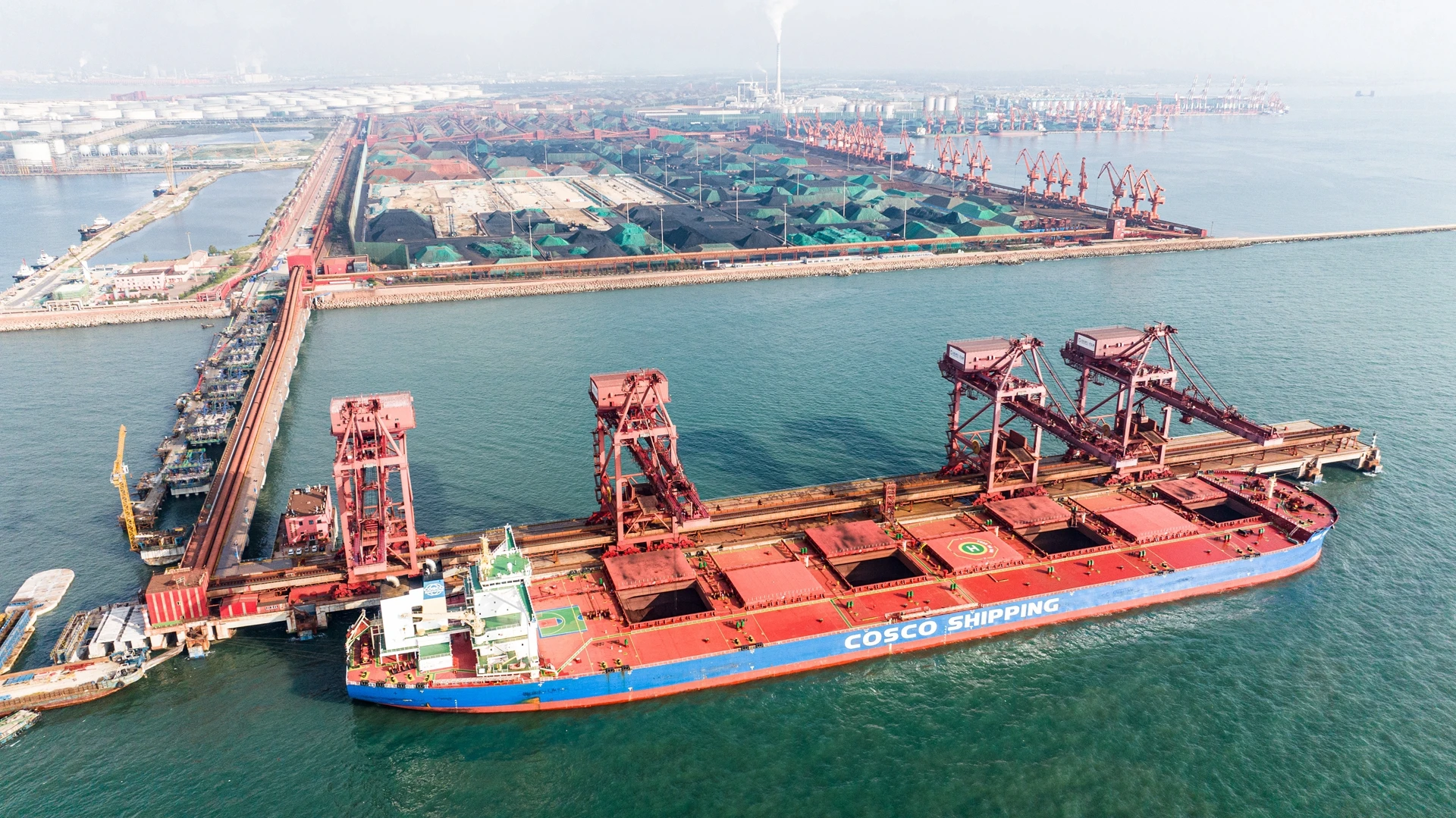
Limit protection mechanisms
You want your port to be safe and work well. Limit protection systems help stop unsafe moves before they happen. These systems use sensors and switches to check the crane’s position and load all the time. Height limit switches keep the crane from going too high or too low. Overload limit switches stop the crane if the load is too heavy. Interlocking protection devices make sure the crane does not move when safety switches are open. Slow down and stop limit switches help the crane slow down before it reaches the end of its path. This helps prevent sudden stops and keeps the crane from wearing out too fast. Anti-collision devices use sensors to find objects and stop the crane before it crashes.
|
Mechanism Type |
Function |
|---|---|
|
Limits the rise and fall of the crane, ensuring it does not exceed safe operational heights. |
|
|
Overload Limit Switch |
Cuts off power when the load exceeds the crane's rated capacity, preventing overload situations. |
|
Interlocking Protection Device |
Prevents crane operation when safety switches are open, ensuring safe maintenance and operation. |
|
Slow Down and Stop Limit Switches |
Automatically stops crane movement as it approaches limit positions to prevent overrun. |
|
Anti-Collision Device |
Uses sensors to prevent collisions by warning and stopping the crane when approaching objects. |
These limit protection mechanisms work together to keep your equipment safe. They also help you avoid expensive repairs and downtime.
Anti-sway control technology
You want to move containers fast and safely. The crane anti-swing system uses anti-sway devices and special controls to keep the load steady. These systems use sensors to spot swing right away. The control unit changes the crane’s movement to stop the swinging motion. This is called load stabilization. Modern anti-sway devices use accelerometers, position sensors, and closed-loop control algorithms. The system checks the angle and speed of the swing. It then changes the trolley or hoist speed to keep the load steady.
-
Anti-sway technology cuts down swinging motion of loads.
-
It keeps loads stable when lifting, lowering, and moving.
-
Sensors and control units find and fix swing right away.
-
Advanced algorithms and variable-frequency drives change movement for high anti-swing efficiency.
Assisted anti-sway systems can cut swing by up to 95%. Active crane anti-swing system uses sensor feedback for even better control. Field tests show anti-sway control can boost productivity by up to 50%. You get faster cycle times and safer work.
Safety interlocks and automation
You need strong safety features to protect your team and equipment. Multi-layer safety interlocks add extra protection to container cranes. Overload prevention stops the crane from lifting too much weight. Movement limitation keeps the crane in safe zones. Operator presence detection makes the crane stop if the operator leaves the seat. Load monitoring and stability control check the weight and balance of the load all the time. Emergency stop logic lets you stop all crane functions right away if there is danger. Emergency stop buttons are easy to see and use. They cut power to the motors fast, even if the main control system fails.
|
Safety Interlock Type |
Function |
|---|---|
|
Overload Prevention |
Prevents the crane from exceeding load limits |
|
Movement Limitation |
Stops the crane from moving beyond designated areas |
|
Operator Presence Detection |
Stops the crane if the operator leaves the seat |
|
Load Monitoring and Stability Control |
Adjusts operations to prevent tip-overs |
Automation makes your job easier and safer. You can pick the automation level that fits your needs, from assisted modes to full remote control. Automation improves accuracy and lowers human mistakes. Anti-collision zones use sensors to keep cranes from hitting each other or other objects. You can also choose the anti-corrosion grade for your equipment. This protects your crane in tough marine environments and keeps it stable and reliable.
Operational benefits
You get many benefits when you use a container crane: limit protection reduces swing incidents with a crane anti-swing system. These systems make work faster by cutting swing wait time. You can work up to 40% faster and place containers more accurately. Better safety means fewer accidents and injuries. Autonomous operation turns your crane into a “crane robot” for smart material handling. Easier operation lowers staff training time and makes work less tiring. Expanded safe working space lets you handle more containers at once. Longer mechanical life means less maintenance and lower costs.
|
Benefit |
Description |
|---|---|
|
Increased Efficiency |
Reduces swing wait time, increasing work efficiency by 30% or more. |
|
Enhanced Safety |
Increases safety and limits the risk of injury to personnel and equipment. |
|
Autonomous Operation |
Converts cranes into a 'crane robot' for autonomous material handling control. |
|
Improved Operation Speed |
Increases the crane's safe operation speed while enhancing efficiency. |
|
Simplified Operation |
Makes the crane easier to operate, reducing staff training time and labor intensity. |
|
Expanded Safe Working Space |
Increases the lifting crane's safe working space. |
|
Extended Mechanical Life |
Increases the crane's mechanical life. |
|
Collision Avoidance |
Sets up dangerous places in advance for automatic avoidance by the control system. |
|
Automatic Position Adjustment |
Vertical system eliminates deviation and adjusts the operating position automatically. |
|
Hook Pushing Function |
Allows the crane to run automatically while pushing the hook. |
You can customize your CEGC container crane: limit protection reduces swing incidents system. Pick sensor sets, anti-collision zones, automation level, and anti-corrosion grade to match your project. Real-world examples show automated cranes and smart motion control systems can cut swing by up to 95%, improve cycle time by 40%, and make cranes last longer. You get high anti-swing efficiency, strong stability and reliability, and better safety. This means you can trust your crane to handle containers safely, quickly, and accurately every day.
You have fewer swing problems when you use CEGC container cranes. Limit protection and crane anti-swing systems help stop swing. This means you do not have to wait for the load to stop moving. It also keeps everyone safer. Many ports say they have less swing and work goes better.
-
You use less energy and save money because there is less swing.
-
Automation helps you control swing and plan your work better.
-
Special coatings and checking the crane before problems happen keep swing low.
-
Regular checks mean the crane does not stop working as much.
-
When your systems work together, swing is easier to handle.
-
Using less fuel and making less pollution happens with less swing.
-
The crane lasts longer because swing does not wear it out.
-
There are fewer times the crane breaks because swing is controlled.
-
Your team can work faster and safer when swing is low.
Pick CEGC if you want good swing control and better results at your terminal.
FAQ
How does limit protection help you stay safe?
Limit protection stops unsafe crane moves. You avoid accidents and damage. You work with more confidence and keep your team safe every day.
Can you customize CEGC container cranes for your port?
Yes, you can choose sensor sets, anti-collision zones, automation levels, and anti-corrosion grades. This helps you match your crane to your port’s needs.
What is the main benefit of the crane anti-swing system?
You get less load swing. This means faster, safer, and more accurate container handling. Your team works better and your equipment lasts longer.


