
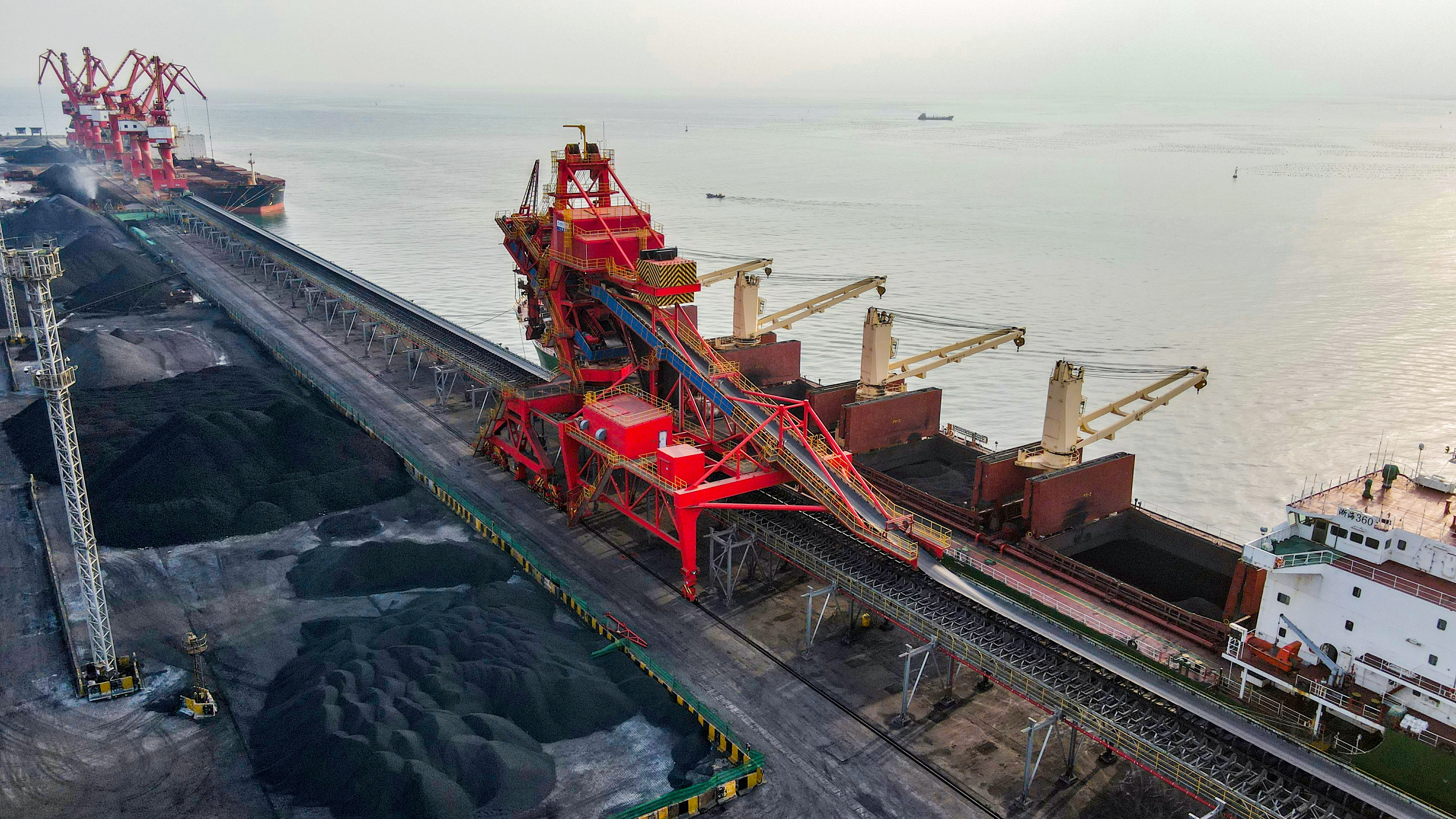
Cargo crane fault alerts reduce collision risk by providing immediate warnings and triggering automatic safety actions. With CEGC’s advanced solutions, port operations become safer as intelligent systems continuously monitor for potential hazards. Smart algorithms are used to detect risks early, ensuring that every operator benefits from enhanced collision avoidance. CEGC integrates cargo crane fault alerts reduce collision risk technology into their equipment, delivering specialized protection for busy port environments. By leveraging CEGC’s cargo crane fault alerts reduce collision risk features, terminals can maintain higher safety standards and minimize incidents during high-traffic operations.
Key Takeaways
-
Cargo crane fault alerts give fast warnings. These help operators react quickly to stop accidents.
-
Real-time monitoring and smart technology make safety better. They keep checking crane movements and loads all the time.
-
Predictive maintenance lowers downtime and saves money. It helps cranes work well and stay safe.
Cargo crane fault alerts and collision avoidance systems
How cargo crane fault alerts reduce collision risk
When you use cargo cranes in busy ports, there are many dangers. Accidents can happen fast if you do not have good safety tools. Cargo crane fault alerts and collision avoidance systems help keep you safe. These systems work on portal cranes, container cranes, ship cranes, and other CEGC equipment. They use smart technology to lower the chance of accidents at work.
Cargo crane fault alerts protect you in different ways:
-
You see warnings on your operator screen.
-
Loud alarms and bright lights warn you about danger.
-
If you do not react, the system can slow the crane or make the load lighter.
-
If the danger stays, the crane can stop to prevent a crash.
These steps help you act fast and stop accidents. The system checks for overloads, quick load changes, and stress on the crane all the time. This early warning gives you time to fix problems before they get worse.
|
Mechanism |
Description |
|---|---|
|
The system uses lights and sounds to warn you if a crash might happen. |
|
|
Automatic Intervention |
If you do not act, the crane slows or stops to keep you safe. |
|
Exclusion Zones |
You can set safe areas so cranes stay out of dangerous spots. |
You can count on these crane collision avoidance systems to help you avoid accidents and keep your team safe.
Real-time monitoring and early warnings
Real-time monitoring is very important for new collision avoidance systems. These systems use sensors and smart programs to watch every move your crane makes. They always check the crane’s position, speed, and load. If the system finds a risk, it sends you an early warning alert. This helps you stop accidents before they happen.
Modern cranes, like CEGC’s container cranes and ship cranes, use ultra-wideband tracking and optical data transmission. These tools give you quick feedback and help you stay safe at work. For example, ultra-precise collision avoidance systems share real-time data about crane position and speed. This lets the system change how the crane moves or stop it if needed.
|
Feature |
Description |
|---|---|
|
Sends data with light pulses, so there are no wiring problems or interference. |
|
|
Ultra-Precise Collision Avoidance |
Shares real-time position and speed to change crane movement and avoid danger. |
You get alerts when safety limits are reached. The system can also stop the crane from moving in unsafe conditions. This lowers the chance of accidents and keeps your port working well.
Multi-layer safety interlocks and operator-centered HMI
Multi-layer safety interlocks give you more protection with crane collision avoidance systems. These interlocks use both mechanical and electrical controls to stop unsafe actions. For example, if you try to move the crane into a blocked area, the system stops you. This helps prevent accidents from mistakes.
Operator-centered HMI (Human-Machine Interface) makes your job easier. The HMI shows clear alarms and updates on your screen. You always know what is happening with your crane. Guided operation helps you learn faster and work safely, even if you are new.
CEGC’s cranes, like portal cranes and container gantry cranes, use anti-sway control to keep loads steady. Sensors and control programs cut down on load sway, even in strong winds. This helps you place containers more accurately and avoid crashes. The system also changes speed and movement based on the load and wind, making every job safer.
You get these benefits:
-
Anti-sway control for steady lifting and careful placement.
-
Safety interlocks that stop unsafe moves.
-
Operator-centered HMI for clear, easy alerts.
-
Real-time data to help you avoid accidents and get better at your job.
All these features work together to make crane collision avoidance systems a strong safety tool. You can trust CEGC’s technology to help you avoid accidents, save time, and keep your team safe every day.
Technical solutions to prevent collisions
Anti-sway and safe lifting control systems
You need strong control systems to stop crane crashes. CEGC’s anti-sway and safe lifting control systems help keep loads steady. They also help you put containers in the right spot. These systems use smart crane technology, laser solutions, and programmable relay outputs. You get sounds and lights that warn you about danger. The Active Sway Control feature checks the rope angle. It removes load sway by itself. This makes your work faster and lowers accident risk.
Here is a table showing key features:
|
Feature |
Description |
|---|---|
|
Anti-sway Control |
Minimizes sway during crane operation, enhancing stability and reducing collision risks. |
|
Smart Crane Technology |
Provides multi-level anti-collision solutions and tracks crane positions to prevent collisions. |
|
Laser Solutions |
Defines distances and sets up restricted zones for safe operation. |
|
Programmable Relay Outputs |
Allows operators to slow and stop crane motion, enhancing safety. |
|
Audible and Visual Signaling |
Alerts operators to potential collision hazards. |
You can make virtual safety zones to stop crashes. The system cuts down payload swing by up to 95%. You get better control for hard moves. CEGC lets you pick sensor sets, anti-collision zones, and automation levels. You can match these features to your port’s needs.
Tip: Anti-sway control helps you avoid accidents from wind or operator skill. You get safer and faster container moves.
Crane collision avoidance systems and proximity alerts
Crane collision avoidance systems use sensors and algorithms to stop crashes. You get alerts when things or people get in the crane’s way. The system uses lasers, radar, and AI-enabled cameras to spot movement and shapes. When a danger shows up, you see warnings on your screen and hear alarms. The system can slow or stop the crane to keep you safe.
Here is a table showing how proximity alert systems work:
|
Feature |
Description |
|---|---|
|
Real-Time Monitoring |
RFID tags track crane positions, providing continuous updates to operators. |
|
Alerts and Intervention |
Systems can alert operators or automatically slow down/stopping cranes to prevent collisions. |
|
Proximity Sensors |
Detect nearby objects using technologies like ultrasonic or infrared, triggering warnings. |
|
Zone Control Systems |
Divide operating areas into zones with specific safety requirements, triggering warnings as needed. |
|
Automatic Responses |
Integrated systems can automatically adjust crane movements to avoid collisions based on sensor data. |
You can use these systems on portal cranes, container cranes, ship cranes, and container gantry cranes. CEGC lets you change sensor sets and anti-collision zones for different cranes and places. You get safer work and fewer accidents.
-
Crane collision avoidance systems help you stop crashes by managing crane speed and load.
-
Proximity alerts fit your port’s layout and traffic, giving you real-time safety.
Predictive maintenance and energy efficiency
Predictive maintenance helps you stop crashes and save energy. You use real-time data to find problems before they get worse. This way, you can plan repairs and avoid emergency stops. You make crane parts last longer and cut down on downtime. Predictive maintenance works with collision avoidance systems to make things safer.
You can see the cost benefits in this table:
|
Cost Type |
Estimated Cost Range |
|---|---|
|
Delay in Loading and Unloading |
$15,000 - $50,000 per hour |
|
Penalties for Missed Schedules |
$5,000 - $20,000 per day |
|
Extended Parking Fees |
$10,000 - $30,000 per day |
|
Crane Unavailability Penalties |
$1,000 - $10,000 per hour |
|
Loss of Productivity |
$100,000 per day |
|
Lost Business Opportunities |
$2-3 million annually |
You can save 25-30% in costs compared to fixing things after they break. You get 35-50% less downtime and 20-40% longer asset life. CEGC gives you standard specs and custom options for monitoring, alarms, and power. You can pick electric, diesel, or hybrid to fit your port.
Note: Predictive maintenance not only stops crashes but also saves money and energy. You get cranes that work well and perform better.
Operational benefits for port machinery
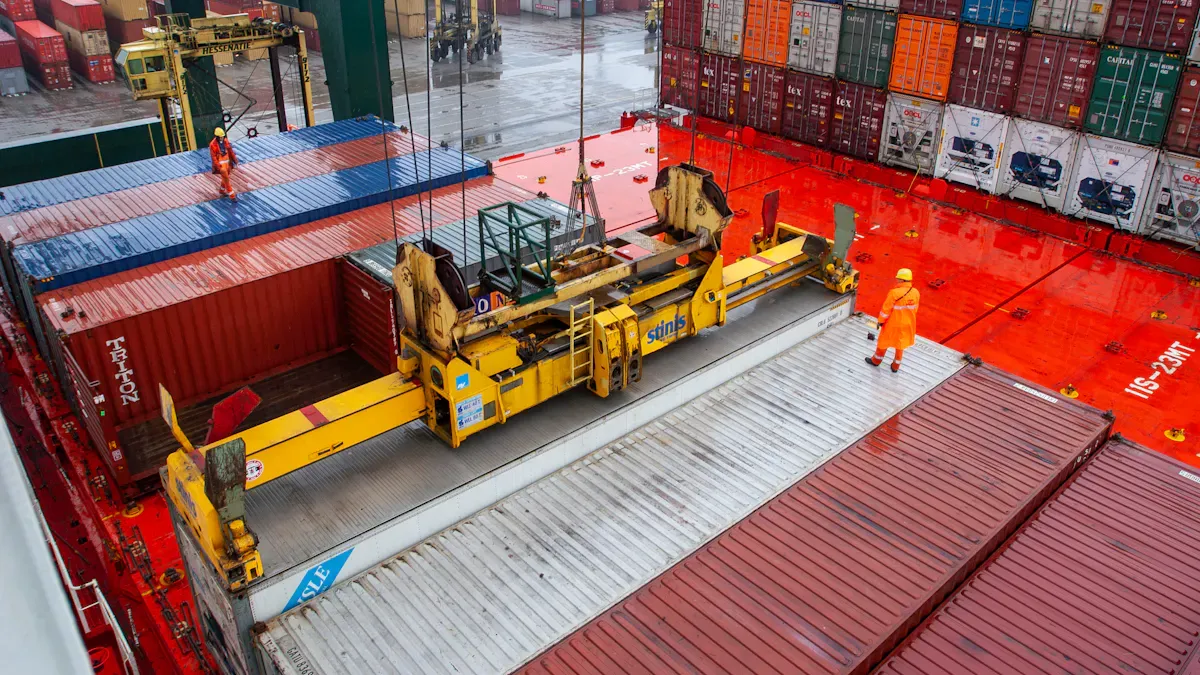
Enhanced safety and reduced downtime
Modern cargo cranes have advanced safety devices. These devices help you stay safe at work. They give real-time alerts and automatic responses. This lowers the risk of collisions. You see fewer breakdowns and spend less time fixing things. Operators feel comfortable and stay alert. This means fewer mistakes and less tiredness.
|
Benefit Type |
Description |
|---|---|
|
Collision Reduction |
Decision support systems can cut collision events by about 25%. |
|
Productivity Improvement |
Optimized crane moves boost overall productivity. |
|
Cost Reduction |
Fewer collisions mean lower repair costs and less downtime. |
You move containers faster and ships leave sooner. There are fewer complaints about heat. Operators feel more comfortable at work.
Improved efficiency and cost savings
Smart control systems make cranes work better. These systems plan moves and check for problems. You get alerts for important issues. This helps you act quickly. Remote checks help cranes last longer.
-
You move containers faster.
-
Ships wait less time.
-
You use less energy and lower emissions.
-
Performance stays steady, even when shifts change.
|
Evidence Type |
Description |
|---|---|
|
Utilization Rates |
|
|
Cost Optimization |
Smart location choices cut operation costs. |
|
Near Real-Time Allocation |
Fast calculations prevent collisions and delays. |
Marine durability and lifecycle protection
Cranes must last in tough port conditions. CEGC makes cranes with strong coatings and parts. These features protect your cranes and help them last longer.
-
Cranes built for bad weather need fewer repairs.
-
Good spare parts make cranes safer and more reliable.
-
Strong machines let you plan for weather and avoid sudden problems.
You get easy maintenance plans and lower costs over time. You also meet safety rules, which is good for your business.
Tip: Pick cranes with strong durability to protect your work and save money in the long run.
Cargo crane fault alerts and collision avoidance systems help you stay safe. Smart sensors watch for danger and send data right away. This helps stop accidents before they happen. CEGC lets you change settings to fit your needs. These solutions help you move more cargo and use less energy.
|
Feature |
Benefit |
|---|---|
|
Real-time tracking |
Easier to watch cranes |
|
Predictive maintenance |
Fewer times cranes stop working |
Crane safety lights and automatic systems make your job safer each day.
FAQ
How do cargo crane fault alerts help you avoid accidents?
You get warnings right away. Smart crane technologies find risks fast. They alert you before accidents happen. You can act quickly to keep your team safe.
Can you customize crane communication systems for your port?
Yes, you can pick features that fit your port. Crane communication changes to match your needs. It helps you manage operations more easily.
What makes smart crane technologies important for port safety?
Smart crane technologies make ports safer by watching crane movements. You get alerts and guidance to avoid collisions. These tools protect your equipment.


