
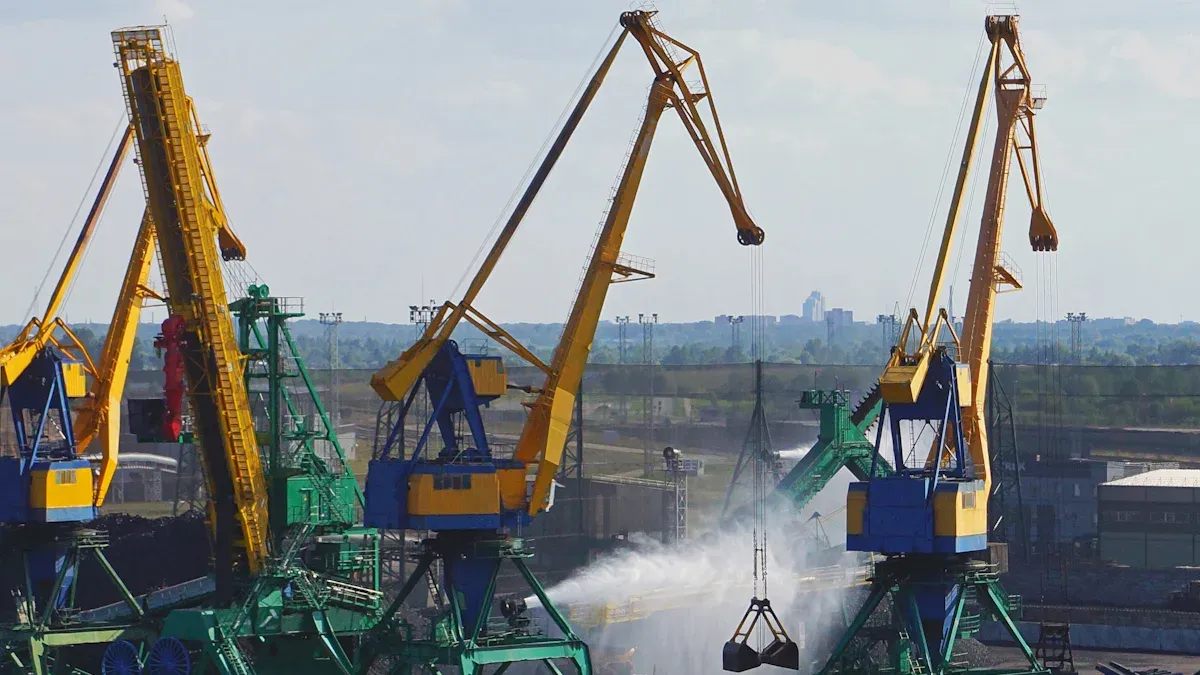
You can make things safer, more reliable, and more efficient with good portal crane predictive maintenance planning tips. Many operators get up to 15% more equipment use and spend less money. CEGC gives standard specs and can also customize for each project. Their predictive systems watch important parts and send alerts on time. This helps you manage costs over the equipment’s life.
Key Takeaways
-
Do regular checks to find problems early. This keeps your portal crane safe and ready to use.
-
Use real-time condition monitoring to spot issues before they get worse. This helps stop expensive breakdowns and accidents.
-
Use data to plan maintenance jobs. This keeps your equipment working longer and helps your crane last more years.
Why predictive maintenance matters for portal cranes
Reliability and safety benefits
You want your portal crane to be safe every day. Predictive maintenance helps you find problems early. This stops accidents before they happen. Many ports see fewer accidents after using safety monitoring systems. Accident rates can drop by 85%. You also use your equipment more. Utilization rates can go up by 30%. Predictive maintenance helps you avoid load sway, collision risk, and marine corrosion. CEGC gives market-standard specs and can make custom solutions for your project. Their systems have anti-sway controls and safety interlocks. These features help keep your team safe and your cargo moving.
Tip: Real-time condition monitoring and alarms help you act fast. This stops small issues from turning into big problems.
|
Evidence Type |
Description |
|---|---|
|
Unplanned Outages |
Predictive maintenance lowers unplanned outages. This makes operations more reliable. |
|
Incident Rates |
Condition-based alarms and geo-fenced slow zones cut down on incidents. |
|
Optimal Operation |
Equipment works within safe limits. This improves safety and keeps throughput high. |
Cost and efficiency gains
Predictive maintenance saves money and time. You can cut maintenance costs by 40%. Downtime goes down too. Some ports save millions each year with these systems. You get more value from your investment. For every dollar spent, you can get four to seven dollars back. Asset utilization can improve by up to 45%. Predictive maintenance uses real-time data and smart analytics. This helps you plan repairs before something breaks. Your portal crane runs longer and avoids costly emergency fixes.
|
Cost Savings/Benefits |
Percentage Improvement/Value |
|---|---|
|
Asset Utilization |
35-45% |
|
Reductions in Inventory Costs |
50-60% |
|
Increases in Production Capacity |
20-25% |
|
Economic Value per $1 Invested |
|
|
Initial Investment vs. Annual Economic Value |
$150,000-800,000 generates $600,000-4 million |
You can trust CEGC for standard and custom solutions. Their predictive maintenance tools help you control costs and boost efficiency.
Portal crane predictive maintenance planning tips
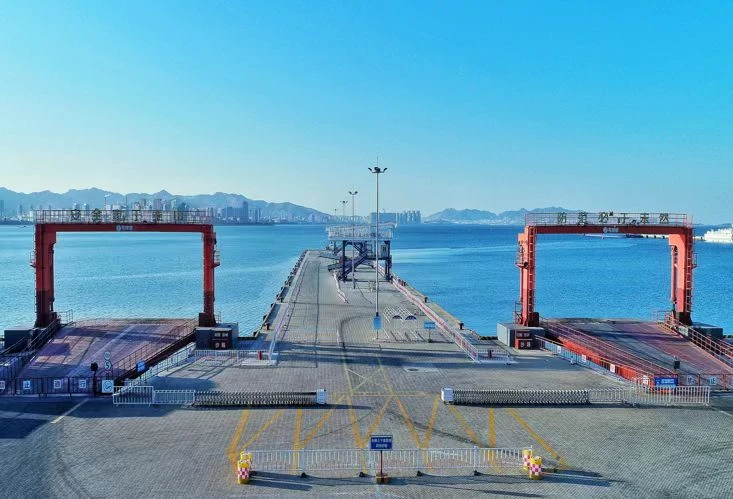
You can keep your equipment safe and working well by using portal crane predictive maintenance planning tips. Good planning helps you stop expensive breakdowns. It also keeps your work going without problems. Here are the most important steps to add to your plan.
Regular inspections
Regular inspections are a key part of portal crane predictive maintenance planning tips. You need to look at your cranes often to find problems early. This keeps your equipment safe and ready to use. Plan inspections based on how much you use your cranes and where they work.
|
Frequency |
|
|---|---|
|
Electrical Inspections |
At least every three months; more often in tough places |
|
Mechanical Component Inspections |
Every month or three months, depending on use and place |
|
Hoist System Examinations |
Every month or three months, based on use and place |
|
Load Testing |
Once a year or as rules say |
|
Operational Checks |
Best to do before each shift |
Older cranes and cranes that lift heavy things need more checks. Cranes that work hard or do tricky jobs need extra inspections. If you move or change a crane, check it before and after. Always follow special rules for cranes that have not worked for a long time. CEGC has inspection programs that focus on safety, following rules, and keeping equipment ready. Their CARE Lifecycle Management Program uses predictive maintenance and real-time monitoring to make things safer and more productive.
Real-time condition monitoring
Real-time monitoring is an important part of portal crane predictive maintenance planning tips. You can use sensors and digital tools to watch your crane all the time. This technology helps you find small problems before they get worse. Real-time monitoring lowers mistakes and shows you how your crane is doing.
|
Feature |
Description |
|---|---|
|
Real-time monitoring |
Keeps things safe by always checking the crane. |
|
Cost-effective solutions |
Gives full help for checking and fixing cranes. |
|
Reduced human intervention |
Less guessing by people when checking cranes. |
|
Acoustic emission technology |
Uses very sensitive ways to watch the crane. |
|
Low-cost monitoring |
Gives a good way to check crane health. |
|
Cost reduction |
Cuts down on checking and insurance costs over time. |
|
Prevention of extra costs |
Helps stop costs from big crane problems. |
You can use vibration sensors, temperature sensors, and acoustic emission sensors to watch your crane’s condition. These tools help you find problems early. CEGC’s anti-sway systems and safety interlocks work with real-time monitoring to keep things safe. You can also use remote checks to see your crane from far away. This makes your plan better and helps you act fast.
-
Real-time monitoring gives predictive maintenance and remote checks.
-
It shows you how your crane is used and its condition.
-
It links with inspection and maintenance data for a full picture.
Data-driven scheduling
Data-driven scheduling is another big part of portal crane predictive maintenance planning tips. You can use smart tools and analytics to pick the best time for maintenance. This helps you stop downtime and keeps your cranes working longer. Machine learning and genetic algorithms help you choose the right time for repairs.
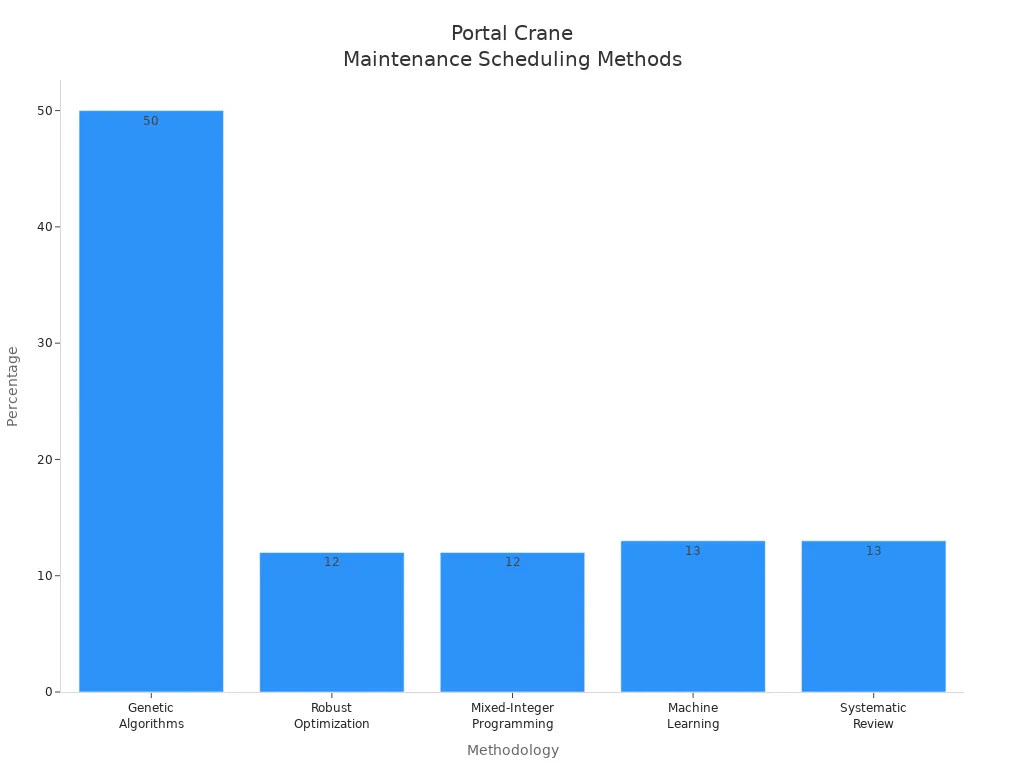
|
Percentage |
Description |
|
|---|---|---|
|
Genetic Algorithms |
50% |
Good for tricky scheduling and cutting downtime. |
|
Robust Optimization |
12% |
Reliable in tough places but uses lots of computer power. |
|
Mixed-Integer Programming |
12% |
Works for scheduling but not great for fast changes. |
|
Machine Learning |
13% |
Good for predictive maintenance but needs better data use. |
|
Systematic Review |
13% |
Maps out what is done now but does not model operations. |
You can use digital twins to make a virtual copy of your crane. This lets you try out different plans and pick the best time for maintenance. Predictive analytics help you see patterns and guess when parts might break. This makes your plan better and keeps your cranes working well.
Critical component checks
Checking important parts is a must in portal crane predictive maintenance planning tips. You need to focus on parts that wear out fast or are needed for safety. These include gears, bearings, brakes, wire ropes, and structural parts. If you skip these checks, you could have breakdowns, safety problems, and big repair bills.
|
Component |
Inspection Frequency |
|---|---|
|
Hoist |
Check often |
|
Brakes |
Check often |
|
Gears |
Check often |
|
Structural Elements |
Check often |
You should also check conductor bar insulation, control panels, festoon cables, motor temperatures, and grounding continuity. CEGC’s condition monitoring systems help you watch these parts all the time. This makes your plan stronger and helps you stop accidents.
-
If you skip important checks, you may have more breakdowns, less work done, and higher repair bills.
-
Safety problems and accidents can happen if you ignore these parts.
Lubrication and cleaning
Lubrication and cleaning are easy but important steps in portal crane predictive maintenance planning tips. You should put oil or grease on wire ropes, sheaves, gears, and bearings often. This cuts down on rubbing and stops parts from wearing out. Cleaning gets rid of dirt and things that can hurt your crane.
-
Lubrication makes a shield between moving parts.
-
It cuts down on wear, stops breakdowns, and keeps your crane working.
-
Cleaning often helps your crane last longer and work better.
CEGC makes cranes that are easy to take care of. Their strong build and easy service features make lubrication and cleaning simple. You can use digital systems to track when to oil and clean each part. This makes your plan better and keeps your crane in good shape.
Tip: Use real-time monitoring and digital systems to plan lubrication and cleaning. This helps you not miss steps and keeps your portal crane working well.
By following these portal crane predictive maintenance planning tips, you can make things safer, more reliable, and save money. CEGC’s technical solutions, like anti-sway systems, safety interlocks, strong build, and condition monitoring, help you at every step.
Essential maintenance tips for container handling equipment
Operator training
Strong operator training helps you use your equipment well. Training shows your team how to use predictive maintenance tools. It also teaches them to respond to alerts from the system. This lets you find problems early and stop breakdowns. Good training covers safety, working fast, and clear talking. Operators learn hand signals and how to follow instructions for unloading containers. They practice checking the equipment before each shift. They also learn how to use the equipment safely.
|
Component |
Description |
|---|---|
|
Program Name |
Container Handling Equipment Training Program |
|
Focus Areas |
Safety, efficiency, effective communication |
|
Training Methods |
Theoretical and practical assessments, pre-shift inspections |
|
Communication Protocols |
Phonetic alphabet, hand signals |
|
Operational Instructions |
Unloading containers at terminals |
|
Emphasis |
Safe operation and following protocols |
Workflow integration
You can get better results by linking predictive maintenance with digital systems. When you connect your container handler or portal crane to Terminal Operating Systems and maintenance software, you get real-time data and smart ideas. This helps you plan repairs and cut downtime. It keeps your equipment working longer. Integrated platforms make inspection reports automatically. They help you follow safety rules. You also improve yard planning and use workers better. This makes your operation more productive. These tips help you stop accidents and protect cargo.
-
Real-time data and AI analytics give you clear maintenance ideas.
-
Automated reports and compliance papers save time and work.
-
Workflow integration helps manage energy and control the yard.
Energy efficiency upgrades
You can save energy and money with smart upgrades. Intelligent energy management uses AI and real-time data to control power use. You can set up charging schedules for electric machines. You can balance loads to stop waste. Upgrading your systems makes them more reliable. It helps you meet new environmental rules. These tips keep your equipment safe, reliable, and ready for the future.
-
Connected equipment and remote checks help predictive maintenance.
-
Custom solutions fit different types of container handling equipment.
-
Energy optimization options help you reach your sustainability goals.
Tip: Use CEGC’s operator-centered HMI and workflow integration features. This makes predictive maintenance easier and more effective.
How to implement a preventative maintenance plan
Setting up schedules and responsibilities
First, make a clear schedule for portal crane maintenance. Use a checklist for inspections and safety steps. This helps you make a strong maintenance plan. Here are the steps you should follow:
-
Complete compliance inspections when needed.
-
Do routine maintenance tasks.
-
Change service programs based on how much you use your crane, where it works, and what the maker says.
The first step is to have a checklist for inspections and safety steps. This helps you start a good maintenance plan.
Give each team member their own job. Make sure everyone knows what to do. Keep records of how the crane is used, fixed, and checked. Look at these records often. Check how well each person and the whole group does maintenance. This helps you see what is happening and manage risks and resources. Do risk checks to find and fix possible dangers.
Leveraging data and analytics
You can use data and analytics to make your plan better. Real-time monitoring keeps things safe and helps work go faster. It stops load sway and lowers crash risks. Data dashboards show slow spots and help you plan. Predictive maintenance uses condition checks and special inspections to stop equipment from breaking. This makes cranes last longer and cuts repair costs. When you add predictive maintenance to your plan, you do maintenance at the best time and have less surprise downtime.
Continuous improvement
You need to keep making your maintenance plan better. Check your data often. Look for risks and ways to improve. Change your steps as you learn new things. Use digital tools like CMMS to plan and track maintenance. This helps you change fast and keep your portal crane safe and working well. When you use a preventative maintenance plan, you build a strong base for long-term reliability.
Predictive maintenance helps your crane work safely and well. CEGC’s tools let you find problems before they get worse. You can also use less energy with these features. Here is how each feature helps you:
|
Feature |
Benefit |
|---|---|
|
Real-time monitoring |
Helps stop accidents |
|
Predictive maintenance |
Makes your crane last longer |
|
Energy efficiency upgrades |
Cuts down on energy bills |
You can ask CEGC for special help.
FAQ
What are the best portal crane tactics for predictive maintenance?
You should check your crane often. Use real-time data to watch how it works. Make sure you oil moving parts on a schedule. These steps help you find problems early. They also keep your crane safe.
How does data improve portal crane tactics?
You get data from sensors and checks. This information helps you plan when to fix things. It also helps you stop your crane from breaking down. You can make better choices with good data.
Why should you follow proper lubrication schedules for portal crane tactics?
Lubrication keeps moving parts safe. Data shows that oiling parts often stops them from wearing out. This makes your crane last longer. It also helps your crane work better.
Tip: Use data to watch your crane and plan when to fix it. This helps you get better results and keeps everyone safe.
|
Portal Crane Tactics |
Data Use |
Benefit |
|---|---|---|
|
Inspections |
Yes |
Find problems early |
|
Lubrication |
Yes |
Make equipment last longer |
|
Monitoring |
Yes |
Keep work safe |


