
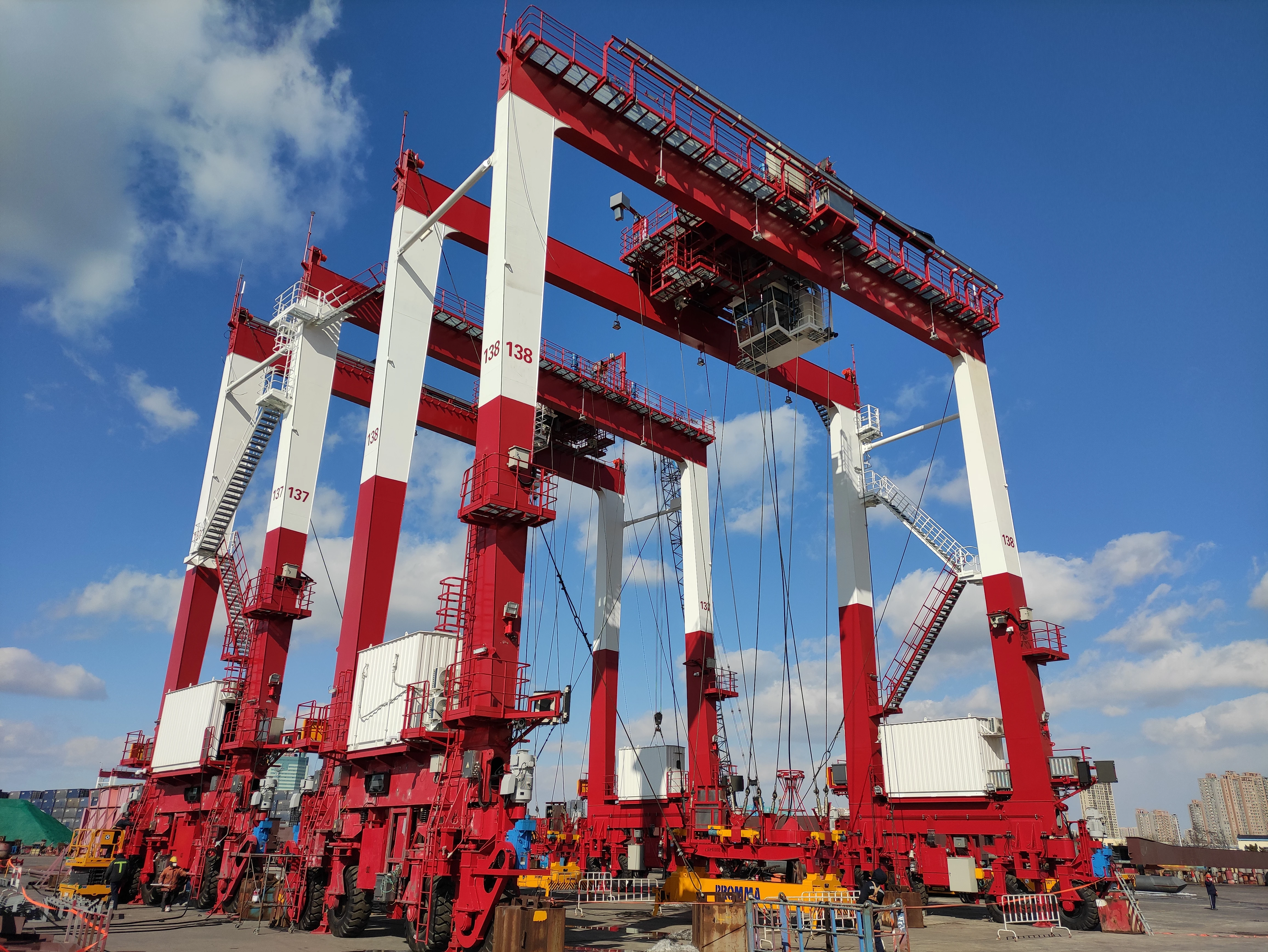
You see cargo crane: path planning reduces near misses every day in busy ports. Safety is important because near misses can happen anytime. In 2022, ports reported 2,400 incidents. Half of these happened inside port boundaries. You face risks like collision, load sway, and human error when you work with cargo crane: path planning reduces near misses. Human error can cause more than one kind of problem. CEGC helps you meet market-standard safety rules and gives project-based customization. Look at this table to see the main safety risks you face:
|
Safety Risk |
Description |
|---|---|
|
Operator Error |
Mistakes made by crane operators, like loading wrong and not checking for defects. |
|
Mechanical Error |
Failures from worn parts or not enough maintenance on crane parts. |
|
Lack of Training |
Not enough training leads to unsafe work and more accidents. |
|
Load Dropping or Slipping |
Risks from loads not secured right that can fall and hurt workers. |
|
Crane Collisions |
Cranes hit other machines or buildings because of bad communication. |
|
Electrical Hazards |
Risks of electric shock from cranes working near power lines. |
|
Poor Maintenance Leading to Failures |
Equipment breaks because it is not cared for well, causing accidents. |
|
Inadequate Visibility |
Blind spots and bad visibility cause crashes and dropped loads. |
Cargo crane: path planning reduces near misses when you focus on stopping collisions. You use planning to avoid human error. Each operator can help lower collision and near misses with the right tools. Human error, collision, and safety risks go down when you use planning for cargo crane: path planning reduces near misses. Human error and collision do not have to happen every day.
Key Takeaways
-
Path planning helps lower near misses and crashes in cargo crane work. It lets cranes move on the safest paths, which cuts down on mistakes people make.
-
Using collision prevention systems with real-time sensors makes things safer. These systems give warnings and can stop cranes by themselves to avoid accidents.
-
Regular training and good talking between operators are very important. They make sure everyone knows safety rules and help stop operator mistakes.
Safety risks and collision prevention in cargo crane operations
Defining near misses and safety challenges
You work in container terminals with many dangers. A near miss is an event that almost causes harm or damage but does not. For example, a load might swing close to a worker but not hit them. Industry rules say you should report every near miss. You need to investigate these events to find out why they happened. This helps you fix problems and stop them from happening again. Reporting near misses keeps workers safe and lowers accident risk. You face safety problems from heavy machines, moving cargo, and working with others. Following safety steps and rules makes your work safer.
-
Near misses happen because people make mistakes or machines break.
-
You need safety systems and training to have fewer accidents.
-
Good teamwork and talking help you avoid crashes and injuries.
Common causes: load sway, wind, and operator error
Collision risk goes up when loads sway, wind blows, or operators make mistakes. Load sway makes it hard to place cargo exactly where it needs to go. Wind can push cranes or handlers off their path. Operators with different skills can change how safe the job is. Look at this table to see how wind affects your work:
|
Key Point |
Explanation |
|---|---|
|
OSHA's Position |
OSHA does not set a fixed wind speed limit for crane operation. |
|
Manufacturer Guidelines |
OEMs give wind speed limits for each crane type and load. |
|
Real-time Monitoring |
You need to check weather conditions to maintain safety and compliance. |
You must use safety systems and training to lower risks in dangerous places.
Collision prevention systems and anti-sway technology
You can lower collision risk with special collision prevention systems and anti-sway technology. These systems use sensors, alarms, and control units to find obstacles and warn you about danger. The system can slow down or stop the crane to keep it safe. Here are the main parts of collision prevention systems:
|
Component |
Function |
|---|---|
|
Sensors |
Find obstacles and give real-time data about distance and position. |
|
Control Unit |
Uses data to help the crane work safely. |
|
Alarms |
Warn you with lights and sounds. |
|
Braking Mechanisms |
Slow or stop the crane to prevent crashes. |
|
Software Interface |
Shows you system status and checks for problems. |
Anti-sway technology cuts down load movement by two to three times compared to old systems. This makes container terminals safer, lowers crash risk, and helps work go faster. CEGC gives you anti-sway control, safety locks, and operator-centered HMI for better safety and collision prevention. You get steadier work and fewer accidents when you use these solutions.
Path planning for cargo crane safety and efficiency
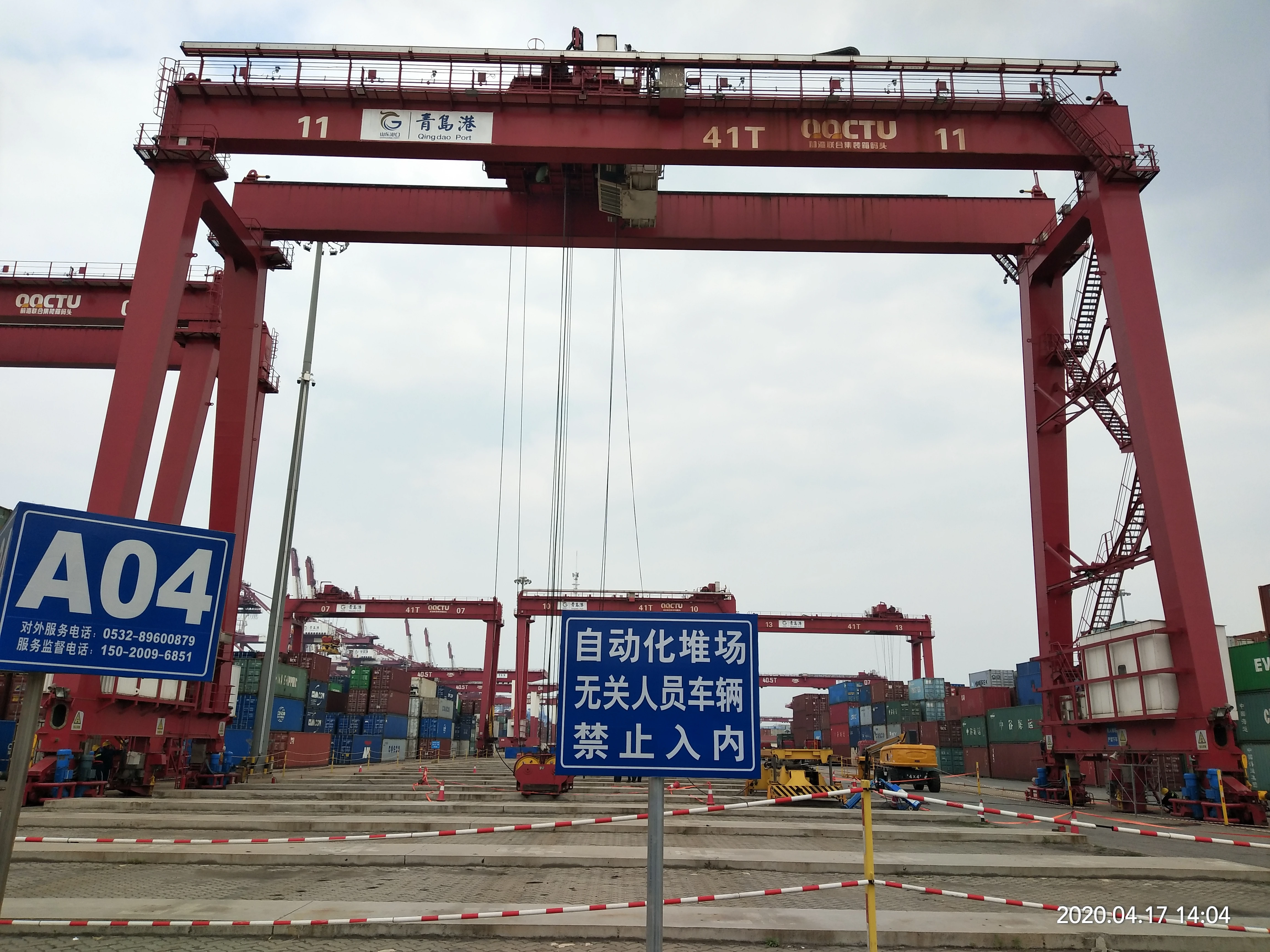
How path planning reduces near misses and collisions
Planning helps make cargo crane work safer and faster. It moves containers by itself, so operators do not have to do as much. This means fewer mistakes and less chance of a crash. When you follow a set path, cranes and loads stay away from danger. Planning also helps you use your time and tools better, so you get more done.
-
Planning keeps cranes on the safest path and stops extra moves.
-
Automation helps stop mistakes and keeps work going smoothly.
-
Safety gets better because planning uses sensors to warn you about danger.
You see fewer close calls and crashes when you plan. You also save money because you use your machines better.
Real-time obstacle detection and predictive movement
You need real-time checks to keep your job safe. Planning uses sensors to find things in the way and guess where trouble might happen. These sensors are 2D LiDAR, 3D LiDAR, cameras, ToF cameras, and stereo vision. Each sensor helps you watch the area around the crane and spot danger before it causes a crash.
|
Sensor Type |
Description |
Advantages/Disadvantages |
|---|---|---|
|
2D LiDAR |
Finds things close by but cannot tell what they are. |
Used a lot but slows work because it cannot tell objects apart. |
|
3D LiDAR |
Gets 3D data and knows what kind of object it sees. |
Needs more units on cranes, which costs more than cameras. |
|
Camera |
Uses smart tech to spot objects in live video. |
Can fit into old systems but has trouble seeing shapes clearly. |
|
ToF Camera |
Measures distance with infrared light. |
Does not work well far away and can be bothered by outside noise. |
|
Stereo Vision |
Uses two cameras to guess distance. |
Needs extra gear, which is hard for cranes that work all the time. |
Planning uses these sensors to watch the crane’s path. If something is in the way, the system warns the operator. The system can also slow down or turn the crane to stop a crash. Predictive movement helps you stop accidents before they happen. The AI in the crane looks at data and makes changes right away. You do not have to wait for a problem. The system acts fast to keep you safe.
Integration with collision prevention systems
You get more safety when planning works with collision prevention. Sensors watch where things are, how fast they move, and blind spots. The software puts all this together and gives you warnings. You get a warning if something is too close. The operator can act fast to stay safe. The system also keeps a safe space between cranes and vehicles. If they get too close, the system moves them apart to stop a crash.
-
Planning and prevention work together to keep you safe.
-
The operator makes the final choice, but the system gives you help.
-
Real-time checks and planning make sure you do not miss danger.
You see fewer accidents because the system helps you choose better. The planning algorithm also helps you control many cranes and vehicles. This keeps the whole port working well.
Measurable safety improvements and CEGC solutions
You can see the good results from planning and prevention. At the Port of Singapore’s Tuas Terminal, automated cranes with planning worked 30% better and used 20% less energy. Most important, there were over 90% fewer crane accidents. These numbers show that planning and automation really help.
|
Safety Technology |
Description |
|---|---|
|
Give operators live video of blind spots and load areas, so they can see better and make good choices during hard lifts. |
|
|
Load Moment Indicators (LMI) |
Watch boom angle, radius, and load weight in real time, warning operators about overloads and keeping lifts safe. |
You can count on CEGC to give you top performance and custom plans for every cargo crane, portal crane, container crane, and container handling machine. CEGC has planning systems that fit your needs, like anti-sway control, safety locks, and operator-centered HMI. You can pick the right sensors, automation, and safety for your port. Operators say planning and automation make their jobs safer and easier. You get fewer close calls, better crash prevention, and a safer place to work.
Tip: Use planning and automation to cut down on mistakes, make things safer, and keep your port running well.
You get better safety when you use path planning and collision prevention with cargo cranes. Research shows that dynamic path planning lowers crash risks and makes work safer. Many ports now use smart collision prevention systems and digital twins to help with safety and speed. You get help from AI-based collision avoidance, real-time danger checks, and 3D LiDAR maps. CEGC gives you safety that meets market rules, custom options, and new technology.
|
Step |
Description |
|---|---|
|
1 |
Set AGV transport jobs and pick the shortest route first. |
|
2 |
Use better algorithms to make forces for goals and obstacles. |
|
3 |
Figure out push-away forces between AGVs to stop crashes. |
|
4 |
Keep planning and changing paths until all AGVs finish their jobs. |
-
Ports around the world use collision prevention systems to make things safer.
-
You see new ideas like self-driving navigation and worldwide watch networks.
-
AI and 5G make cargo crane work safer and faster.
You spend money on path planning and collision prevention to get better safety and speed at your port. CEGC helps you reach your safety goals with trusted solutions.
FAQ
What is path planning in cargo cranes?
Path planning helps your crane move safely. It chooses the best route for each lift. You avoid obstacles and reduce near misses.
How do collision prevention systems work?
You use sensors and alarms. These tools watch for danger. The system warns you or stops the crane if something gets too close.
Can you customize CEGC solutions for my port?
Yes, you can. CEGC offers project-based customization. You pick the right sensors, safety features, and automation for your port’s needs.


