
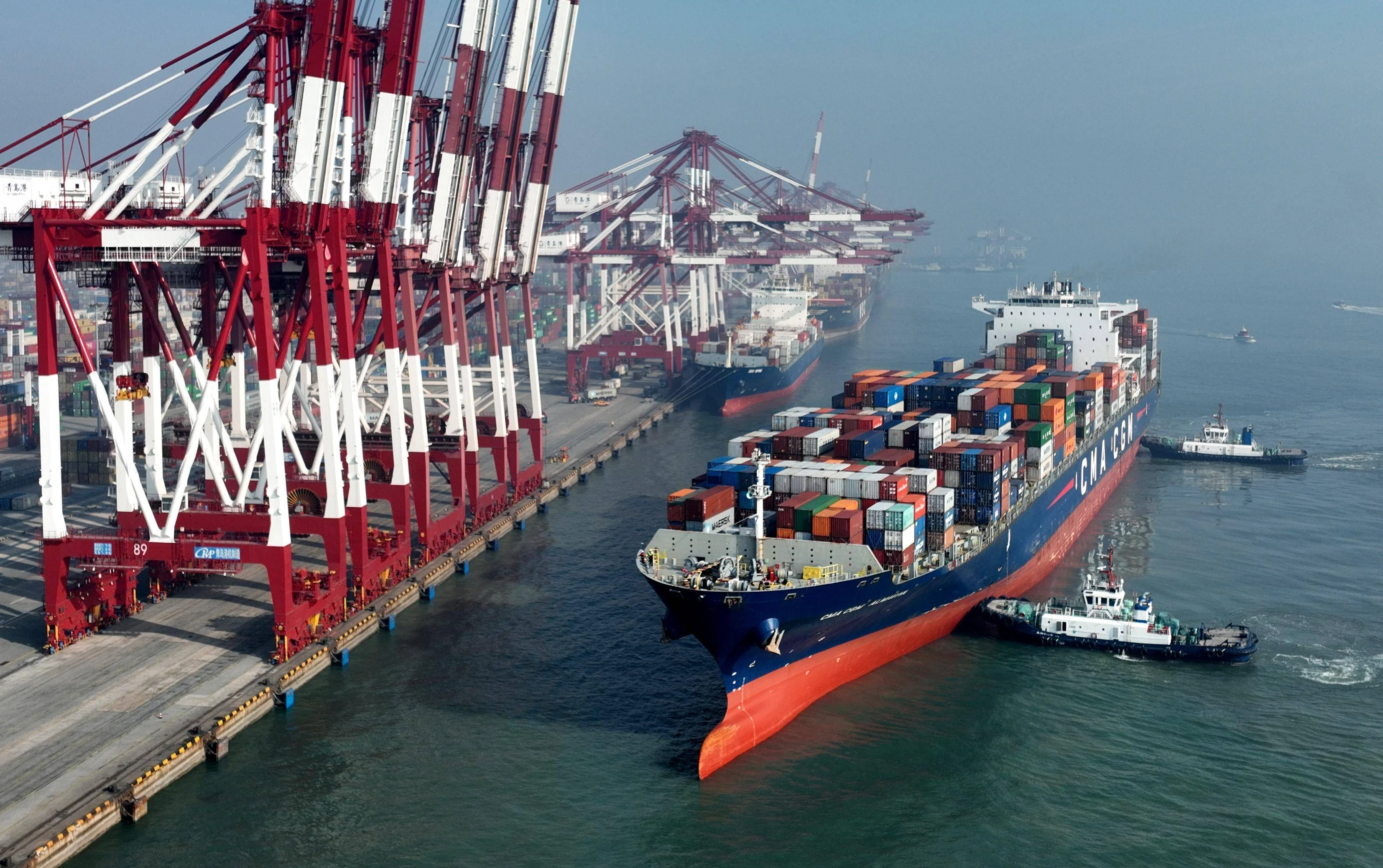
You can see how CEGC's Reach Stacker: path planning makes peaks manageable when ports get crowded and safety problems make work harder. When things get busy, it is tough to move containers. CEGC provides better reach stacker solutions with smarter path planning that cuts down on delays and keeps everyone safe.
-
Port congestion makes things move slower and waiting longer.
-
Safety risks go up when ships wait and containers pile up.
Key Takeaways
-
Path planning helps reach stackers work better when it is busy. It cuts down on waiting and idle time. This makes everything run more smoothly.
-
Safety features like anti-sway control and collision avoidance keep workers and machines safe. These systems stop accidents and help move containers safely.
-
Predictive maintenance keeps reach stackers working well. It finds problems early. This means less downtime and saves money.
Reach stacker efficiency during peak workflow
Key challenges in peak operations
When ports get busy, using a reach stacker is hard. You have to work fast when many containers arrive at once. Space can get very tight. Reachstacker machines move containers between trucks, trains, and ships. They work well in small areas and on rough ground. This makes them good for busy ports. But you still face problems like load sway and safety risks. Workflow bottlenecks can slow things down. If containers are not lined up right, they can bump into each other. This can break containers and damage equipment. These problems happen more when you stack containers quickly. You need to be careful and use safe lifting systems to avoid these risks.
-
Working better helps you stack containers faster.
-
Safety features, like anti-tip devices, keep everyone safe.
-
Strong reach stackers and good maintenance save money later.
You can make your work better by planning how much you can handle. Changing shift times and using buffer zones also help. Predictive analytics let you see when things will get busy. This helps you plan overtime. Clear rules and working with partners make logistics better and stop mistakes.
Impact of workflow bottlenecks on reachstacker performance
Workflow bottlenecks make reachstackers slower and ports less productive. When the yard is crowded, you have to move containers more times. This wastes time. Gate delays mean trucks wait in long lines. Workers have nothing to do while waiting. These problems hurt how well the port works.
|
Evidence Type |
Description |
|---|---|
|
Vessel Turnaround Time Impact |
Cutting vessel turnaround time by 10% can boost throughput by about 8%. |
|
Yard Congestion Effects |
Crowded yards cause stacking problems and extra moves, making things less efficient. |
|
Gate Delays Consequences |
Gate delays make long truck lines and idle workers, which lowers port throughput. |
Terminals using automation and big data work better with containers. Simulation models and real-time checks help you find bottlenecks fast. Real events, like the Suez Canal blockage and COVID-19, show how bottlenecks hurt logistics and reach stacker work. You can work better by using CEGC’s standard specs and making your equipment fit your needs.
Path planning: making reach stacker peaks manageable
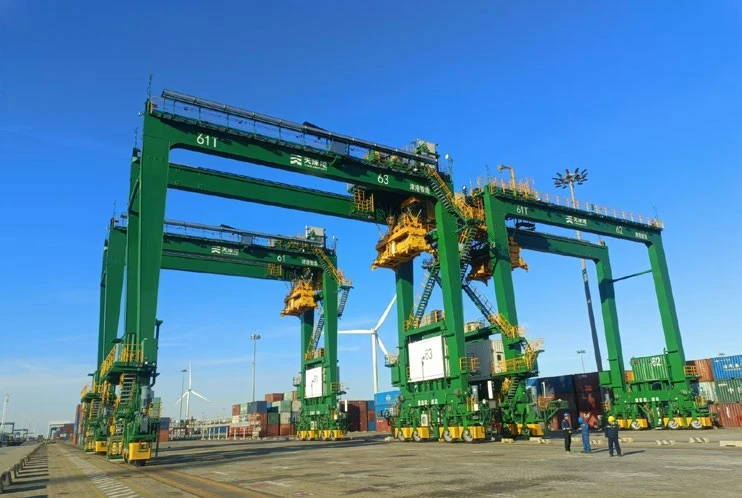
How path planning optimizes reachstacker workflow
Path planning helps reachstackers work better during busy times. Smart path planning keeps the yard moving and stops congestion. You do not waste time waiting for space or looking for containers. You know where each reachstacker should go and when to move. This makes loading and unloading easier.
Path planning cuts idle time. For example, using a crane every minute during peak hours means you do not waste time. Machines do not sit still. If you add 10% more ground slots, waiting times drop by about 15%. Stacking optimization lowers container moves by 25%. This saves time and lets you handle more material.
|
Evidence Description |
Quantitative Result |
|---|---|
|
A 10% increase in ground slots cut waiting times |
by roughly 15% after rebalancing allocation and workflows |
|
Stacking optimization reduced container relocations |
by about 25% in a pilot study, decreasing idle time for container cranes and reducing truck queue time at the gate |
Path planning systems use real-time data from IoT sensors. You get better route planning and improved maintenance schedules. These features help your reachstacker work at top efficiency. You can handle more containers with less effort.
|
Feature |
Contribution to Workflow Optimization |
|---|---|
|
Makes job assignments and updates easier, improving workflow. |
|
|
Safety Features |
Uses yard exclusion zones and emergency rules for safe operations. |
|
Operational Efficiency |
Models travel distances and moves to use equipment better. |
Technical solutions: anti-sway, safety, and predictive maintenance
Busy ports have risks like load sway, collisions, and breakdowns. Path planning uses technical solutions to fix these problems.
Anti-sway control stops loads from swinging. You can move containers safely and put them where you want. Collision avoidance uses smart sensors to prevent accidents and protect equipment. Multi-axis coordination lets you move in complex ways without mistakes. Redundant safety systems make sure your reachstacker follows all safety rules.
|
Solution |
Description |
|---|---|
|
Anti-Sway Control |
Stops load swing for safer, more accurate handling. |
|
Collision Avoidance |
Uses sensors to prevent accidents and protect equipment. |
|
Multi-Axis Coordination |
Allows complex moves across different crane axes. |
|
Redundant Safety Systems |
Makes sure performance is safe and follows regulations. |
Predictive maintenance keeps your reachstacker ready to work. Modern machines use telematics and fleet management systems. These tools track performance, engine hours, and health. You get real-time tracking of machine health. You can fix problems before they cause downtime. Predictive maintenance stops sudden failures and helps your equipment last longer.
-
Global Ports Group uses AI-driven predictive maintenance to cut downtime and improve safety.
-
Machine learning checks real-time data to find problems early.
-
You can plan maintenance before something breaks, saving time and money.
Predictive analytics tools use live sensor data to predict maintenance needs. They watch temperature, vibration, and other signs. The system cleans and filters data, then uses machine learning to spot trouble early. You get alerts before a failure happens. This keeps your equipment running longer and more reliably.
CEGC’s approach to efficient container handling
CEGC uses smart systems and automation to handle containers better. Path planning makes reachstacker peaks manageable and boosts efficiency and safety. CEGC adds automation to speed up truck processing and cut congestion. Smart systems help you handle more containers with less effort.
|
Feature |
|
|---|---|
|
Automation |
Adds automation to make things more efficient |
|
Smart Systems |
Uses smart systems to lower congestion |
|
Truck Processing Speed |
Speeds up truck processing |
|
Terminal Efficiency |
Makes the terminal work better |
You see real gains in productivity and utilization. CEGC’s solutions improve crane productivity by an average of 18%, with some sites seeing up to 30%. Yard utilization also goes up by 30%. You get better equipment use and smoother container handling.
|
Improvement Type |
Average Gain |
Maximum Gain |
|---|---|---|
|
Crane Productivity |
18% |
30% |
|
Yard Utilization |
18% |
30% |
Automation and analytics are important in CEGC’s approach. Automation lowers the mental load on operators and makes moves consistent. Analytics give you real-time data to make smart choices. Route guidance shows the best paths for your reachstacker. Cycle time insights help you find bottlenecks and fix them fast. Data synchronization links telematics with your terminal operating system for better analysis.
-
Automation gives operators better visual feedback.
-
Collision avoidance kits and 3D cameras warn drivers to stop accidents.
-
Continuous monitoring and feedback loops keep safety high.
With CEGC, you can make your workflow faster and safer. You get reliable material handling for shipping and logistics. Path planning makes reachstacker peaks manageable, so you can handle busy times with confidence and keep your operations running smoothly.
You can make reach stackers safer with CEGC’s smart systems. These systems help you work better and faster. Automation helps machines do jobs on their own. Predictive maintenance finds problems before things break. This keeps your supply chain strong and moving. The logistics industry gets better with these new tools. Distribution is faster and more reliable. Future-ready solutions will change shipping for the better. They will also help distribution centers do more work.
|
Benefit |
|
|---|---|
|
Variable-frequency drives |
Use less energy, start smoothly |
|
Regenerative systems |
Save energy when braking |
|
Intelligent standby modes |
Use less power when not working |
FAQ
How does path planning help you during peak times?
Path planning shows you the best route for your reach stacker. You avoid traffic, save time, and keep your work safe and smooth.
What safety features do CEGC reach stackers offer?
-
Anti-sway control keeps loads steady.
-
Collision sensors help you avoid accidents.
-
Safety interlocks protect you and your team.
Can you use CEGC equipment in harsh port environments?
|
Feature |
Benefit |
|---|---|
|
Anti-corrosion |
Stops rust and damage |
|
Strong design |
Handles heavy use |
You get reliable performance in tough conditions.


