
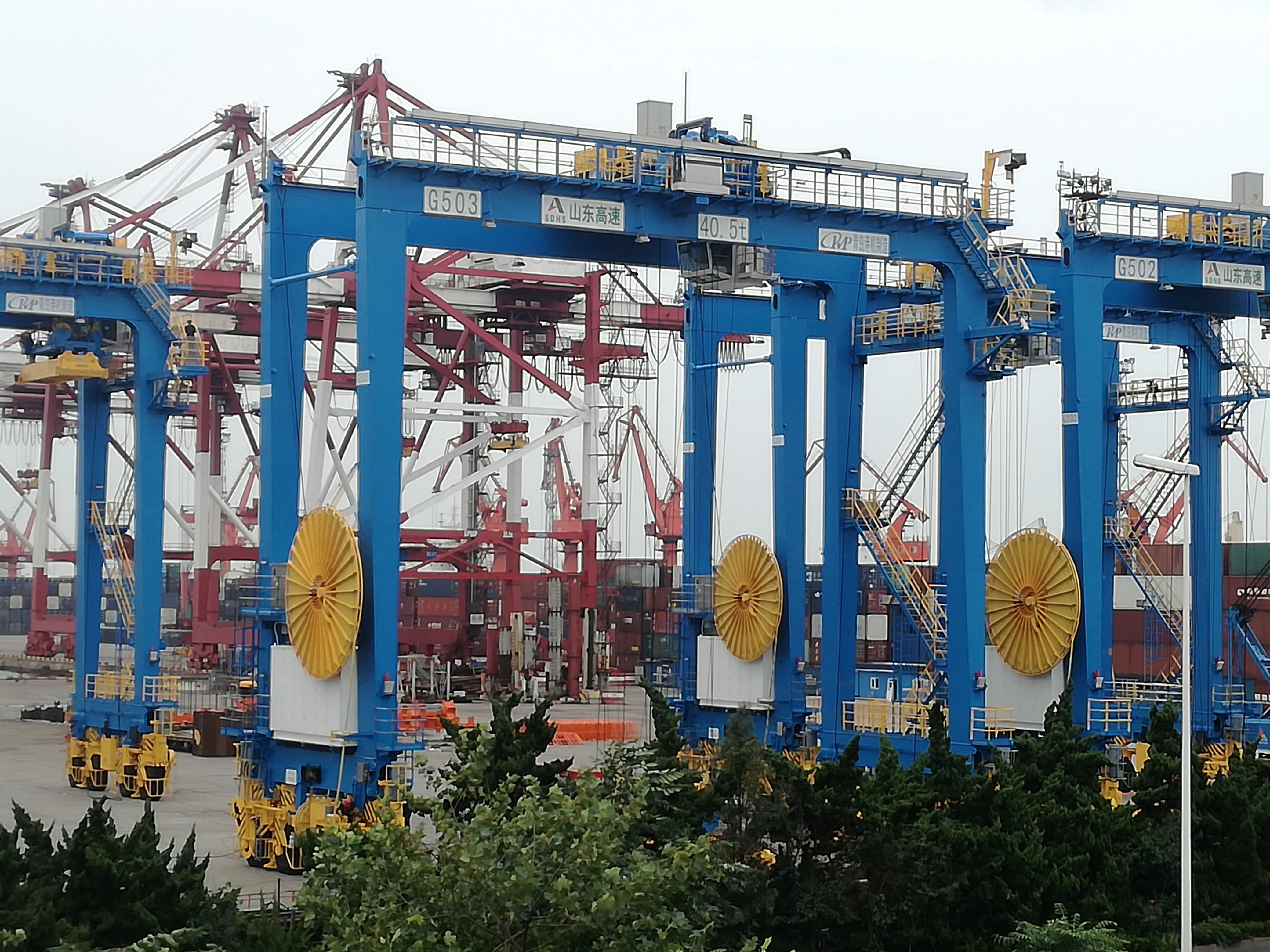
Container handler path planning reduces fuel use significantly. It achieves this by minimizing unnecessary movements, reducing wait times, and optimizing routes.
-
Fuel costs account for approximately 45% to 50% of all expenses associated with container handling equipment in ports.
-
By implementing container handler path planning, you not only save fuel but also contribute to reducing pollution.
Container handler path planning reduces fuel use, enabling compliance with stringent environmental regulations. CEGC provides innovative solutions that leverage container handler path planning to save fuel and ensure adherence to these regulations. By selecting advanced systems, container handler path planning reduces fuel use and enhances profitability. With container handler path planning reducing fuel use, you can improve operational efficiency and maintain a competitive edge in your industry.
Key Takeaways
-
Container handler path planning helps save fuel. It does this by cutting down on extra moves and waiting time. - Using smart technology and AI to plan routes can save up to 25% on fuel. It also makes deliveries faster and better. - Predictive maintenance and anti-sway systems make things safer. They help machines last longer and cost less to run.
Main Causes of Fuel Waste in Container Handling
Unnecessary Movements and Idle Time
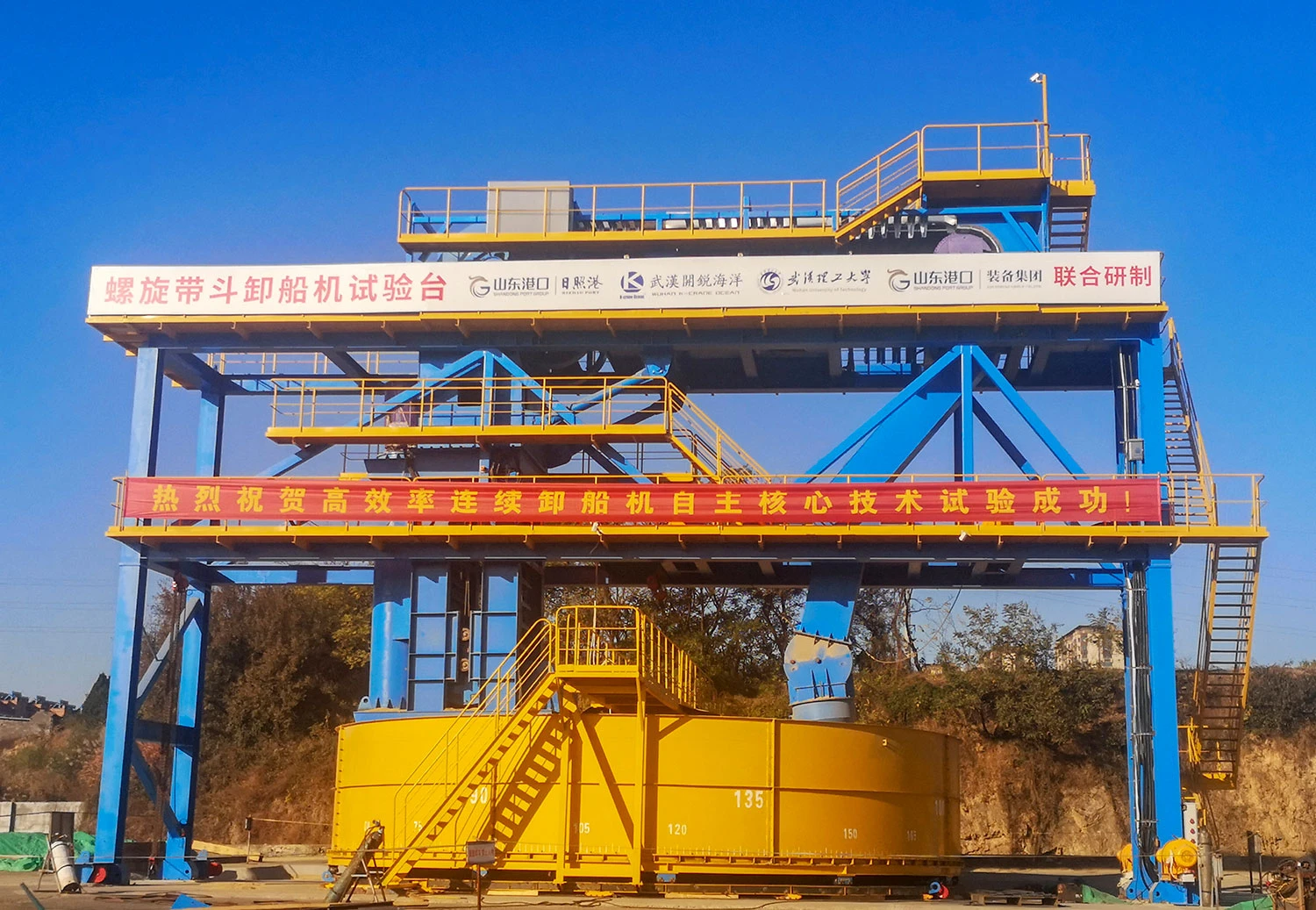
Unnecessary movements and idle time happen a lot in the container yard. These actions make fuel costs go up and slow down work. Moving containers without a plan wastes energy and makes shipping more expensive. Smart scheduling and port-call optimization can help cut fuel use by 10–15%. They also help reduce delays by up to 30%. Leaving containers idle means you lose time and money. Check the table below to see how these things affect fuel use:
|
Evidence Description |
Impact on Fuel Consumption |
|---|---|
|
Port-call optimisation and speed adjustments |
10–15% reduction in fuel consumption |
|
Smart scheduling |
Reduction in unnecessary fuel burn |
|
Dynamic rescheduling |
Improved fuel efficiency |
Route Inefficiencies and Poor Coordination
Route inefficiencies in the yard make fuel costs higher and waste workers’ time. Poor coordination means you spend more time and fuel moving containers around. Route inefficiency causes 60-80% of waste-handling costs in collection and transport. Limited visibility in container management makes shipping slower and costs more money. Better planning is needed to stop these problems.
|
Pain Point |
Description |
Impact on Operations |
|---|---|---|
|
Idle Containers |
Inefficient routing and unused assets |
Revenue loss due to idle inventory |
|
Route Inefficiency |
High waste-handling costs |
Increased labor hours and fuel waste |
|
Limited Visibility |
Outdated container management |
Poor operational response |
Safety Risks and Equipment Wear
Safety risks and equipment wear in shipping make fuel costs and maintenance needs go up. Load sway and collision risk make it hard to place containers exactly right. Anti-sway technology in container gantry cranes helps stop accidents and saves energy. Watching key performance indicators like fuel use and equipment readiness helps you find problems early. Predictive maintenance keeps the yard working well and lowers fuel costs. Smoother crane moves need less power for quick changes, so you save fuel and have less downtime.
Tip: Use anti-sway systems and predictive maintenance to make your container yard safer and use less fuel.
How Container Handler Path Planning Reduces Fuel Use
Route Optimization and Delivery Efficiency
You can use route optimization to save fuel in your container yard. This technology uses smart computer programs to make delivery paths better. It looks at traffic, vehicle type, and delivery times. You travel shorter distances and spend less time waiting. When you plan routes well, you save fuel and spend less money.
-
Route optimization technology lets you:
-
Make each container handler travel less.
-
Change routes quickly if traffic or yard conditions change.
-
Use past data to plan better routes next time.
-
Cut down on extra driving to lower emissions.
-
You can see real results with route optimization. Many ports save 10% to 25% on fuel after using digital route planning. Deliveries get faster and equipment is used better. CEGC has special software for route planning that helps with these changes. You can set up the system to fit your port.
AI Route Optimization for Real-Time Adjustments
AI route optimization changes how you move containers. You do not have to use the same routes every time. AI uses live data to change routes right away. This helps you avoid traffic, equipment problems, and bad weather. UPS’s ORION system is a good example of AI route optimization. It saves over 10 million gallons of fuel each year. It also cuts CO₂ by more than 100,000 metric tons. Amazon uses AI to save fuel and deliver faster too.
|
Case Study |
Annual Fuel Saved |
Cost Savings (USD) |
CO₂ Reduced (metric tons) |
Delivery Efficiency |
|---|---|---|---|---|
|
UPS ORION |
10+ million gallons |
$50+ million |
100,000+ |
8 miles reduced per driver |
|
2025 AI Systems |
18% reduction |
Varies by scale |
30% decrease |
25% faster deliveries |
|
Cement Manufacturer |
500,000+ gallons |
$2+ million |
Significant reduction |
30% faster operations |
|
Retail Last-Mile |
250,000+ gallons |
$500,000+ |
30% reduction |
25% faster deliveries |
You can use AI route optimization to get these kinds of results. The system learns from what happened before and keeps getting better. You get routes that change as things change in your yard. This means you use less fuel, make less pollution, and plan better delivery routes.
Optimise Delivery Routes with Smart Technology
Smart technology helps you plan delivery routes better and work faster. AI systems look at lots of data. They watch traffic, weather, and equipment. You get new routes that skip traffic and delays. When vehicles are given jobs based on their load, things run smoother.
-
AI systems:
-
Watch traffic and weather as it happens.
-
Pick the shortest and fastest way for each job.
-
Help you save up to 25% on fuel.
-
Check how drivers act to stop wasteful habits.
-
Lower emissions and help you meet green goals.
-
Using smart technology for planning can cut costs by 15% to 35%. You also use less fuel and make less pollution. CEGC’s equipment works with these smart systems. You can pick options for saving energy, fixing problems before they happen, and making work flow better. This gets your port ready for what’s next.
Additional Benefits: Maintenance, Safety, and Environment
Better path planning does more than save fuel. You also pay less for repairs and your machines last longer. Shorter routes mean less damage to your container handlers. You fix them less and they work longer. Fewer crashes and route problems make your yard safer. You do not need to fix things as often, so you save time and money.
CEGC’s solutions have anti-sway systems, predictive maintenance, and energy-saving features. These tools help you:
|
Feature |
Description |
|---|---|
|
Improved Safety |
Stops loads from swinging and lowers crash risks. |
|
Increased Operational Efficiency |
Lets you go faster without losing control, so you move more containers. |
|
Reduced Cargo Damage |
Gentle moves keep containers from getting hurt. |
|
Early Problem Detection |
Sensors find issues before things break. |
|
Energy Efficiency |
Electric or hybrid machines use less energy and make less pollution. |
|
Optimization Algorithms |
Help you pick the best times to use and fix equipment. |
Making work flow better and saving energy are important too. AI helps cut pollution by planning ship schedules and stopping long waits. Smart ports using IoT and AI save about 18% on energy. You can move cargo 10–30% faster, which means ships and trucks wait less and make less pollution.
Tip: Use predictive maintenance with path planning to cut downtime by up to 20%. This keeps your yard running well and saves fuel.
You can solve problems like old systems and data that is not shared by picking flexible solutions and training your team. CEGC can change its systems to fit your port’s size, needs, and how much you want to automate. This helps you get the best results for your port.
You get less pollution, save money, and help the environment when you use container handler path planning. Learning how to use these tools is important. Good rules and working together make it easier to use them. CEGC gives help and lets you pick equipment that fits your needs. Look at the table below to see how these choices help you for a long time:
|
Benefit |
Result |
|---|---|
|
cost reductions, sustainability |
|
|
Increased trips |
lower emissions, more revenue |
|
Emission reduction |
better sustainability |
FAQ
How does container handler path planning save fuel?
You use less fuel because you avoid extra driving and idle time. Smart routes help your container handler work faster and more efficiently.
Can CEGC equipment work with AI and smart planning systems?
Yes. You can connect CEGC container cranes and handlers to AI route planning. This helps you save energy and improve your port’s workflow.
What other benefits do you get from path planning?
You get safer yards, less equipment wear, and lower emissions. You also reduce maintenance costs and improve your port’s overall performance.


