
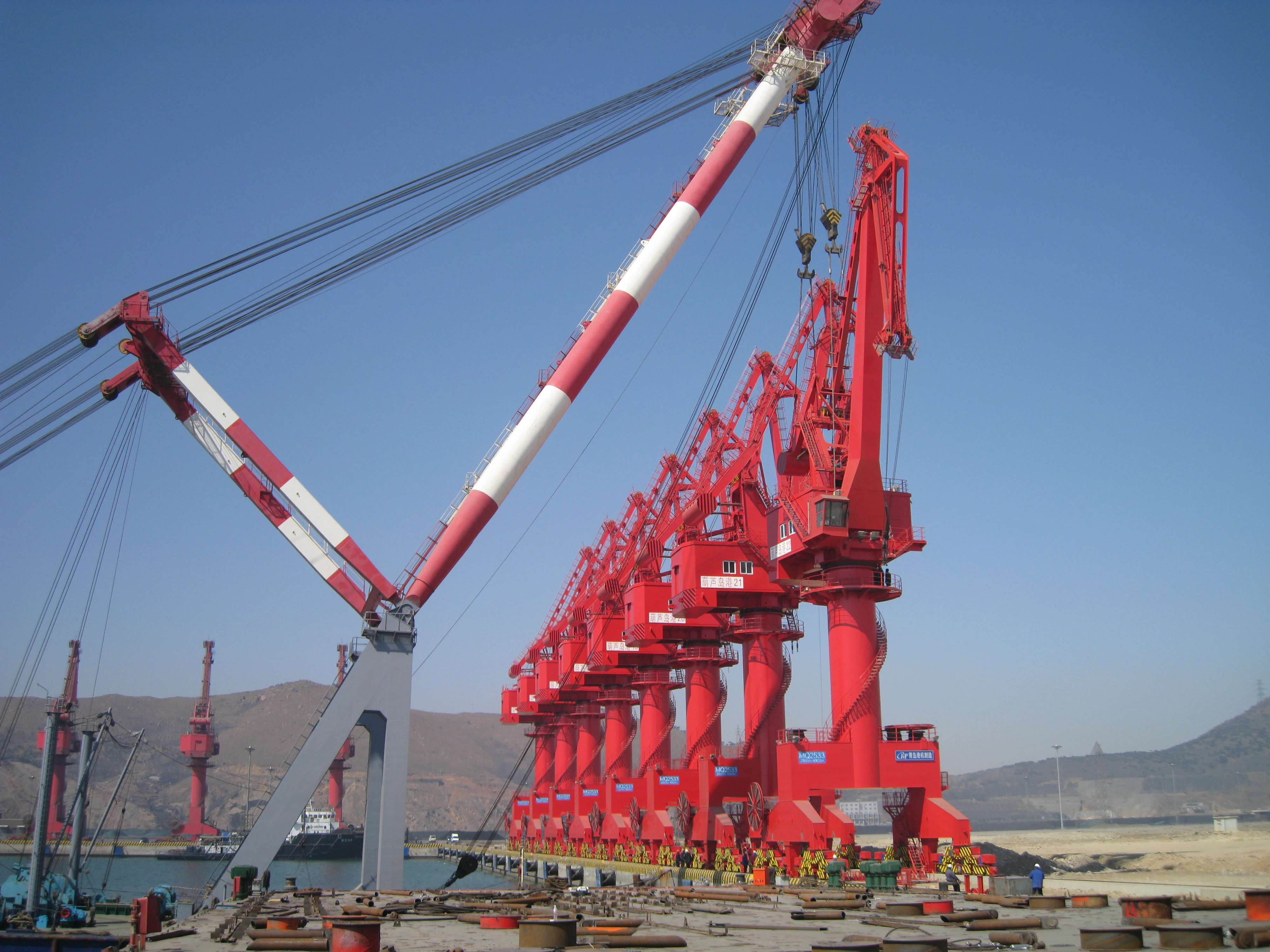
Ship crane path planning reduces deck interference and is crucial for efficient operations. This planning allows you to effectively guide the portal crane and container crane, as well as other container handling equipment. By implementing smart path ideas from CEGC, you can prevent collisions and enhance safety. With effective ship crane path planning, you can improve your workflow and minimize errors.
Key Takeaways
-
Good ship crane path planning helps stop deck interference. This makes work safer and faster. Use an easy planning process. First, map the decks. Next, use a path algorithm. Then, test with simulations. Change the paths to miss obstacles. Use anti-collision and anti-sway systems. These help stop accidents. They also keep loads steady when using the crane.
What is deck interference
Deck interference definition
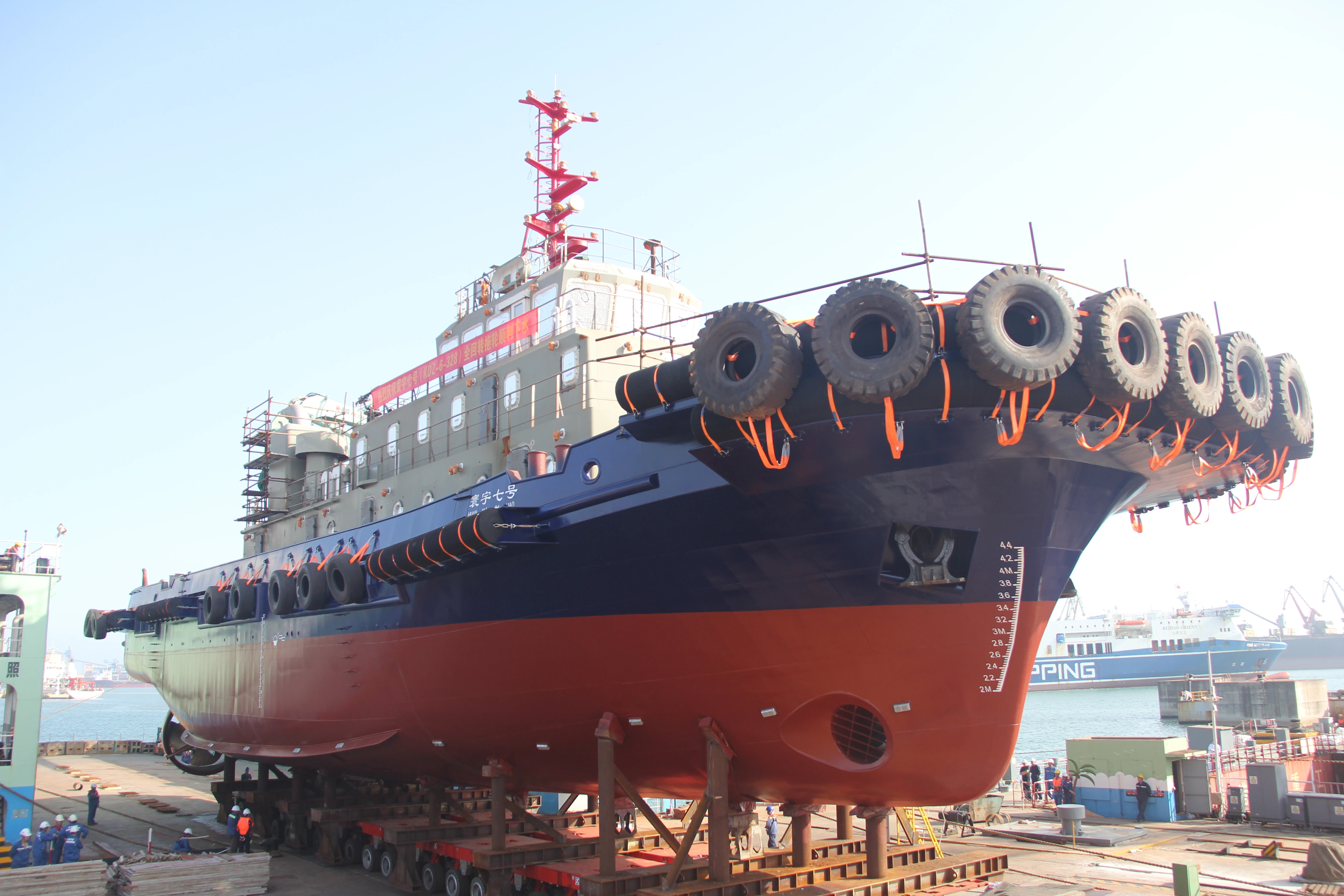
Deck interference happens when cranes move things on the ship. The decks can get crowded with equipment, containers, and people. When a crane’s path crosses with other things or people, it causes interference. This can stop movement or make things slow. You need to watch where the crane goes and how the deck is set up. Deck interference affects portal crane, container crane, and other container handling equipment. If you do not plan the crane’s path, interference can cause accidents or slow work. It is important to keep decks clear and make sure the crane’s path is safe.
Operational challenges
Deck interference makes crane operations harder. There are risks like crashing, load sway, and crowding. If the path is blocked, the crane might hit containers or equipment. Load sway makes it tough to put cargo in the right spot. You must look out for safety problems on decks. CEGC gives ways to help with these issues. Planning helps you avoid interference and makes crane work better. Here is a table that lists common problems from deck interference:
|
Category |
Specific Issues |
|---|---|
|
Hydraulic System Issues |
Leaks or failures can cause power loss or erratic operation. |
|
Motor Failures |
Problems with motors can prevent crane functionality. |
|
Wire Rope Failures |
Worn or broken ropes can lead to dangerous situations. |
|
Electrical Problems |
Malfunctions can disrupt operations. |
|
Power Supply Issues |
Inconsistent power can hinder performance. |
|
Structural Issues |
Wear, corrosion, and fatigue cracks can weaken the crane. |
|
Operational Problems |
Errors from inexperienced operators and improper maintenance can cause failures. |
|
Safety Mechanism Failures |
Brake and limit switch failures can lead to accidents. |
|
Environmental Factors |
Weather and saltwater exposure can increase risks. |
|
Communication Issues |
Poor coordination can lead to mishandling of cargo. |
|
Software/Automation Failures |
Control system errors and sensor malfunctions can cause operational failures. |
You should keep decks neat and plan the crane’s path. This helps lower interference and keeps everyone safe.
Ship crane path planning reduces deck interference
Planning process
You need a simple planning process to help ship crane path planning reduce deck interference. First, you map the decks and mark where obstacles are. Then, you use a path algorithm to pick the best route for each crane. The algorithm checks for equipment, containers, and people on the decks. You can test your plan with simulation software before lifting starts. This lets you see where interference could happen. You change the path to avoid these spots. You do this for every lifting job.
You use the planning process for all cranes, like portal crane, container crane, cargo crane, and ship loader. You also use it for container handling equipment such as reach stacker and container gantry crane. You plan the path for each lifting job. You check the decks and update the plan if things change. The algorithm helps keep the path safe and clear. You can use optimization to make lifting faster and safer.
You follow these steps for planning:
-
Map the decks and mark obstacles.
-
Use a path algorithm to find the best route.
-
Test the plan with simulation software.
-
Change the path to avoid interference.
-
Repeat for every lifting job.
This strategy keeps decks clear and safe. You make sure the path is ready for the next lifting job. Planning helps reduce interference and makes crane work safer.
Anti-collision and anti-sway systems
You need anti-collision and anti-sway systems to help ship crane path planning reduce deck interference. These systems use sensors and algorithms to watch the decks and the path. They help you avoid accidents during lifting jobs. You use a safe load indicator to check weight and balance before lifting. Crane safety devices stop the crane if something blocks the way.
Modern anti-collision systems use sensors like laser radar and infrared. These sensors check how far and how fast objects move on the decks. The system uses an algorithm to decide if the crane should stop or change its path. The controller sends a signal to slow down or stop the crane. This strategy keeps lifting jobs safe.
Anti-sway systems help keep the load steady while lifting. The system uses an algorithm to control speed and movement. This lowers the swing of the load. You use a safe load indicator to make sure the load is stable. Crane safety devices stop the crane if the load swings too much. This strategy keeps decks safe.
Note: Anti-sway control and safety interlocks help lower accidents. These systems do not depend only on the operator. They use algorithms to keep the load steady and the path clear. You feel safer because the system helps avoid collisions and dropped loads.
You use these systems for all cranes, like portal crane, container crane, cargo crane, and ship loader. You use them for container handling equipment and offshore platform lifting jobs. The algorithm keeps the path safe and clear. Optimization makes lifting jobs faster and safer.
Efficiency and safety improvements
You get many benefits when you use ship crane path planning to lower deck interference. You see better efficiency and higher safety. Optimization makes lifting jobs faster. The algorithm keeps the path clear and safe. You use a safe load indicator to check the load before lifting. Crane safety devices stop the crane if something goes wrong.
You can see the improvements in this table:
|
Improvement Type |
Description |
|---|---|
|
Simulation |
You test the plan before lifting. You see where interference might happen and fix it. |
|
Technology Integration |
You use real-time control to improve crane throughput and reduce idle time. |
|
Crane-Truck Sync |
You match trucks to crane cycles. You reduce waiting and increase productivity. |
|
Data-Driven Allocation |
You use real-time data to adjust schedules and improve terminal throughput. |
You use these strategies for all cranes and container handling equipment. The algorithm helps plan the path and avoid interference. Optimization lowers downtime and improves cycle time. You use a safe load indicator to check the load and keep decks safe. Crane safety devices stop the crane if there is a problem.
You also follow international rules. You work with logistics providers, technology experts, and legal advisors. You make sure your planning and optimization meet all rules. The algorithm keeps the path safe and decks clear.
You use CEGC solutions for anti-sway control, safety interlocks, cycle-time optimization, marine durability, and predictive maintenance. These strategies help ship crane path planning reduce deck interference. You keep lifting jobs safe and efficient. The algorithm works for every path and every lifting job. Optimization gives the best results for your port, container vessel, or offshore platform.
Planning benefits for port operations
Real-world examples
You get real results when you plan ship crane paths. At busy ports, planning helps you avoid delays. It keeps the path open for every crane. When you plan, your team loads and unloads faster. For example, SORBA’s crane project made work 15% more efficient. Maersk used AI planning and cut maintenance costs by 20%. You can stop problems during trips and save lots of money. Planning ahead keeps cargo moving and lowers downtime. You also make your equipment last longer by using the right path and predictive maintenance.
|
Advantage |
Evidence |
|---|---|
|
Reduced Downtime |
Avoiding mid-voyage machinery failures can save hundreds of thousands of dollars. |
|
Lower Maintenance Costs |
Maersk estimated a 20% reduction in maintenance costs from its AI program. |
|
Improved Efficiency |
SORBA’s crane project noted a 15% increase in overall operational efficiency at the port. |
|
Enhanced Safety |
Proactive maintenance minimizes the risk of accidents such as engine room fires. |
|
Extended Asset Life |
AI maintenance systems recommend minor corrections that prevent excessive wear. |
Operational advantages
Planning crane paths gives you many good things. You make your team and equipment safer. You speed up loading and unloading. You spend less on repairs by using better materials and coatings. CEGC lets you pick the right hook height and lifting parts. You can add extra features too. Wireless controls and load checks make cargo handling easier and safer. Stronger machines last longer and do not need to be replaced early. Smart technology helps you work faster and better.
|
Customization Aspect |
Description |
Impact on Efficiency |
|---|---|---|
|
Reduced Maintenance Costs |
Better materials and coatings mean you fix things less often and save money over time. |
You spend less on repairs and keep cranes working. |
|
Extended Equipment Life |
Stronger machines last longer and do not need to be replaced early. |
You avoid buying new cranes too soon. |
|
Increased Efficiency |
Smart tech helps you work faster and better, so you get more done. |
You finish loading and unloading faster. |
|
Hook Height |
Changes how high you can lift things. |
Makes lifting more exact for your workspace. |
|
Lifting Mechanisms |
You can use wire rope hoists or electric chain hoists. |
Changes how much and how fast you can lift. |
|
Additional Features |
You can add wireless controls, load checks, and safety upgrades. |
Makes the crane easier and safer to use. |
Tip: You should plan to keep the path clear and safe. This helps you finish cargo jobs with fewer problems.
You can see that planning helps keep ports safe and working well. Safety is very important, so you use sensors and simulators. These tools help protect workers and machines. Fewer accidents mean lower costs for everyone. CEGC gives you strong machines and smart ideas for safety. You can pick special options to make things even safer and get better results.
|
Evidence Type |
Description |
|---|---|
|
Accident Statistics |
Accidents with port cranes account for 17% of all insurance claims made by terminal operators. |
|
Causes of Claims |
Over 70% of claims are due to accidents with Quay Cranes, mainly from collisions. |
|
Economic Impact |
Crane accidents lead to big economic problems, including backlogs and extra costs. |
-
You use distance sensors and collision detection to stay safe.
-
You train crane operators with simulators to help them learn.
-
You check weight with load cells to make sure it is safe.
FAQ
What is the main goal of ship crane path planning?
You use planning to keep crane paths clear. This helps you avoid accidents and makes cargo handling faster and safer.
How do anti-collision systems work on a container crane?
Sensors watch for obstacles. The system stops or slows the crane if something blocks the path. You stay safe during every lift.
Can you use these systems on offshore platforms?
Yes. You can use anti-sway and safety systems on offshore platforms. These tools help you handle cargo safely in tough marine conditions.


