
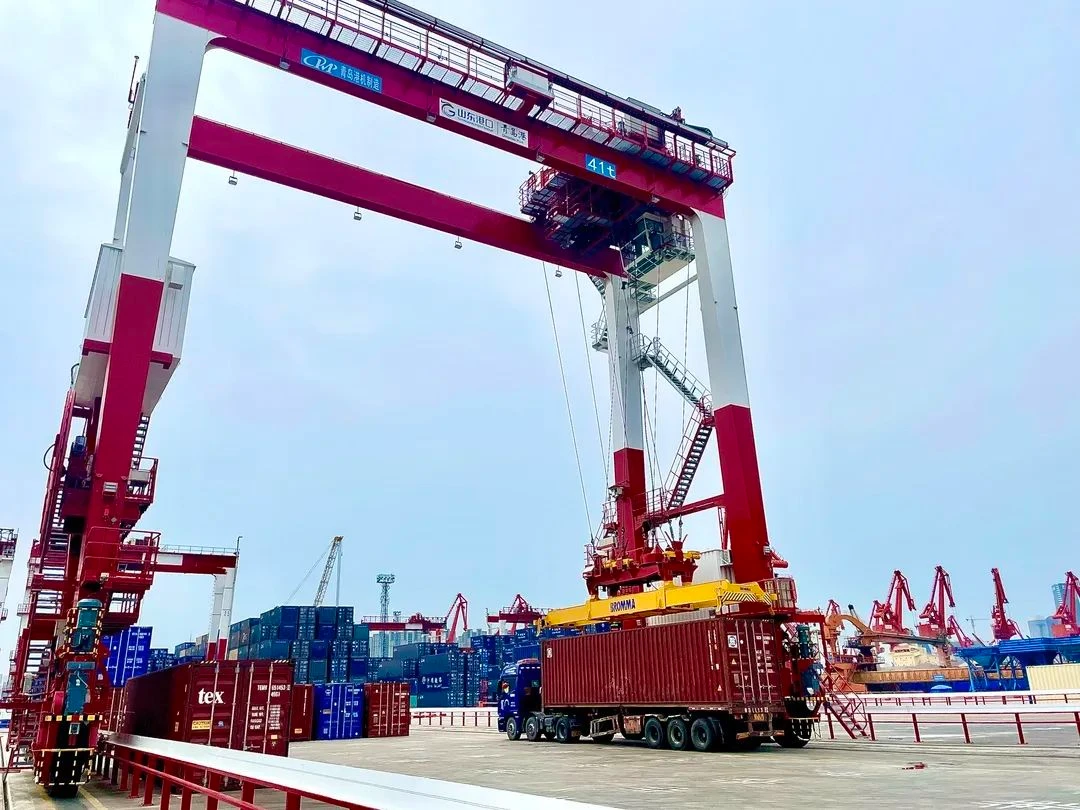
You make portal crane path planning better for mixed cargo days by using smart control systems, live data, and machines that work by themselves. Ports often have problems like swinging loads, changes in how long jobs take, and dangers to safety. How well the portal crane works affects how cargo moves and how much work the port can do. CEGC gives answers that help things run smoother, safer, and change when needed. Portal crane: path planning for mixed cargo days helps you make port work better.
Key Takeaways
-
Use anti-sway systems to make cargo swing less, by up to 95%. This makes things safer and helps stop accidents.
-
Use motion coordination to make crane movements smoother. This helps save time and makes operators less tired.
-
Use predictive maintenance to find problems early. This helps machines last longer and lowers repair costs.
Mixed cargo challenges in port operations
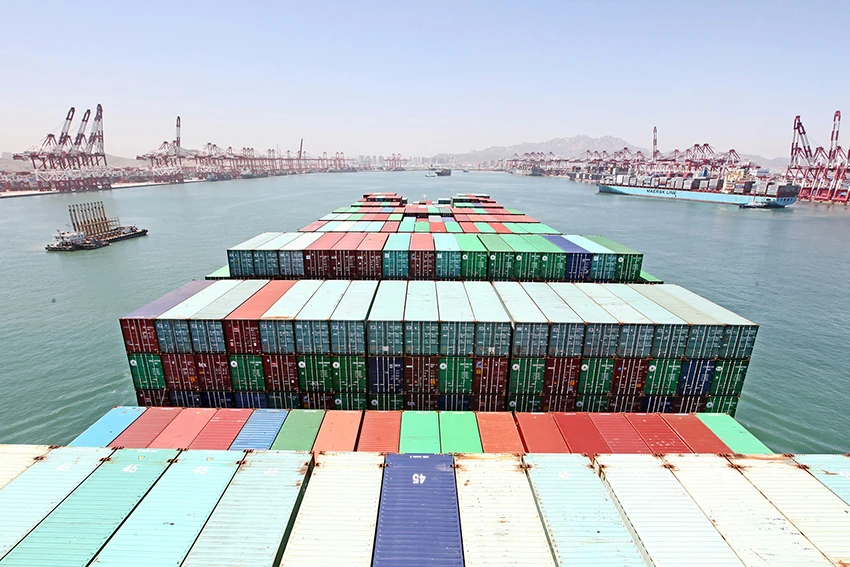
When you run a port on mixed cargo days, you face many problems. You have to move cargo safely and fast. Portal crane systems help a lot with this job. You need to deal with different cargo types and changing plans. Your equipment must work well all the time. CEGC helps you by making things safer, faster, and stronger.
Load sway and collision risks
Cargo can swing when you use a portal crane. This makes it hard to put cargo in the right spot. If cargo swings too much, it might hit other things. This is more likely when there are many cargo types close together. You need to watch out for wind and quick stops. These can make the portal crane less steady. CEGC gives you anti-sway tools and safety systems. These help you lower risks and keep your port safe.
Cycle time and throughput issues
You want to move cargo quickly, but mixed cargo days slow you down. Different sizes and weights make the portal crane work slower. You might wait longer when you switch cargo types. This can make your port less efficient. The portal crane needs to work well with other machines. CEGC’s motion tools and workflow help you save time. They help you move cargo faster and cut down on waiting.
-
RTG cranes can handle different cargo mixes because they work well with changing traffic and layouts.
-
You can add them to your port without big changes, so they fit ports that grow over time.
-
RTGs are good for ports with lots of container changes and layout shifts.
Environmental and maintenance factors
You need to keep your portal crane safe from tough port weather. Salt, wet air, and dust can hurt your equipment and slow cargo work. Strong winds can make using the portal crane unsafe and mean more repairs.
Strong winds make it hard for gantry cranes to stay steady and safe. Engineers must figure out wind strength and build cranes strong enough to handle it. This keeps cranes safe even in bad weather. Wet air means you need special materials and coatings to stop rust. This helps cranes last longer and work better.
You also have to think about how much energy you use and how it affects the environment. New ports use eco-design and save energy to keep portal cranes working well.
-
Newer port cranes help with big problems like high energy use and pollution.
-
Ways to fix these problems include eco-design and using less energy.
-
The paper says Design for Modernization is important and matches today’s need to protect the environment.
When you use CEGC’s strong protection and smart repairs, your portal crane is ready for any cargo job at the port.
Portal crane: path planning for mixed cargo days
Key principles for efficient crane movement
To make portal crane: path planning for mixed cargo days work well, you need to follow some important rules. These rules help you move cargo safely and quickly, even when you have many cargo types. You must use careful control to put cargo in the right place. You also need to keep your speed and timing steady so you do not get behind. Special setups help you handle each cargo type without problems.
Here is a table that shows the main rules for good portal crane movement:
|
Key Principle |
Application in Mixed Cargo Operations |
|---|---|
|
Precision Control |
You can put cargo exactly where it should go, even if it is a different shape or size. |
|
Speed and Cycle Time |
You keep loading and unloading fast, which helps when you have lots of cargo types. |
|
Specialized Configurations |
You use special setups for your portal crane to handle each cargo type safely and well. |
These rules help you make fewer mistakes and keep your port working well. CEGC gives you tools to use these rules with smart control systems and custom choices for your portal crane.
Step-by-step optimization process
You can make portal crane: path planning for mixed cargo days better by following clear steps. First, use anti-sway systems. These systems stop cargo from swinging by up to 95%. This means fewer accidents and less damage. It also makes the port safer for everyone.
Next, use motion coordination. This helps your portal crane move the hoist, trolley, and gantry together. You waste less time and avoid sudden stops. You can use full-speed commands, which makes your work faster. You also make operators less tired and make training easier.
You should also use predictive maintenance. Sensors on your portal crane check for problems before they break. This keeps your equipment working longer and saves money on repairs. You can plan repairs when it is best for you.
Here are the steps you can follow:
-
Set up anti-sway systems to stop cargo from swinging and make things safer.
-
Use motion coordination to make every move smooth and quick.
-
Add predictive maintenance to find problems early and stop breakdowns.
-
Train your team with easy-to-read screens and alarms, so everyone knows what to do.
-
Change your portal crane for each cargo type with CEGC’s custom choices.
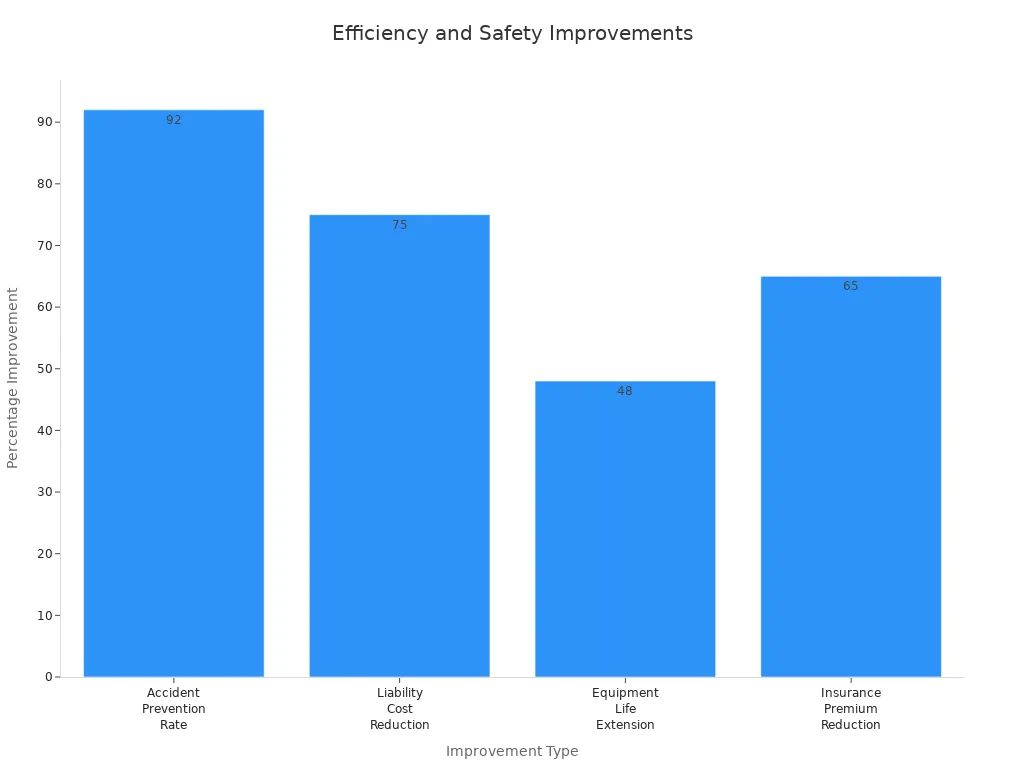
When you use these steps, you see big changes. Accidents go down by 92%. You save money on repairs and insurance. Your portal crane lasts longer and works better.
Real-time data and automation in path planning
You can make portal crane: path planning for mixed cargo days even better with live data and automation. When you use live data, your portal crane can change its path right away if something is in the way. This helps you stop crashes and keeps your port safe.
Automation lets your portal crane work faster and with fewer mistakes. You can use smart systems like AI and computer vision. These systems help your portal crane see where to move and pick up cargo without human mistakes. Terminal Operating Systems (TOS) help you plan every move and keep all your machines working together.
Here is a table that shows how live data and automation help your portal crane:
|
Evidence Type |
Description |
|---|---|
|
Path Planning |
Smart systems pick the best route and change it if needed, so your portal crane stays out of trouble. |
|
Conflict Avoidance |
Automation lowers the chance of crashes and keeps your cargo safe. |
|
Adaptability |
Your portal crane can handle new problems and busy days without slowing down. |
You can also use remote control to run your portal crane from a safe spot. Predictive maintenance uses sensors to check your equipment all the time. Full automation is the future, where computers do everything for you.
When you use these tools, you see real results. Sway control can make your portal crane up to 50% more productive. You also spend less time training and make operators less stressed. CEGC gives you all these choices, so you can pick what works best for your port.
Tip: Use CEGC’s custom portal crane solutions to fit your port’s needs. You can pick the right sensors, safety systems, and automation level for your cargo mix.
By using these ideas, you make portal crane: path planning for mixed cargo days safer, faster, and more dependable. You keep your port ready for anything.
Tools, technologies, and pitfalls
Advanced software and control systems
You can make your portal crane work better with advanced control systems. These systems help you plan where to move and avoid things in the way. They also keep cargo safe from accidents. Many ports use anti-sway controls to stop cargo from swinging too much. Augmented reality crane control gives you live views and helps you make good choices. Smart sensors and AI help your portal crane not hit other things. Here is a table that shows popular control systems and what they do:
|
Control System |
Features |
|---|---|
|
Anti-Sway |
Stops cargo from swinging, makes moves safer. |
|
ICS-5000 |
Older system, needs upgrades to work well. |
|
ABCIS/SIBICS |
Upgrades for ICS-5000, helps you watch and control better. |
|
Skew Controls |
Cuts down on waiting, makes work faster. |
|
Augmented Reality Crane Control |
Shows live pictures, helps operators see more. |
|
Obstacle Avoidance |
Uses AI and sensors to stop crashes. |
|
TruStor |
Makes moves exact, keeps things working right. |
|
Truzone |
Keeps certain areas safe, lowers risks. |
|
Trumotion |
Moves fast and exactly, helps with tough jobs. |
Predictive maintenance and energy efficiency
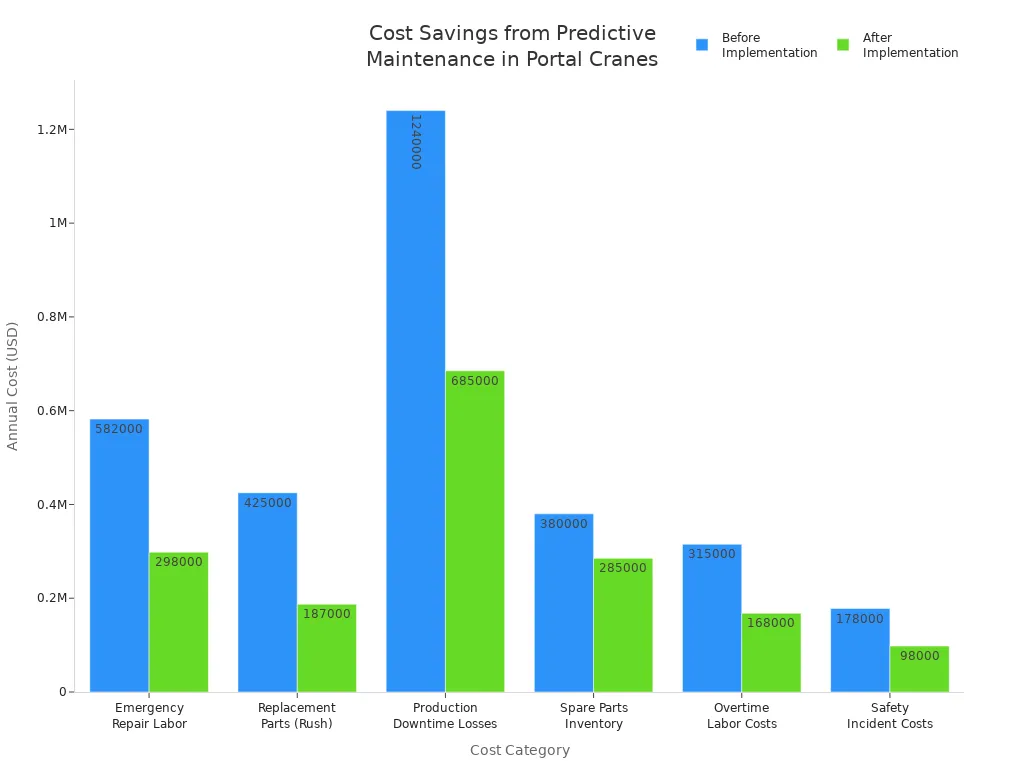
Predictive maintenance helps your portal crane last longer and use less energy. Real-time data lets you find problems early. AI checks for trouble and helps you fix things before they break. IIoT sends alerts from far away, so you do not need to check as much. Many ports use hybrid maintenance plans for their portal crane fleets. These plans mix regular checks and sensors for important parts. You can cut downtime by half and save money on repairs. Energy savings can reach 20% and you move cargo 15% faster. Here is a chart that shows how much money you save after using predictive maintenance:
Common mistakes and how to avoid them
You can stop mistakes by training your team and following safety rules. Many operators skip training, which causes errors. You should use programs from technical colleges or online classes. OSHA, CSA, ANSI, and ASME rules help keep your portal crane safe. Another mistake is not updating software. You must keep your portal crane systems up to date to make your port work better. You should also check sensors and controls often. When you use the right tools and training, your portal crane works well and your port stays safe.
You make portal crane path planning better with CEGC’s advanced systems. This helps you finish jobs faster and keep everyone safe. B2B port operators check if it is worth it by looking at costs and what they get back over time. You pick CEGC because their portal crane solutions can change to fit your needs. Look at the benefits below:
|
Benefit Type |
Description |
|---|---|
|
Cycle Time |
Making cycle times better for more efficiency |
|
Safety Enhancements |
Making operations safer with better safety steps |
FAQ
What is the main benefit of using a portal crane on mixed cargo days?
You move different cargo types quickly and safely. The portal crane helps you keep your port running smoothly, even when work changes fast.
How does real-time data improve port operations?
You see problems as they happen. Real-time data lets you adjust portal crane movements and avoid delays in your port.
Can you customize a portal crane for your port’s needs?
Yes. You choose features like anti-sway, safety systems, and automation. This makes your portal crane fit your port’s unique jobs.


