
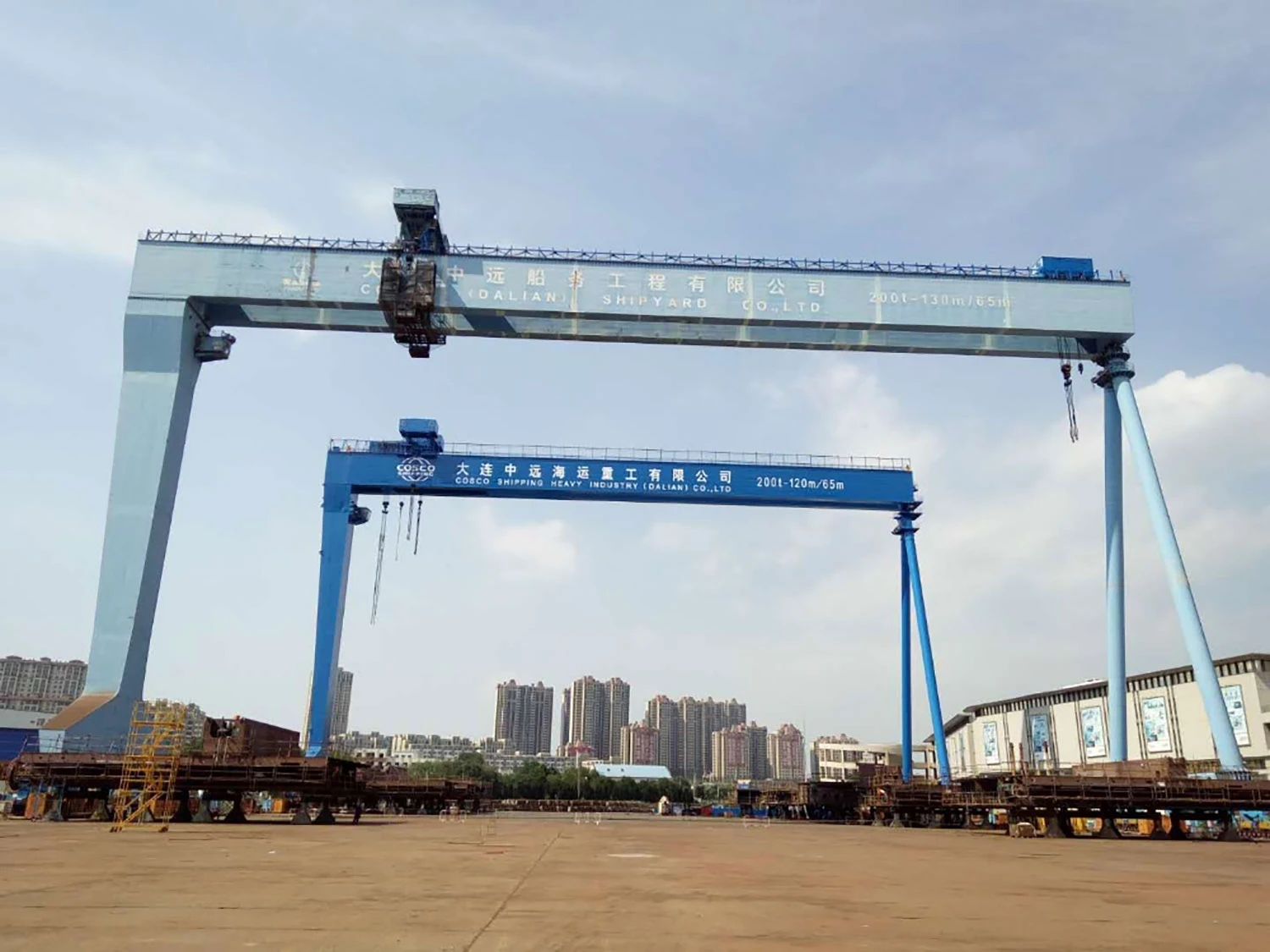
You want seaport work to be safer and quicker. With CEGC, cargo crane: path planning reduces swing events, allowing you to control heavy loads more effectively in port logistics. CEGC provides advanced anti-sway systems that ensure precise placement every time. These enhancements keep your team safe and improve the efficiency of every lift.
Key Takeaways
-
Path planning lowers swing events. This makes cargo handling safer. It also makes it more efficient.
-
Anti-sway systems help keep loads steady. They stop accidents and make work more precise.
-
Automated cranes save time and money on maintenance. They let operations run smoother. There are fewer delays.
Swing Events in Cargo Cranes
What Is a Swing Event
You see swing events when a cargo crane moves a load and the load starts to move like a pendulum. This movement happens because the load can swing on its own, even if you try to keep the crane steady. When you try to land the load in a precise spot, the sway makes it hard to control. The way you speed up or slow down the crane can also cause the load to swing more.
-
The pendulum effect of the load causes it to swing independently of the crane.
-
Sway becomes a big problem when you need to place the load exactly.
-
The way you move the crane, like starting or stopping quickly, can make the load swing.
Operational Risks
Swing events create real dangers in your daily work. If the load swings outside its path, it can hit people or equipment. In one case, a bystander got hurt when a crane swung outside its safe zone. Sometimes, debris from a crane accident can travel far and hurt people who think they are safe. Cranes can also tip over if the ground is not stable, even with small mistakes in setup.
-
You face risks like crush injuries from unstable cargo.
-
There is a chance of vehicles or people getting hit.
-
Working in tight spaces adds more danger.
Crush-by-cargo incidents happen when containers or cargo become unstable. You need to follow rules like keeping people out from under loads and making sure cargo is secure. About 27% of incidents come from crush-by-cargo events. Setting up exclusion zones and checking your equipment often helps keep everyone safe.
Wind load, inertia shocks, and differences in operator skill can make these risks worse. You need to stay alert and use the right systems to reduce the chance of accidents.
Path Planning Reduces Swing Events
Motion Control Techniques
You can stop swing events by using special motion control techniques. These methods help you move loads in a safe way. The best techniques change how the crane starts and stops. They use smart computer programs and real-time data to keep things steady. Here is a table that lists some common techniques and what they do:
|
Technique |
Description |
Source |
|---|---|---|
|
Input Shaping |
Changes the input signal to the crane to reduce swing. |
Stable neural PID anti-swing control for an overhead crane |
|
Robust Control Schemes |
Keeps performance steady even if conditions change. |
Robust control schemes for an overhead crane |
|
Model Predictive Control |
Uses a model to predict and optimize crane movements. |
Model predictive control for improving operational efficiency of overhead cranes |
You can use these techniques with cargo handling equipment and container handling systems. They help you keep the load on the right path and stop sudden swings. CEGC’s solutions let you pick controls that fit your port. You can choose sensors, speed settings, and safety features for your work.
Anti-Sway Systems
You need anti-sway systems to keep cargo safe and protect your team. These systems use both assisted and active controls. They work with sensors and cameras to watch the hook and load in real time. Here is how these systems help you:
-
AI predicts how the hook will move and changes the crane before a swing starts.
-
Smooth starts and stops prevent sudden jerks that cause swinging.
-
Automatic correction keeps the load steady, even if wind or other forces act on it.
-
The system changes for different weights, so you get steady results every time.
-
Side-to-side drifting drops, which is important for long spans or uneven paths.
-
Automatic hook centering makes sure the hook is straight before lifting, lowering the risk of shifting or swinging.
CEGC’s reach stacker and cargo handling equipment use anti-sway control to keep loads steady. The system uses motion profiles and braking to stop sway. You get precise placement every time. Safety interlocks, limit switches, and emergency stop logic add more protection. You can set up collision zones to keep people and machines safe.
Safety tools include interlocking systems, buffer stops, and controlled braking. People working together make sure these systems work well.
You can also change these systems for your container handling needs. You can pick the right sensors, safety levels, and automation features for your port.
Optimized Trajectories
You can make cargo crane: path planning reduces swing events better by using optimized paths. These paths help you move loads in the safest and fastest way. S-shaped paths, time polynomial fitting, and deep learning models all help. Deep learning models, like LSTM and DQN, help you find the best route for each move. They let you avoid dangers and keep work smooth.
Path planning software lets you set up the best routes for your cargo handling equipment. You can use real-time data from sensors like LiDAR and GPS. This helps you avoid obstacles and keep a safe distance from other machines. You can also set up safety limits to stop crashes.
Here is a table that shows how path planning helps with precise placement:
|
Evidence Type |
Description |
|---|---|
|
Vessel Stability |
AI places cargo to keep the vessel steady, which saves fuel and reduces movement. |
|
Reduced Rehandles |
Smart placement means you move cargo less, which saves time and boosts safety. |
|
Operational Efficiency |
The system balances productivity and yard congestion for smoother operations. |
You can see big improvements when you use path planning with your port machines. You get faster cargo moves and fewer delays. Automation and AI lower mistakes and help your team work better. You can also make cycle times shorter. Dynamic berth allocation and predictive demand signals help you move vessels and cargo with less waiting.
You can change path planning systems for your port. You can improve computer programs for multi-AGV systems, add real-time sensors, and set safety distances. This makes your container handling and cargo handling equipment safer and more efficient.
You can trust CEGC to give you market-standard specs and custom projects. You get systems that work with your current equipment and workflow. You can also connect with your software for data and reports.
Benefits for Port Operations
Safety and Efficiency
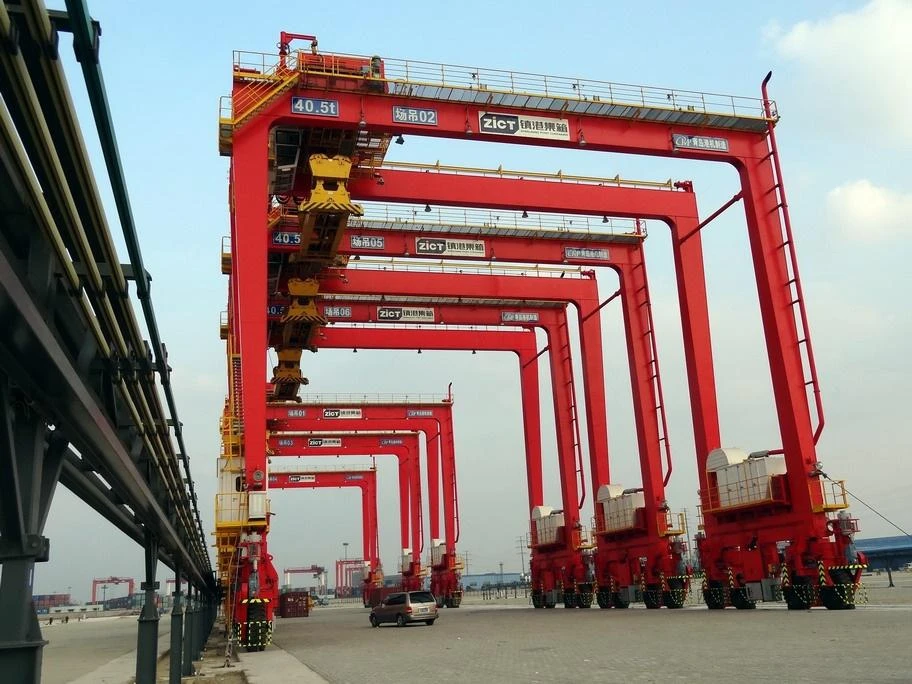
You want your port to be safe and run well. Automated gantry cranes help lower accident risks. These cranes use smart systems to watch every move. Machines help guide each lift, so there are fewer mistakes. Your team can trust the system to keep loads steady. Sudden swings are less likely to happen. This keeps people and equipment safe. Cranes also work faster and make fewer errors, so you get more done.
|
Benefit Type |
Description |
|---|---|
|
Automation tools help you see better and make fewer mistakes. This means less damage to equipment. |
|
|
Operational efficiency |
Making work smoother cuts down on delays and helps you move more cargo. This makes your port more productive. |
Reduced Maintenance
Automated gantry cranes help you save time and money on repairs. These cranes have strong parts that last longer in bad weather. You get alerts before something breaks, so you can fix it early. This stops sudden shutdowns in your work. The cranes use less energy because they work smarter. Your maintenance team spends less time fixing things and more time keeping everything running.
Real-World Results
Many ports have seen big changes with path planning and automated gantry cranes:
-
Port of Rotterdam uses fully automated gantry cranes. They spend less on workers and make fewer mistakes.
-
Port of Hamburg uses AI-driven cranes to manage the yard in real time. This keeps work going well.
-
Port of Shanghai moves containers faster and is now a leader in smart port work.
-
Port of Singapore's Tuas Terminal works 30% better, uses 20% less energy, and has over 90% fewer crane accidents. The port runs all day and night without stopping.
These changes help make your port safer, faster, and more reliable.
You can make your port safer and work better with CEGC’s path planning and anti-sway systems.
-
Pick special features that fit what your port needs.
-
Cut down on swing events and keep your team safe.
Smart crane technology lets you move cargo quicker and with less risk. Make your port better by using advanced path planning now.
FAQ
What is the main benefit of using path planning for cargo cranes?
You get safer cargo moves. Path planning helps you control cargo swing. You place cargo exactly where you want it every time.
How do anti-sway systems help with cargo handling?
You use anti-sway systems to keep cargo steady. These systems watch cargo movement. They adjust crane actions to stop cargo from swinging.
Can you customize CEGC solutions for different cargo types?
You can pick features for your cargo needs. CEGC lets you choose sensors and controls. You handle any cargo, from containers to bulk cargo.


