
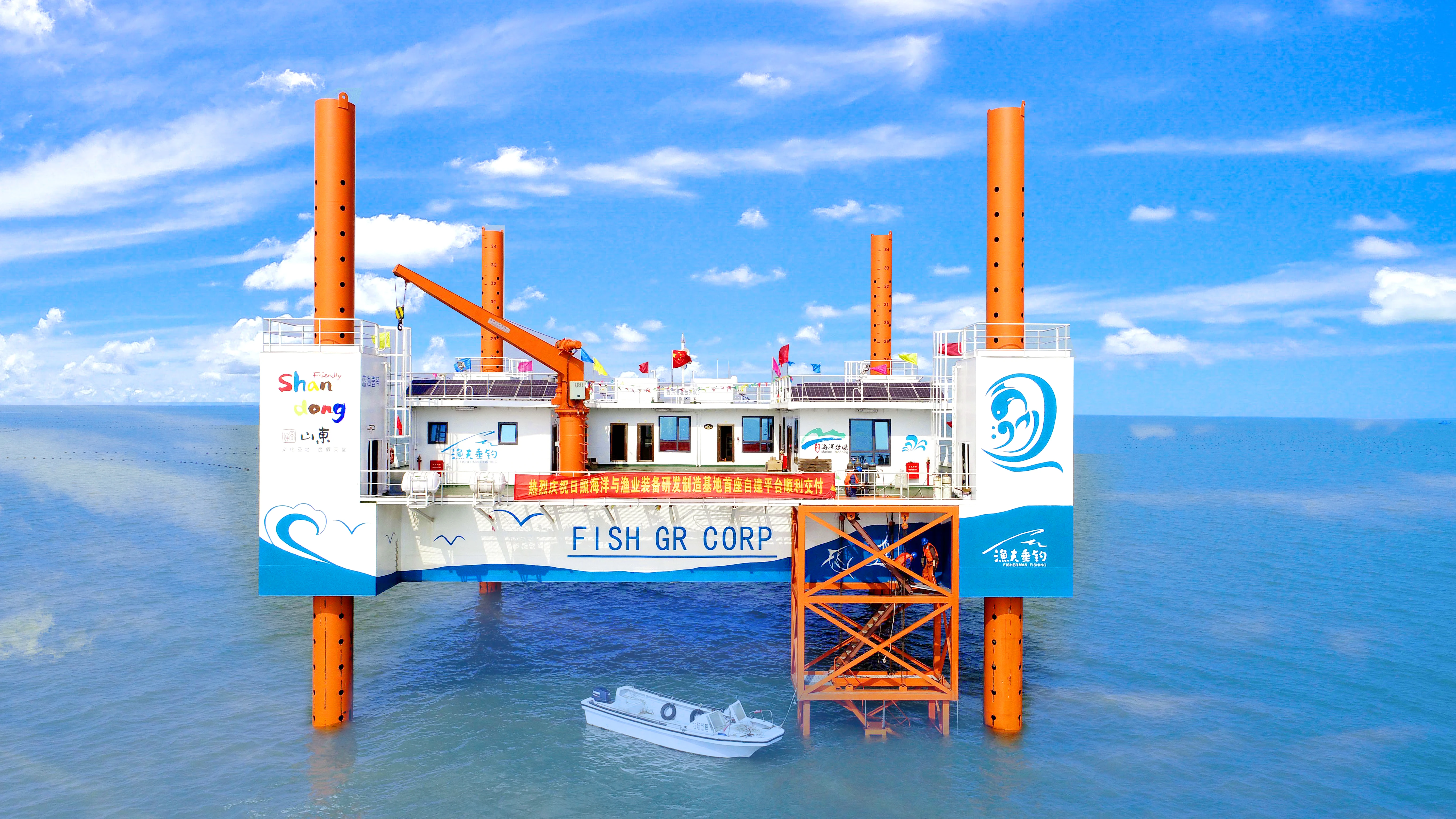
Container crane: better path plans reduce mispicks and enhance the efficiency of your port operations. A mispick occurs when the crane operator mistakenly grabs the wrong container or places it in the incorrect location. This can lead to significant issues such as:
-
Financial losses, sometimes amounting to hundreds of thousands of dollars each year
-
Increased labor costs to rectify mistakes
-
Customer dissatisfaction and potential loss of business
You can address these challenges by utilizing advanced container handling equipment from CEGC. Implementing better path plans, providing thorough training, and utilizing tools like bar-code scanners and RFID systems can significantly improve the safety and accuracy of container picking.
Key Takeaways
-
Use better path planning and automation to lower mispicks and make container handling faster.
-
Give crane operators good training to help them get better and make fewer mistakes while working.
-
Use tools like barcode scanners and RFID systems to track things in real time, which helps keep picking and order filling correct and high quality.
Causes of picking and packing errors in container crane operations
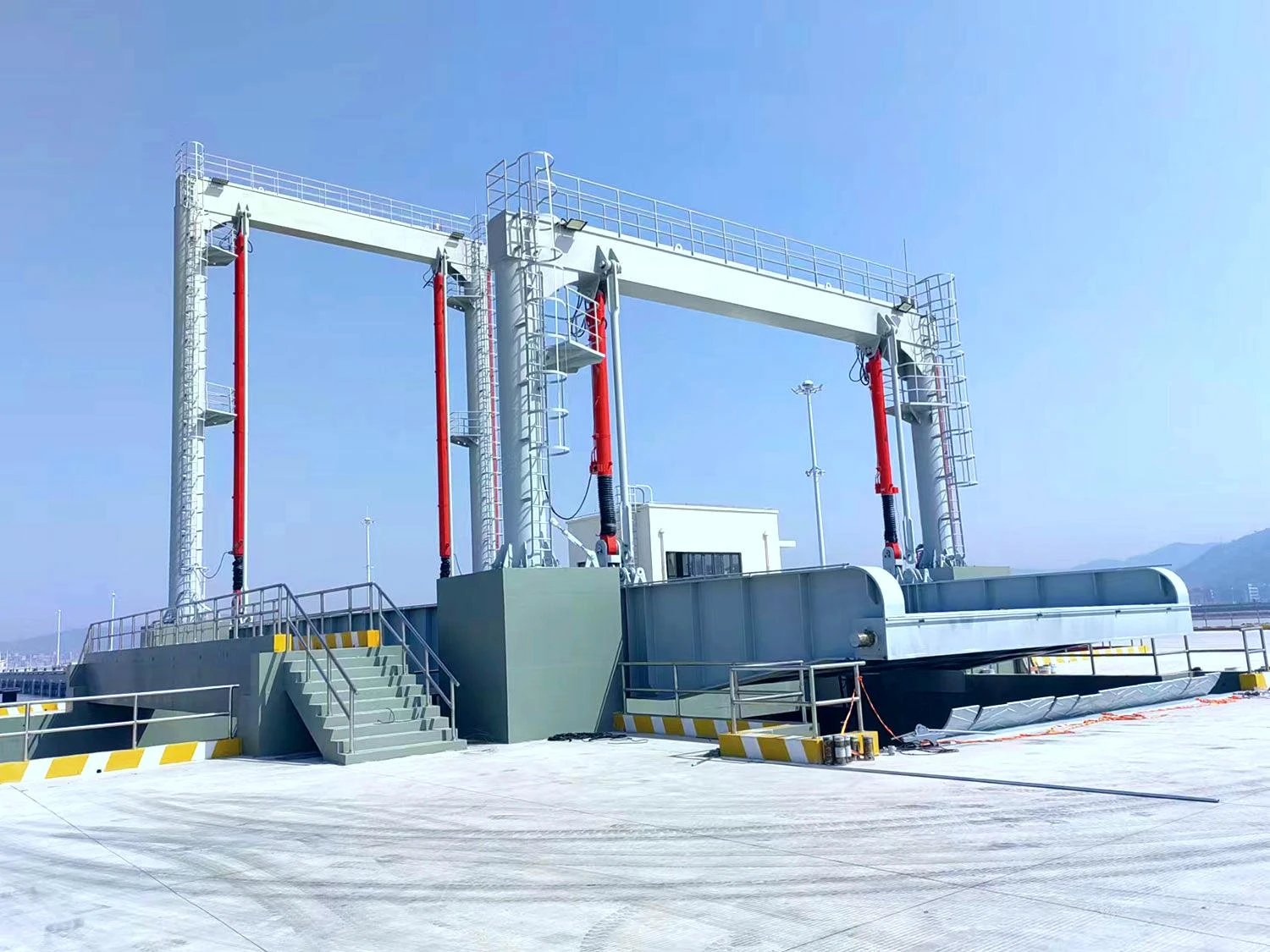
Path planning challenges and mispicks
It is hard to stop picking and packing errors in container crane operations. Path planning is a big reason for these mistakes. When you move containers, the crane must go around many things that do not move. Sometimes, you have to change the crane’s path quickly to avoid problems. Old path planning methods do not always work well in tough situations. This can cause mistakes like grabbing the wrong container or putting it in the wrong place.
Here is a table that lists some common problems you might see:
|
Challenge Description |
|---|
|
It is hard to move through places with things in the way. |
|
You need to watch and change the path quickly to stop problems. |
|
Old path planning methods cannot always solve hard problems. |
|
There can be waiting, problems, and deadlocks when many AGVs work together. |
|
It is hard to stop crashes with moving things like cars and machines. |
|
AGVs close together can mess up each other’s paths a lot. |
|
It is tough to work on rough ground and around odd-shaped things. |
Operator skill gaps and training needs
Operators can make mistakes if they do not have enough training or skill. Some people may not know what to do or have little practice. This can cause errors, especially when things get busy. Every operator should know how to use the crane and follow the right steps. Training helps lower mistakes and keeps everyone safe.
Equipment limitations and environmental factors
Problems with equipment and the environment can also cause errors. It can be hard to see well, especially at night or when the weather is bad. Strong winds can make the crane move, so it is hard to put containers in the right spot. Here are some common problems:
-
Bad visibility makes it hard to see things in the way.
-
Weather like strong wind can make the crane shake and make it hard to see.
CEGC gives you container crane, portal crane, and container handler solutions with smart anti-sway control, safety locks, and easy-to-use HMI. These tools help you fix picking and packing errors and keep your work safe and smooth.
Strategies to reduce mispicks: better path plans, training, and documentation
Advanced path planning and automation
You can make picking and fulfillment better with advanced path planning and automation. Using technology like AI-driven optimization and OCR helps you be more accurate and make fewer mistakes. These tools help your container crane: better path plans reduce mispicks and make your order process easier. CEGC has solutions with motion coordination, anti-sway systems, and workflow integration. These features help you avoid mistakes when picking and fulfilling orders.
Here is a table that shows how technology helps picking and fulfillment:
|
Evidence Type |
Description |
|---|---|
|
OCR Integration |
Tags container IDs and matches them to planned moves, improving accuracy in picking. |
|
Real-time Monitoring |
Supports efficiency and safety with predictive maintenance and data-driven performance monitoring. |
|
AI-driven Optimization |
Learns stacking patterns and predicts yard demand, reducing unnecessary picking and fulfillment moves. |
|
Mixed-Integer Programming |
Lowers repositioning moves and improves throughput, leading to fewer mispicks. |
|
Practical Context |
Results in fewer misplaced boxes and better yard utilization, boosting accuracy and quality. |
You can use software automation, barcode scanning, and RFID technology. These tools give you real-time data for inventory control and management. They help you track containers, lower mistakes, and improve picking and fulfillment accuracy. Automation in container handling lowers the number of incidents and makes the process more reliable. RFID technology gives you real-time tracking, so you can avoid picking mistakes and improve fulfillment quality.
CEGC lets you change your container crane, portal crane, or container handler. You can pick features like anti-corrosion, fatigue design, energy efficiency, and remote diagnostics. These upgrades help you get better performance and quality in picking and fulfillment.
Standardization and checklist-based confirmations
You can lower mispicks by using standardization and checklist-based confirmations. When you follow set steps, you make picking and fulfillment more accurate and better. Checklists help you check each step, so you catch mistakes before they cause problems. This method supports quality control and helps you find errors.
You can use bin labeling, barcode scanning, and directed routes to guide operators during picking and fulfillment. These technology tools help you keep inventory control and improve accuracy. When you use checklists, you make sure every picking and fulfillment step meets quality standards. This way, you can fix mistakes fast with a good error resolution system.
CEGC’s solutions include operator-centered HMI and safety interlocks. These features help you follow standard steps and improve picking and fulfillment accuracy. You can also add collision avoidance systems and advanced monitoring to your equipment. These upgrades make things safer and help you meet quality control goals.
Here is a table that shows how you can change your equipment for better picking and fulfillment:
|
Customization Aspect |
Description |
|
|---|---|---|
|
Specialized Operation Speeds |
Custom cranes operate at speeds for time-sensitive picking and fulfillment. |
Improves container handling speed and reduces delays. |
|
Improved Load Distribution |
Modifications help distribute weight during picking and fulfillment. |
Enhances stability and accuracy. |
|
Collision Avoidance Systems |
Sensors and cameras prevent accidents during picking and fulfillment. |
Increases safety and reduces human error. |
|
Advanced Monitoring |
Software tracks performance and alerts for picking and fulfillment. |
Provides predictive maintenance and data-driven performance monitoring. |
|
Additional Features |
Wireless controls and safety upgrades for picking and fulfillment. |
Enhances ease of use and quality. |
Training and documentation for consistent execution
You need good training and documentation to keep picking and fulfillment accurate. When you train your operators, you lower mistakes and improve quality. Training helps everyone follow the same steps, so you get steady results in picking and fulfillment. CEGC helps you with best training practices and easy-to-read documentation.
You can use technology to help with training and documentation. For example, operator-centered HMI gives clear instructions and visual cues. This technology helps new operators learn picking and fulfillment tasks faster. You can also use data from monitoring systems to track performance and find ways to improve.
Here is a table that shows how different algorithms affect downtime in picking and fulfillment:
|
Algorithm |
Average Downtime (min) |
|---|---|
|
Genetic Algorithm (GA) |
98.3 |
|
Particle Swarm Optimization (PSO) |
99.5 |
|
Simulated Annealing (SA) |
197.8 |
When you use the right training and documentation, you lower downtime and improve picking and fulfillment accuracy. You also help inventory control and quality in every step. CEGC offers solutions that help you keep your team trained and your documentation up to date.
You can also change your equipment for your environment. For example, you can pick anti-corrosion materials, durability upgrades, and wind load protection. These features help you keep picking and fulfillment running well, even in tough conditions.
Tip: Regular training and documentation reviews help you keep up with technology changes and maintain high accuracy in picking and fulfillment.
By using these strategies, you make sure your container crane: better path plans reduce mispicks. You improve accuracy, quality, and efficiency in every picking and fulfillment task. CEGC gives you the solutions, technology, and support you need for top performance and quality in your port operations.
Benefits of optimized path plans and training
Improved accuracy and reduced mispicks
When you use better path plans, you make fewer mistakes. Training helps your team learn new systems and follow steps. If you mix training with automation and technology, you lower mispicks. Good training makes sure everyone uses the equipment the right way. The table below shows how each part helps:
|
Evidence Type |
Description |
|---|---|
|
Automation |
Smart systems pick and track containers, so there are fewer mistakes. |
|
Training |
Training teaches your team to use new tools, which lowers mispicks. |
|
Technology |
Barcode scanning and live data help you work faster and more accurately. |
Doing more retraining does not always help. Changing how stations are set up helped more than just repeating training.
Enhanced safety and operational efficiency
Better path plans and training make your work safer and faster. Training shows your team how to avoid accidents and use safety tools. You can add anti-sway control and live monitoring to your cranes. These features keep loads steady and stop crashes. You also finish jobs faster and use yard space better. Here are some ways you benefit:
-
Automation and live monitoring make container handling safer.
-
Safety steps and training help you work better and earn more.
-
Automated systems cut down on mistakes and make work safer.
Lower lifecycle costs and downtime
You spend less money and have fewer delays with good path plans and training. Training helps your team find problems early and use tools to fix them before they get worse. You save on energy, labor, and repairs. You also avoid waiting and keep cranes working longer. The table below shows how you save money:
|
Component |
Description |
|---|---|
|
Energy Costs |
Using energy-saving cranes means you spend less over time. |
|
Labor Costs |
Automation and training mean you need fewer workers. |
|
Maintenance, Repair, and Spares (M&R) |
Training and regular checks lower repair costs and downtime. |
|
Downtime Costs |
Fewer breakdowns mean you lose less money and time. |
You can pick CEGC’s standard solutions or change your equipment to fit your needs. Training, smart technology, and good planning help you do your best and keep your port running well.
You can notice that better path plans and training help lower mispicks with container cranes. The table shows how some companies got more efficient and made fewer mistakes:
|
Case Study |
Efficiency Improvement |
Mispick Reduction |
|---|---|---|
|
Li-Ning |
N/A |
|
|
ERAL |
300% |
90% |
If you pick CEGC’s advanced solutions, you get:
-
More efficiency and fewer errors
-
Choices that fit your port’s needs
-
Real-time tracking and improved safety
Most big ports use automation now to make things safer and work better. Upgrading your system helps you stay ahead of others.
FAQ
What causes most errors in container crane operations?
Most errors happen when operators do not follow path plans. Bad training and unclear instructions also cause mistakes. Equipment problems can make things worse. These errors slow down getting containers and make costs go up.
How can you reduce errors during retrieval?
You can make fewer errors by using better path planning. Training often and using clear checklists also help. These steps make it easier to avoid mistakes and get containers faster and more accurately.
Why does retrieval sometimes take longer than expected?
Retrieval takes more time when mistakes happen. Mistakes can come from putting containers in the wrong place. Unclear labels or equipment problems can also slow things down. Fixing these mistakes helps you get containers faster.


