
Selecting the right cargo crane helps you work more accurately. It also makes operators less tired. You need to match crane features to your needs. Think about safety and how easy it is to use. CEGC gives custom solutions for every port. Picking the right cargo crane boosts how much work you get done. It also makes things safer and more efficient. Accidents with port cranes are 17% of insurance claims. More than 70% of these claims are about quay cranes. These accidents cause expensive delays and can hurt workers.
|
Evidence Type |
Description |
|---|---|
|
Accident Statistics |
Port crane accidents are 17% of insurance claims by terminal operators. |
|
Cause of Claims |
Over 70% of these claims are from quay crane accidents and problems. |
|
Economic Impact |
Accidents stop work, cause backlogs, and make shipping operators use other terminals. |
|
Human Cost |
Crane accidents can be very dangerous for operators and workers. |
Cargo crane: precision with less operator fatigue starts with your choice.
Key Takeaways
-
Picking the best cargo crane makes work safer and faster. It lets you finish jobs quickly and helps stop accidents from happening.
-
A cabin with good design makes operators less tired. Things like seats you can move and controls you can reach easily help operators stay comfortable and pay attention.
-
Safety features such as anti-sway systems and safety interlocks stop accidents. They keep workers and equipment safe so everything runs smoothly.
Identifying Needs for Precision & Fatigue Reduction
Operational Requirements for Cargo Crane
You should think about a few things before picking a cargo crane. First, look at what your port needs most. These needs are efficiency, safety, and flexibility. The table below shows what matters:
|
Requirement |
Description |
|---|---|
|
Efficiency |
Fast response to moving containers and loading tasks. This helps goods move on time. |
|
Safety |
Keeping goods safe while loading and unloading. This stops damage. |
|
Flexibility |
Working across many shifts without stopping. This helps busy ports run well. |
You also need to check how much weight each cargo crane can lift. Lifting capacity tells you the safe weight limit. Some cranes can lift heavier loads for tough jobs. Others work longer with less weight but more cycles. If you match the right duty cycle to your job, you get better speed and accuracy. This lets you move more cargo and keeps your work steady.
Operator Challenges & Comfort
Using a cargo crane is hard work. Operators deal with load sway, wind, and skill differences. These problems make it tough to place cargo exactly right. They also raise accident risks. Fatigue is a big issue too. Studies show 63% of operators have neck and shoulder pain. About 60% get back pain. Long hours and bad posture cause these aches. Whole-body vibration from the crane can hurt your spine.
You can help operators feel better by picking cranes with good cabin design. Research says ergonomic cabins cut discomfort by 30%. This means less tiredness and fewer errors. If you focus on operator comfort, your team stays healthy and works safely. A cargo crane with the right features helps with both accuracy and well-being.
Cargo Crane: Precision Features & Technical Solutions
Anti-Sway & Safe Lifting Control
You want your cargo crane to move loads safely and accurately. Anti-sway control systems help with this. These systems use two types of control. Feedforward control guesses when swinging might happen and stops it early. Feedback control uses sensors to spot sway and fix it fast. Both controls keep the load steady. This means cargo moves faster and safer. Using anti-sway control cuts waiting times at pick and drop spots. Your team works better and feels less stress.
Safety features are important in every good cargo crane. Safety interlocks make sure you follow the right steps. They help stop mistakes and protect people and equipment. The table below shows how safety interlocks lower accidents and help meet rules:
|
Evidence Type |
Description |
|---|---|
|
Role of Safety Interlocks |
Safety interlocks make sure steps are followed, lowering human error and mechanical failure. |
|
Regulatory Compliance |
More safety rules from regulators make terminals use safety interlocks. |
|
Accident Prevention |
Safety interlocks are needed to cut risks in busy terminals. |
You can trust CEGC for cargo crane: precision with less operator fatigue. Anti-sway and safety systems work together to keep things smooth and safe.
Advanced Control Systems
Modern cargo cranes use advanced control systems to help you do your job better. These systems give you more control and speed. Some new features are shown in the table below:
|
Feature |
Description |
|---|---|
|
Fully Proportional Control Valve |
Lets you do many things at once, making positioning up to three times faster. |
|
Wireless Remote Operation |
Lets you auto-deploy, auto-retract, and auto-stow the crane, making work easier. |
|
Intuitive Interface |
Gives you more ways to customize, check problems, and track maintenance, making it safer and easier to use. |
Automated control systems help you make fewer mistakes. They guide the crane along the best path and make each lift exact. You get steady results, even if different people use the crane. The table below shows how automation helps your work:
|
Benefit |
Description |
|---|---|
|
Increased Handling Efficiency |
Automated cranes work faster and steadier, picking the best paths and lifting with accuracy. |
|
Reduction in Human Error |
Automation lowers mistakes like wrong pickups and misplacements, making sure jobs are done right. |
|
Enhanced Safety and Monitoring |
Operators stay safe from danger, with systems watching risks and controlling operations from afar. |
When you pick a cargo crane with these systems, you get better performance and less operator tiredness. CEGC can customize sensors, automation, and safety features for your needs.
Load Handling Accuracy
Load handling accuracy is important for cargo crane: precision with less operator fatigue. You need stable loads to keep your team safe and your work steady. Crane stability stops tipping and accidents. It also keeps work moving by cutting pauses and stops. When your crane puts cargo in the right place, you get better logistics and higher quality.
-
Load stability is key for safety, stopping tipping accidents, and keeping people safe.
-
A stable load makes work smoother by cutting extra pauses and stops during lifting.
-
Accurate cargo placement is easier with stable loads, which helps logistics and quality.
Sensors and automation make your cargo crane even more accurate. These tools help you track where the boom, trolley, hoist, and spreader are. Advanced sensors like LIDAR and vision systems help your crane see its surroundings. This stops crashes and helps put cargo in the right spot. Automated Guided Vehicles (AGVs) use cameras and sensors to move containers quickly and accurately. AI and machine learning look at sensor data to find the best routes and improve placement. IoT technology lets cranes and AGVs share data right away, making everything more accurate.
-
Anti-sway systems in STS cranes cut load swing, making pick-and-place better.
-
Using both feedforward and feedback controls makes load swings stop faster and more exactly.
-
Automated cranes use sensors to track boom, trolley, hoist, and spreader positions, making sure work is accurate.
You can count on CEGC for cargo crane: precision with less operator fatigue. The right mix of crane stability, sensors, and automation gives you great performance every day.
Ergonomics & Safety for Less Operator Fatigue
Cabin Design & Controls
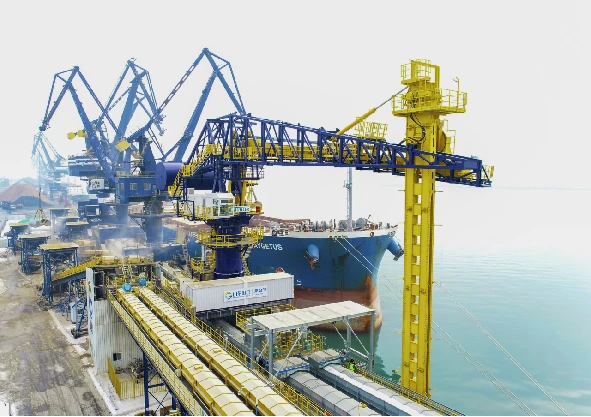
You sit in a cargo crane cabin for many hours. A good cabin design keeps you comfy and awake. Seats you can adjust with lumbar support help your back. They also help you sit up straight. Joysticks and buttons are close to your arms. You do not have to lift your shoulders. This setup lowers strain on your body. There is enough foot space and the floor does not slip. This helps you stand or sit steady. Vibration isolation stops too much shaking. It makes your body feel less tired. The table below lists important ergonomic features and what they do:
|
Ergonomic Feature |
Benefit |
|---|---|
|
Adjustable seat with lumbar support |
Supports natural spine curvature, reducing pressure points and promoting healthy posture. |
|
Joystick and button placement |
Follows arm-rest ergonomics to avoid shoulder lift, minimizing strain. |
|
Foot space and anti-slip flooring |
Provides stable posture, enhancing comfort during operation. |
|
Vibration isolation |
Reduces cumulative strain, contributing to lower fatigue levels. |
Easy-to-use controls help you find buttons fast. You can react quickly and notice what is around you. Seats you can change and climate control add more comfort. These things help you focus and work well for long hours.
Vibration & Noise Reduction
Cargo crane cabins use special systems to soak up vibration and shock. You feel less shaking and hear less noise. This helps your body relax and not get so tired. Armrests and headrests you can adjust make you more comfortable. Controls are placed where your hands reach easily. You do not strain and you keep your energy.
Remote Operation & Training
Remote operation lets you run a cargo crane from a safe place. You stay away from bad weather and loud sounds. Training classes teach you how to use digital tools and data. You learn to use the cargo crane with fewer errors. These classes help you learn new skills and use new technology. Guided steps and alarms keep you safe and help you work the same way every time.
Tip: Pick a cargo crane with a comfy cabin, easy controls, and remote operation. You will protect your health and do your job better.
Choosing the Right Crane for Your Facility
Crane Type & Specifications
Choosing the right crane for your facility starts with knowing your needs. You must look at your load capacity requirements and the maximum safe workload. Each cargo crane has a different design for different jobs. You should match the crane to your space, the weight you lift, and how often you use it. The table below shows what you need to check:
|
Criteria |
Description |
|---|---|
|
Capacity |
Pick a cargo crane based on the maximum safe workload you handle every day. |
|
Lifting Height |
Make sure the crane can reach the highest point you need. |
|
Frequency of Use |
Use a heavy-duty crane for all-day work. Use a lighter crane for short jobs. |
|
Crane Type |
Single girder cranes fit small spaces. Double girder cranes work in large areas. |
|
Flooring |
Smooth floors need simple cranes. Uneven floors need a right type of gantry crane. |
|
Facility Layout |
Low ceilings need underhung cranes. Large spaces need bigger models. |
You should always check your load capacity requirements before you buy. This helps you avoid overloads and keeps your team safe.
Customization for Workflow
Every port works in a different way. You need a cargo crane that fits your workflow. Some models, like straddle carriers, move fast in busy yards. Others, like hydraulic gantry cranes, work well on rough ground. Modular crane systems let you change parts to fit new jobs. Here are some options:
-
Straddle carriers move quickly and handle many containers.
-
Hydraulic gantry cranes lift heavy loads and work on uneven ground.
-
Modular crane systems let you swap parts for new tasks.
You get more value by choosing the right crane for your workflow. Custom features help you finish jobs faster and handle bigger loads. They also let you use your cargo crane in tight spaces. Over time, a custom crane lowers your costs and boosts your productivity. You can trust CEGC to help you find the right type of gantry crane for your needs. Always check the maximum safe workload and load capacity requirements before you decide.
Tip: Choosing the right crane means you get better safety, more work done, and less downtime.
Lifecycle Efficiency & Maintenance
Marine Durability & Protection
Cargo cranes must last in harsh marine places. Salt, wet air, and sunlight can hurt metal parts. This can make the crane not last as long. CEGC uses special coatings and stainless steel fasteners. These help protect the crane from rust and damage. This makes the crane last 30% longer than normal ones. You save money and have less downtime. The table below shows how these features help:
|
Feature |
Description |
|---|---|
|
Lifting Capacity |
8 tons |
|
Boom Design |
Telescopic boom for enhanced reach and flexibility |
|
Corrosion Resistance |
Marine-grade materials including stainless steel fasteners and epoxy-coated aluminum alloy boom |
|
Service Life Extension |
Extended by 30% compared to conventional cranes due to protective coatings against salt and UV |
You should rinse your crane with fresh water after using it. Put on anti-corrosion treatments to any metal that shows. These steps help you follow safety rules and lower safety costs.
Predictive Maintenance & Energy Optimization
You want your cargo crane to work without surprise problems. Predictive maintenance uses sensors and data to find issues early. This can cut surprise breakdowns by half. It also lowers repair costs by 20–30%. Ports using these systems keep cranes working over 95% of the time. CEGC’s automation and control systems help your equipment run well. The table below explains how these strategies help:
|
Evidence Type |
Description |
|---|---|
|
Unplanned Downtime Reduction |
Predictive maintenance can cut unplanned downtime by up to 50%. |
|
Maintenance Cost Reduction |
It can reduce maintenance costs by 20–30%. |
|
Crane Availability Improvement |
Ports adopting predictive maintenance see crane availability above 95% when combined with automation and smart monitoring. |
Saving energy is important for your business. You can switch diesel cranes for hybrid or electric ones. Hybrid RTG cranes use 30%-40% less fuel and make 25%-35% less pollution. Electric RTG cranes make no emissions or noise. They also cut running costs by over half. These upgrades help you follow safety and compliance rules.
Supplier Support & Reliability
Good supplier support keeps your cargo cranes working well. CEGC gives you spare parts and training that match. This helps your cranes work more and keeps operators safe. Remote monitoring platforms help with safety and automation. You can pick a maintenance plan and spare-part kit that fits your needs. Here are best practices:
-
Check and fix parts often.
-
Plan for repairs and save money for them.
-
Build good relationships for quick parts.
-
Use service logs to spot problems and plan better.
Always follow safety and compliance rules. This makes sure your cargo crane meets all standards for long-term use.
To make your cargo crane work well, do these things: First, pick a crane that can lift the weight you need. Next, look at the crane’s stability and safety features. Then, check if the crane fits your workflow. Ask CEGC for help and talk to your operators.
FAQ
What should you think about when picking gantry cranes for your port?
You need to look at how much weight you will lift. You also need to check how much space you have. Think about how you will use the crane each day. Picking the right crane helps you work safely and quickly.
How do gantry cranes help you work better?
Gantry cranes can move heavy cargo fast. You can use them to load and unload things. They help your work go smoothly and stop long waits.
Why do operators need regular training for gantry cranes?
Operators need training often to keep their skills strong. This helps them make fewer mistakes. It also keeps the work safe and steady.


