
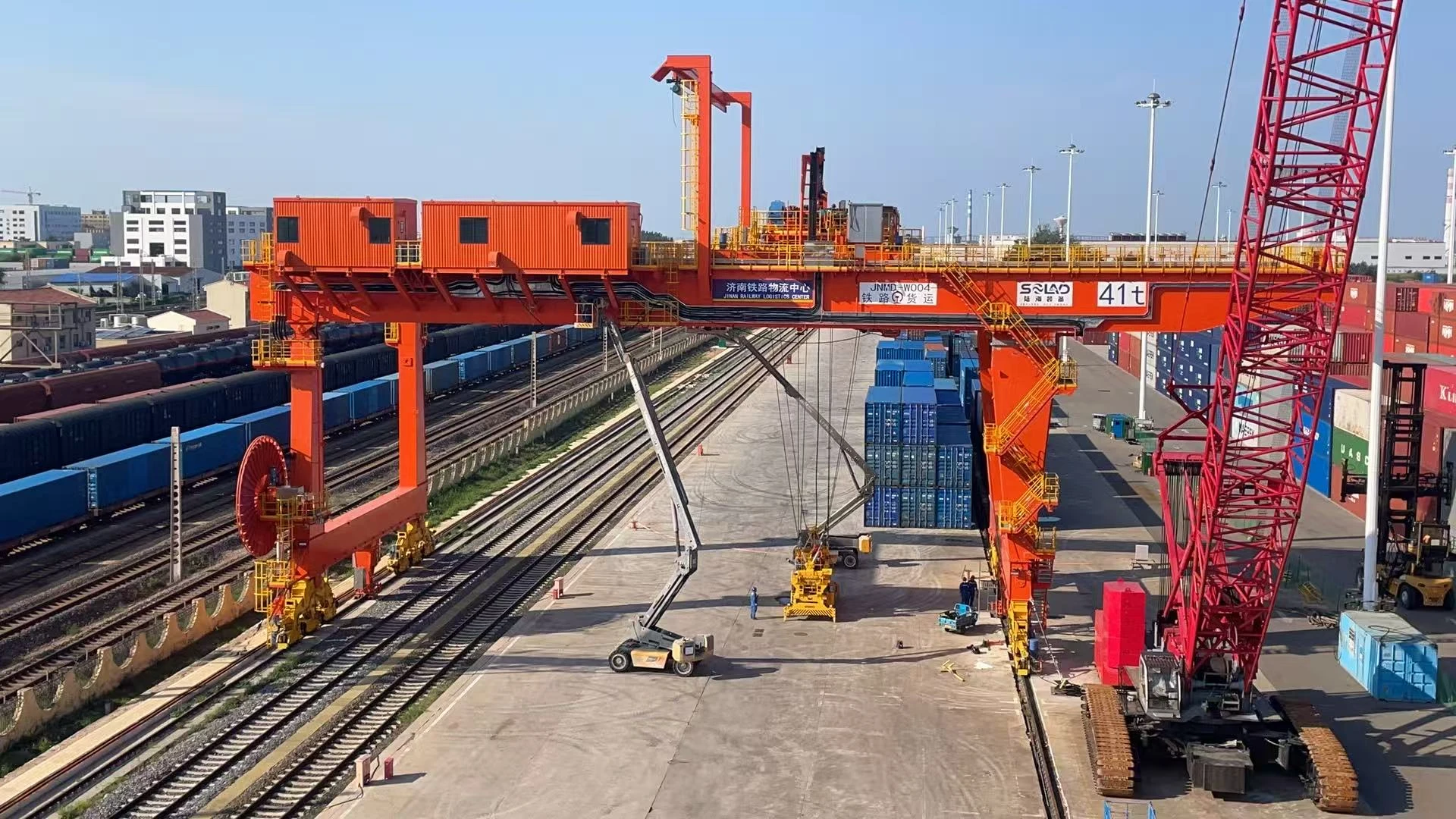
When missed windows disrupt container crane dispatch, you face major challenges that can impact both efficiency and safety at your port. To keep operations smooth and secure, it’s essential to focus on container crane dispatch: reduce missed windows as a top priority.
|
Challenge |
Description |
|---|---|
|
Ports that do not use smart scheduling experience significant delays and issues. |
|
|
Lack of schedule reliability |
When schedules are unreliable, it affects all port operations. |
CEGC provides customizable solutions designed to optimize port machinery and help you achieve reliable container crane dispatch: reduce missed windows for improved performance.
Key Takeaways
-
Use smart scheduling to help stop missed windows and make your port work better. - Use automation and real-time data to make crane dispatch better, cut down on delays, and save money on running costs. - Use safety control systems and predictive maintenance to help your equipment last longer and work better.
Container crane dispatch: reduce missed windows with smart scheduling
Causes of missed windows in scheduling
It is hard to improve container crane dispatch: reduce missed windows. The biggest problems come from bad scheduling, poor teamwork, and mistakes made by people. These problems slow down container work and make truck transportation cost more.
You can look at the table below to see the main types of downtime:
|
Type of Downtime |
Description |
|---|---|
|
Planned Downtime |
This happens when there is maintenance, checks, or software updates. These things stop work for a while. |
|
Unplanned Downtime |
This happens when something breaks or the weather is bad. It causes big delays in work. |
Manual scheduling makes things worse for moving containers and trucks. Here are some ways manual work can cause missed windows:
-
Bad communication makes crane work slower.
-
Wrong or late bay plans mess up work and make cranes wait.
-
Not sharing vessel limits causes problems with terminal plans.
-
Using unofficial ways to talk gives mixed messages and makes things risky.
If you use manual scheduling, trucks wait longer and more windows get missed. This means you pay more fees, like detention and demurrage. These fees can be $50 to $100 each hour after free waiting time. The costs can get high for container equipment and truck scheduling.
Optimizing scheduling with automation
You can make container crane dispatch: reduce missed windows better by using automation and smart scheduling tools. Automation helps pick the right crane for each job at the right time. This cuts down on waiting and makes dispatch work better for containers and trucks.
Studies show that automation in scheduling helps a lot. The table below shows some important results:
|
Solution/Technology |
Impact on Operations |
|---|---|
|
Accurate data inputs |
Assets are used better and wait less, so fewer missed windows. |
|
Synchronized vehicle arrivals |
Less waiting and smoother vessel work. |
|
Berths and resources are managed automatically, so fewer missed windows. |
AI models use learning and testing to make almost perfect schedules. These models do not just copy old choices. They try new ways to make cranes work better and stop traffic jams. Test projects have shown cranes can work 25-50% better in some jobs. Automation and AI scheduling also cut down on surprise stops and help ships leave faster.
With automation, you can match truck schedules, container moves, and container crane dispatch: reduce missed windows. This makes your port work better and faster.
CEGC has solutions for container cranes, portal cranes, and gantry cranes. You can pick standard options or ask for special changes for size, power, and automation. This helps you get the best setup for your container and truck scheduling.
Real-time data for proactive dispatch
You can make container crane dispatch: reduce missed windows even better by using real-time data. Real-time data gives live updates on quay cranes, yard trucks, and gate lanes. This helps you change container and truck schedules quickly and stop wasted trips.
Live updates on when ships arrive help you plan container moves and truck schedules better. You can send cranes and trucks to the right places, so they wait less and work faster. When everyone sees the same information, it is easier to agree on changes that stop ship delays and long stays.
The table below shows how real-time data helps container crane dispatch: reduce missed windows:
|
Benefit |
Measurable Impact |
|---|---|
|
Equipment Utilization |
Up to 15% better use |
|
Dwell Time Reduction |
About 10% less waiting |
|
Vessel Turnaround |
Ships leave faster |
|
Operational Costs |
Lower costs |
|
Schedule Reliability |
More reliable schedules |
Terminals that use smart scheduling and slot booking have less truck traffic and better teamwork. Digital tools help you pick which containers to move first when there are not enough resources. Automated gates can cut truck waiting by up to 40% when used with better appointments and automated dispatch.
You can also use smart ideas like changing schedules quickly and using special lanes. These ideas help important imports and lower costs for shipping companies and cargo owners. Making port calls better can save 10-15% on fuel and cut delays by up to 30%.
CEGC can connect with real-time data systems and gives advanced automation for container cranes, ship cranes, and cargo cranes. You can change your solution to fit your goals for working better and handling containers faster.
By using smart scheduling, automation, and real-time data together, you can get reliable container crane dispatch: reduce missed windows, make truck scheduling better, and help your port work its best.
Automation and real-time data in container crane operations
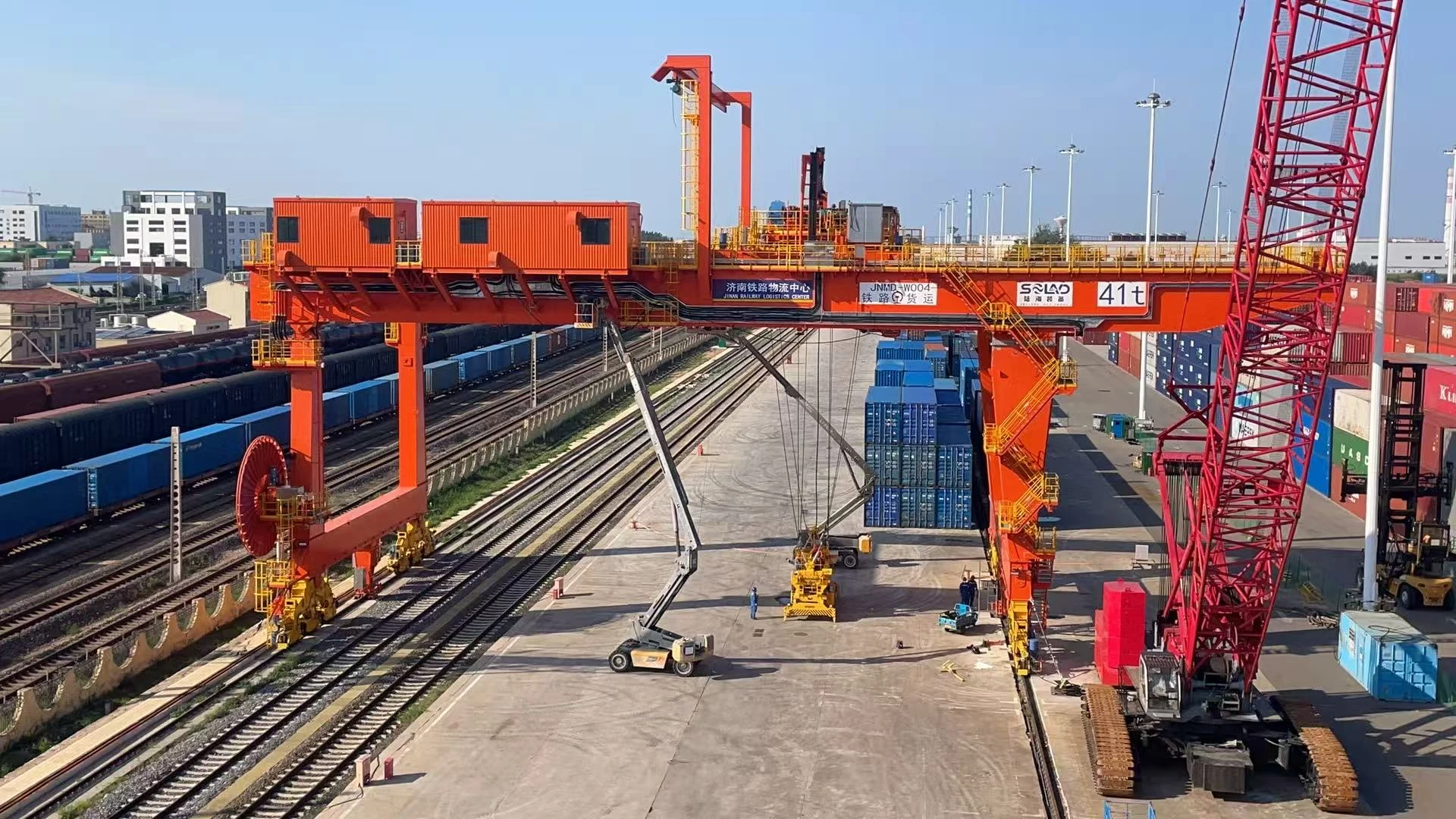
Anti-sway and safety control systems
You can make container crane work better with anti-sway and safety control systems. These systems help you move containers safely and fast. Anti-sway technology stops loads from swinging too much. This lowers the chance of accidents. It keeps workers and machines safer.
|
Evidence Type |
Details |
|---|---|
|
Productivity Gains |
Ports using anti-sway solutions see productivity increases of 14% to 22% compared to manual operations. |
|
Equipment Wear Cost Reduction |
There is a reduction in equipment wear costs of up to 18%. |
|
Accident Attribution |
Approximately 23% of crane-related accidents are due to uncontrolled load sway, highlighting the safety benefits of anti-sway systems. |
Safety control systems give extra protection when handling containers. Automated systems watch for problems and warn you early. Twist lock control modules put containers in the right spot. This helps stop crashes. Proximity sensors tell operators if they get too close to something. Collision avoidance systems slow or stop vehicles to prevent accidents. Real-time weight information helps you stack containers safely and not overload them.
-
Automated systems check for problems early.
-
Twist lock modules put containers in safe spots.
-
Proximity sensors warn about getting too close.
-
Collision avoidance systems stop accidents before they happen.
-
Real-time weight modules stop overloads and tipping.
CEGC has container cranes, portal cranes, and cargo cranes with these safety features. You can pick sensor sets, collision zones, and safety locks. These features help you handle containers better and miss fewer windows for trucks and containers.
Predictive maintenance and energy efficiency
Predictive maintenance helps your cranes last longer and not break down by surprise. Predictive analytics let you plan repairs when it is not busy. This means you do not mess up container pickup or truck schedules. Maintenance with real-time data saves money because you only fix what needs fixing. Finding problems early stops big breakdowns and keeps your machines safe.
|
Benefit |
Description |
|---|---|
|
Predictive maintenance allows for scheduling repairs during low traffic times, minimizing disruptions and improving vessel turnaround time. |
|
|
Efficient Maintenance Expenditure |
Maintenance is performed based on data indications rather than on a fixed schedule, reducing unnecessary labor and spare parts inventory. |
|
Prolonged Life of Equipment |
Early detection of issues prevents catastrophic failures, extending the lifespan of expensive equipment like cranes. |
|
Greater Safety and Compliance |
Fewer equipment failures lead to reduced accidents and damage, while automated reports ease compliance with regulations. |
|
Higher Operational Productivity |
Maintenance planning enhances overall efficiency by synchronizing terminal operations with vessel schedules and labor availability. |
|
Environmental and ESG Gains |
Well-maintained equipment operates more efficiently, consuming less energy and reducing environmental impact. |
Smart systems can also help you use less energy. These systems save power when moving containers and make transfers work better. Cranes that are kept up well use less energy. This saves money and helps the planet. CEGC gives you IoT sensors, AI monitoring, and upgrades for your equipment. You can choose the right crane size, lifting power, and energy type for your needs.
Integration with terminal workflows
You can make crane work better by linking automation with terminal workflows. When cranes, trucks, and handlers connect to terminal systems, you get real-time updates. This helps you plan moves, truck schedules, and container trips faster and more accurately.
|
Description |
|
|---|---|
|
Hybrid RTLS-enabled semi-automation |
Utilizes real-time location systems for asset visibility, improving gate throughput and reducing rehandles. |
|
Measurable KPIs |
Focus on key performance indicators like rail build time and gate turn time to minimize missed windows. |
|
Phased Implementation |
Break projects into manageable phases to minimize disruption and allow for adjustments. |
|
Integration with Existing Systems |
Ensure new automation systems work seamlessly with current infrastructures. |
|
Staff Training |
Provide comprehensive training to build confidence and ensure effective operation of automated systems. |
You can see big changes when you use real-time data for workflow integration: Delivery approvals get 72% faster after automating. Cargo balance checks are 95% correct with real-time tracking. Manual calls and emails drop by 80%. Vessel idle time goes down by 30%. Operations run 99.9% of the time, even when busy.
-
Demurrage charges dropped by 28% at Dar es Salaam Port.
-
Cargo dwell time went from 5.2 days to 3.9 days.
-
Turn time got shorter by 2.1 days.
CEGC lets you add automation and monitoring to your cranes and handlers. You can use RFID tags, automatic crane positioning, and IoT sensors. These tools help you track containers, trucks, and trips in real time. You can add more as your port grows and connect with terminal systems for better work.
Port leaders check success by looking at how well things run, safety, and risk. You can use automation and real-time data to make container handling better, cut accidents, and boost performance. In the future, robots, smart programs, and predictive analytics will help you do even more with containers and transportation.
You can use automation, real-time data, and workflow integration to make crane work safer, faster, and more reliable. CEGC gives you the tools and choices to reach your goals for handling and moving containers.
When you use smart scheduling, automation, and real-time data, work gets easier and faster. CEGC has container handling equipment that can fit what you need.
-
Automated dispatch helps you get more done and see what is happening.
-
Real-time tracking makes lines shorter and helps move more containers.
You can see real results when you use these solutions.
FAQ
How does automation help reduce missed windows in container crane dispatch?
Automation makes crane moves happen faster. You get less waiting and better teamwork. This helps move containers well and saves money.
Can CEGC customize container handling equipment for my port?
You can ask for special features. CEGC gives choices for size, automation, safety, and energy. Your port gets equipment that matches what you need.
What real-time data tools improve crane dispatch?
-
Real-time vessel tracking
-
Automated gate systems
-
IoT sensors for cranes
These tools help you decide quickly and make your port work better.


