
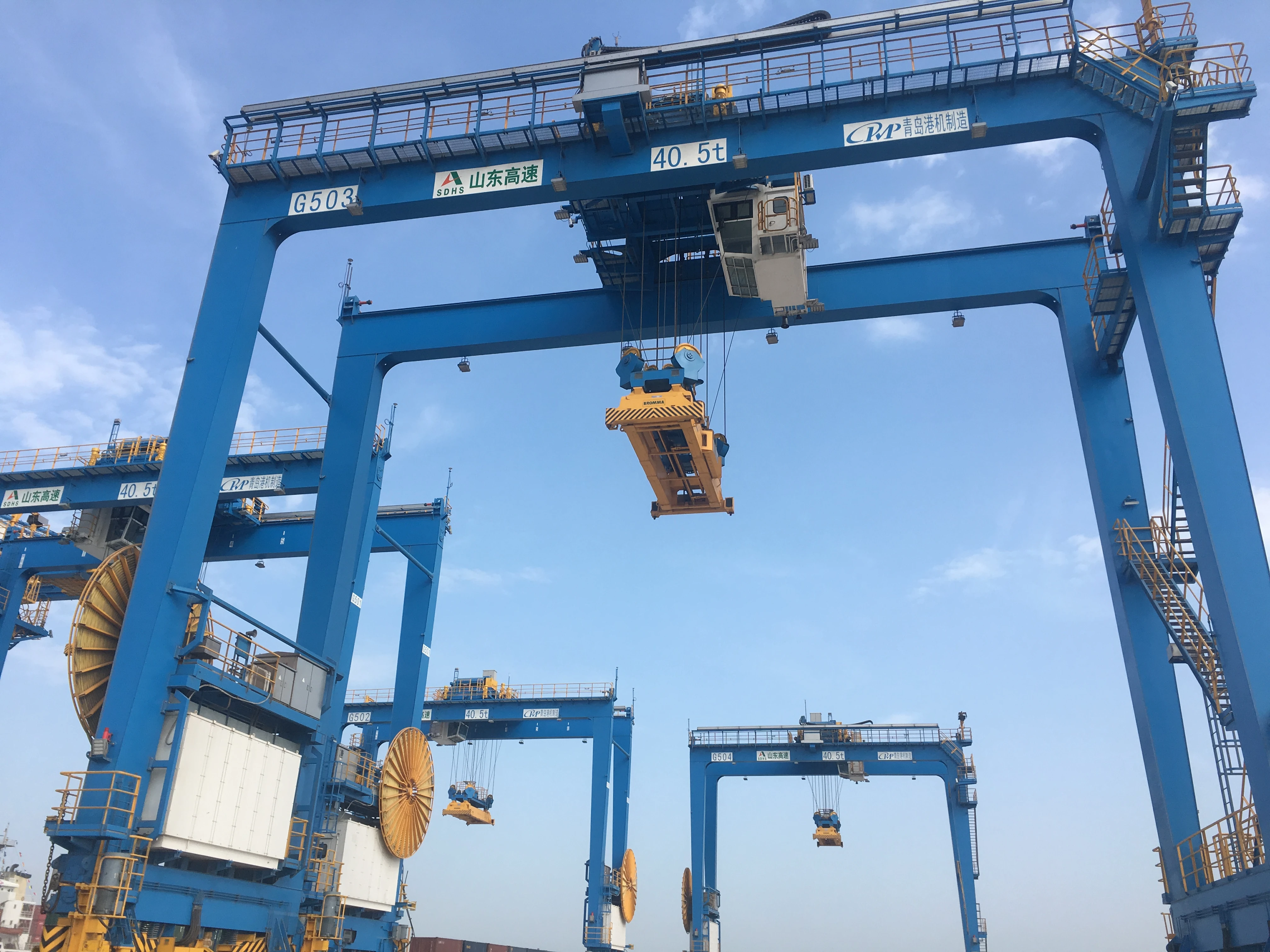
You can get container crane: faster hoist and fewer misses by working on your equipment and your team. If you make your container crane: faster hoist system better, you will see more work done and less wasted time. Skilled operators, smart hoist controls, and CEGC’s technology help you do your best work.
-
Average hoisting speed for loaded containers: 70 m/min
-
Skilled operators make hoist movement smooth and place containers exactly right.
-
Modern cranes let you lift more than one container at once.
|
Metric |
Value |
|---|---|
|
Loading/unloading rate |
25–40 containers per hour |
|
Reduction in vessel turnaround |
From days to hours |
|
Potential productivity loss due to poor operator technique |
20–30% reduction in productivity |
You get more work done and save time when you use advanced hoist systems and skilled operators together. Container crane: faster hoist solutions help you move each container quickly and correctly. You miss fewer lifts and do more work when you use good equipment and training. With CEGC, you have a container crane: faster hoist system made for doing lots of work fast. Every container moves safely, every hoist works well, and your work stays strong.
Key Takeaways
-
Hire skilled operators and use better hoist systems. This helps cranes work faster and miss fewer lifts.
-
Use predictive maintenance to find problems early. This keeps cranes running well and helps them last longer.
-
Use anti-sway technology to keep loads steady. This lets containers move faster and safer.
Container cranes: key factors for faster hoist
Container cranes are very important at ports. You need to know what helps them work faster and miss less. If you focus on the right things, you load and unload quicker. You also spend less time waiting and move more containers.
Motor power and lifting speeds
The motor is the main part of a container crane. Strong motors lift containers faster. Modern motors use new materials and smart designs. These help you get more power with less energy. You also save energy and make less heat. This means your crane lasts longer.
Many cranes have sensors and IoT technology now. These tools let you check the motor in real time. You can find problems early and fix them before the crane stops. Predictive maintenance keeps your crane working smoothly.
When you pick CEGC, you get cranes with standard lifting speeds. You can also change them for your project. You choose the motor power, duty cycle, and power type. You can pick electric, diesel, or hybrid. This helps you match your needs and keep your crane fast.
Load weight, sway, and stability
Each container has a different weight. The weight changes how fast you can lift and how steady the crane is. If the load is stable, you can lift faster and place it right. If the load is not stable, you must slow down to stay safe. This takes more time and lowers efficiency.
|
Hoisting Speed Impact |
|
|---|---|
|
Stable Load |
Lets you work fast and place containers well. |
|
Unstable Load |
Makes you slow down and can cause delays. |
You must follow weight limits and speed rules. These keep your crane safe and steady.
|
Specification Type |
Impact on Load Stability and Hoisting Speed |
|---|---|
|
Lifting Weight Limits |
Stops overload and keeps crane stable. |
|
Lifting Speed Regulations |
Stops too much force and keeps loads steady. |
Load sway is another problem. When a container swings, you might miss the target or hit something. Wind can make sway worse, especially when you work fast. You must watch wind speeds:
-
0–12 mph: It is safe to work.
-
13–31 mph: Be careful and check the load.
-
32+ mph: Stop lifting to stay safe.
Longer hang lengths can stretch ropes and make containers swing more. This takes extra time to fix. Operators may find it hard to see from the cab, which slows down work. CEGC cranes use anti-sway systems to keep swings small, within 50mm. This helps you place containers exactly and miss fewer lifts.
Control systems and automation
Control systems are like the brains of cranes. Advanced controls help you move hoist, trolley, and gantry together. When you use smart controls, you waste less time and finish jobs faster. Pre-set motions help you work quickly and make fewer mistakes.
Automation gives even more help. Automated cranes follow the best paths and lift with accuracy. They do not get tired, so they work at the same speed and make fewer errors. Features like auto-steering and smart stacking help you put containers in the right place every time. This saves travel and lets you handle more containers.
You can use remote checks and data logs. These help you find problems early and keep your crane working well. CEGC cranes let you pick how much automation you want. You can choose assist, remote, or semi-auto modes. Smart anti-sway and safety locks make your crane safer and more reliable.
When you use strong motors, steady loads, and smart controls, your cranes work faster and miss less. You make your terminal better, spend less time waiting, and keep your business moving.
Boosting terminal efficiency: solutions for fewer misses
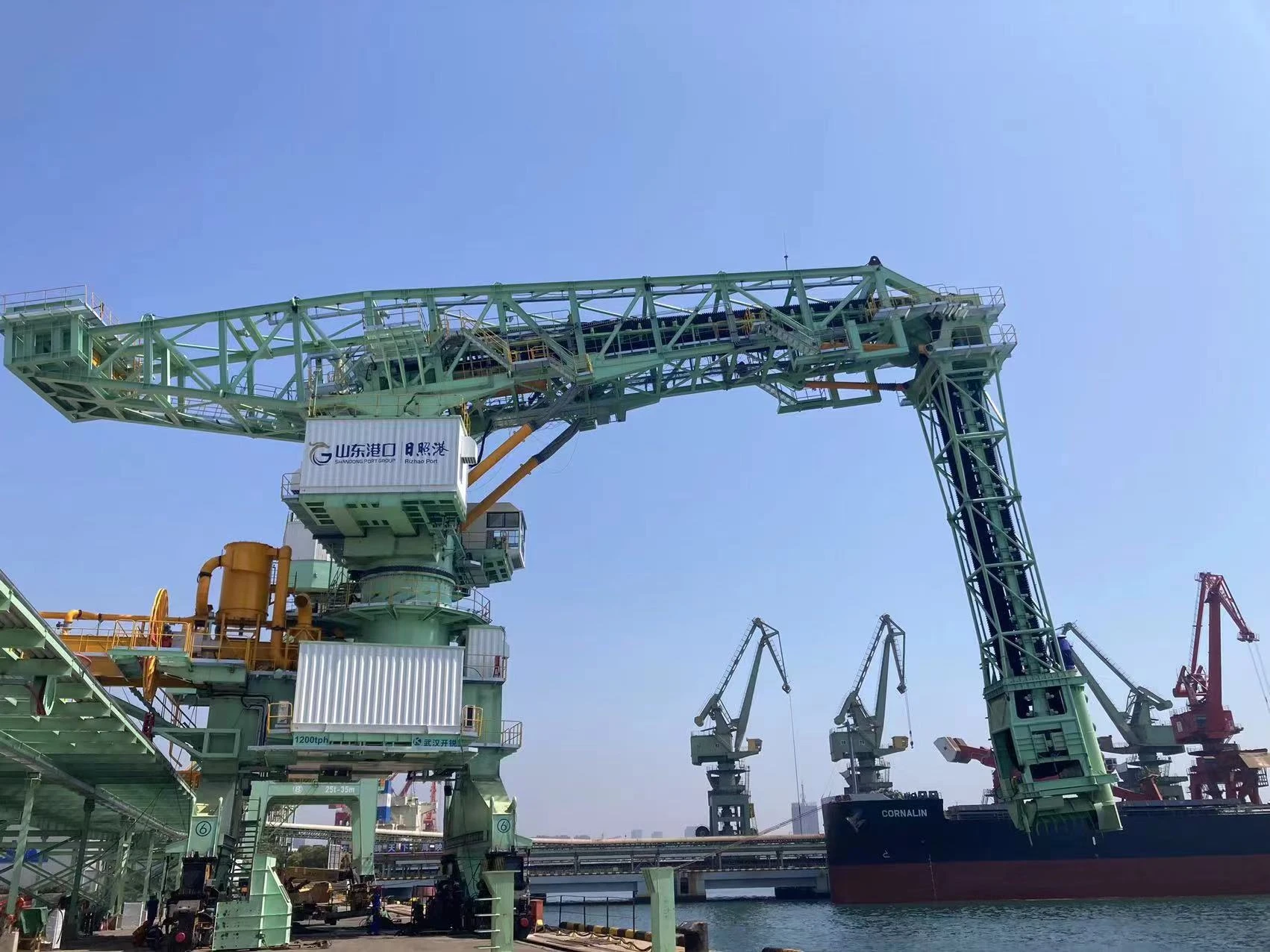
Anti-sway and safe lifting systems
You can make your terminal work better with anti-sway and safe lifting systems. These systems help you control how containers move when you handle cargo. Anti-sway technology cuts down on swinging loads. This helps you put containers exactly where you want them. It also lowers the chance of accidents and missed lifts.
Modern container cranes use anti-sway systems that change speed and movement by themselves. This keeps the load steady, even if you turn quickly. You get smoother cargo handling and fewer mistakes. In busy ports, this technology makes work safer and more productive. You see fewer missed lifts and your terminal works better.
CEGC gives you cranes with advanced anti-sway controls and safety locks. You can add extra sensors for wind, load, and angle. These features help you keep cargo handling safe and efficient, even when conditions are tough.
Maintenance and predictive monitoring
Regular maintenance and predictive monitoring are important for terminal efficiency. Predictive maintenance lets you check your crane’s condition as it works. Sensors watch temperature, vibration, and electrical parts. You can find problems early and fix them before your crane stops.
|
Benefit |
Description |
|---|---|
|
Improved Equipment Availability |
Predictive maintenance forecasts failures, allowing for timely service and reducing unplanned downtime. |
|
Reduced Emergency Repairs |
By addressing maintenance needs proactively, the need for emergency repairs is minimized. |
|
Enhanced Planning Capabilities |
Continuous monitoring enables better scheduling and planning, leading to higher operational efficiency. |
|
Optimized Maintenance Timing |
Repairs are conducted based on real-time data, reducing unnecessary downtime associated with fixed schedules. |
|
Continuous Monitoring |
Real-time sensor data allows for ongoing assessment of equipment conditions, leading to timely interventions. |
You get more work done and lose less time when your equipment stays in good shape. Regular maintenance also lowers repair costs and helps your cranes last longer.
|
Key ROI Drivers |
Description |
|---|---|
|
Minimizing breakdowns and repair times leads to less lost production and fewer delays. |
|
|
Increased Throughput |
Higher container handling rates result in greater revenue generation for terminals or rail yards. |
|
Lower Maintenance Costs |
Cranes that require less frequent repairs save on long-term maintenance expenses, improving profitability. |
CEGC supports predictive monitoring and lets you pick energy-saving features. You can choose variable frequency drives, regenerative braking, or hybrid power. These options help you save energy and keep your terminal running well.
Operator training and workflow integration
Operator skill and workflow integration are important for terminal efficiency. Well-trained operators make fewer mistakes and move containers faster. You can use face-to-face training, simulation training, hands-on practice, or blended learning. Each method helps operators learn skills and gain confidence.
|
Benefits |
|
|---|---|
|
Face-to-Face Training |
Enhances personal interaction, teamwork, and complex discussions. |
|
Simulation-Based Training |
Effective for technical processes, high-risk scenarios, and building foundational skills. |
|
Hands-On Experience |
Provides real-world operating conditions and direct engagement with machinery. |
|
Blended Learning |
Combines theory, simulation, and practical experience to boost retention and performance. |
You also make your terminal work better by using operator-centered HMI design. Simple controls help operators work faster and safer. When you match controls to operator needs, you cut down on mistakes and improve cargo handling. This helps safety and throughput get better.
Workflow integration and user-centered HMI design make operations easier. You lower mental stress and help operators focus on safe, efficient work. After modernization, crane downtime can drop by half and safety gets better.
|
Improvement Area |
Before Modernization |
After Modernization |
Duration |
|---|---|---|---|
|
Crane Downtime |
12-14 weeks |
4-6 weeks |
|
|
Operational Efficiency |
Not specified |
Measurable gains |
Improved |
|
Safety |
Not specified |
Enhanced safety |
Increased |
CEGC offers project-based choices for automation, anti-corrosion, and energy efficiency. You can pick strong coatings for marine use, advanced automation for better work, and energy-saving features for lower costs. These options help you reach top terminal efficiency and keep cargo handling strong for years.
Tip: If you use anti-sway systems, predictive maintenance, and skilled operators together, your terminal runs smoothly and safely. You get more work done, higher efficiency, and fewer missed lifts.
You can make your terminal work better with new technology. Regular maintenance helps your equipment stay in good shape. Skilled operators help move containers safely. These steps lower downtime and make your terminal safer. CEGC lets you pick what fits your project. Their cranes work strong and last long.
|
Feature |
Market Standards |
|
|---|---|---|
|
Customization |
Solutions made for your needs |
Standard choices |
|
Hoist Speed |
Hoists move faster |
Hoists move at average speed |
|
Automation |
Advanced automation and anti-sway |
Basic automation |
|
Safety |
Better safety features |
Safety changes |
You get results you can trust and value for your port.
FAQ
How do you achieve crane productivity improvement in modern container terminals?
You use smart controls and skilled operators. Regular maintenance is important too. These steps help you move containers faster. They also help you make fewer mistakes.
What helps reduce vessel turnaround times and boost operational throughput?
You use cranes with variable speeds and automation. These tools help you load and unload containers quickly. This makes your terminal work faster and reduces waiting time.
Why are variable speed cranes important for terminal operations?
You change lifting speeds for different container weights. You also adjust for wind conditions. This keeps your crane safe and efficient. It helps you handle more containers each hour.


