
You have new problems as container vessel windows shrink—raise hoist speed to keep up. When container vessel windows shrink—raise hoist speed for smoother cargo movement. CEGC gives you lifting equipment and marine cranes that help when container vessel windows shrink—raise hoist speed. You fix load sway, cycle time, corrosion, and downtime as container vessel windows shrink—raise hoist speed. The study shows that when container vessel windows shrink—raise hoist speed helps bigger ships and keeps costs down.
Key Takeaways
-
Faster hoist speeds help move cargo more quickly. This means there are fewer delays and ships leave sooner.
-
Anti-sway systems make things safer by keeping loads steady. This lowers the chance of accidents and keeps workers safe.
-
Predictive maintenance lets cranes work for more time. It stops breakdowns and cuts down on waiting, which saves money.
Hoist speed urgency in shrinking vessel windows
Impact on cargo handling efficiency
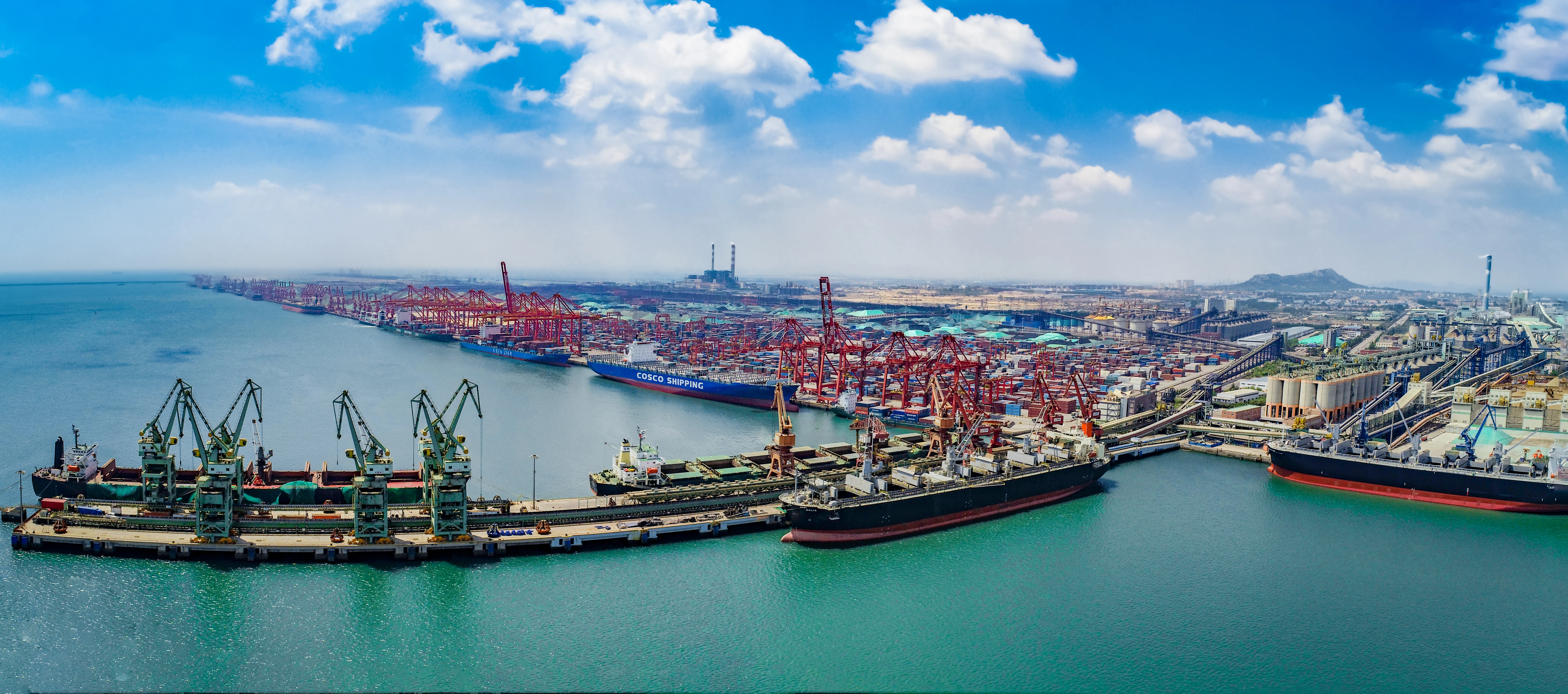
You see that container vessel windows are getting smaller everywhere. This is because ports are crowded, drayage is hard to predict, and there is not much space at the dock. These problems make ships wait longer and raise costs. Vessels sometimes have to wait offshore because of these bottlenecks. If you use marine cranes with faster hoist speed, you can move containers more quickly and stop delays. Real-time decision support systems help you run cranes better and finish work on time. AI solutions can make ship turnaround times shorter by up to 12%. This helps you handle cargo better and keeps your terminal strong in the market.
CEGC gives you marine cranes and container handling equipment that meet market standards. You can change these machines to fit your port’s needs. You pick the capacity, span, duty cycle, and how much automation you want. You also choose anti-corrosion grades for the sea air. When you get new marine cranes, you see real improvements. For example, the Port of Savannah made its berth bigger by 25% after adding new cranes. You can handle cargo better and deal with sudden jumps in demand.
Overhead crane speed and cycle time
Overhead crane speed changes cycle time right away. You must match bridge speed with hoist and trolley speeds. If bridge speed is fast but hoist speed is slow, you get delays and bottlenecks. Engineers make marine cranes so all speeds work well together. This cuts travel time and helps you move more cargo. CEGC’s marine cranes use smart motion control to stop bottlenecks. You keep cycle times steady and handle cargo better. You also lower load sway and the chance of crashes, even when the sea is rough.
Increase overhead crane speed—technical solutions
Anti-sway and safe lifting control for marine cranes
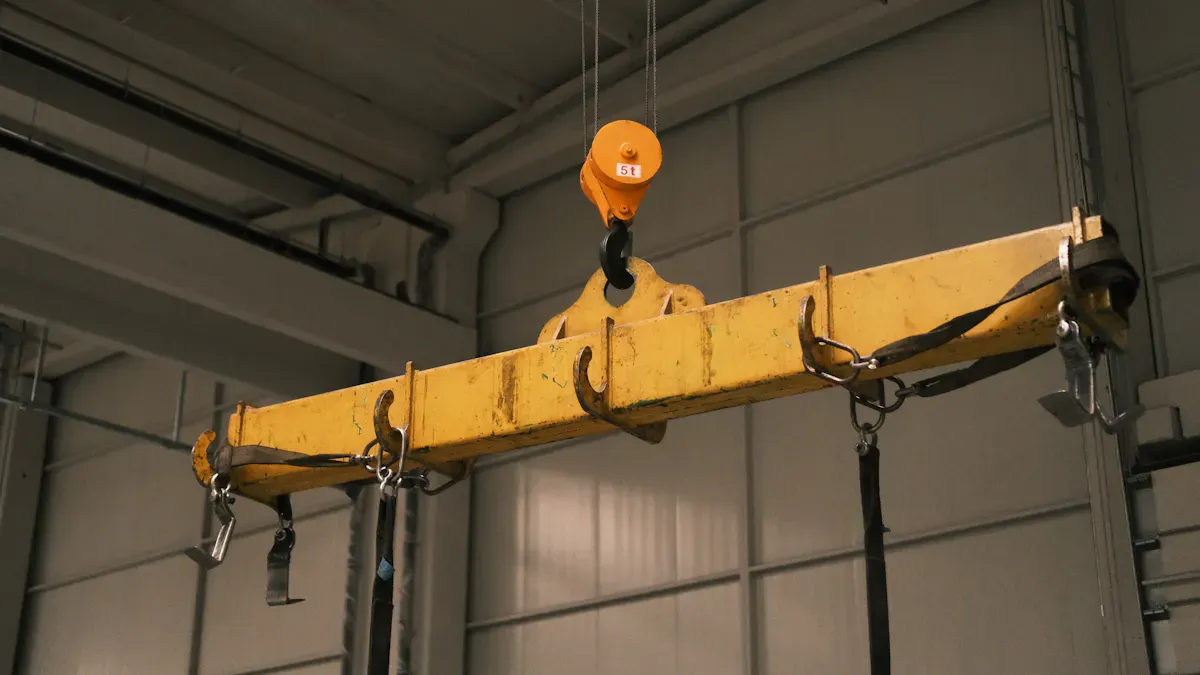
You need marine cranes that keep loads steady and safe. Anti-sway systems help stop loads from swinging. These systems use sensor fusion to mix data from many sensors. This gives you better control, even in bad weather. Automatic positioning can cut swinging by more than 95%. It also makes the crane very accurate, down to 2 millimeters. You get smoother moves and fewer accidents.
|
Evidence |
Description |
|---|---|
|
Sensor Fusion |
Combines data from multiple sensors for precise anti-sway control. |
|
Automatic Positioning |
Reduces swinging amplitude by over 95% and improves positioning accuracy. |
Anti-sway systems are built into the cranes. They change the crane’s speed and movement by themselves. This helps the parts last longer and not wear out fast. You also lower the chance of crashes and dropping things. These features keep your workers safe. Anti-sway crane control makes cargo handling much better. You see faster crane speeds and safer work every day.
Motion coordination and load-dependent speed profiles
You want your marine cranes to move fast and smooth. Motion coordination lets you control hoist, trolley, and gantry together. This keeps cycle times short and cargo handling strong. Load-dependent speed profiles match crane speed to the weight. You get a speed range that keeps things safe and steady.
-
Motion coordination cuts the swing angle to almost zero.
-
Advanced feedback control makes cranes more stable and efficient.
-
The system uses smart programming to keep speeds safe.
Variable speed controls let you change how fast cranes move. You can handle heavy or light loads without slowing down. You can use these features on dockside gantry cranes, rubber-tyred gantry cranes, and ship-to-shore cranes. These systems help you stop bottlenecks and keep your terminal running well.
Marine durability and predictive maintenance
You need marine cranes that last in tough ports. Salt, humidity, and dust can hurt your equipment. CEGC uses strong materials and coatings to protect cranes. For example, 316L stainless steel fights off saltwater. Special aluminum alloys and titanium parts stop rust and corrosion. Multi-layer coatings add even more protection.
|
Material Type |
Key Features |
|---|---|
|
316L Stainless Steel |
Enhanced resistance to chloride environments. |
|
Specialized Aluminum Alloys |
Regenerate protective oxide layers. |
|
Titanium Components |
Exceptional corrosion resistance. |
|
Fiber-Reinforced Polymers |
High strength and no electrochemical corrosion. |
|
Multi-layer Coating Systems |
Zinc-rich primers, epoxy barriers, and UV-resistant top coats. |
Predictive maintenance helps you stop sudden breakdowns. Smart systems check temperature, vibration, and other signs of wear. You get alerts before problems start. This lets you fix things early and keep cranes working. Predictive maintenance can make cranes ready to use 30% more and cut downtime by 25%. You save money and keep cargo moving.
You can change your marine cranes for automated work, duty cycles, and energy savings. Modern cranes have wireless controls, smart container recognition, and remote operation. These options help you work faster and make fewer mistakes. CEGC also uses energy-saving tech like variable frequency drives and regenerative braking. Hybrid models can lower your carbon emissions.
You get advanced marine cargo systems that fit your needs. You can change hook height, pick different lifting tools, and add safety upgrades. These features make your container handling equipment more flexible and reliable.
Tip: Pick marine cranes with predictive maintenance and strong anti-corrosion features. This keeps your equipment working longer and your cargo handling strong.
Operational outcomes and benefits
Throughput gains and adaptability
When you raise hoist speed, you see clear benefits. You can move more containers every hour. This helps you work faster and get more done. Trucks do not have to wait as long. Ship turnaround times get shorter. Your terminal works better because there are fewer slowdowns and less wasted time.
-
You move more things during each shift.
-
Truck wait times go down and ships leave sooner.
-
Container handling gets more efficient.
You can change how your cranes work when things get busy. Advanced optimization techniques, like genetic algorithms and neural networks, help you make smart choices and fix problems. Better OCR systems let you handle cargo with more accuracy and trust. These upgrades make your terminal ready for new challenges and changes.
|
Evidence Description |
Key Points |
|---|---|
|
Advanced Optimization Techniques |
Genetic Algorithms and Neural Networks help you make better choices. |
|
Impact on Cargo Handling |
Improved OCR systems make cargo handling more accurate and reliable. |
|
Efficiency of GAs |
GAs solve hard problems and help your terminal work better. |
Safety, cost, and lifecycle advantages
Anti-sway technology and real-time monitoring keep workers safe. Better load sway control lowers the chance of crashes and dropped loads. You get updates right away about crane work, so you can stop accidents. Smart maintenance systems help cranes last longer and have fewer problems.
-
You see fewer accidents when you use advanced safety tools with hoist speed.
-
You focus on making the berth work its best, which keeps people safe.
-
Predictive maintenance lets you find problems early and stop breakdowns.
Faster hoisting lets you move more containers each hour. You save money by using your equipment well and having less downtime. Automation and predictive maintenance stop surprise repairs and lower costs over time. Maintenance teams plan fixes instead of waiting for things to break, so cranes are ready when you need them.
|
Improvement Metric |
Description |
|---|---|
|
Crane Moves per Hour (MPH) |
More moves mean faster work and ships leave sooner. |
|
Predictive Maintenance |
Cuts crane downtime by 15–20% with checks based on crane condition. |
|
Automation of Container Handling |
Fewer mistakes and steady work, so delays and jams happen less. |
Tip: Pick CEGC’s project-based customization and market-standard specs to get the best results for your port machines and container gantry crane work.
You need to make hoist speed faster when vessel windows get smaller. CEGC gives you marine cranes with smart anti-sway, automation, and predictive maintenance. These features help you move cargo better and keep workers safe.
|
Opportunity |
Impact |
|---|---|
|
More need for advanced lifting equipment. |
|
|
Adoption of Automated Systems |
Less downtime and better efficiency. |
-
Use AI-based diagnostics to track things in real time.
-
Pick energy-saving and easy-to-care-for solutions.
FAQ
What does hoist speed mean for container handling?
Hoist speed tells you how fast containers go up. If hoist speed is faster, you can move cargo quicker. This helps your terminal work better and not slow down.
How do anti-sway systems improve crane safety?
Anti-sway systems stop loads from swinging side to side. This makes lifting safer and helps stop accidents. You also get more control when moving cargo.
Can you customize CEGC marine cranes for your port?
You can pick the capacity, span, and duty cycle you want. You can also choose how much automation and anti-corrosion you need. CEGC lets you change cranes to fit your port.


