
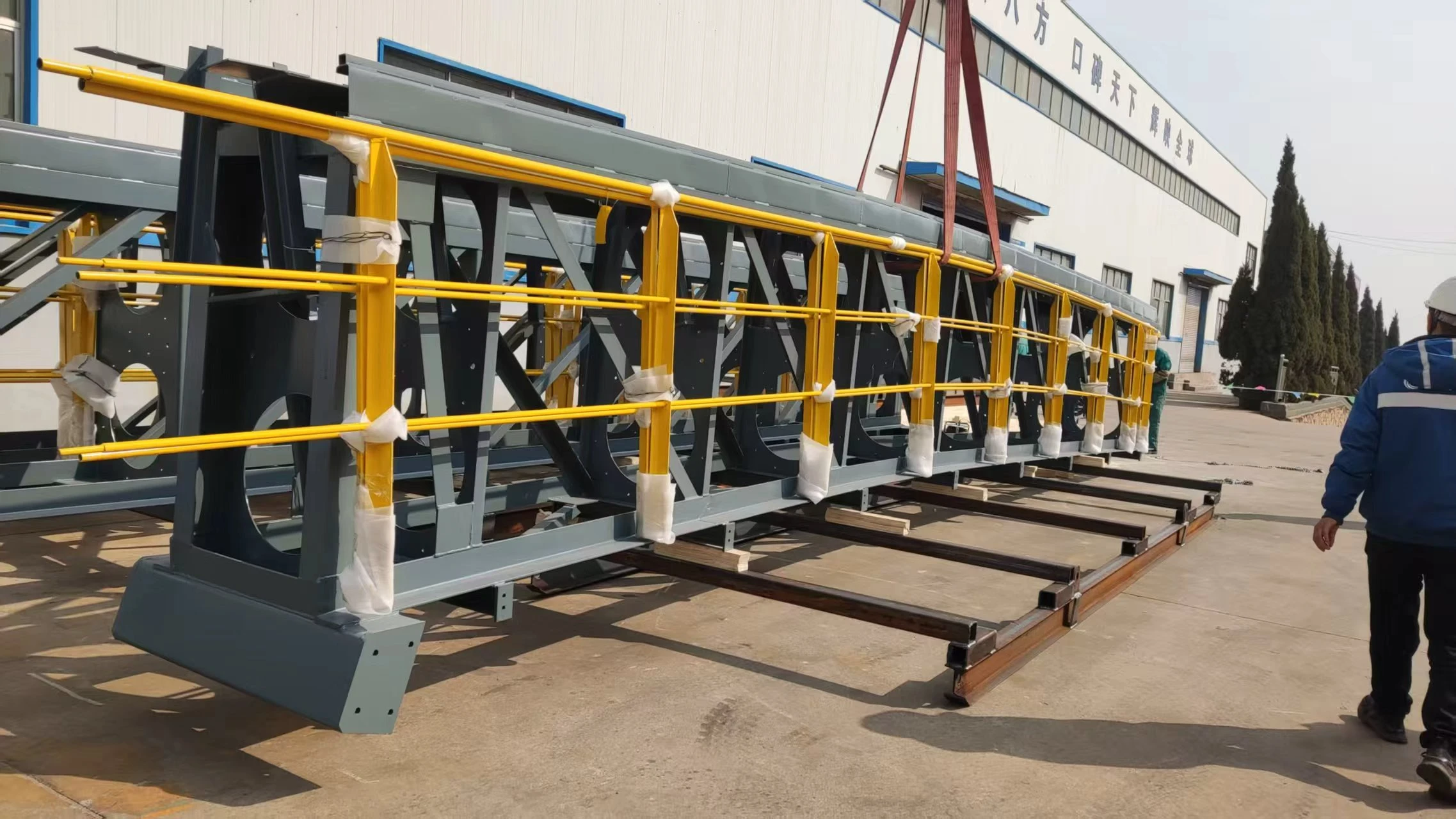
Container crane fault warnings reduce spare panic buys at ports and terminals, allowing you to save money and improve operational efficiency through predictive maintenance.
-
Container crane fault warnings reduce spare panic buys with real-time alerts that keep your team informed.
-
Container crane fault warnings reduce spare panic buys by detecting issues early, preventing unnecessary purchases.
-
Container crane fault warnings reduce spare panic buys by leveraging sensor data for accurate diagnostics.
-
Container crane fault warnings reduce spare panic buys when you schedule maintenance proactively.
-
CEGC ensures that container crane fault warnings reduce spare panic buys, supporting smarter maintenance strategies.
Key Takeaways
-
Use fault warnings to find problems early. This helps you stop buying extra spare parts you do not need and saves money.
-
Use predictive maintenance to plan repairs before things get worse. This lowers downtime and keeps work going well.
-
Use data-driven spare parts management to make inventory better. This makes sure you have the right parts without having too many.
How Fault Warnings Work in Container Cranes
Real-Time Alerts and Monitoring
You need real-time alerts to keep your team safe. These alerts also help your work go smoothly. Modern container cranes use sensors and data tools to spot problems fast. The system checks things like how much the crane is used, the weather, and how heavy the loads are. If something is wrong, it sends a message to operators by email or text. This lets you act fast and follow safety rules. CEGC’s HMI shows alarms and updates, so you know what is happening. Watching and tracking help you stop crane accidents and keep your equipment working well.
|
Component/Functionality |
Description |
|---|---|
|
Find damage early for better safety. |
|
|
Warning Thresholds |
Cut down on false alarms and make results better. |
|
Central Processing Units |
Study sensor data for real-time checks. |
|
User Interfaces |
Show live information to operators. |
|
Make safety and work better with load management. |
Key Fault Types Detected
There are many risks when using container cranes. Fault warning systems help you find problems before they cause accidents. The most common faults are sensor and limit device failures, electrical panel issues, motor problems, and control circuit failures. These can make things unsafe or stop the crane suddenly. CEGC’s anti-sway control and safety interlocks stop hoisting if movement is not safe, block travel at end limits, and stop motion if there is too much weight. These features lower the chance of accidents and keep your team safe.
|
Fault Type |
Impact on Crane Performance |
|---|---|
|
Sensor and Limit Device Failure |
Can cause unsafe choices and lead to accidents. |
|
Electrical Panel and Wiring Issues |
May make the crane work badly and cause safety problems. |
|
Motor Failure |
Weak lifting and possible damage, making things risky. |
|
Control Circuit Failure |
Sudden stops or moves, raising the chance of accidents. |
Role in Predictive Maintenance
You can use fault warnings to plan repairs before things get worse. Predictive maintenance uses checks, inspections, and data to guess when parts might break. This helps you avoid emergency fixes and lessens downtime. CEGC helps with remote checks and load watching. By looking at data, you can see patterns and fix problems before they cause accidents. This makes things safer, saves money, and keeps your port working well. Safety systems like these help you follow rules and avoid fines.
Tip: Use predictive maintenance to lower crane accidents and keep your equipment working.
Spare Parts Management and Inventory Optimization
Reducing Panic Buys with Fault Warnings
You can stop panic buying by using fault warnings. These warnings tell you about problems early. You do not have to guess which parts to buy. You also do not need to keep too many spares. You can plan what parts you need based on real problems. This helps you control your inventory and waste less.
When you know what your crane needs, you can order parts on time. You do not worry about missing important items. You also save money by not buying parts you will not use. CEGC makes equipment easy to reach and gives clear alarms. You can change worn parts fast and keep your inventory neat.
Note: Smart spare parts management with fault warnings can cut emergencies by 40%. It can also lower inventory costs by 25%.
Data-Driven Spare Parts Inventory
You can use crane data to make better choices for your spare parts. Predictive maintenance systems collect information about your equipment. This data shows which parts wear out most and when to replace them. You can build your inventory using facts instead of guesses.
A data-driven method means you do not keep too much or too little. You can track how often parts are used and change orders as needed. This helps you avoid running out or having extra parts. CEGC helps with modular access and a standard wear-part plan. You can swap parts quickly and keep your inventory small.
|
Benefit |
Description |
|---|---|
|
Accurate Forecasting |
Use data to know which parts you need. |
|
Lower Inventory Costs |
Do not buy too many spares. |
|
Fewer Stockouts |
Always have the right parts ready. |
|
Faster Repairs |
Find and change parts quickly. |
You get better results when you use data for spare parts management. Many ports have fewer emergencies and lower costs with this method.
Maintenance Planning and Cost Savings
You can plan maintenance better with fault warnings and smart spare parts management. You do not wait for things to break before fixing them. You can schedule repairs during slow times and avoid expensive downtime. This keeps your equipment working and your operations smooth.
Many ports save a lot of money with this plan. For example, GPA cut downtime by 30%. This saved millions and made their work easier. You can also make your crane last longer. When you use predictive maintenance and manage inventory well, you spend less on emergency repairs and more on planned upgrades.
You can follow these steps to improve spare parts management:
-
Track all parts and how they are used.
-
Use fault warning data to plan orders.
-
Check your inventory often and change it as needed.
-
Train your team to use CEGC’s HMI for alarms and updates.
You can see that using data and planning for spare parts gives better results. You save money, reduce downtime, and keep your port running well.
Implementing Predictive Maintenance Solutions
Steps to Deploy Fault Warning Systems
You can build a good fault warning system by following simple steps.
-
First, add technology that stops false alerts and helps your team know what is happening.
-
Next, teach your operators how to handle each alert.
-
Make a plan to keep improving safety and work.
-
Use AI and smart tools to send alerts before problems start.
You should also use vibration monitoring, thermography, oil analysis, and ultrasonic testing. These tools help you find problems with important parts early. You can pick on-premises or cloud-based solutions for tracking and remote checks.
Customization and Integration with CEGC Equipment
You can change predictive maintenance to fit your portal crane, container crane, or reach stacker forklift. CEGC lets you choose sensors and alarms that match your needs. Smart tools watch how machines are used and send alerts if something is wrong. Checking bearings and other parts often stops bad maintenance. Data analytics look at old usage data to guess when repairs are needed. This way helps you prevent problems and keeps your equipment safe and saves energy.
Using predictive maintenance makes your machines last longer and lowers the risk of bad maintenance.
Best Practices for Spare Parts Management
You should match your preventive maintenance plan with fault warning data. Use machine learning to find patterns in usage and plan repairs at the best times. Track all parts and use old usage data to stop bad maintenance and running out of parts. Always plan for preventive steps by checking inventory and teaching your team. This method cuts downtime and helps maintenance work better.
|
KPI |
Description |
|---|---|
|
Reduced Unplanned Downtime |
Plan repairs to stop work from being interrupted. |
|
Efficient Maintenance Expenditure |
Spend less by using data, not just fixed schedules. |
|
Prolonged Life of Equipment |
Finding problems early stops failures and makes machines last longer. |
You can manage spare parts and maintenance better with container crane fault warnings. Predictive maintenance from CEGC makes cranes work more reliably and saves money.
-
You need fewer repairs and your cranes stop less often.
-
Using data helps cranes last longer and reduces waste.
|
Impact |
Result |
|---|---|
|
Cost Savings |
Up to 30% |
|
Downtime Reduction |
Up to 50% |
FAQ
How do fault warnings help you reduce spare part costs?
Fault warnings help you find problems early. You only buy parts when you need them. This stops you from buying parts in a hurry and helps you save money.
Can you use CEGC fault warning systems with any container crane?
You can use CEGC fault warning systems with most container cranes. CEGC can change the system to fit your equipment and how you work.
What data do you need for predictive maintenance?
You need data from sensors, logs about how you use the crane, and records of repairs. This information helps you plan fixes and keep the right spare parts.


