
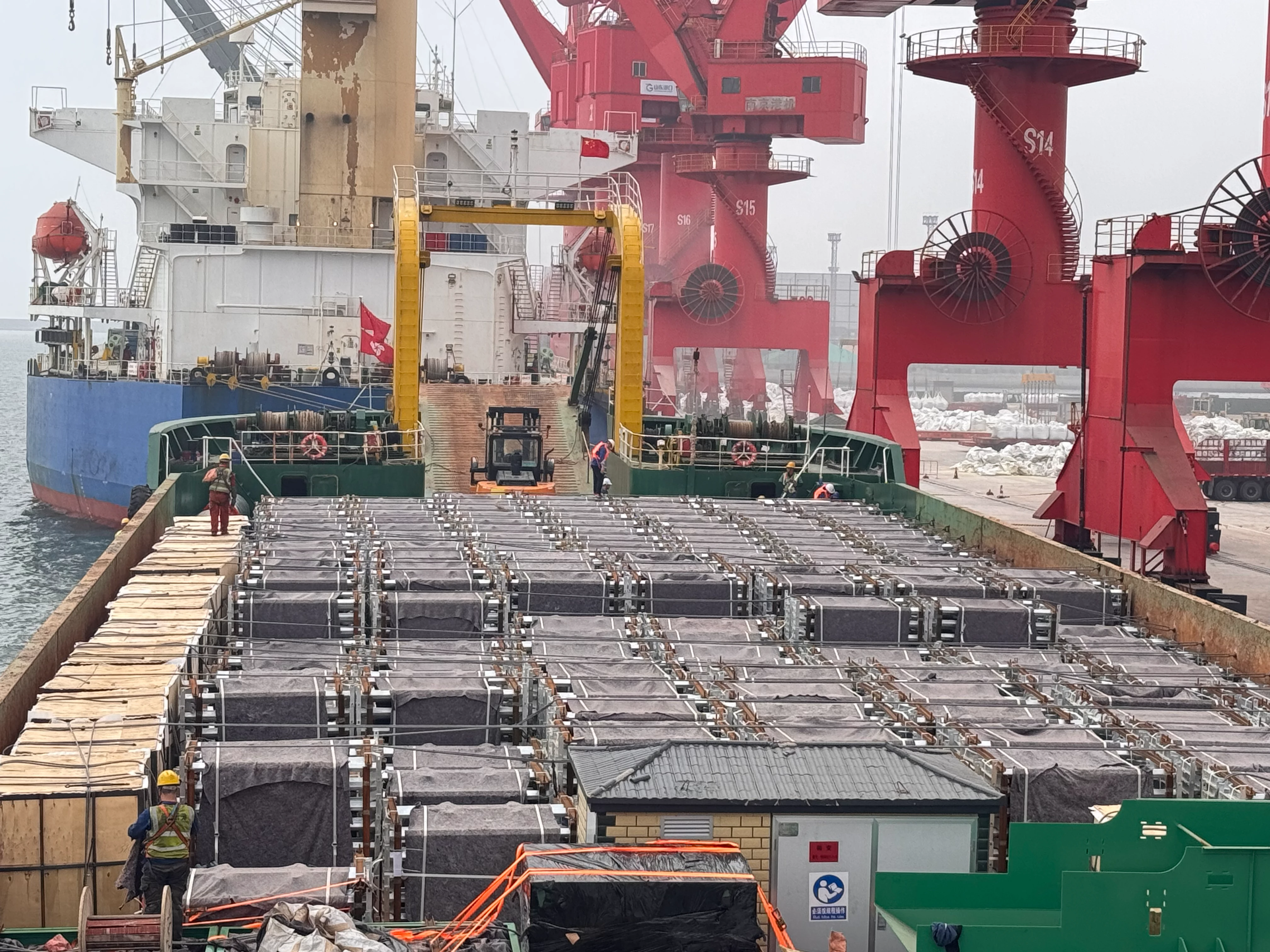
Port crane predictive alerts: what owners will ask about use live data to warn you early. These alerts work on portal cranes, container cranes, and ship cranes from CEGC. They help you stay safe and save money. Here is how these alerts help:
|
Benefit |
Impact on Safety and Costs |
|---|---|
|
Greater Safety and Compliance |
There are fewer equipment failures and accidents. You also follow safety rules better. |
|
Efficient Maintenance Expenditure |
Using data for maintenance lowers labor and inventory costs. |
|
Prolonged Life of Equipment |
Finding problems early stops big failures. This makes machines last longer. |
|
Economic and ROI Impact |
Less downtime means more work gets done. This helps you make more money. |
|
Reduction in Crane-Related Accidents |
Predictive maintenance can lower crane accidents by about 25%. |
With CEGC's predictive alerts, you have less downtime, avoid surprise breakdowns, and keep your port working well.
Key Takeaways
-
Predictive alerts warn you about problems before breakdowns happen. This helps you stop downtime.
-
Real-time data helps with maintenance. It can save money and make your cranes last longer.
-
Customizable sensor integration lets you watch certain conditions. This makes things safer and work better.
Port crane predictive alerts: what owners will ask
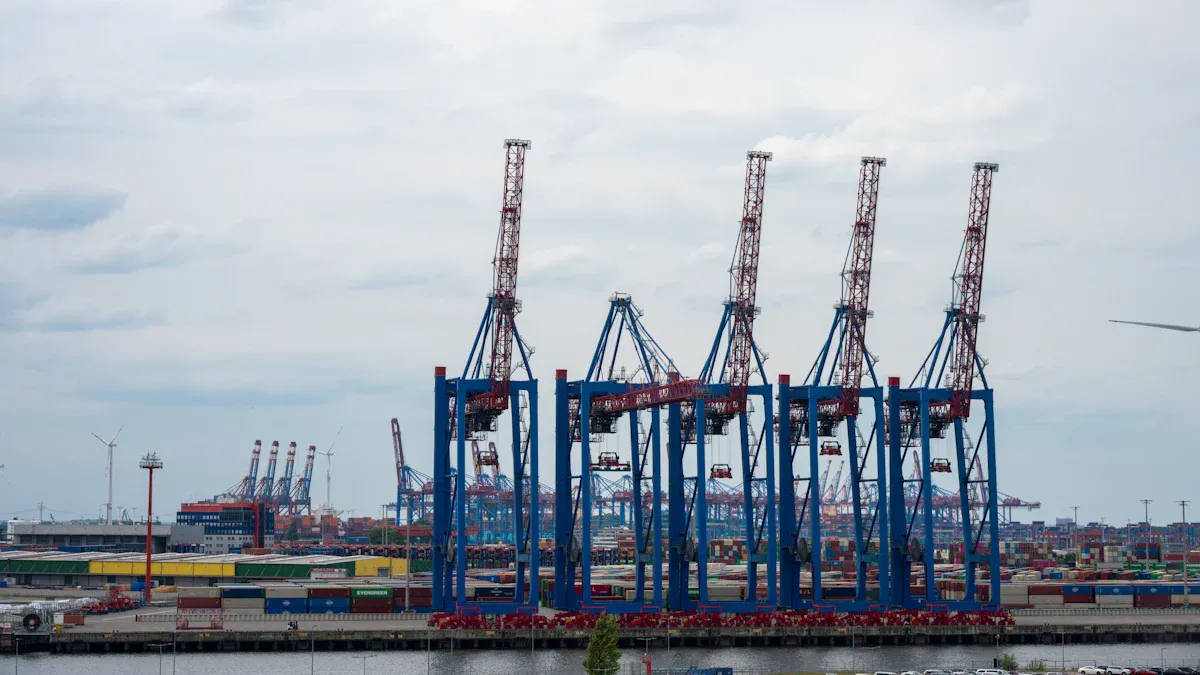
How predictive alerts work
Operating port cranes is hard. You deal with load sway and collision risk. Throughput can be unstable. Marine corrosion and downtime are big problems. Each issue slows your work and costs more money. Here is what happens every day:
-
Using cranes all the time wears out gearboxes and electrical parts. This causes them to get tired and break.
-
Salt, humidity, and dust make corrosion happen faster. Important parts get damaged.
-
If maintenance is missed, small problems grow bigger.
-
Not enough checks and monitoring can hide issues. These hidden problems can hurt your work.
-
Operator mistakes and bad load handling break machines.
Port crane predictive alerts: what owners will ask about use smart technology to fix these issues. The system watches the crane’s environment all the time. It checks for collisions or unsafe situations. Smart algorithms look at risks and send warnings. Warnings can be lights, sounds, or messages on your screen. Some systems stop or change crane movement if a collision might happen.
Anti-sway technology helps control the load. It keeps the load steady and stops swinging. Safety interlocks block unsafe moves and protect the crane and load. For example, CEGC’s anti-sway control and safety interlocks can cut payload swing by up to 95%. This makes your work safer and faster. New operators need less training. You place loads more accurately and cranes last longer.
Active Sway Control stops load sway during crane operation. It makes crane work safer, lowers collision risk, and improves efficiency.
You can use these predictive systems on portal cranes, container cranes, ship cranes, and container handling equipment. Every type gets fewer accidents, better cycle times, and less downtime.
Condition monitoring and sensor integration
Port crane predictive alerts: what owners will ask about need strong condition monitoring and sensor integration. Sensors collect data from cranes. They track things like load, angle, wind, and motor current. Here is a table showing common sensors and what they do:
|
Sensor Type |
Data Collected |
Purpose |
|---|---|---|
|
RFID |
Working environment details |
Helps operators know more |
|
ZigBee |
Swing angle measurements |
Watches crane movement |
|
Wi-Fi |
Stress and deformation data |
Checks structural strength |
|
NB-IoT |
Crane load and motor current |
Finds faults and monitors condition |
Sensor integration helps you spot problems early. The system collects data right away. It checks for faults before breakdowns happen. For example, using sensor integration on ship cranes and container handling equipment gives better early warnings. This lets you fix issues before work stops.
Sensor integration also helps find the cause of problems. You learn why something went wrong. Maintenance gets smarter and more focused. CEGC lets you customize sensor integration for your port. You pick the sensors and data you need.
Predictive analytics for maintenance
Port crane predictive alerts: what owners will ask about use predictive analytics to keep cranes working. These systems use AI-driven predictive maintenance to study sensor data. They look for patterns and signs of trouble. Here is a table showing how different techniques work:
|
Technique |
Description |
Effectiveness |
|---|---|---|
|
Machine Learning |
Uses algorithms to study past data and predict maintenance needs. |
Finds patterns and warns about possible failures. |
|
Statistical Modeling |
Uses math to connect data and guess outcomes. |
Helps you know what causes problems and when to act. |
|
Real-time Monitoring |
Uses IoT to watch crane operations all the time and spot issues fast. |
Gives instant insights and lets you fix problems before they get worse. |
AI-driven predictive maintenance helps you plan repairs before things break. You avoid emergency fixes and cut downtime. CEGC’s predictive maintenance systems use advanced tools to check crane health. This cuts surprise downtime and boosts efficiency. You get more work done and keep your port safe.
You also protect cranes from marine corrosion. Electronic Rust Protection Systems (ERPS) make a shield that slows rust. This matters for cranes near the sea. ERPS makes equipment last longer and lowers maintenance costs.
Case studies show predictive alerts work well. For example, sensors on container handling equipment spot impacts and reduce delays. AI-driven predictive maintenance on ship cranes finds defects early and cuts repair time. These systems help keep cranes ready for work.
Port crane predictive alerts: what owners will ask about give you tools to solve big problems. You get better safety, higher efficiency, and lower costs. With CEGC’s solutions, you can customize your system for portal cranes, container cranes, ship cranes, and more. You stay ahead of trouble and keep your port running smoothly.
Predictive maintenance benefits and challenges
Downtime reduction and cost savings
You want your port cranes to keep working. Predictive maintenance helps you reach this goal. Real-time data and smart alerts help you avoid downtime. Your cranes stay ready for more jobs. You do not waste time waiting for repairs.
-
Traditional maintenance can cause too many repairs. This costs more and does not always stop failures.
-
Predictive maintenance lets you fix things only when needed. You save money by skipping extra repairs.
-
AI-driven systems check your equipment’s condition. You get alerts before something breaks.
-
You can plan repairs during slow times. This keeps your port running well.
Many ports have saved money with predictive maintenance. For example, RSGT had less downtime and managed assets better. You can get similar results with CEGC’s solutions for portal cranes, container cranes, and ship loaders. Well-maintained equipment uses less energy. This lowers your bills and helps the environment.
Safety, compliance, and asset longevity
Safety is important in every port. Predictive maintenance helps you find problems before accidents happen. You can spot wear or malfunction in cranes and reach stackers early. This lowers the risk of failure and keeps your team safe.
-
Continuous monitoring shows your equipment’s health all the time.
-
You can plan repairs before something breaks.
-
Automated reports help you follow safety and environmental rules. You do not need to worry about missing steps.
-
Upgrading a reach stacker’s powertrain can cut emissions and fuel use. This supports your safety and ESG goals.
Predictive maintenance makes cranes last longer. You spend less on spare parts and avoid waste. Your assets last longer, and your port works better.
Integration and workforce adaptation
Adding predictive maintenance can be hard. High costs and new technology upgrades may seem tough. You need to connect new systems with old ones. Data security matters. You must protect your information from cyber threats.
-
Employees may worry about new technology. Training helps your team learn how to use predictive systems.
-
Ports in Europe show that adapting leads to less downtime and better schedules.
-
Automation makes your port safer and more reliable. It also reduces delays and increases throughput.
-
Condition-based monitoring helps you avoid hazards and keep productivity high.
You can work with CEGC to customize solutions for different crane types. This ensures you get the right fit for your needs.
Implementation steps for port crane owners
You can follow clear steps to bring predictive maintenance to your port:
-
Build strong IT and OT infrastructure. Make sure your wireless networks and computers are ready.
-
Set up data security rules. Control who can access your information and protect against cyber-attacks.
-
Check that new systems can connect with your current equipment. Use open APIs for easy integration.
-
Train your staff. Help them understand AI insights and manage changes.
-
Start with a pilot project. Test predictive maintenance on your most critical cranes.
-
Choose partners like CEGC who offer scalable and customizable solutions.
You can expect results quickly. Early detection means you fix problems before downtime happens. You keep your port safe, efficient, and ready for the future.
You can save money and make your port cranes safer with predictive alerts. These systems help cranes last longer and use less oil. They also help stop cranes from breaking down.
-
Real-time alerts let you plan repairs and stop damage before it happens.
-
Remote monitoring lets you see how healthy your cranes are.
|
Strategy |
Description |
Benefits |
|---|---|---|
|
Looks at patterns to guess when cranes might fail |
Saves money and keeps cranes working safe |
|
|
Remote Monitoring |
Watches how cranes are used and when they need repairs |
Lets you use data to make smart choices |
You should check your cranes now and think about using CEGC’s solutions. This can help you stay safe, work better, and get more value over time.
FAQ
How do predictive alerts help you avoid downtime?
Predictive alerts tell you about problems before parts break. You can fix things early. Your portal crane or container crane stays ready to work.
Can you customize predictive alert systems for different crane types?
You can pick sensors and features for your ship crane, container handler, or portal crane. CEGC lets you change the system for your project.
What data do predictive alerts use?
|
Data Type |
Example |
|---|---|
|
Sensor Data |
Load, wind, motor current |
|
Operation Logs |
Usage hours, faults |
You get live information to help keep your cranes safe.


