
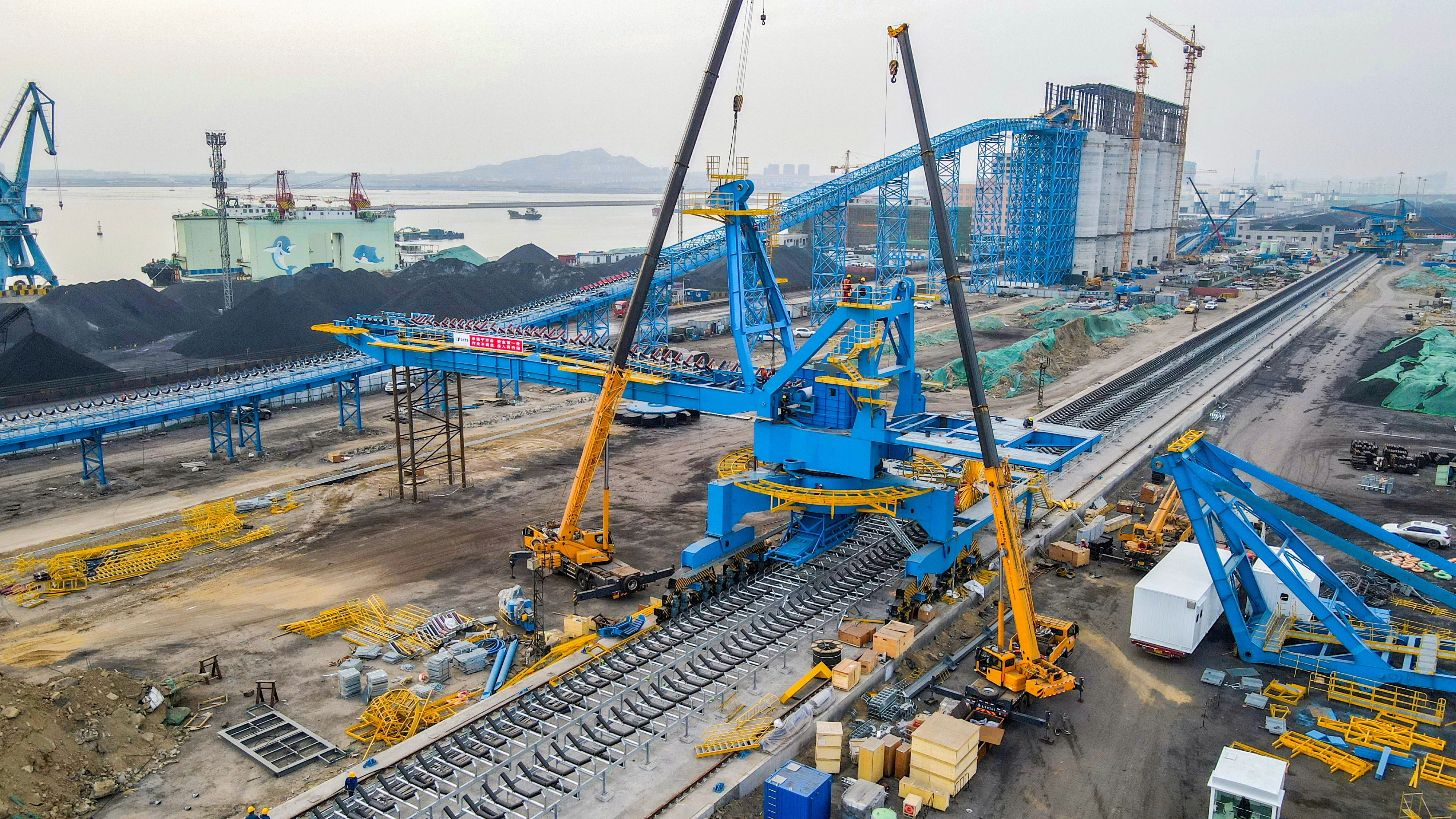
Container handler fault warnings improve uptime KPIs by helping you detect issues early, preventing unexpected breakdowns and maximizing equipment availability. With CEGC, ports benefit from advanced container handling equipment that leverages intelligent fault warning systems, smart loading, anti-sway technology, and real-time operational data. These features ensure that container handler fault warnings improve uptime KPIs, keeping your machines running longer and reducing operational delays.
|
Benefit |
Description |
|---|---|
|
Container handler fault warnings improve uptime KPIs, so machines operate more consistently and downtime is minimized. |
|
|
Reduced Delays |
Ships and cargo experience shorter wait times thanks to proactive fault detection and resolution. |
|
Optimized Resource Utilization |
CEGC solutions ensure workers and machines are deployed efficiently, reducing costs and boosting productivity. |
Key Takeaways
-
Container handler fault warnings find problems early. This helps stop surprise breakdowns. It also keeps equipment working longer.
-
Using predictive maintenance can save a lot of money and time. It lets you fix things before they break.
-
Connecting fault warning systems with terminal software gives real-time data. This helps people respond faster and work better.
Key Challenges in Container Handling
Downtime and Safety Risks
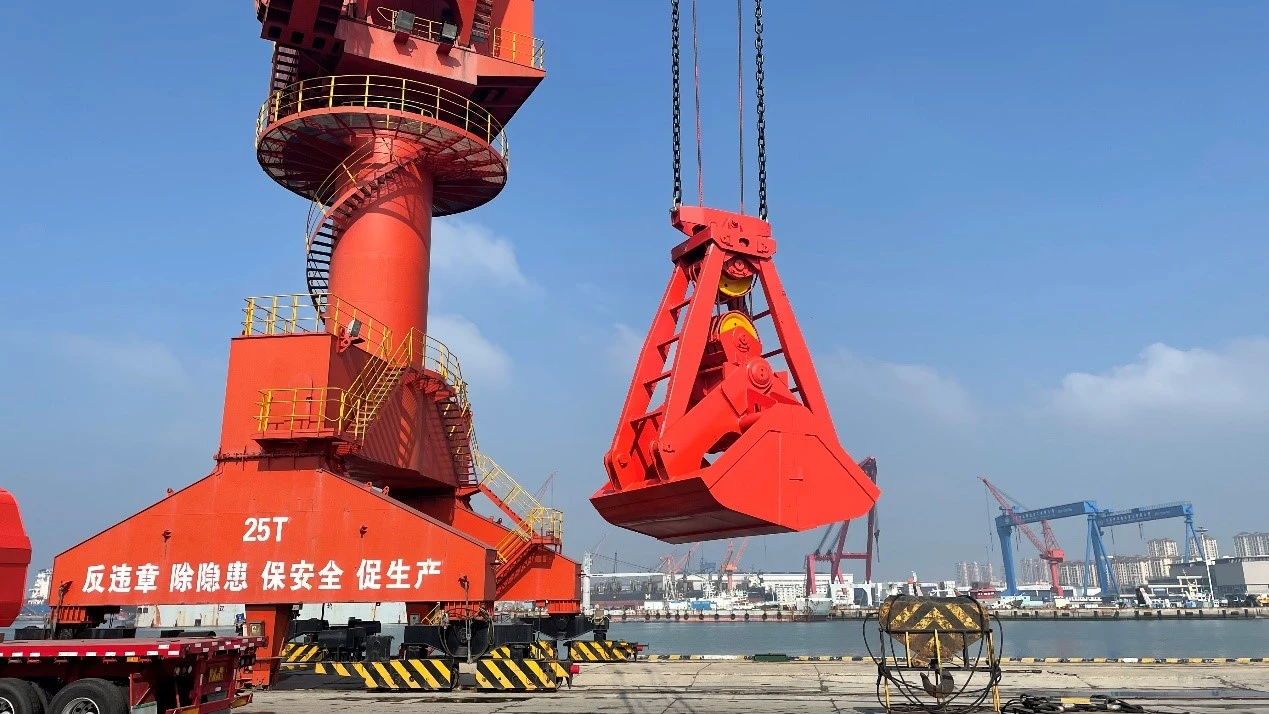
Operating container handling equipment comes with many risks. Machines like portal cranes, reach stackers, and container handlers can stop working without warning. This causes delays and interrupts your work. Many things can cause these problems:
-
Hydraulic system failures can start fires in container handling equipment. Checking parts often and using good parts helps stop these issues.
-
Working in closed spaces can be dangerous. You might breathe in bad gases or not get enough air. You need good ventilation and tools to check for gas.
-
Handling cargo the wrong way can lead to accidents and injuries. Clear rules and training help keep everyone safe.
-
Yard cranes can drop containers or crash stacks. Safety systems that work automatically can help prevent these events.
-
Load sway and collisions happen more when operators have trouble controlling the equipment, especially during busy times.
When machines break down, your schedule gets messed up. Your team can also be put in danger. CEGC gives you safety features that meet industry standards. You can pick anti-sway controls, safety interlocks, and displays that are easy to use.
Throughput and Efficiency Issues
When machines stop working, you cannot move cargo fast. Ships must wait longer, and your yard fills up. Heavy workloads and missed hooking attempts slow things down. Load sway and bad motion control make it hard to keep up.
You also spend a lot over the life of your equipment. These costs make it harder to earn money back and upgrade your machines. CEGC helps you fix these problems with better motion systems and options that fit your needs. You can change your equipment to move cargo faster and cut down on downtime.
How Container Handler Fault Warnings Improve Uptime KPIs
Container handler fault warnings help you find problems early. This means you can fix things before they stop your work. These systems help your machines run longer and avoid big delays. CEGC gives you smart tools like real-time alerts and predictive maintenance. You can connect these tools to your terminal systems. These features help you make good choices, keep your equipment safe, and improve your kpi results.
Predictive Maintenance and Early Detection
Predictive maintenance lets you plan repairs before things break. Container handler fault warnings help by telling you about problems early. Digital tools watch your machines and collect data. This data shows patterns that warn you if a part might fail. You can fix it during planned downtime, not when you are busy.
Predictive maintenance saves money and time. It stops surprise breakdowns that cost a lot. AI prediction can cut downtime to zero and lower costs from $39,400 to $340 for each event.
|
Maintenance Type |
Cost |
Downtime |
|---|---|---|
|
Without Prediction |
$39,400 |
6.2 hrs |
|
With AI Prediction |
$340 |
0 hrs |
CEGC gives you tools to check temperature, vibration, and other signals. You get alerts before small problems get worse. Anti-sway control helps keep loads steady and safe. All these things help container handler fault warnings improve uptime KPIs at your port.
Real-Time Data and Operational Response
You need real-time data to act fast when something is wrong. Container handler fault warnings send alerts to your team right away. You can see live feeds from your terminal systems and sensors. This helps you make quick choices and avoid delays.
|
Function |
|
|---|---|
|
Live feeds from terminal systems |
Turns signals into tasks and predicts busy spots. |
|
Gate sensors and vessel trackers |
Gives real-time info for making choices and changes. |
|
TOS inputs, GPS traces, sensor data |
Helps yard crews move containers and use resources better. |
You can fix problems faster when you know about them right away. Well-trained teams can solve issues the first time. This stops small problems from becoming big ones. Mean Time to Comment (MTTC) shows how fast your team reacts. Faster reactions mean more uptime and fewer stops.
Remote diagnostics are important too. You can check your machines from anywhere. If you see a warning, you can act before things get worse. This keeps your machines working and your kpi numbers high.
Integration with Terminal Systems
You can link container handler fault warnings to your terminal system. This helps you use real-time data from all your machines. When you connect these systems, you react faster and stay safer. Some ports have made response times 40% faster this way.
|
Evidence Type |
Description |
|---|---|
|
Improved Reaction Times |
Systems can make response times up to 40% faster. |
|
Real-time Data Utilization |
Using real-time data from AI video and sensors helps you see what is happening. |
|
Predictive Alerts |
Predictive analytics can show changes and warn about safety problems. |
You can also use predictive analytics to guess what might happen next. This helps you avoid accidents and keep things running smoothly. Advanced fault warning systems work well with new port technology. You get better monitoring, smarter planning, and more reliable machines.
When you use CEGC’s solutions, you get tools that work together. These include condition monitoring, anti-sway control, and remote diagnostics. These features help container handler fault warnings improve uptime KPIs every day. You protect your machines, keep your team safe, and give better service to your customers.
Implementing Fault Warning Solutions with CEGC
Customization and Integration Options
You can make machines work longer by changing fault warning systems for your port. CEGC lets you pick sensors, safety locks, and remote controls for your equipment. You choose what fits your terminal best. Custom projects help you fix special problems. For example, you can add automation, predictive maintenance, or ways to handle different cargo.
|
Feature |
Benefit |
|---|---|
|
Lowers accidents and keeps workers safe |
|
|
Automation |
Makes work faster and cuts down on delays |
|
Predictive maintenance |
Stops surprise breakdowns and downtime |
|
Adaptability to cargo types |
Lets you handle many kinds of cargo easily |
You can link fault warning systems to your terminal’s main system. This gives you live data and alerts. You can act quickly and keep machines running.
Best Practices for Uptime Improvement
You can keep machines working by using smart steps. Use a CMMS to turn problem codes into jobs. Tell the right worker right away. Share live updates with your team. This cuts downtime and helps you choose better.
-
Connect IT, OT, and engineering for live updates.
-
Give workers easy ways to see data.
-
Use AI to plan repairs and stop failures.
-
Make work easier with digital tools.
You check kpi results by watching downtime, repairs, and spare parts use. Automatic checks and early warnings mean less manual work and lower repair costs. Remote checks save travel and training time. These steps help your machines last longer and work better.
Container handler fault warnings help you keep machines working longer. They let you spot problems right away and make smart choices. This means less downtime and better kpi results. CEGC is special because it checks quality, has skilled engineers, and helps customers all over the world.
|
Aspect |
Description |
|---|---|
|
Quality Assurance |
CEGC uses strong quality checks to keep equipment safe and reliable. |
|
Engineering Expertise |
The company uses expert engineers to build safe port machines. |
|
Global Service Network |
CEGC helps customers everywhere, so safety and reliability stay high. |
You should look at your systems to get the most uptime. Here are some steps to follow:
-
Check how good your maintenance is now.
-
Find out which machines are most important.
-
Make sure your team is ready for new tech.
-
Build strong IT and OT systems with good wireless and safe gateways.
-
Make rules for who owns data and how to keep it safe.
-
Make sure new maintenance tools can work with your old systems using open APIs.
-
Teach workers how to use AI and follow system tips.
-
Try new tech on your most important machines first and see if it works.
Container handler fault warning systems help you keep machines running for a long time. They give you real-time alerts, help you use data to decide, and cut down on downtime. With CEGC’s solutions, you can get more uptime and better kpi results.
FAQ
How do container handler fault warnings help you improve uptime?
You get alerts early when something is wrong. This helps you fix problems fast. Your machines keep working longer. This means your port stays busy and smooth.
Can you connect fault warning systems to your terminal software?
You can link fault warning systems to your terminal software. This gives you live data right away. You can act fast and keep your machines working.
What steps should you take to maximize uptime with CEGC solutions?
You should watch your equipment closely. Train your team well. Use tools that predict problems before they happen. These steps stop breakdowns and help your port work better.


