
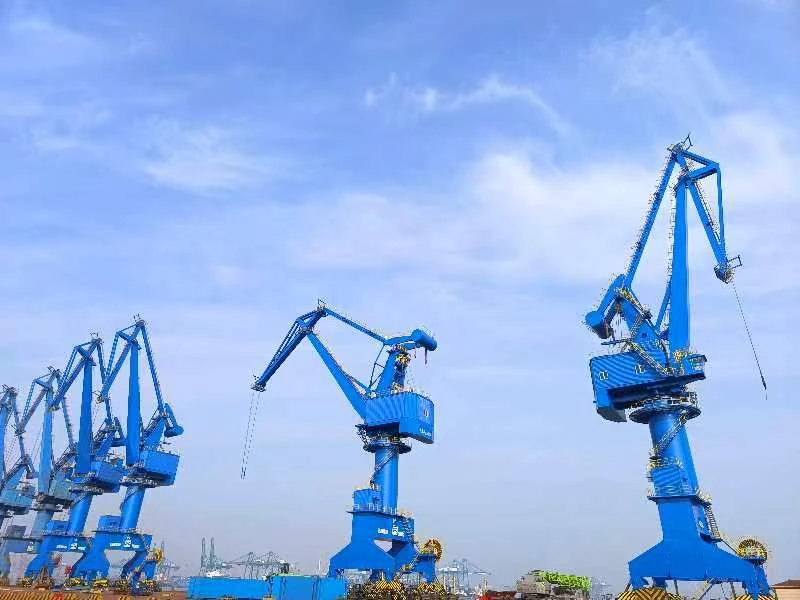
You can adjust the container crane hoist speed to fit your operational needs. However, increasing the container crane hoist speed can lead to more friction and workload on the internal components, which may cause excess heat in the gearbox. This extra heat can impact the longevity and reliability of your equipment. CEGC emphasizes the importance of managing container crane hoist speed to avoid gearbox heat, ensuring your port machinery operates safely and consistently.
Key Takeaways
-
Control hoist speed to stop the gearbox from getting too hot. Fast speeds make more friction. This causes extra heat and can hurt the gearbox.
-
Check lubrication levels and quality often. Good lubrication keeps gears and bearings safe. It lowers wear and stops breakdowns.
-
Use smart tools like variable frequency drives and anti-sway technology. These tools help you control the hoist better. They also lower stress on the gearbox.
Container crane hoist speed: avoid gearbox heat
Hoist speed and gearbox temperature
Hoist speed helps you control how fast your port works. If you make the hoist speed faster, the gearbox has to work harder. This makes more friction inside the gearbox. More friction means more heat. If you do not control the hoist speed, the gearbox can get too hot. This can hurt the gearbox in your portal crane, container handler, ship crane, or cargo crane.
The gearbox in your container gantry crane works hard when lifting heavy things. If you make the hoist speed too fast, gears and bearings rub together more. This rubbing makes the gearbox hotter. If there is not enough cooling, the gearbox can overheat. Overheating can happen from fast hoist speed, low oil, blocked vents, or broken cooling fans. You need to check for these problems to keep your equipment safe.
Here is a table that shows what causes overheating and what happens to gearbox parts:
|
Cause of Overheating |
Effect on Gearbox Components |
|---|---|
|
Low oil level |
Increases friction and temperature |
|
Wrong oil viscosity |
Raises friction and temperature |
|
Blocked vents |
Leads to overheating |
|
Failed cooling fans |
Causes excessive temperatures |
|
Restricted airflow |
Results in high gearbox temperatures |
|
Frequent heavy lifts |
Can exceed gearbox rating and lead to wear |
Remember, controlling hoist speed is not just about machines. It is also about safety. If the gearbox gets too hot, gears can break, shafts can snap, and oil can leak. These problems can stop your port machines and cost a lot of money.
Impact on lubrication and wear
Lubrication helps protect the moving parts in your gearbox. If you run your crane at high hoist speed, the gearbox gets hotter. Without enough cooling, the oil inside can break down. This makes it harder for the oil to protect gears and bearings.
If you do not control hoist speed, you can have problems with lubrication:
|
Effect of Excessive Heat on Lubrication |
Description |
|---|---|
|
Viscosity Drops |
Reduces the ability to form a protective film between gear teeth. |
|
Oxidation Accelerates |
Causes oil breakdown and sludge formation. |
|
Seals Harden or Crack |
Leads to leakage and contamination. |
|
Metal Components Expand |
Creates misalignment and excessive wear. |
If the oil gets too thin, gears touch each other more. This makes the gears wear out faster. If the oil breaks down, it turns into sludge. Sludge can block oil paths and stop cooling. If seals crack, oil leaks out. This leaves less oil for cooling and protection.
You should watch for signs like oil leaks, strange noises, or a hot gearbox. If you see these signs, check the cooling system right away. Also check the oil level and quality. If you ignore these signs, you could have big failures.
Some common failures from overheating are:
-
Gear failures from wear or breakage
-
Shaft breakage from overload or misalignment
-
Oil leaks from damaged seals
These failures can stop your container handling equipment and cause safety risks. You may also see more load sway and changes in cycle time if the gearbox does not work well. High hoist speed can make the load swing more. This makes it harder to place containers safely and quickly.
Managing hoist speed is very important. You protect your equipment, your team, and your schedule. You also cut down on emergency repairs and keep your port running well.
Here is a table that shows some technical pain points that get worse with high hoist speed:
|
Factor |
Description |
|---|---|
|
Reliability of the hook |
Wear and fatigue can cause hook failure and load drop. |
|
Reliability of brakes |
Overheating or wear can cause brake failure and safety risks. |
|
Reliability of wheels |
Uneven friction can cause wheel or track failure. |
|
Reliability of reducers |
Overload or poor lubrication can cause gear failure and stop the crane. |
|
Reliability of wire rope |
Uneven forces can cause deformation or breakage. |
|
Reliability of foundation |
Poor foundation can cause crane instability. |
|
Extreme weather |
Bad weather increases safety risks during crane operation. |
You can avoid these problems by controlling hoist speed and making sure your cooling system works well. This keeps your CEGC container handling equipment safe and reliable.
Preventing gearbox overheating in port machinery
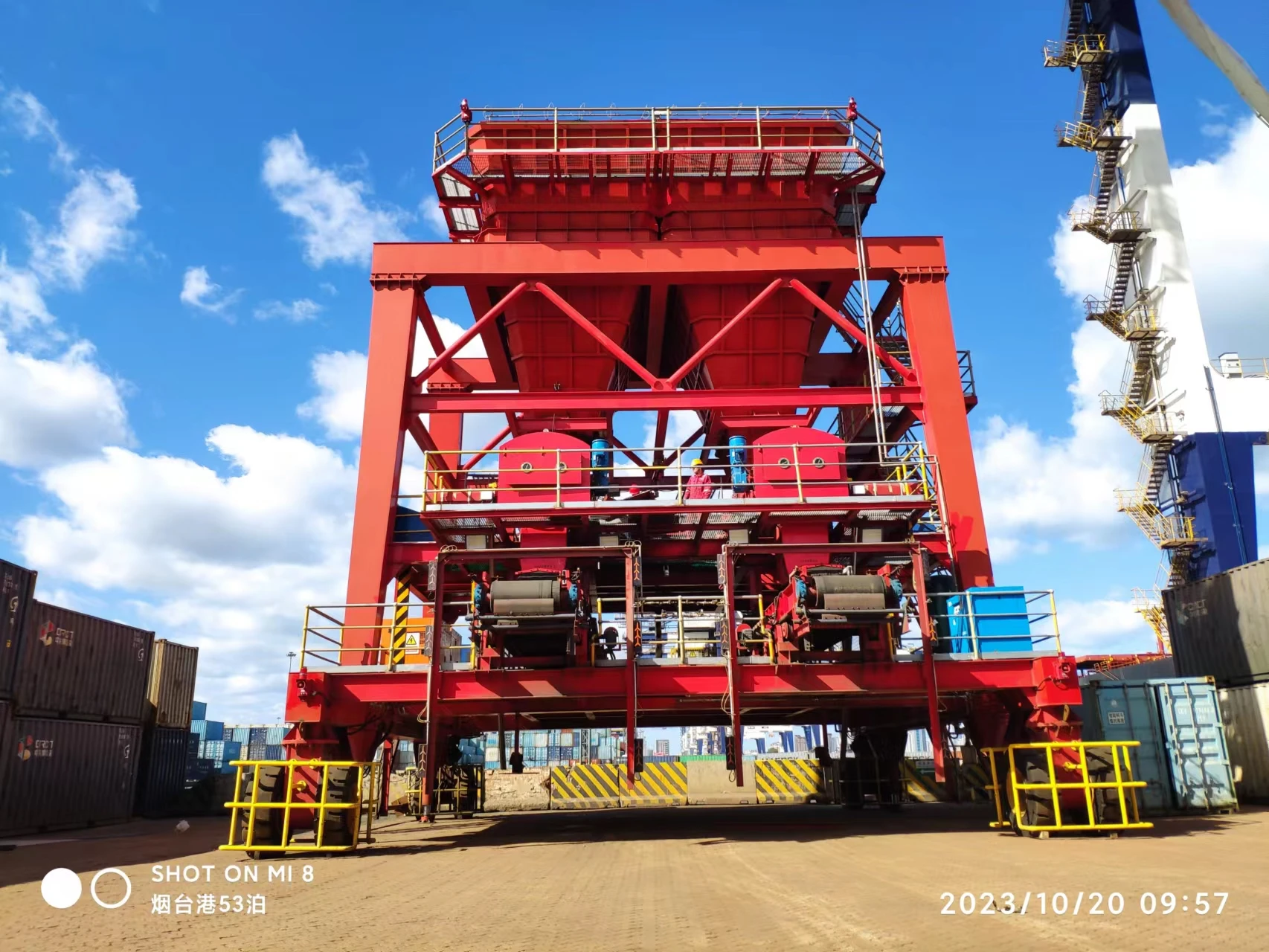
Technical solutions for heat control
You can stop gearbox overheating by using smart solutions. First, set the right hoist speed for your crane or Reach Stacker. If you run the hoist too fast, the gearbox gets overloaded. Overloading makes more friction and heat. Always match hoist speed to the load weight and conditions.
Modern cranes use variable frequency drives. These drives help you control crane motors better. They cut down on start-stop cycles. This lowers stress and heat. Anti-sway technologies help too. They keep the load steady. The gearbox does not get extra strain from sudden moves or imbalance.
You can use monitoring systems to check gearbox temperature and vibration. These systems give real-time data. If you see high temperature or strange vibrations, you can fix problems early. Thermography uses infrared cameras to find hot spots in the gearbox. Vibration monitoring helps you spot faults like imbalance or bearing wear early.
Here is a table that shows some features and their benefits:
|
Feature |
Description |
|---|---|
|
Variable Frequency Drives |
Enhances control precision and reduces heat generation in gearboxes by optimizing motor speed. |
|
Anti-sway Technologies |
Improves load handling, which can indirectly reduce stress and heat in gearboxes. |
|
Monitoring Systems |
Provides real-time data that can help in managing gearbox temperatures effectively. |
Do not overload the crane. Overloading puts too much stress on the gearbox and crane motors. This can cause overheating if cooling is not enough. Always check the rated capacity before lifting heavy loads. If you work in tough places like offshore platforms or ship loaders, be extra careful. Marine-grade features like corrosion-resistant materials and sealed enclosures protect your equipment from bad weather and saltwater.
|
Protective Measure |
Benefit |
|---|---|
|
Corrosion-Resistant Materials |
Enhances durability in humid conditions, reducing risk of overheating. |
|
Sealed Enclosures |
Protects against moisture and contaminants, extending lifespan. |
|
Cooling and Heating Systems |
Manages operating temperature, preventing overheating or freezing. |
A real example comes from an offshore platform. Operators switched to special grease for extreme conditions. This change lowered friction, used less lubricant, and cut the risk of failure. The result was fewer breakdowns and longer equipment life.
Maintenance and monitoring best practices
You can keep your crane running well with regular maintenance and smart monitoring. Start by checking and changing lubricants as the maker says. Clean gearbox surfaces to keep out dirt and dust. Inspect and clean magnetic debris collectors to remove metal bits that cause damage.
Follow these steps to stop overheating:
-
Monitor and change lubricants often. This keeps gears and bearings safe.
-
Keep gearbox surfaces clean. Clean surfaces help stop overheating.
-
Inspect and clean magnetic debris collectors. Remove metal bits before they cause trouble.
-
Track gearbox temperature and pressure. Use sensors for early warning.
-
Fix overloading and stress issues. Never run the gearbox past its rated capacity.
Watch for signs of imbalance or electrical imbalance in your equipment. Imbalance causes extra vibration and wear. Electrical imbalance in crane motors can cause uneven heating and shorten motor life. If you see many start-stop cycles, check if the system works right. Too many cycles can cause more wear and heat.
Use tools like thermography and vibration sensors. These tools help you find problems early. Thermography lets you see hot spots without stopping the crane. Vibration monitoring finds faults before they cause big failures.
Tip: Plan regular maintenance checks and use real-time monitoring to catch problems before they cause downtime or high energy costs.
By following these best practices, you can lower maintenance uncertainty and keep your equipment safe. CEGC offers standard specs and custom options for all port machinery, including cranes, Reach Stackers, and ship loaders. These features help you handle tough conditions and frequent cycles with confidence.
There is a clear connection between high speed and gearbox heat in container cranes. If you control the speed and use smart solutions, you keep the crane working longer. This also helps you spend less money on repairs. You can stop the crane from breaking down and make it safer. Following rules like ASME B30 and using FMEA helps your team work safely and avoid problems.
FAQ
What causes gearbox burnout in container cranes?
You can cause gearbox burnout by running the hoist at high bridge speed. This creates extra heat and stress. Always check bridge speed to prevent burnout.
How does bridge speed affect crane safety?
You control crane safety by managing bridge speed. High bridge speed increases burnout risk. You should keep bridge speed within safe limits to avoid burnout and accidents.
How can you prevent burnout during high bridge speed operations?
You prevent burnout by monitoring bridge speed closely. Use sensors to track bridge speed. Schedule regular checks. Lower bridge speed if you see signs of burnout.
Why does bridge speed matter for port machinery?
You rely on bridge speed to move loads fast. If you push bridge speed too high, you risk burnout. Keep bridge speed balanced for safe operation.
What are signs of burnout from excessive bridge speed?
You may notice strange noises, hot gearboxes, or oil leaks. These signs show burnout from high bridge speed. Stop and inspect your equipment right away.
Can bridge speed changes reduce burnout?
You can reduce burnout by adjusting bridge speed. Lower bridge speed when loads are heavy. This helps you avoid burnout and keeps your crane working longer.
How often should you check bridge speed to avoid burnout?
You should check bridge speed every shift. Frequent checks help you spot burnout early. This keeps your equipment safe and reduces downtime.
Does bridge speed impact maintenance costs?
You lower maintenance costs by controlling bridge speed. High bridge speed leads to burnout. You save money by keeping bridge speed at safe levels.


