
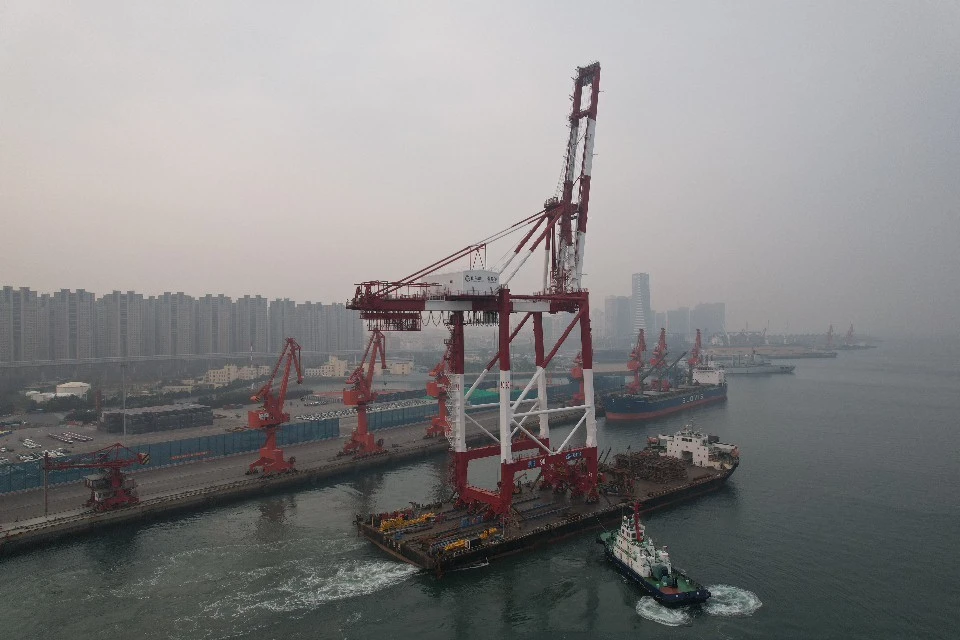
You can stop accidents by using good container handling equipment. You also need to follow strict safety rules. CEGC provides solutions that help you meet market standards while allowing for customization to fit your specific needs. The table below illustrates how these features contribute to accident prevention, which is crucial when dealing with load sway, operator skill gaps, or maintenance issues.
|
Feature |
CEGC Port Machinery Solutions |
Market-Standard Specifications |
|---|---|---|
|
Anti-sway control |
Yes |
Varies |
|
Multi-layer safety interlocks |
Yes |
Limited |
|
Predictive maintenance |
Yes |
Often not included |
|
Operator-centered HMI |
Yes |
Varies |
|
Energy optimization |
Yes (electric, diesel, hybrid) |
Limited options |
Container crane: prevent “near latch” failures by emphasizing safety, reliability, and advanced technology.
Key Takeaways
-
Checking container cranes often helps stop accidents. Look at the equipment every day to find problems early.
-
Training operators well is very important for safety. Make sure all crane operators have certificates and know what to do in emergencies.
-
Use exclusion zones to protect people. Show where people should not stand when cranes are working.
Causes of Near Latch Failures
Human Error and Operator Skill
You are important for safe container crane work. Mistakes by people often cause near latch failures. Working long hours can make you tired and less careful. Loud noises or foggy areas can make it hard to see or hear. This can make you guess wrong about where things are. If you get too many alarms or things change fast, you might feel stressed. This stress can make you mess up, especially when locking containers. You need to pay attention and follow the rules to stay safe. Loads that swing and changes in timing make your job harder. This can make crane failures more likely.
-
Being tired makes you less accurate.
-
Straining your senses can make you guess wrong.
-
Too much to think about can make you forget steps.
-
Most mistakes happen when lining up or checking feedback.
Equipment Faults and Wear
You need good machines for every lift. Crane parts can break if they get old or damaged. If you do not take care of crane parts, they can stop working without warning. Old cables, broken sensors, or bad twistlocks can all cause near latch failures. Checking and fixing machines often helps you find problems early. You should look for damage before every shift.
Environmental Factors
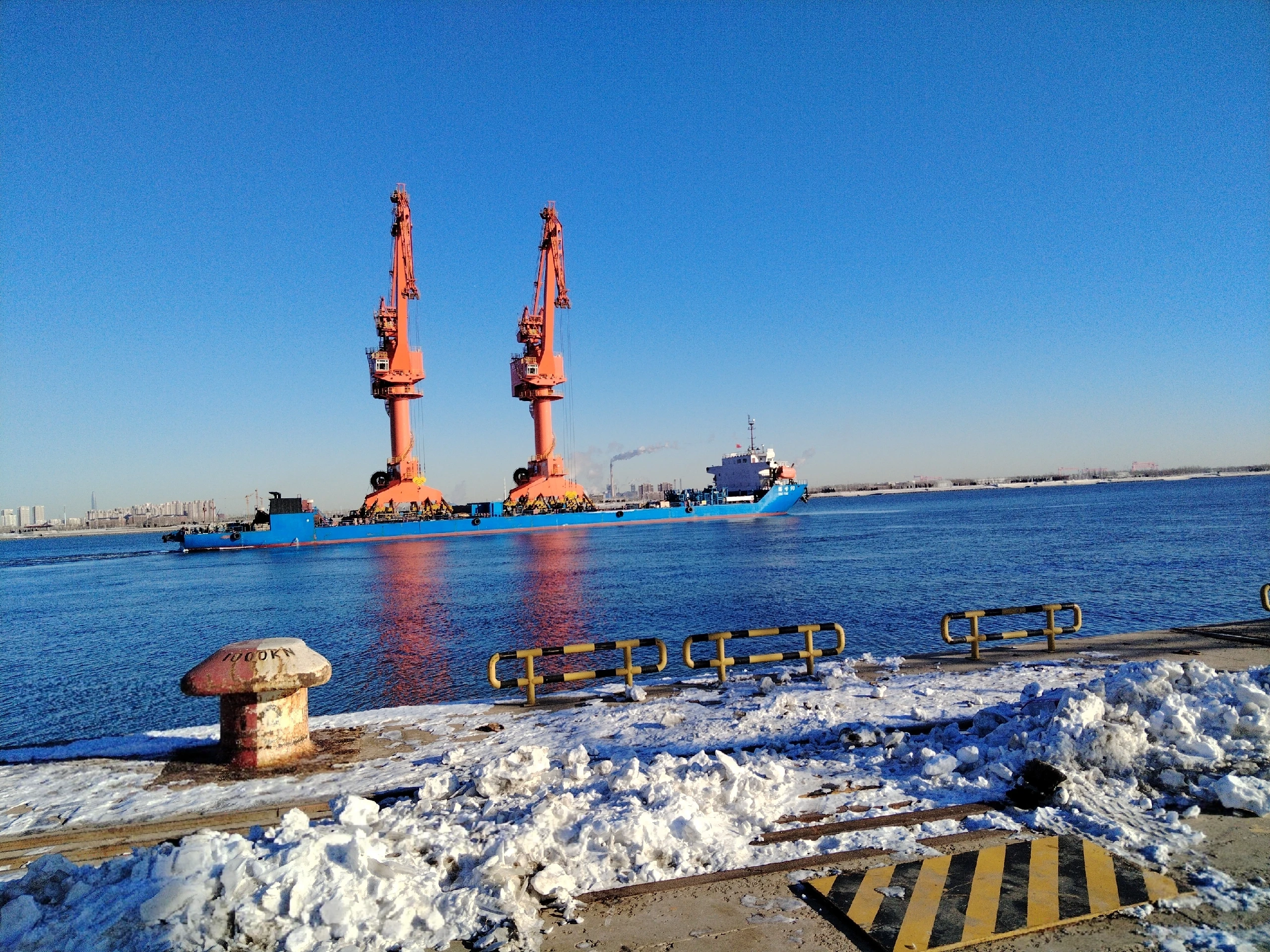
You work in weather that can change fast and in busy ports. Strong winds can make loads swing and make lining up hard. Rain, fog, or dark areas can make it hard to see. These things make mistakes and accidents more likely. You need to change how you work when the weather or port gets tough to keep everyone safe.
Tip: Always check the weather and change crane speed or how you handle things when the weather changes.
Container Crane: Prevent “Near Latch” Failures
Regular Inspections and Maintenance
You help keep the container crane safe and working well. Checking the crane often lets you find problems before accidents happen. You should look at your equipment every day, every month, and at other set times. This helps stop losses and keeps your work going without trouble.
|
Interval |
Description |
|
|---|---|---|
|
Daily Checks |
Every shift |
Look for worn hoist chains and bent hooks. |
|
Monthly Inspections |
Every month |
Do deeper checks on all crane parts. |
|
Compliance Checks |
As required |
Make sure rope reeving follows the maker’s rules. |
|
Periodic Inspection |
1–12 months |
Check for loose bolts, too much wear, and cracked pieces. |
You need to look for cracks, bent parts, or things out of place in safety latches during each big check. Never skip safety latches unless a trained person says it is okay. If you see a broken latch, tell someone and change it right away. Checking your machines often helps you find trouble early. This stops injuries and saves money. You can keep working and stop losses by fixing problems before they get worse.
Operator Training and Certification
You must get good training to use a container crane safely. Training teaches you about the machine, how loads move, spotting dangers, planning lifts, and what to do in emergencies. You also practice with real cranes to see how they act with different loads and places. Certification shows you know how to judge loads, check the ground, and use the crane safely.
|
Aspect |
Description |
|---|---|
|
Training Focus |
Learn how to use the crane, handle loads, spot dangers, and act in emergencies. |
|
Practical Sessions |
Practice with cranes in many load and site types. |
|
Certification |
Show you can check loads, look at the ground, and work safely. |
Most jobs want you to pass written and hands-on tests. You must be at least 18 years old. You need to follow rules and pass drug checks. Bosses must keep records and make sure you have the right papers. This helps stop losses and makes sure you meet the rules for the job.
Anti-Sway and Safety Control Systems
You can make loads swing less and work safer with smart control systems. Anti-sway tech uses sensors and smart tools to keep loads steady. These systems help you put containers in the right spot and stop things from being out of line. They also check twistlocks and stop latch failures before they start. CEGC container cranes use anti-sway, safety locks, and operator-centered HMI to help you lift safely and stop losses.
-
Anti-sway systems make loads swing less.
-
Safety locks stop unsafe moves.
-
Operator-centered HMI gives you clear alarms and helps you step by step.
-
Predictive maintenance tools let you plan fixes and stop sudden breakdowns.
You can trust these features to meet market rules and keep your work safe.
Exclusion Zones and Incident Prevention
You must make exclusion zones to keep people safe when using the crane. These zones stop anyone from standing under a hanging load. You should mark these spots clearly and make sure everyone follows the rules. Good watching and clear talk help you keep these zones safe.
|
Safety Measure |
Description |
|---|---|
|
No Person Under Load |
Never let anyone stand under a hanging load. |
|
Cargo Securing Standards |
Tie down cargo the right way every time. |
|
Exclusion Zones |
Mark and guard places where people cannot go during crane work. |
|
Mechanical Integrity |
Check all container gear and lifting tools often. |
You help stop losses by keeping people out of danger spots. You also lower the chance of bad accidents. Always follow safety steps and remind your team to watch out. This helps you reach the goal of container crane: prevent “near latch” failures.
Tip: Use tech like auto alerts and smart detection systems to find problems early and keep your site safe.
You can reach high safety by doing regular checks, strong training, smart controls, and strict exclusion zones. These steps help you with container crane: prevent “near latch” failures and keep your team and machines safe.
You can stop near latch failures by checking hooks often. Use the right way to sling loads. Always talk clearly with your team. CEGC’s container cranes use anti-sway control and predictive maintenance. These features help keep your work site safe. Train your team well to build a strong safety culture. Check your equipment every day. Work together and help each other stay safe.
FAQ
What is a “near latch” failure in a container crane?
You see a “near latch” failure when the crane’s twistlock almost misses or fails to lock the container. This can cause unsafe lifts.
How does anti-sway control help you?
Anti-sway control keeps the load steady. You can place containers more accurately and reduce the risk of accidents.
Why should you check safety latches every day?
Daily checks help you find damage early. You keep your team safe and avoid costly breakdowns.


