
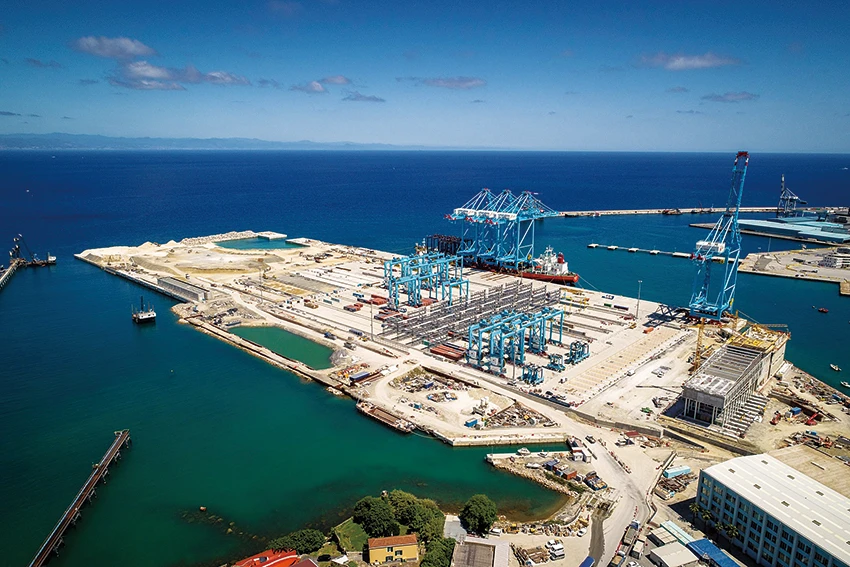
Container crane sequencing reduces trolley travel waste by carefully planning each move. This not only saves energy but also enhances operational efficiency. For instance:
-
The speed-control strategy utilizes 2.87% less energy compared to traditional parking-and-waiting methods.
-
Constraint satisfaction improves by over 9 percentage points.
-
Maintenance and downtime are minimized when repairs are scheduled during slower periods.
Sequencing optimizes port operations and reduces costs by eliminating unnecessary moves and reshuffles. CEGC provides container handling solutions that address significant challenges:
|
Pain Point |
Description |
|---|---|
|
Safety |
Accidents can occur in busy environments. Sequencing aids in preventing mistakes. |
|
Cycle Time |
Quicker and more consistent cycles ensure ships remain on schedule. |
|
Durability |
Planned movements protect equipment and reduce wear and tear. |
|
Maintenance |
Intelligent planning results in less downtime and simplifies inspections. |
Key Takeaways
-
Container crane sequencing helps stop extra trolley moves. This saves time and energy. It also makes work run better.
-
Good planning means machines need less fixing. This helps machines last longer. It also lowers repair costs.
-
Sequencing makes things safer by lowering accidents. It helps things move smoothly. This makes port work more reliable.
How container crane sequencing reduces trolley travel waste
Mechanism of sequencing in crane operations
Container sequencing helps your port work better. It plans every move for your container cranes and other machines. This means cranes do not move around for no reason. The system picks the shortest and safest way for each container. Cranes save time and energy because they do not go back and forth without a purpose.
Smart algorithms help with container sequencing. They check your stowage plans, ship schedules, and yard layout. This stops traffic jams and keeps things running smoothly. In automated terminals, sequencing works with AGV and quay crane scheduling. This teamwork keeps your logistics moving well and makes everything more efficient.
Sequencing also makes your port safer. Sensors and control systems watch for load sway and things in the way. They use anti-sway tools and stop crashes from happening. This lowers the chance of accidents and keeps workers safe. Automation helps even if some operators are less skilled. Your team gets steady results, and your machines stay safer.
Impact on trolley travel and cycle time
Container crane sequencing cuts down on wasted trolley moves. Cranes go right from one job to the next. This means less waiting and faster work. You can see your cycle times get better. Ships do not wait as long, and your yard stays neat.
Here are some real numbers from container terminals:
|
Evidence Description |
Impact on Throughput |
|---|---|
|
Optimised yard crane deployment |
Supports higher container throughput |
|
Smart berth allocation |
Improves throughput by 15–20% in constrained layouts |
|
Multi-lane crane operations |
Increases throughput by 10–30% |
Container sequencing helps you plan how to load and unload containers. This makes the process faster. Automated terminals use sequencing to match AGV schedules with crane moves. This keeps your logistics on track with no delays.
You also get more steady cycle times. Cranes do not have to wait for other machines or containers. This means you get more done, and your work is easier to predict.
Benefits for port machinery and terminal operators
Container crane sequencing saves trolley travel and gives your port many good things. Your machines last longer and cost less to fix. When you plan moves well, your equipment does not break down as fast. You can find problems early and fix them before they get worse.
Here are ways container sequencing helps with maintenance and durability:
-
You can find structural problems early and stop bigger issues.
-
You can do maintenance sooner, keeping machines safe.
-
Preventive maintenance stops costly repairs.
-
Sequencing helps your machines last longer.
-
You reduce wear and make important parts more reliable.
-
You spend less on repairs and your equipment lasts longer.
Sequencing also makes your port safer. Sensors cover blind spots and find things in the way. Fusion algorithms help warn or stop the crane to avoid crashes. Automation cuts down on mistakes people make. Workers can use remote controls and digital tools to stay safe.
Here is how container sequencing helps your terminal:
|
Benefit |
Description |
|---|---|
|
Improved Throughput |
Coordinated operations can increase throughput by 10–18%. |
|
Reduced Idle Cycles |
Optimized schedules minimize idle time at the berth, speeding up logistics. |
|
Enhanced Sustainability |
Lower fuel use for cranes and AGVs supports greener operations. |
You can also keep track of downtime more easily. Sequencing helps you plan repairs when things are slow. This means less surprise downtime and smoother work. You can use stowage planning, AGV scheduling, and container sequencing together for the best results.
Container crane sequencing saves trolley travel and helps your port run well. You get better efficiency, safer work, and more reliable container handling. CEGC’s cranes and equipment help you reach these goals. You can pick the solutions that fit your needs, from stowage planning to AGV and quay crane scheduling.
Container sequencing and operational optimization
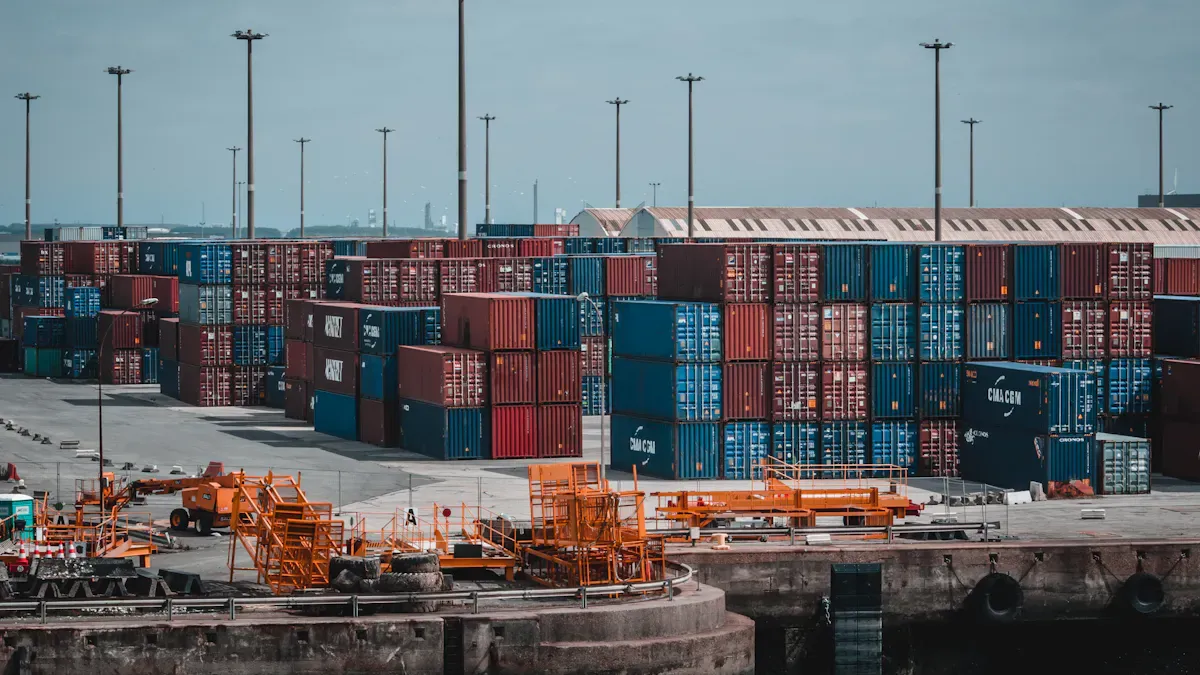
What is container sequencing?
Container sequencing is a way to plan the order of moving containers in your port. This helps cranes work better and keeps things running smoothly. If you use container sequencing, you stop out-of-sequence containers from slowing down your plans. This means your stowage planning is easier and you avoid delays in your logistics. You can match when vehicles arrive with crane cycles. This cuts down on waiting and keeps everything moving.
-
Container sequencing is very important for crane operations in automated container terminals.
-
Out-of-sequence containers make stowage planning harder and cause delays.
-
When vehicles and cranes work together, you have less idle time and better logistics flow.
Container sequencing helps you avoid moving containers when you do not need to. This makes cranes work faster and reduces waiting. Automated scheduling algorithms help you plan lifts. This lowers cross-deck traffic and keeps loading and unloading steady. AI-driven stowage planning helps you put containers in the right place by weight and where they need to go. This makes your work more efficient.
Technologies and solutions for sequencing
You can use different technologies to make container sequencing work better in your port. These tools help you work safer and faster when handling containers.
-
Anti-sway control keeps loads steady when moving. This makes handling containers safer and more efficient.
-
Motion coordination lets cranes and vehicles move together. You have less waiting and your logistics keep going.
-
Predictive maintenance helps you watch your equipment. You can fix problems before they stop your work.
-
Energy efficiency comes from using electric or hybrid machines. You save energy and help the environment.
-
Automation, like anti-sway systems and automated positioning, helps you move containers exactly and need less manual work.
CEGC gives you container cranes, portal cranes, and other equipment with these features. You can pick what you need, like dual-trolley quay cranes or reach stacker forklifts. CEGC also lets you customize for size, power, and automation.
You can see the main features and safety options in the table below:
|
Feature |
Description |
|---|---|
|
DNV 2.7-1 and EN 12079 standards for offshore lifting and transport. |
|
|
Fire Rating |
Fire-Rated (A60) to protect personnel from external fire hazards. |
|
Corrosion Resistance |
Specialized coatings for high-salinity maritime air to prevent corrosion. |
|
Blast Resistance |
Options available for high-risk zones to ensure safety. |
|
Precision Control Systems |
Integrated PLC Control Panels for real-time monitoring and alerts on pressure levels. |
|
Temperature Control |
Refrigerated containers maintain temperatures from -20°C to +25°C with advanced air duct systems. |
|
Modular Configurations |
Customizable setups for various needs, ensuring versatility across industries. |
|
Digital Monitoring |
Integrated electronic control panels for easy monitoring and adjustments. |
You also get better safety with multi-layer interlocks, overload protection, and emergency stop logic. CEGC’s anti-corrosion systems and strong design help your equipment last longer in tough ports.
Real-world applications and case studies
You can see how container sequencing helps in many automated container terminals around the world. Top ports use container sequencing to work better and keep logistics on track.
|
Technique |
Outcome |
Benefits |
|---|---|---|
|
AI-based Restow Minimization |
Reduces total handling time and increases moves per hour on the quay. |
Improved resource use, less congestion, and better decisions. |
|
Reduces container dwell time and optimizes yard space utilization. |
Lower costs and higher crane productivity. |
|
|
Dynamic Berth Scheduling |
Maximizes berth use and reduces vessel idle time. |
Better planning and faster vessel turnaround. |
|
Automated Equipment Allocation |
Higher equipment productivity and reduced operational costs. |
More throughput and lower maintenance costs. |
You can use predictive yard management to guess where jams might happen and use storage better. Dynamic berth scheduling helps you manage ships as they come in. Automated equipment allocation makes sure you use your machines well and avoid slowdowns.
Case studies show how container sequencing changes ports:
-
One port changed from manual to automated berth allocation. This cut waiting and made ships leave faster.
-
At El-Dekheilla, using simulation-based optimization cut ship service time by 51%. Yard use got better and cranes worked faster.
-
A deepsea terminal used joint trolley and crane scheduling. This raised container throughput by 15% and saved 20% energy at busy times.
-
Coordinated scheduling of quay cranes and portal trolleys at another terminal cut waiting and lowered costs by about 12%.
You can also see cycle times get shorter. For example, combining steps in assembly saved over four minutes per cycle and made big productivity gains.
When you use container sequencing, you may face some challenges. Stowage planning can be hard and you need to avoid moving containers inside the yard too much. Different ship designs, like hatchcoverless container ships, need special plans. Advanced software and algorithms help you make the best stowage plans by looking at weight, ship type, and how things move.
Container sequencing, along with stowage planning and agv scheduling, helps you work better in automated container terminals. You keep logistics smooth, lower costs, and make your port safer and more reliable.
You can make logistics better with container crane sequencing. This method helps your port work faster and safer. It also makes stowage planning easier and helps with agv scheduling. CEGC gives you choices that match what you need. You get safer work, smarter planning, and better logistics. Ports in the future will use more automation and save energy. They will have advanced logistics for the best results.
|
Benefit |
Impact on Operations and Logistics |
|---|---|
|
Smarter stowage planning |
Faster logistics and fewer delays |
|
Improved operations |
Lower costs and safer logistics |
-
Container crane sequencing helps your port work well and saves time.
-
CEGC lets you pick solutions that fit your stowage and logistics needs.
FAQ
What are automated container terminals?
Automated container terminals use special machines and software. These terminals move containers with almost no human help. This makes your port work faster and safer.
How does sequencing improve automated container terminals?
Sequencing helps you plan each move in automated container terminals. You stop wasted trips. Your logistics stay smooth and your operations get more efficient. This lets you handle more containers every day.
Can automated container terminals reduce logistics costs?
Automated container terminals can help you spend less on logistics. Smart sequencing lowers idle time. You use your equipment better and finish jobs quicker.


