
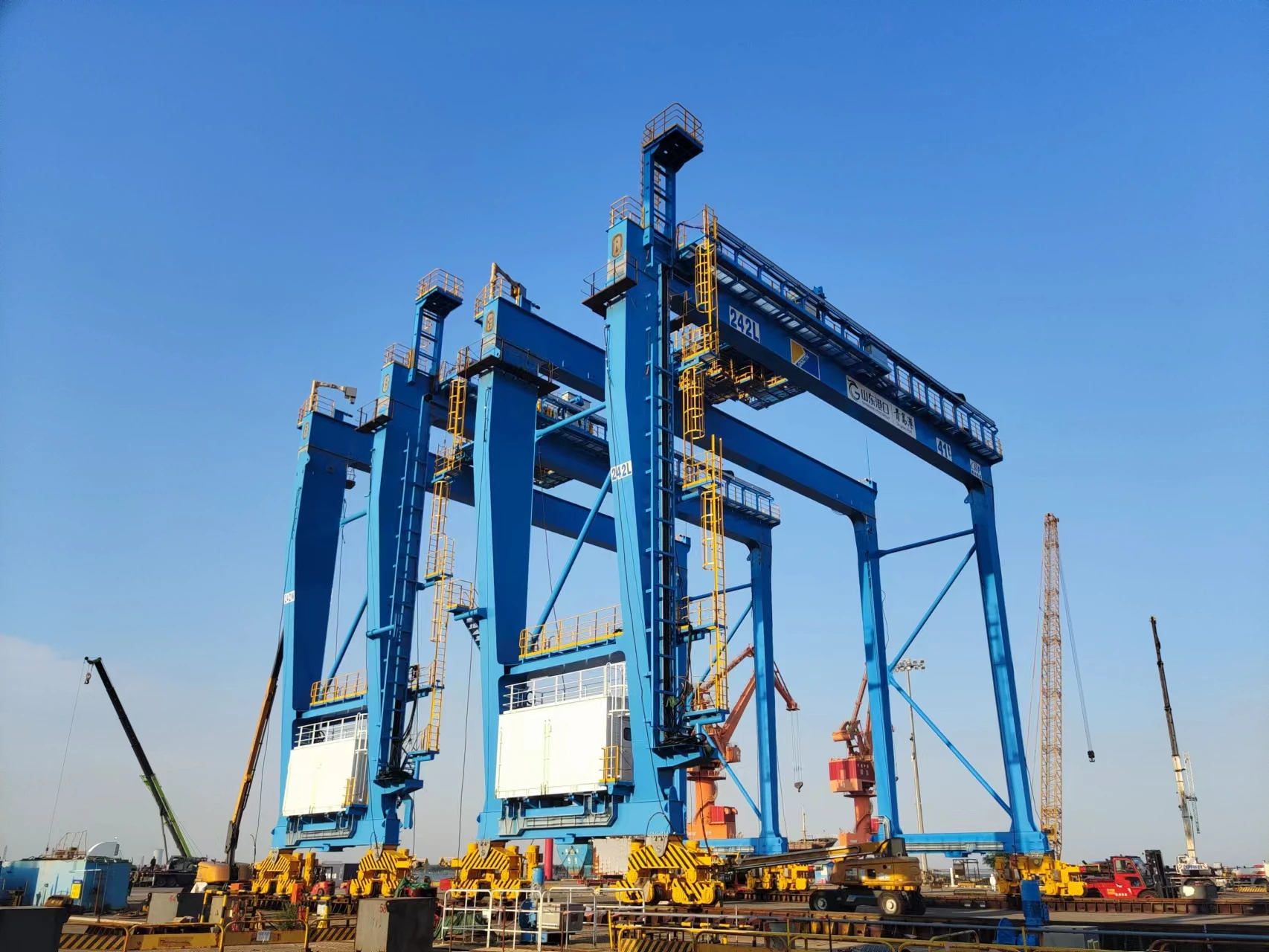
You need to follow strict safety rules when using container cranes in storms. High wind pressure, sudden gusts, and swinging loads make accidents more likely. The table below lists the main dangers:
|
Risk Type |
Description |
|---|---|
|
Wind Pressure |
Strong winds push from the side and stress the crane. |
|
Load Swing |
Hanging loads move in ways you can't predict. This can cause too much weight. |
|
Structural Fatigue |
Wind makes crane parts wear out faster. |
|
Sudden Gusts |
Quick strong winds cause many crane accidents. |
CEGC uses smart safety systems and remote controls to keep you and your equipment safe. The container crane: storm mode operations playbook gives you easy steps for safe work.
Key Takeaways
-
Always look at the weather and check cranes before a storm. Use a checklist to make sure all safety systems work.
-
Talk clearly with your team. Set up radio channels and use hand signals so everyone knows their jobs during storm operations.
-
Follow strict shutdown steps when wind speeds get high. Secure the crane and go to a safe place right away.
Storm Mode Preparation for Container Cranes
Storm Mode Readiness
You need to get your crane and port machines ready before a storm. Check the weather often so you know what is coming. Look at every crane, like the portal crane and container handler, to see if they work right. Use a checklist before the storm to help you remember what to do:
-
Watch the weather for quick changes.
-
Look at crane parts for damage or things that are worn out.
-
Make sure all safety systems are turned on.
The container crane: storm mode operations playbook says to use anti-sway systems and safety interlocks. These tools help stop the load from swinging and lower the chance of crashes. Operator HMI gives you alarms and tips to help you handle problems.
Communication and Roles
Talking clearly helps keep everyone safe. Set up radio channels and wear bright uniforms. Make sure crane operators and marine crew know what to do. Use hand signals or special tools to help move the crane safely. Everyone should know their job during storm mode.
-
Set up ways for all crane teams to talk.
-
Use radios and hand signs for quick news.
-
Give out jobs and tasks before the storm.
Equipment Securing and Inspection
Lock down your crane and other gear before the storm hits. Put in storm pins on both the water side and land side. Tie down each corner of the crane. Check that the brakes and anemometer are working. These steps help you shut down safely when the weather gets bad.
|
Description |
|
|---|---|
|
Manual rotating rail clamp |
Easy to fix; works well for small cranes. |
|
Electric rail clamp |
Uses a motor; locks and unlocks fast for medium cranes. |
|
Electro-hydraulic rail clamp |
Locks by itself if power goes out; used for big cranes near the sea. |
|
Wind rope or cable tie-down |
Holds the crane to the ground or posts; used in temporary yards. |
|
Anemometer |
Checks wind speed and sets off alarms or stops the crane. |
You have to follow OSHA rules. Stop using the crane if the wind gets dangerous. If the wind is 20 mph or more where you work, check for safety right away. The container crane: storm mode operations playbook helps you follow the rules and stay safe.
Activating and Operating in Storm Mode
Storm Mode Activation Steps
When you receive a storm alert, you must act quickly to protect your team and equipment. The container crane: storm mode operations playbook gives you a clear path to follow. Start by lowering the boom of each crane to its safest position. Stop all lifts and make sure no containers hang from the spreader. Move the crane away from vessels if you have enough time and space.
Next, secure the crane using all available locking systems. Use storm pins, rail clamps, and tie-down cables. Check that the brakes hold firm. Turn off the main power supply to prevent electrical hazards. Make sure the wind-indicating devices work and watch for alarms. If the wind reaches the warning speed, stop gantry travel and prepare for shutdown. When the wind reaches the shutdown speed, secure the crane completely and clear the area.
CEGC’s anti-sway system helps you keep loads steady during shutdown. The collision prevention system stops the crane from hitting other equipment or structures. The operator HMI gives you clear alarms and step-by-step guidance. These features make storm mode activation safer and faster.
Tip: Always use the pre-storm checklist before you start storm mode. This helps you avoid missing important steps.
Safe Operation Limits
You must know the safe limits for operating a crane during a storm. Wind speed is the most important factor. If the wind reaches 20 mph, check all safety systems and prepare to stop work. If the wind goes above the shutdown speed set by your site rules, stop all crane movement right away.
Lightning is another big risk. Cranes do not protect you from lightning strikes. If you see lightning or hear thunder within 30 seconds, stop all operations. Wait at least 30 minutes after the last lightning strike before you start again. Use real-time weather tracking tools to stay updated.
The CEGC operator HMI shows wind speed, lightning alerts, and other warnings. This helps you make quick decisions. The anti-sway and collision prevention systems keep the crane stable and safe, even when the weather changes fast.
|
Safe Operation Limit |
Action Required |
|---|---|
|
Wind at 20 mph |
Inspect safety systems, prepare to stop |
|
Wind at shutdown speed |
Stop all movement, secure crane |
|
Lightning detected |
Suspend operations, seek shelter |
|
Thunder within 30 sec |
Wait 30 min after last lightning before resuming |
Emergency Shutdown and Evacuation
You must know how to shut down and evacuate during a storm. Follow these steps to keep everyone safe:
-
Stop all crane movement as soon as you get a shutdown order.
-
Move the crane away from vessels if you can do so safely.
-
Secure the crane with all locks, clamps, and tie-downs.
-
Turn off the main power supply.
-
Make sure all operators and crew leave the crane cab right away.
You should never stay inside the crane during lightning. Go to a safe building or vehicle. Avoid standing under the crane or near metal objects like chains or fences. Use radios to confirm that everyone has reached a safe place.
Note: Always monitor weather conditions. Use lightning detection systems and follow stop-work policies based on forecasts, not just what you see outside.
If you follow these steps, you will reduce the risk of injury and damage. The crisis management plan in the container crane: storm mode operations playbook helps you respond quickly and safely.
Post-Storm Recovery & Common Mistakes

Inspection and Reactivation
After a storm, you have to check every crane before using it again. Look for damage on the boom, cables, and rail clamps. Check if the brakes and power supply work right. Make sure the anemometer and safety systems are working. Fix any broken parts and change out anything that is worn. Put the crane on flat, solid ground. Use outriggers if you need extra support. Do not start the crane until a trained person says it is safe. Predictive maintenance helps you find problems early and keeps spare parts ready. This way, you can get cranes working again faster.
Reporting and Documentation
You need to keep records after each storm. Write down what you see during inspections. List all repairs and parts you change. Put the rated load and speed near the operator. Keep a log of hand signals and show a picture at the job site. Always follow the crane load chart and do not go over the rated weight. Keep cranes at least 10 feet away from power lines. Do not change the crane unless the maker says it is okay. Floating cranes must follow all design and use rules.
-
Fix problems and change broken parts.
-
Show operating speeds and load limits.
-
Use the right hand signals and keep pictures at the site.
-
Stay far from power lines.
-
Cover moving parts.
-
Do not change cranes without approval.
Avoiding Common Errors
People often make mistakes after storms. Some start cranes too soon. Others skip checks or forget to test safety systems. You must not make these mistakes. Always finish the inspection checklist. Wait for approval before using the crane. Predictive maintenance helps you stop breakdowns and keeps your equipment working. The container crane: storm mode operations playbook gives you easy steps to follow. If you use condition monitoring, you can find problems before they slow you down.
Tip: Never hurry through inspections. Careful checks keep your team safe and protect your crane.
You protect your team and equipment when you follow storm mode steps for container cranes.
-
Use CEGC’s anti-sway and safety systems.
-
Always complete your checklist.
-
Train your operators often.
Tip: Ongoing training and strict checklists help you avoid mistakes and keep your port safe.
FAQ
What wind speed should make you stop using a container crane?
You must stop crane operations at your site’s shutdown wind speed. Most ports use 20 mph as the first warning level.
How does CEGC’s anti-sway system help during storms?
You get less load swing. The anti-sway system keeps the container steady. This helps you avoid accidents and work safely.
What should you do if lightning is near the port?
Leave the crane right away. Go to a safe building or vehicle. Wait 30 minutes after the last lightning before you return.


