
You have hard choices when picking container crane: weather-proof sensors that last. Humidity, condensation, and water getting in can cause rust, machine stops, or short circuits. CEGC makes sensors with sealed boxes and smart materials.
|
Factor |
Impact on Reliability and Safety |
|---|---|
|
Humidity |
Causes rust and makes insulation break down |
|
Water Intrusion |
Rusts circuits and causes machine stops |
|
Sealed Enclosures |
Keep things dry and lower the chance of breaking |
Key Takeaways
-
Pick weather-proof sensors with strong ratings like IP66. This helps keep out dust and water. - Find sensors made from stainless steel and anti-corrosion materials. These stop rust and help sensors last longer. - Choose sensors that give real-time data on wind and load. This makes work safer and helps things run better.
Why all-weather sensors matter for container cranes
Corrosion and vibration resistance
Operating container cranes in ports is tough. Salt fog, humidity, wind, and extreme temperatures can harm equipment and sensors. Look at the table below to see how these things affect your crane:
|
Environmental Challenge |
Description |
|---|---|
|
Corrosive Atmosphere |
Saltwater exposure makes metal parts rust quickly because of salt spray and humidity. |
|
Temperature Extremes |
Hot temperatures can go above 50°C, and cold can drop below -20°C. This changes how materials act. |
|
High Humidity |
Water can wash away grease and thin out lubricants, which causes rust. |
You need sensors that can handle rough weather. CEGC uses marine-grade anti-corrosion solutions for crane sensors. These solutions use special materials and coatings:
-
Marine-grade anti-corrosion solutions stand up to saltwater, humidity, and UV rays.
-
Grade 316 stainless steel keeps sensor parts safe.
-
High-performance coatings use a zinc-rich primer, an epoxy middle layer, and a strong topcoat.
These features help sensors last longer and lower maintenance costs.
Crane wind safety and load sway risks
Crane wind safety is very important for safe work. Strong winds can make loads swing and make it hard to place things exactly. You need all-weather sensors to watch wind loads and stop accidents. The table below shows more problems:
|
Environmental Challenge |
Description |
|---|---|
|
Wind Loads |
Strong winds can make the crane boom sway too much, which affects stability and adds extra stress. |
|
Rain, Snow, and Ice |
Wet weather can mess up electrical systems and make surfaces dangerous. |
|
Corrosion |
Air with salt makes steel parts rust faster, which shortens their life and means more repairs. |
All-weather sensors help you follow port safety rules. You get good environmental monitoring, which helps you stick to safety steps and keep your work going well. CEGC’s weather resistant sensors help lower risks and make crane wind safety better in tough weather.
Choosing container crane: weather-proof sensors that last
Key features of all-weather sensors
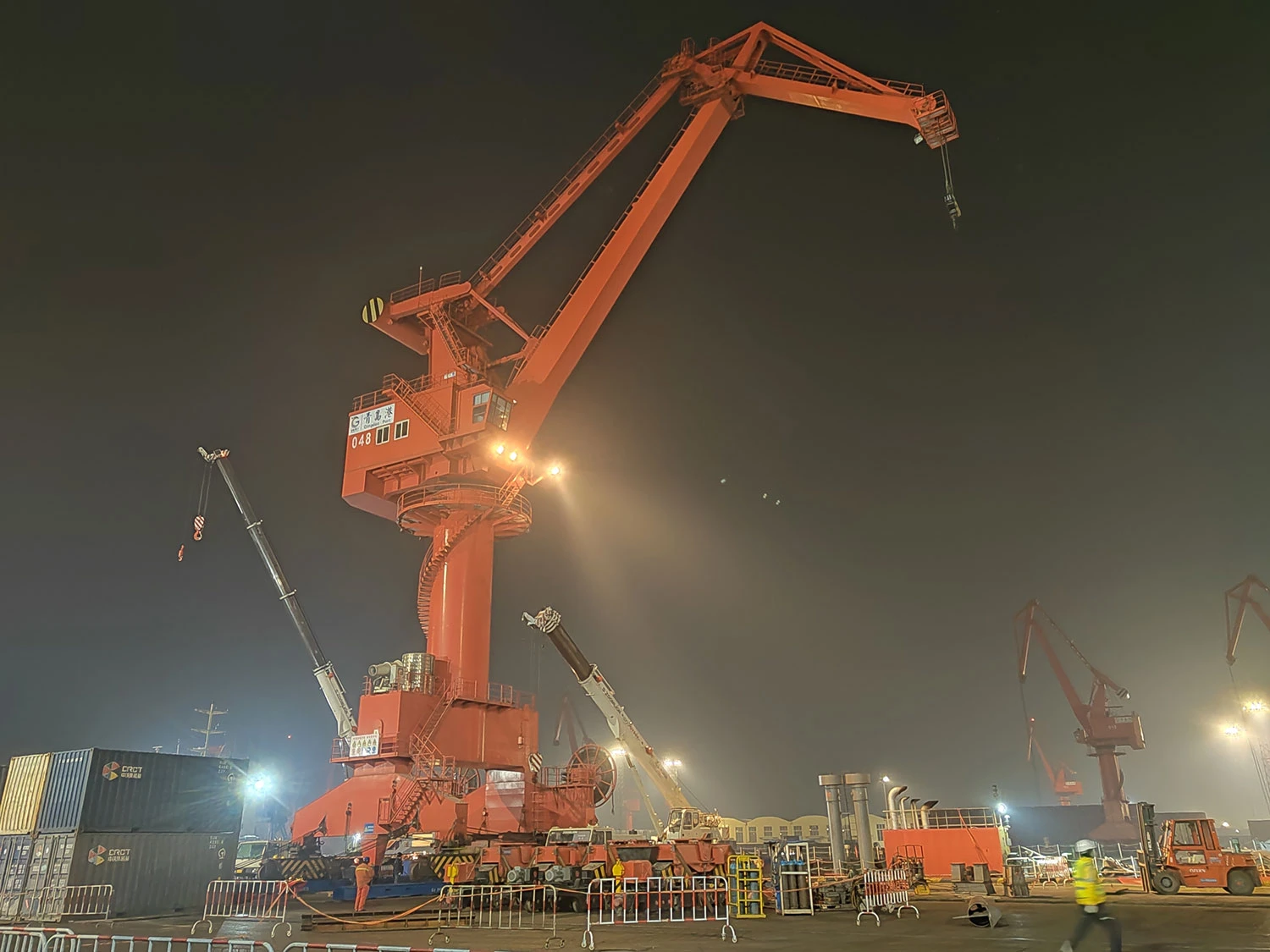
When you pick container crane: weather-proof sensors that last, you need to look for the right features. Outdoor-rated sensors must work in tough weather every day. These sensors face salt fog, rain, strong winds, and big temperature changes. You want all-weather sensors that keep working even when the weather changes quickly.
Here are the most important features for outdoor-rated sensors:
-
Corrosion resistance: Outdoor-rated sensors use stainless steel, anti-corrosion paints, and conformal coatings. These materials keep the sensor safe from salt and humidity.
-
Multi-layer sealing: Outdoor-rated sensors have special seals. These seals keep out water and salt, so the sensor lasts longer.
-
Waterproof connectors: Outdoor-rated sensors use O-rings and sealed parts. These stop water from getting inside.
-
High enclosure ratings: Outdoor-rated sensors with IP66 or NEMA 4 ratings block moisture, dust, and salt.
-
Vibration resistance: Outdoor-rated sensors stay steady even when the crane moves or shakes.
-
High precision: Outdoor-rated sensors give correct wind and load readings.
-
Smart monitoring: Outdoor-rated sensors collect real-time data and send alarms if something is wrong.
Tip: Always check for strong covers and coatings. These help your sensor last longer and work better.
|
Material Type |
Application |
|---|---|
|
Stainless Steel |
Used for metal parts of electrical devices. |
|
Anti-Corrosion Paints |
Coating for metal parts to stop corrosion. |
|
Conformal Coatings |
Put on PCB boards and connectors to block water. |
|
Gold-Plated Connectors |
Helps keep good connections in tough weather. |
|
Enclosure Rating |
Protection Level |
|---|---|
|
IP66 |
Stops moisture, salt, and dust from getting in. |
|
NEMA 4 |
Gives the same protection as IP66. |
Sensor types for crane wind safety: anemometers, laser, smart sensors
You need the right sensor for crane wind speed indicator and outdoor-rated sensors. Each sensor type works best in different outdoor weather. All-weather sensors must give correct wind data and real-time updates for safe cargo and container work.
|
Type |
Features |
Pros |
Cons |
|---|---|---|---|
|
Cup |
Spinning cups measure wind speed |
Very strong, easy to use outside |
Needs strong wind to start, can freeze |
|
Vane |
Windmill shape, must face wind |
Strong, good for tough weather |
Must face wind, small vanes need more wind |
|
Hot Wire |
Heated wire measures wind speed |
Lasts long, works with little wind |
Not good with fast temperature changes |
|
Ultrasonic |
Uses sound waves, no moving parts |
Handles weather, no moving parts |
Costs more, can give wrong readings if blocked |
You see anemometer types in many outdoor crane wind speed indicator systems. Cup and vane anemometers work well outside. Ultrasonic anemometers are best for all-weather sensors because they have no moving parts. These sensors work in tough places and in bad weather. Laser sensors and smart sensors add more features. They give you real-time data and connect to your wind system.
Crane wind speed indicator sensors must be very accurate. They help you follow weather safety rules and make construction sites safer. You can use load sensors, position sensors, and control systems to guess load sway and change crane moves. This keeps your outdoor work safe.
Evaluation tips: certifications, installation, maintenance
You must check certifications when you pick container crane: weather-proof sensors that last. Outdoor-rated sensors need to pass strict rules for outdoor use. Look for these certifications:
|
Certification Type |
Description |
|---|---|
|
Proven to work in hard places like oil rigs and weather stations. |
|
|
ATEX |
European certification for explosion safety, so it is safe in dangerous places. |
You also need to think about installation and maintenance. Good installation keeps outdoor-rated sensors safe from water and dust. Regular checks help you find problems early. You should clean sensors, look for cracks, and make sure nothing blocks them. Yearly checks keep your all-weather sensors working well. This helps you stop downtime and keeps your crane wind speed indicator system correct.
Note: CEGC gives you help and custom sensors for your needs. You can get outdoor-rated sensors made for your port, platform, or offshore site. CEGC helps with setup, care, and upgrades. This help makes your outdoor sensors last longer and work better.
|
Critical Factors Influencing Vendor Selection |
Description |
|---|---|
|
Customer Support |
Needed for long partnerships and good work. |
|
Customization Capabilities |
Helps make sensors fit what ports and shippers need. |
|
Demonstrating Clear ROI |
Shows why the tech is worth the money. |
You should always pick container crane: weather-proof sensors that last. Outdoor-rated sensors with all-weather features give you the best safety and reliability for your port work.
You need all-weather sensors to keep your crane safe. These sensors help your crane work well every day. Pick sensors that have strong certifications and high IP ratings. Make sure they have stainless steel housing to stop rust. Wind safety is important, so use sensors that give real-time data. Choose CEGC for sensors you can customize for your port. This helps your crane work better for a long time.
FAQ
What does IP66 mean for a sensor?
IP66 means your sensor stays safe from dust and strong water jets. You can use it outdoors without worrying about rain or salt spray.
How often should you check weather-proof sensors?
You should check your sensors every year. Regular checks help you find damage early and keep your crane safe.
Can you customize CEGC sensors for your port?
Yes, you can. CEGC offers project-based customization. You get sensors that fit your port’s needs and safety rules.


