
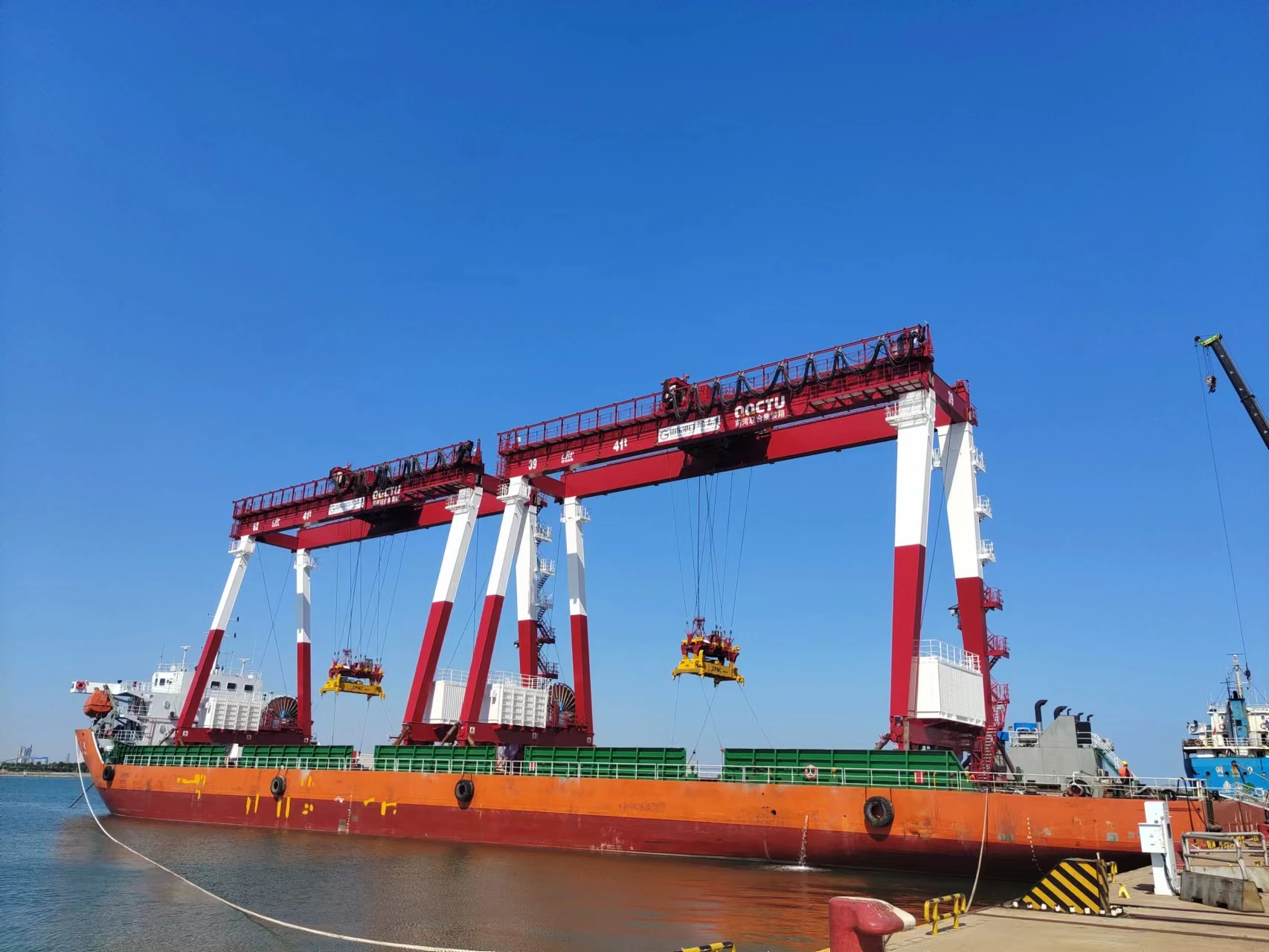
You see buyers ask for certain climate specs in every Port crane: climate spec buyers ask for in RFQs. These specs include temperature, humidity, corrosion resistance, emission standards, and service life.
-
How well your port works depends on environmental performance.
-
Following rules keeps your business safe and trusted.
-
Weather changes mean you need to adapt well.
CEGC gives you market-standard specs and custom solutions for what you need.
Key Takeaways
-
Always add temperature range and humidity tolerance in your port crane RFQs. This makes sure your crane works well in local weather.
-
Pick corrosion-resistant materials like stainless steel or special coatings for cranes near the coast. This stops rust and helps the crane last longer.
-
Think about emission standards and service life when choosing cranes. Meeting these rules helps the environment and can save money on energy and repairs.
Port crane: climate spec buyers ask for in RFQs
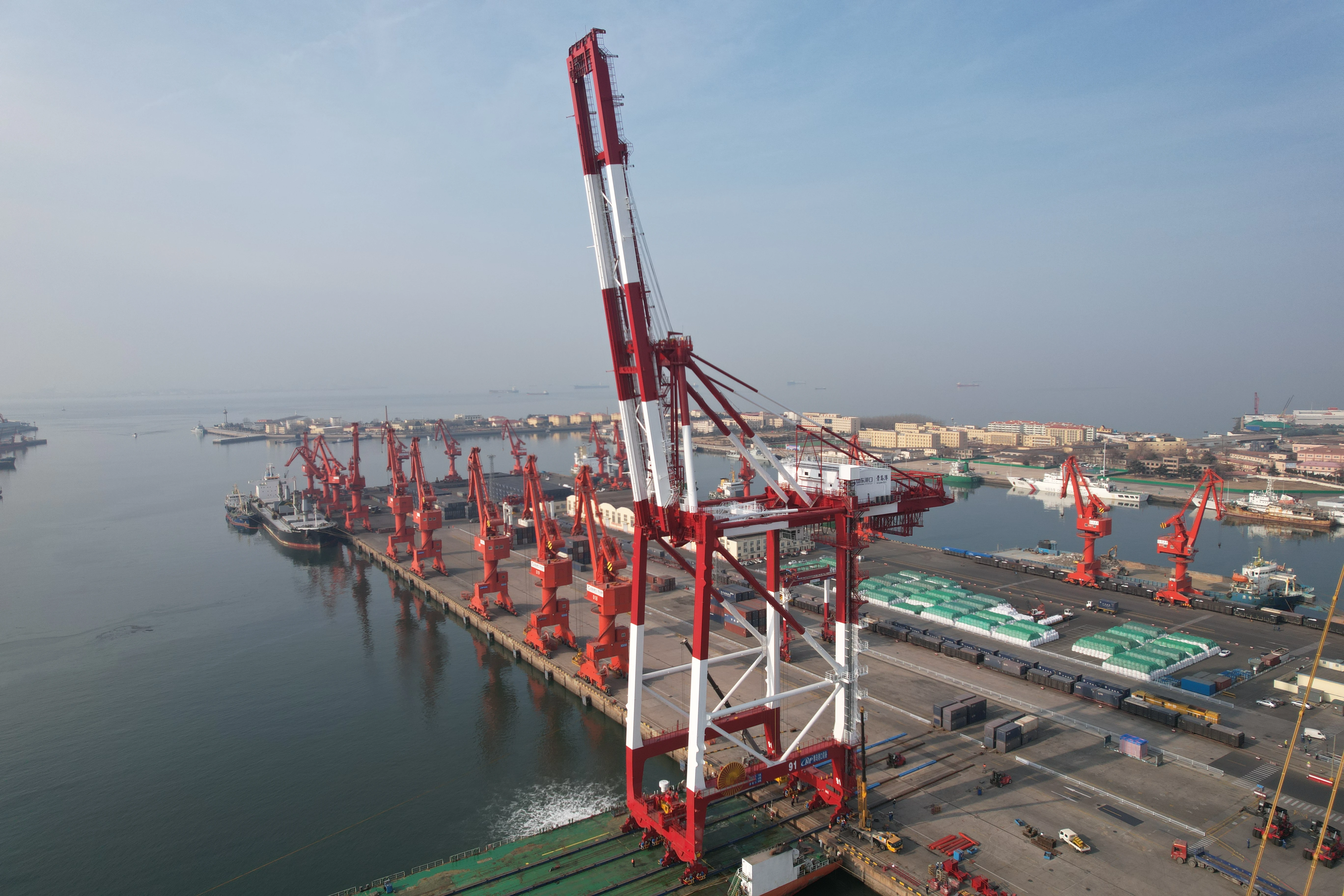
Temperature and Humidity Specs
Temperature and humidity are important when picking a port crane. These things change how your crane works each day. Many buyers want temperature range and humidity tolerance in their Port crane: climate spec buyers ask for in RFQs. You need your crane to work well in hot or cold weather. High humidity can cause rust and electrical issues. Make sure your crane can handle the lowest and highest temperatures at your port. CEGC gives market-standard specs for temperature and humidity. You can ask for custom solutions if your port has special climate problems. This helps you avoid downtime and keeps your work safe.
Tip: Always check your crane’s specs for your local climate. This lowers repair costs and helps your equipment last longer.
Corrosion Resistance and Material Choices
Corrosion is a big issue for cranes in coastal and industrial ports. Salt in the air and chemicals from factories can harm metal parts. You want your Port crane: climate spec buyers ask for in RFQs to have strong anti-corrosion features. CEGC uses marine-grade coatings and materials to protect cranes from rust and damage. You can pick stainless steel, galvanized steel, or special coatings like epoxy primers and polyurethane topcoats. These choices help your crane last longer and need less fixing.
-
Coastal and industrial areas have corrosive substances that cause faster corrosion.
-
Marine environments need cranes made from corrosion-resistant materials because of salty air.
-
Stainless steel and galvanized steel are good choices, along with protective coatings.
CEGC lets you choose your crane’s protection level. This means you can pick the best materials and coatings for your port. You save money over time because your crane stays in good shape.
|
Description |
|
|---|---|
|
Energy efficiency upgrades |
Upgrades like variable-frequency drives and regenerative systems cut energy use and costs. |
|
Strong coatings and materials |
These protect cranes from bad weather, making them last longer and need less fixing. |
|
Automation |
Makes operations better by allowing upgrades and AI for smarter planning. |
Emission Standards and Service Life
You must follow local rules for emissions and how long equipment lasts. Many Port crane: climate spec buyers ask for in RFQs include emission standards and service life. These rules help protect the environment and keep your port trusted. CEGC makes cranes to meet EPA and local environmental rules. You can pick electric, diesel, or hybrid power systems for your port.
|
Regulation Type |
Impact on Port Crane RFQs |
|---|---|
|
Emissions Controls |
Decide engine types and emissions standards for cranes. |
|
Operational Limits |
Set rules for idling and noise during work. |
|
Equipment Selection |
Affect which cranes you pick based on rules. |
|
Site-Specific Restrictions |
May need all-electric equipment or certain fuel types. |
|
Reporting Requirements |
Require daily emission reports and air quality checks. |
Buying advanced climate specs may cost more at first. But you save money later. Lower energy costs and fewer repairs make your crane a better deal over time. For example, electric cranes may cost more at first, but they use less energy and need less fixing. This makes them a smart choice for many ports.
You should always compare the first price with long-term savings. CEGC helps you pick the right features for your port. This makes sure your Port crane: climate spec buyers ask for in RFQs fits your budget and climate needs.
Wind, Weather Extremes, and Custom Adaptations
Wind Load and Storm Resistance
Your port crane must stay safe in strong winds. Storms can make cranes shake or move. Many Port crane: climate spec buyers ask for in RFQs want wind speed ratings and storm anchors. You should check if your crane can handle the highest winds at your port. CEGC gives stronger structures and anchoring systems. These keep cranes steady during storms. Anti-sway systems help control loads and stop shaking. These features lower accident risks and keep your team safe.
Tip: Always ask for safety features like multi-layer interlocks and emergency stop logic. These features protect your equipment and workers during extreme weather.
Seismic, Snow, and Ice Adaptations
Ports in earthquake zones need special crane features. Cold places need cranes with strong frames and de-icing systems. Seismic adaptations help cranes stay safe during earthquakes. For snowy or icy ports, you need cranes that can handle snow and ice. Regular checks and cleaning keep cranes working well in these conditions. CEGC can add custom features for snow, ice, or seismic risks. This makes sure your crane meets all local safety rules.
|
Adaptation Type |
Description |
|---|---|
|
Help cranes last longer in offshore or chemical environments. |
|
|
Protective coatings |
Add durability in saltwater and harsh weather. |
|
Stainless steel components |
Give extra protection in oil, gas, or cold regions. |
Special Features: De-Icing, UV, Sand/Dust Proofing
Many Port crane: climate spec buyers ask for in RFQs want special features. You may need de-icing, UV protection, or sand and dust proofing. These help cranes work in tough places. CEGC offers:
-
Fully sealed electrical cabinets with positive pressure ventilation.
-
Drainage systems on equipment tops to keep water out.
-
Reinforced seals on electrical parts and door covers.
-
High-quality paint systems that resist UV rays and salt spray.
-
Multi-layer coatings, including zinc-rich epoxy primer and polyurethane topcoat.
You can also ask for regular filter changes and cleaning. These features help your crane last longer and work better in hard conditions.
You need to add climate specs like temperature and humidity. Also include corrosion resistance and emission standards in your RFQs. Use this checklist to make sure you cover everything:
|
Checklist Item |
Description |
|---|---|
|
Climate-Specific Engineering |
Make cranes for tough weather, dust, and salty air. |
|
Customization Capabilities |
Change specs to fit your port’s needs. |
|
Integration of Smart Technologies |
Put in automation and control systems. |
|
Quality Certifications |
Look for local and international standards. |
|
Training Programs |
Teach your operators and maintenance workers. |
Talk to CEGC or a technical expert for special solutions. Get your RFQ ready so your port crane can work in any climate.
FAQ
What climate specs should you always include in a port crane RFQ?
You should always write down temperature range, humidity tolerance, corrosion resistance, emission standards, and service life. These things help your crane stay safe and work well in your port’s weather.
Can you customize CEGC cranes for unique weather conditions?
Yes. You can ask for special anti-corrosion, wind resistance, or de-icing features. CEGC can change portal cranes and container handling equipment to fit your port’s weather needs.
How do you ensure your crane meets local environmental rules?
|
Step |
Action |
|---|---|
|
Check regulations |
Look at EPA or local rules |
|
Choose power option |
Pick electric, diesel, or hybrid |
|
Request certification |
Ask CEGC for proof of following rules |


