
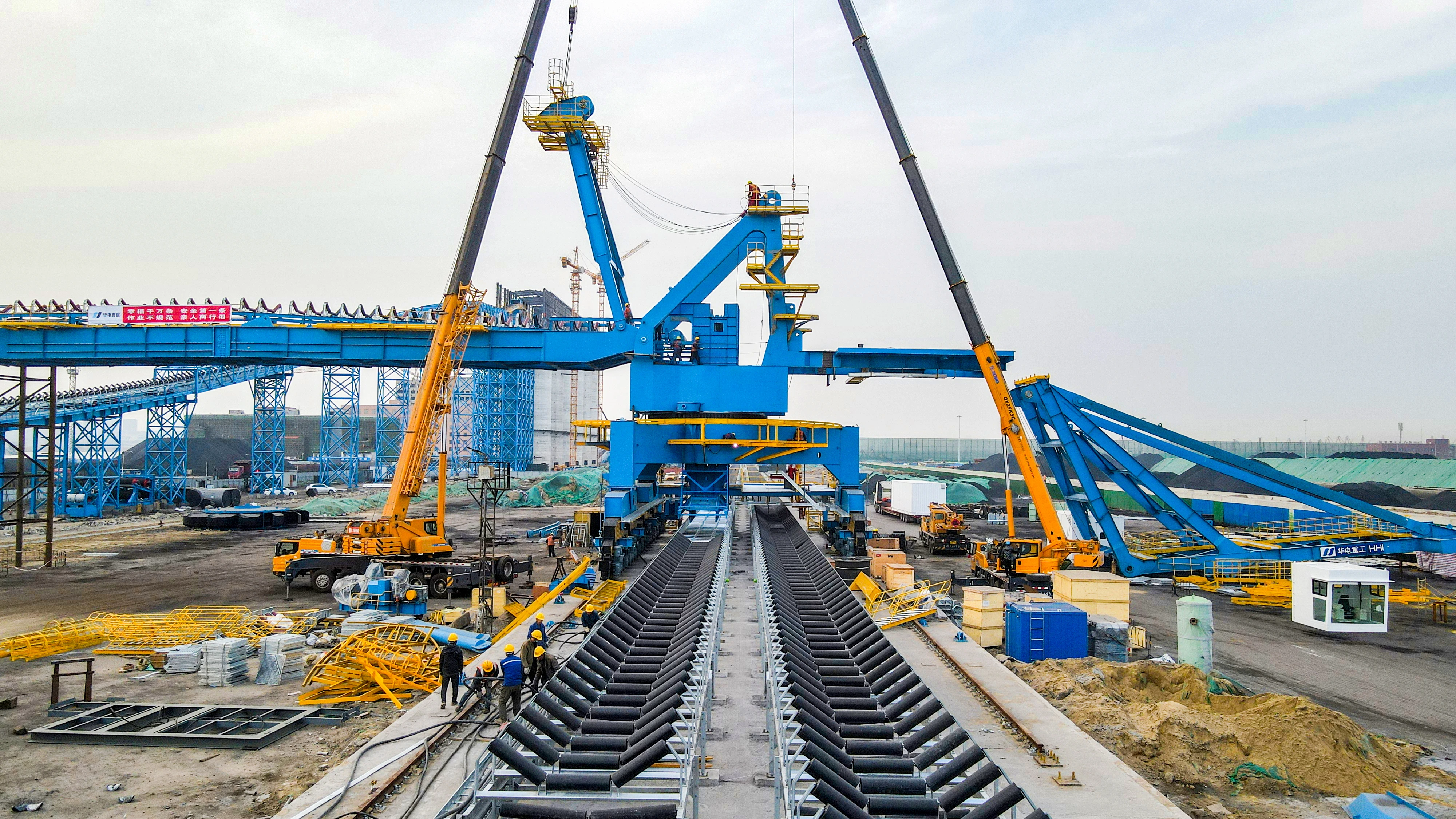
To ensure safety and efficiency, it's essential to use data when setting container crane wind limits. Guesswork can lead to unsafe conditions and costly delays, potentially costing millions of dollars annually. CEGC provides you with the necessary tools to make informed decisions.
Container crane wind limits: set them without guesswork and keep your port safe with CEGC.
Key Takeaways
-
Use facts to decide crane wind limits. This lowers dangers and keeps workers and machines safe.
-
Not following wind limits can cause accidents and expensive hold-ups. Always use maker rules and check the weather.
-
Make a simple plan for wind limits. Talk with your group, change for crane kind, and use tools that show wind right now.
Container crane wind limits: set them without guesswork

Why wind limits matter
It is important to know why container crane wind limits are needed for safety. Strong wind can make cranes move or shake. Sometimes, cranes can even fall over. Gusts might break hoisting equipment. This can stop work and cause delays. If you know when the wind is too strong, you can keep workers and equipment safe. Using data to set wind speed limits lowers risks. It also helps cranes work better. Planning before lifting and doing math helps you pick the right limits for each job.
Crane wind limits and safety risks
Wind and gusts can make loads swing. This can cause crashes and slow down work. If you do not follow wind speed limits, accidents or delays can happen. Good ideas for windy days are using anti-sway systems and safety locks. CEGC has tools that help stop drift and make work faster. Their HMI gives alarms and updates right away. You can feel sure and keep cargo safe when it is windy.
-
Wind gusts can make cranes move and break or fall.
-
Wind damage can stop work and cause delays.
Manufacturer guidelines and real-time monitoring
Manufacturers say the highest wind speed and wind resistance factor for each crane. You need to follow these rules to stay safe. The table below shows wind speed limits for different cranes:
|
Crane Type |
Caution Threshold (mph) |
Shutdown Threshold (mph) |
|---|---|---|
|
Mobile Cranes |
20-25 |
20-25 |
|
Crawler Cranes |
25 |
25 |
|
Tower Cranes |
38-45 |
38-45 |
|
Outdoor Gantry Cranes |
20-25 |
20-25 |
|
Marine Cranes |
20 |
20 |
Real-time wind monitors help you watch wind speed and weather. Anemometers give you correct wind numbers. You get alerts you can see or hear when wind is too strong. You can act fast and keep cranes safe. CEGC’s anti-sway and safety tools, with real-time monitors, help you follow wind rules. This makes sure you set container crane wind limits the right way.
Setting crane wind limits: key factors and steps
Assessing crane type and site conditions
You must start by looking at the type of crane you use and the site where you work. Each crane, such as a container crane, portal crane, ship crane, or cargo crane, reacts differently to wind. Some cranes have longer booms or lift higher, which means they face more wind force. The area around your crane also matters. Open docks, offshore platforms, or loading buildings can have different wind patterns. Gusts can funnel between structures, making wind less predictable.
Here is a table to help you see how different factors affect wind limits:
|
Factor |
Impact on Wind Limit |
|---|---|
|
Longer Boom |
Decreases safe wind speed |
|
Larger Load Surface |
Decreases safe wind speed |
|
Higher Lift Height |
Decreases safe wind speed |
|
Heavier Load |
Can increase stability, but sway risk |
|
Gusty Wind Conditions |
Decreases safe wind speed |
|
Crane Type |
Limits vary by design |
You should always check local wind patterns. If your site often has gusts or sudden changes, you may need to set lower limits than the manufacturer's maximum wind speed. This helps keep crane operations safe in all conditions.
Load characteristics and wind interaction
The load you lift changes how wind affects your crane. Large, flat loads act like sails and catch more wind force. The shape and size of the load matter. Even if two loads weigh the same, a wider load faces more wind resistance factor. As wind speed goes up, the wind force on the load increases much faster. This can make the load swing or sway, which is dangerous.
-
Large loads face higher wind force because they have more surface area.
-
The shape of the load changes the wind resistance factor, so some loads are harder to control.
-
Gusts can make loads move suddenly, even if the weight is heavy.
-
High lifts mean stronger wind speed at the top, so you must be extra careful.
You can use advanced tools like WindCube Scan to study wind hazards at your port. These tools help you understand how wind moves around cranes and loads. This lets you set better limits and avoid surprises.
Step-by-step wind limit setting process
You can follow these steps to set safe wind limits for your container handling equipment:
-
Talk with your team before each job. Remind everyone that wind speed is stronger at higher points on the crane.
-
Set clear go or no-go rules. For example, stop work if gusts go over 18 mph at the load height.
-
Adjust your plan for each crane type:
-
For mobile cranes, stop work at 20–22 mph. Lower the load limit to 75% if wind speed is between 11–20 mph.
-
For tower cranes, stop at 38–45 mph. Let the jib turn with the wind when not in use.
-
For crawler cranes, stop at 26–27 mph. Avoid working at large radii if wind picks up.
-
-
If you lift loads with a big surface area, use stricter limits. Stop work at or below 20 mph if needed.
-
Plan lifts for times with lower wind speed, like early mornings. Use experienced riggers for tricky jobs.
-
Use real-time wind sensors and monitoring systems. CEGC offers anti-sway and safety systems that connect with these sensors. You get instant alerts if wind speed or wind force gets too high.
-
Always follow the manufacturer's limits and document your shutdown steps.
Tip: Use a checklist for each shift. This helps you remember all steps and keeps everyone safe.
Ongoing monitoring and decision-making
Wind conditions can change fast. You need to keep checking wind speed and wind force during all crane operations. Use tools like handheld anemometers, fixed wind sensors on the crane boom, and real-time weather systems. CEGC systems send instant alerts to your phone or control room if wind speed or gusts get too high.
-
Keep monitoring at all times, not just at the start of the job.
-
Assign someone to watch wind data and make quick decisions.
-
If wind speed goes above your set limits, stop work right away and secure the crane.
-
Use safety interlocks and anti-sway systems from CEGC to help prevent accidents.
-
Automated alerts and logs help you prove you followed safety rules and support insurance or compliance needs.
You can also customize your safety and monitoring systems. CEGC offers options like anti-sway control, automatic positioning, load monitoring, and remote control. These upgrades help you handle changing conditions and keep your team safe.
You set wind limits by looking at crane type, wind speed, wind force, and wind resistance factor. Use real-time monitors and follow what the manufacturer says. Make a checklist for each day:
-
Know the wind speed limits.
-
Watch for gusts and changes in weather.
-
Talk with your team often.
-
Think about load surface and wind resistance factor.
Operators need to read manuals, check anemometers, and learn about wind speed and gusts. Keep training to stay safe.
|
Description |
Impact on Safety and Efficiency |
|
|---|---|---|
|
1 |
Remote control uses live-feed cameras |
Makes safety better and helps manage wind force |
|
2 |
Automation uses computer vision |
Makes work faster when it is safe |
|
3 |
Full automation |
Makes safety best and lowers mistakes |
FAQ
What happens if you ignore wind limits for your container crane?
You risk accidents, equipment damage, and downtime. Always follow set limits to keep your team safe and your port running smoothly.
How do you know the right wind limits for different cranes?
You check the manufacturer's manual and use real-time wind sensors. Limits change by crane type, site, and load. Always review limits before each shift.
Can you adjust wind limits for special jobs or weather?
Yes. You can lower limits for large loads or gusty days. Use CEGC systems to monitor and set safe limits for every operation.


