
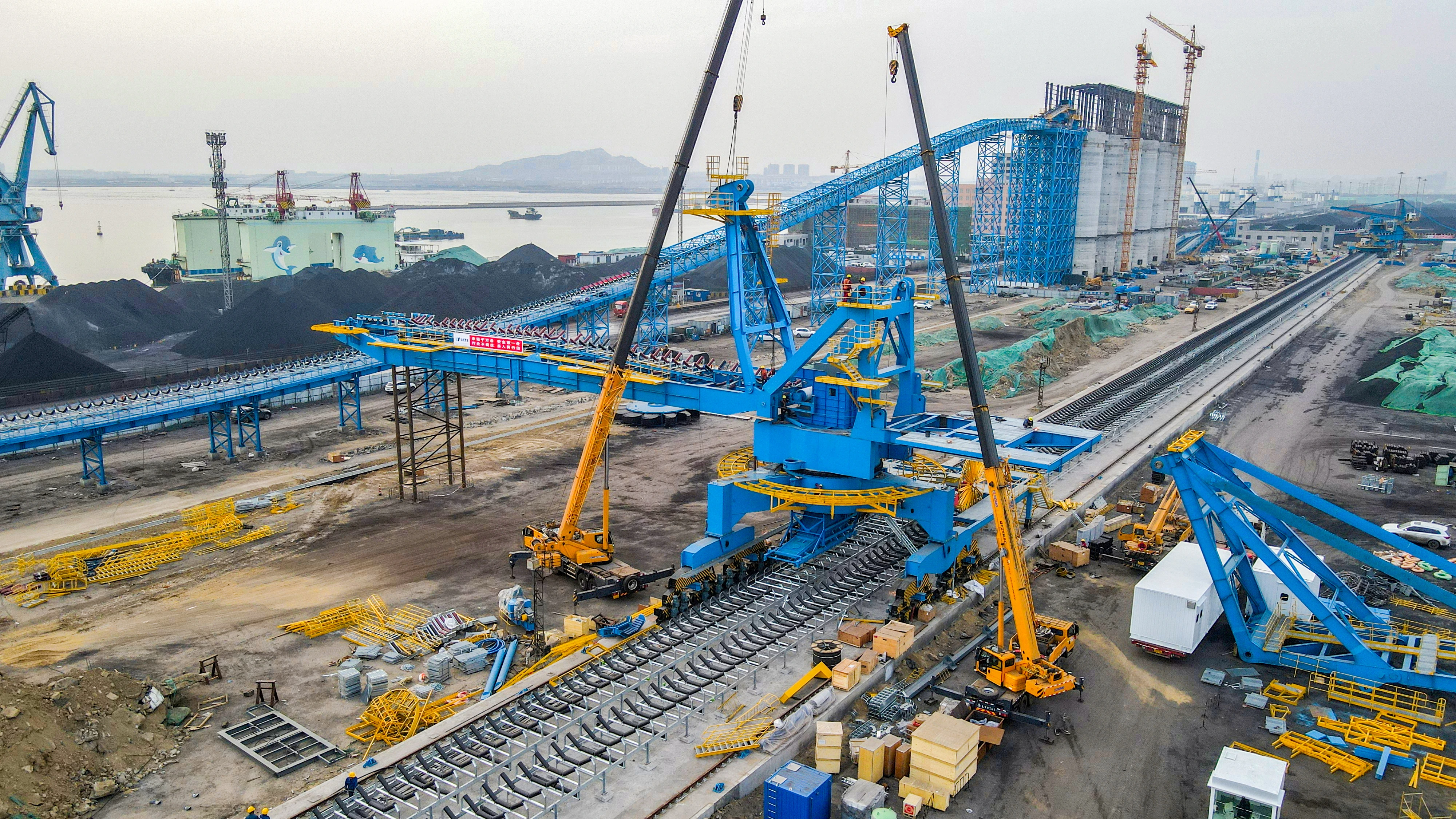
You face storms, lightning, and rain often at your port. Weather changes quickly and brings extreme weather like strong winds, heavy rain, and lightning. Extreme weather tests your port crane systems. You need CEGC equipment that stands up to storms, rain, and lightning. Weather can cause downtime. Port crane in storms: what spec prevents downtime? Extreme weather calls for weather resilience. You want your cranes to work in harsh conditions and harsh and demanding environments. Rain, storms, and lightning should not stop your operations. Extreme weather happens often. Rain, storms, and lightning challenge your equipment. Weather always matters for your cranes.
Key Takeaways
-
Pick CEGC equipment for your port cranes. It helps cranes stay safe in storms and heavy rain.
-
Set up wind monitors that work all the time. Use strong tie-downs to keep cranes from moving when winds are high.
-
Use systems that check cranes and warn about problems early. This helps stop cranes from breaking down in bad weather.
Port crane in storms: what spec prevents downtime
Wind resistance and tie-down systems
You must think about your port crane in storms: what spec prevents downtime when strong winds blow. Wind can move the crane fast and cause harm. Real-time wind monitoring tells you when to stop work. Good weather data helps you stay safe. Look at this table to see how wind speed changes what you do:
|
Wind Speed (mph) |
Operational Status |
|---|---|
|
0–12 |
Safe for normal lifting conditions |
|
13–31 |
Exercise caution; evaluate load and conditions |
|
32+ |
Stop all operations immediately; high risk of accidents |
Tie-down systems and storm pins are important. They keep your port crane in storms: what spec prevents downtime by holding it still. Rail clamps, storm anchors, and storm brakes help keep your crane safe. These tools are used in ports in Asia and Australia. They stop the crane from moving and protect its frame.
Tip: Use boom-tip anemometers with safety devices. This setup finds strong wind and locks your crane before it gets too windy.
The best way is to install things right and check them often. You must anchor both sides of the crane at once. This keeps the crane’s frame safe and stops bending. Real-time checks and good tie-downs help you work safely, even in big storms. CEGC lets you pick sensor sets, anti-collision zones, and extra safety. You can choose the best wind protection for your port crane in storms: what spec prevents downtime.
Anti-sway and safe lifting controls
Loads can swing a lot in storms. You want your port crane in storms: what spec prevents downtime to have anti-sway tech. This system stops loads from moving too much. It helps you put containers in the right spot. Anti-sway controls lower crash risks, even when wind makes loads swing. Safe lifting controls work with anti-sway to keep things steady.
You can use electric anti-swing control for better accuracy. Programmable controllers and speed control help too. These features let you change speed and stop swinging. You get safer and easier handling. CEGC gives you smart choices for anti-sway and safe lifting. You can pick sensor sets, safety locks, and operator controls. This makes your port crane in storms: what spec prevents downtime safer and simpler.
-
Safe lifting controls make handling steadier.
-
Programmable controllers make things safer and faster.
-
Speed control helps manage crane speed and stops sway.
You can teach your team faster with clear alarms and easy steps. This helps everyone work safely, even when storms come.
Marine-grade corrosion protection
Salt, wet air, and rain can rust cranes at ports. You must protect your port crane in storms: what spec prevents downtime from rust and harm. Marine-grade protection uses special coatings. Epoxy primers, polyurethane topcoats, and zinc-rich coatings keep out water and salt. Hot-dip galvanization puts a thick zinc layer on parts. This makes your crane last longer.
Use corrosion-resistant parts like stainless steel or weathering steel in tough spots. Sealed bearings and gears keep out salt and water. Strong covers protect electrical parts. Marine-grade hydraulic parts fight rust and last longer. CEGC uses smart design to stop rust. You can pick the best anti-corrosion grade and sealing for your needs.
|
Protection Method |
Benefit |
|---|---|
|
Blocks water and salt |
|
|
Hot-Dip Galvanization |
Makes parts last longer in salty places |
|
Corrosion-Resistant Alloys |
Slows rust in tough spots |
|
Sealed Bearings and Gears |
Keeps out salt and water |
|
Robust Enclosures |
Protects electric parts |
|
Marine-Grade Hydraulics |
Fights rust and wear |
Rust can make your crane weak and less safe. You need the right materials and design to cut down on repairs and keep your port crane in storms: what spec prevents downtime. Things like drainage channels and sacrificial anodes help stop rust in certain spots. CEGC’s marine-grade protection keeps your crane working well, even in tough coastal weather.
Managing crane downtime in extreme weather
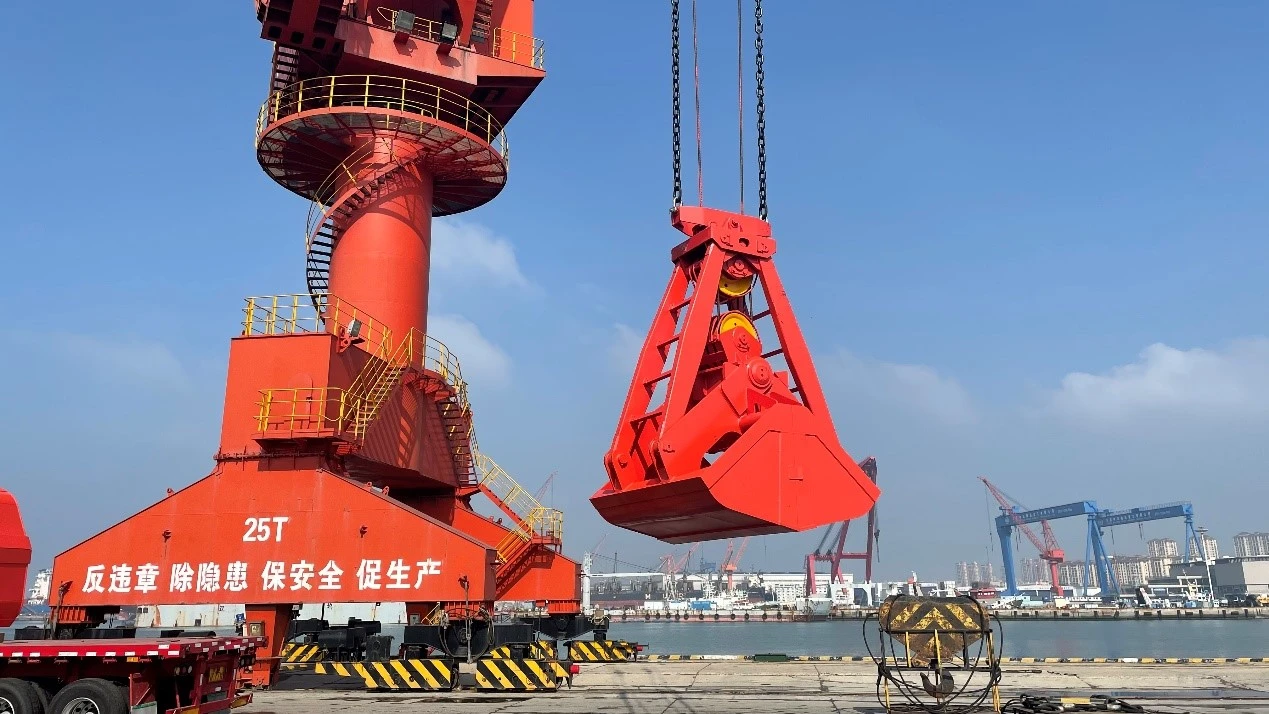
Predictive maintenance and monitoring
You can stop crane downtime in bad weather by using predictive maintenance and monitoring. These systems use sensors to check humidity, temperature, and corrosion risk all the time. If the sensors find unsafe weather, the system warns you or stops the crane for a check. This way, you can find problems early, like rust or weak seals, before they stop the crane. Modern port cranes use RFID, ZigBee, Wi-Fi, NB-IoT, IoT-PLC, and 5G to watch the crane and fix problems from far away.
|
Technology Type |
Application Description |
|---|---|
|
RFID |
Watches the environment and objects with machine vision. |
|
ZigBee |
Sends signals about swing angle for better control. |
|
Wi-Fi |
Collects crane data and checks stress and bending. |
|
NB-IoT |
Sends load and motor data for cloud fault checks. |
|
IoT-PLC Control System |
Watches cranes on the cloud with smart sensors. |
|
5G and Edge Computing |
Lets you control cranes from far away and cuts delay. |
Regular crane checks and planned maintenance keep your crane working well, even when the weather is bad.
Operator training and storm protocols
You need to teach your operators how to work in bad weather. Good training and clear rules keep people safe and cut crane downtime. You should stop work when there are strong winds or storms. Use wind alarms to get alerts right away. Make the area safe and tell the right people quickly. Daily checks and training programs help your crane work better and stop accidents.
|
Key Element |
Issue Description |
Solution |
|---|---|---|
|
Proper Training and Certification |
Accidents from poor training |
Accredited programs and certifications |
|
Daily Inspections |
Missed mechanical failures |
Use checklists for safety |
|
Environmental Conditions |
Weather affects crane operations |
Watch weather and set work rules |
Advanced crane management systems
You can use advanced crane management systems to make work and energy use better in bad weather. These systems use automation, real-time data, and remote control to stop crane downtime. Features like smart motion control, obstacle avoidance, and auto scheduling help you work safely and fast. CEGC makes cranes with easy access and simple maintenance plans. You can follow power-down steps, lower booms, and use wind speed limits to keep your crane safe. Planned maintenance and regular checks help you stop downtime and keep your cranes ready for any weather.
You can make downtime shorter by picking CEGC port crane specs and safety rules. Special features like energy chain systems and materials that do not rust help cranes work in storms. Advanced management systems warn you early and give real information. You should pick CEGC solutions to keep your port running well.
|
Lesson |
Description |
|---|---|
|
5 |
Make sure every worker gets early warnings on site |
FAQ
What makes CEGC cranes reliable during storms?
CEGC cranes have strong tie-downs. They also use wind monitoring and anti-sway systems. These things help keep your crane safe in bad weather. They also help stop downtime when storms happen.
How does predictive maintenance help with crane downtime?
Sensors and remote checks look for problems early. This helps your crane keep working. It also helps you avoid long repairs.
Why is marine crane operations safety important?
Safety protects workers and equipment. Safe marine crane operations lower accident risks. This helps your port run smoothly.


