
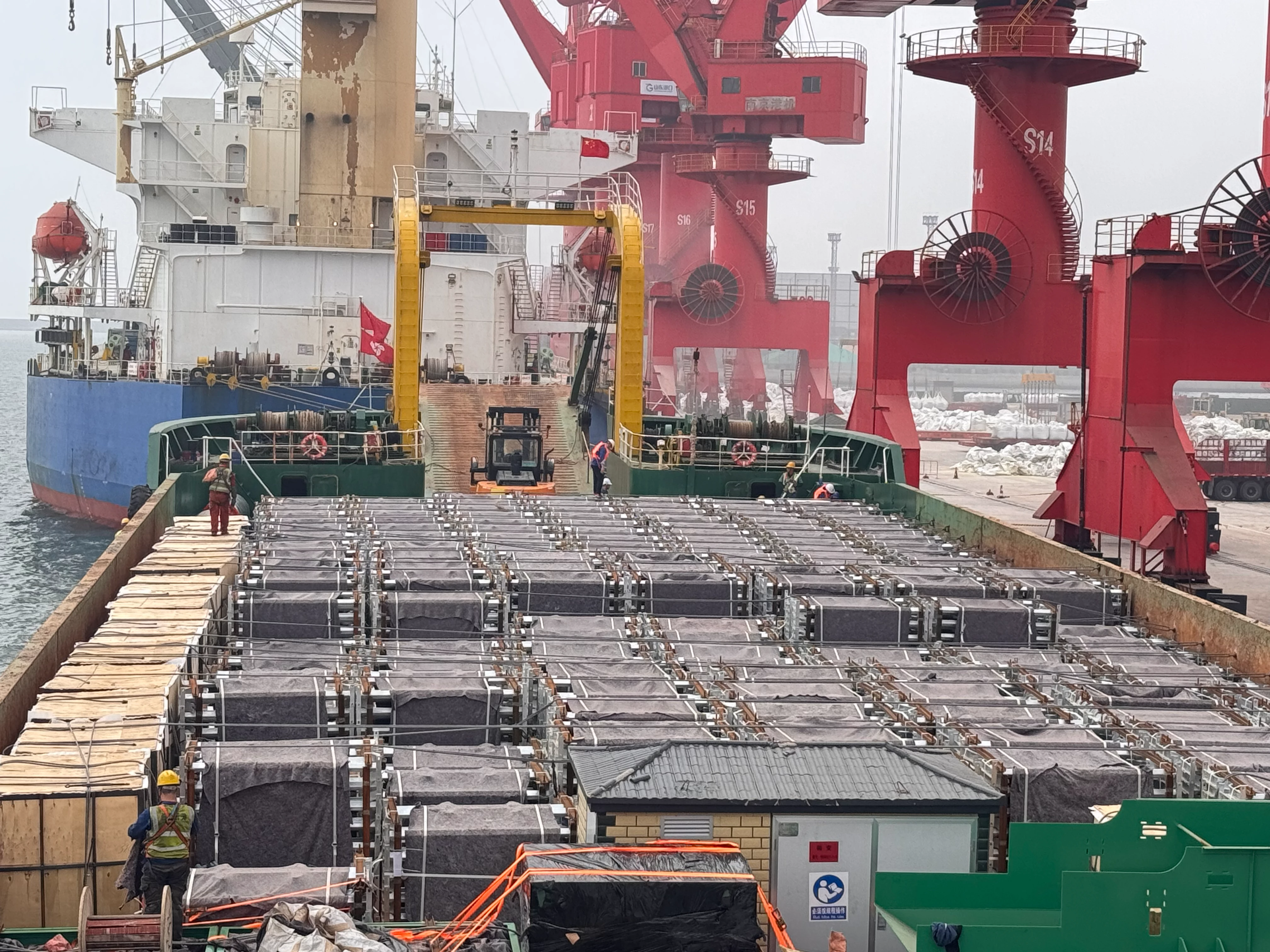
You see container crane precision: the easiest roi case as the best and simplest way to get more ROI. With container crane precision: the easiest roi case, ports can move up to 30% more containers each hour. Ports often have problems like crowding, not enough workers, and safety worries:
|
Pain Point |
Description |
|---|---|
|
Congestion |
Ships wait longer to dock, which costs more money. |
|
Labor Disputes/Shortages |
Not enough skilled workers makes moving cargo slower and less efficient. |
|
Security/Safety Concerns |
More rules and risks make things slower and less reliable. |
CEGC’s solutions can be changed to fit each port. They help ships dock faster and cut down on waiting time. This makes container crane precision: the easiest roi case a smart choice for any port. Container crane precision: the easiest roi case changes how ports work and shows clear results. Container crane precision: the easiest roi case helps you do better in port operations.
Key Takeaways
-
Container crane precision can move up to 30% more containers each hour. This helps ports work better and faster.
-
Automation and new technology make fewer mistakes. They also make things safer, so there are fewer accidents and less money spent on repairs.
-
Predictive maintenance stops cranes from breaking down. It keeps cranes working longer and saves energy. This makes the whole operation worth more.
Container crane precision and cargo handling efficiency
Faster container handling
You want your port to work faster. You also want to handle more containers each hour. Precision in ship to shore cranes helps you do this. Advanced systems like CEGC’s anti-sway control and motion coordination make cargo handling better. These systems let you lift heavier loads. They help you move containers quickly. Everything stays smooth and safe.
Here is how important features help you:
|
Feature/Capability |
Impact on Efficiency |
|---|---|
|
Lift capacity of 40-70 metric tons |
Lets you move more containers and finish jobs faster. |
|
Automated operations |
Helps avoid mistakes and keeps work steady. |
|
Integration with cargo systems |
Cuts waiting time and makes the terminal work better. |
|
Adaptability to larger vessels |
Lets ports handle bigger ships and more containers. |
|
Reduction in berth times |
Makes loading and unloading go faster. |
Modern ship to shore cranes can lift many containers at once. This means jobs finish faster. Ships can leave sooner. Automation helps stop mistakes. It keeps your team safe. Connecting cranes to cargo systems cuts waiting time. It boosts how well the terminal works. New designs let you handle bigger ships. Your port can grow and serve more people.
Reducing errors and misplacements
Mistakes in handling containers slow down your port. Precision technology, like CEGC’s anti-sway control, helps you avoid these problems. Anti-sway systems keep loads steady. They work even when wind blows or cranes move fast. This makes it easier to put containers in the right place.
-
Anti-sway mechanisms stop containers from swinging. You make fewer mistakes.
-
These systems help you work safely and handle cargo better.
-
You get more accurate results. You spend less time fixing errors.
-
Intelligent container recognition lets you track containers and avoid misplacements.
With these tools, you know each container goes where it should. This lowers the chance of accidents. Your port keeps running smoothly. You save money because you do not need to fix mistakes.
Optimized cycle time in port operations
You want ships to spend less time at your dock. Optimized cycle time means loading and unloading happens quickly. Ships leave sooner. Ship to shore cranes with precise controls and workflow integration help you do this. CEGC’s solutions let you coordinate every step. You lift and stack containers without wasting time.
Here is what happens when you improve cycle time:
|
Evidence Type |
Description |
Impact on Turnaround Time |
|---|---|---|
|
Idle Time Statistics |
More idle time means ships stay longer. |
|
|
Improvement in Ship Turnaround |
Some terminals cut ship time in port by up to 25%. |
Faster cycle time means ships leave sooner. |
|
Predictive Maintenance Impact |
Crane downtime drops by 15-20% with good telemetry. |
Cranes are ready for work more often. |
Predictive maintenance keeps cranes ready. It helps you avoid delays. Intelligent container recognition tracks containers. It helps you plan moves and saves time. With these upgrades, you cut idle time. You speed up every part of your operation.
Ship to shore cranes with advanced features give you a big advantage. You handle containers faster. You make fewer mistakes. You use your equipment better. Ports that use precision technology see higher cargo handling efficiency. They also spend less money. You can move more containers, serve more ships, and grow your business with these smart solutions.
Safety, automation, and lifecycle value in container handling
Automated positioning and movement
You want your port to be safe and run well. Automated positioning and movement help you do this. With new technology, you can use sensors, AI, robotics, and remote controls in your equipment. These tools let you move containers with great accuracy. Machine vision systems use cameras and LiDAR to find obstacles and put containers in the right place. AI and smart algorithms help plan crane moves and cut down on wasted time. Remote controls let you manage many cranes from one spot.
You can pick how much automation you want. Operator-assist features, like sway control, make your job easier. Semi-automation handles some tasks, like steering and stacking. Full automation can do hard moves without people. These advanced automation features give steady results and fewer mistakes. You finish more work with less effort.
-
Sensors and AI help cranes get to the right spot.
-
Automated systems keep work steady, even when people are tired.
-
Distance warning systems tell you about nearby obstacles.
-
Collision avoidance systems step in to stop accidents.
You see fewer mistakes and more steady results. Your port gets safer and works better.
Safety systems and collision prevention
You need to keep your team and equipment safe. Safety systems in container handling cranes use new technology to stop accidents. LIDAR, radar, 2D laser scanners, and cameras watch for obstacles, check speeds, and cover blind spots. Software looks at this data and gives you alerts. If something gets too close, the system can warn you or stop the crane.
You also get multi-layer safety interlocks. These systems use smart controls to stop cranes from hitting each other. Centralized PLC control or wireless links let cranes talk and share safety info. Operator-centered HMI gives clear alarms and updates, so you always know what is happening.
Tip: Terminals that add proximity detection and automatic brakes to their cranes have fewer collisions and lower repair costs.
You can see the results in the numbers:
|
Improvement Type |
Percentage Reduction |
|---|---|
|
Collision-related incidents |
10–20% |
|
Collision and grounding events |
up to 25% |
|
Repair costs and downtime |
Marked drop |
You get safer work, fewer accidents, and lower costs. Your team feels confident, and your equipment lasts longer.
Predictive maintenance and energy savings
You want your cranes to work all the time. Predictive maintenance helps you do this. With real-time data, you can watch your cranes closely. Sensors collect info about temperature, vibration, and electrical status. Data analytics and predictive maintenance tools use this info to find problems before they cause breakdowns.
You follow best steps for predictive maintenance:
-
Collect data from sensors on your cranes.
-
Bring all the data together to look at it.
-
Use machine learning to find patterns and predict issues.
-
Track equipment in real time and spot anything strange.
-
Plan maintenance before something breaks.
-
Keep improving your system with feedback.
You see big benefits. At Panama Ports, predictive maintenance cut costs by 50% and made machines available 30% more. You get more uptime and use your assets better. This also saves energy, because your cranes run more efficiently.
You also protect your investment with marine durability and anti-corrosion features. These steps help your cranes last longer and work better in tough port conditions.
|
Benefit |
Description |
|---|---|
|
Extended Service Life |
Marine cranes can last 10–20+ years longer with proper anti-corrosion measures. |
|
Reduced Maintenance Costs |
Less need for new parts and less downtime for repairs. |
|
Improved Safety & Reliability |
Stopping corrosion keeps cranes strong and safe. |
|
Higher Resale Value |
Well-kept cranes keep their value better than regular cranes. |
You can follow these steps for the best protection:
|
Step |
Description |
|---|---|
|
Surface Preparation |
Clean surfaces to help paint stick. |
|
Primer Coat |
Use zinc-rich primer to protect steel. |
|
Intermediate Coat(s) |
Put on epoxy paint to block moisture and salt. |
|
Top Coat |
Add polyurethane for UV protection and color. |
You get the most value from your container handling investment. Your cranes stay reliable, safe, and efficient for many years.
Container crane precision is the simplest way to get more ROI. The numbers show ports move more containers and spend less on workers. You save money over time. When you upgrade cranes, your port works better and safer. Automation helps you do more with less effort. Your port gets more value. CEGC gives solutions you can change to fit your port.
FAQ
What is container crane precision?
Container crane precision means moving containers in the right way. It helps you move them fast and in the correct spot. This makes your port work better. It also keeps your team safe.
How does automation improve port safety?
Automation helps stop accidents from happening. These systems can find dangers before they cause problems. They help workers avoid mistakes when moving containers.
Why should you consider strategic crane investment?
Buying better cranes makes your port work faster. It also helps you spend less money. This keeps your port strong and ready to grow in the future.


