
You need precise container handling equipment: positioning QA process to keep your port safe and working well. Load sway, collision risk, wind, and different operators make things hard. With CEGC, you get market-standard specs and custom choices. Automation and QA help you have less downtime, faster turnaround, and better handling:
-
Predictive maintenance lowers surprise downtime by about 25%.
-
Process automation makes turnaround times 15% shorter.
-
Full automation makes container handling up to 30% better.
Key Takeaways
-
Correct placement of container handling equipment is very important for safety and good work. Use small tolerances to stop crashes and make work better.
-
Maintenance checks should happen often. Do sensor resets every month. Check equipment every year. This helps stop delays and keeps things running well.
-
Use anti-sway systems and safety controls to make things safer. These tools help cranes work faster. They also lower stress for operators. This makes the work area more efficient.
container handling equipment: positioning qa process
Defining accuracy and tolerance
It is important to know how equipment positioning accuracy affects your port’s safety and how well it works. In container handling equipment: positioning qa process, accuracy means how close the equipment puts a container to the right spot. Tolerance is the small amount you can be off from the exact place. If you set a small tolerance, you help stop crashes and make work faster.
You can look at the table below to see what the industry says about positioning accuracy:
|
Equipment Type |
Typical Accuracy Required |
Application |
|---|---|---|
|
Automated Stacking Cranes |
10-20 millimetres |
Pick up containers safely without hitting corners or other containers |
|
Automated Guided Vehicles |
20-50 millimetres |
Line up with chassis for picking up and dropping off containers |
You use these rules to make sure your portal crane, container crane, or reach stacker forklift meets world standards. ISO standards like ISO 668, ISO 1496, and ISO 6346 also give rules for container size, strength, and ID. These rules help you match your equipment to different jobs and let you change things for special needs.
Key equipment and positioning systems
You use many kinds of container handling equipment: positioning qa process tools in your yard. Each one needs good systems to keep work safe and smooth. CEGC has many choices, like portal cranes, container cranes, reach stackers, and ship loaders.
You depend on smart positioning systems to help with equipment positioning accuracy. The most used systems are:
-
RTLS (Real-Time Location System) uses radio tags to track equipment and containers.
-
DGPS (Differential Global Positioning System) gives very exact location info.
-
Infrared systems use light to check positions.
-
OCR (Optical Character Recognition) systems read container codes to help track and place them.
You pick the best system for your yard’s setup, how much you use automation, and what kind of container handling equipment you have. These systems help you stop mistakes and keep work moving.
Position detection and calibration
You need to check and fix your position detection systems often to keep equipment positioning accuracy high. In the container handling equipment: positioning qa process, you reset deflection sensors every month. You also do a full check once a year. This keeps your data right and helps you find problems early.
Here is a simple checklist you can use:
-
Plan a yearly check for each piece of equipment.
-
Write down the results for quality and audits.
You keep your portal cranes, container gantry cranes, and reach stackers working well by doing these steps. Regular checks help you deliver on time and lower the chance of mistakes or delays.
Safety and anti-sway controls
You face many dangers every day, like load sway, wind, and different operator skills. In the container handling equipment: positioning qa process, you use anti-sway systems and safety locks to keep your team and cargo safe.
Anti-sway control systems help you in these ways:
-
They make things safer by stopping loads from swinging.
-
Crane cycles are faster because the system fixes sway by itself.
-
Your cranes last longer and need less fixing.
-
Loads are placed more exactly, which helps equipment positioning accuracy.
-
Operators feel less stress and can focus on other jobs.
-
You save energy and lower your carbon footprint.
You also use safety locks, limit switches, and emergency stop buttons. These keep you from overloading or crashing. Operator HMI panels show clear alarms and updates, so your team learns and works safely.
Wind can also cause problems for your equipment. You use wind speed monitors and smart yard systems that warn you if wind gets too strong. Some cranes, like CEGC’s, are made to fight wind and keep working steady.
You handle all these problems—load sway, crash risk, wind, and operator skill differences—by following a strong container handling equipment: positioning qa process. You use standard specs and also change things for your site. This keeps your quality control strong and your port running well.
QA integration and automated container handling
Software and control validation
You need strong software checks to keep your automated systems working well. You can use emulation tools, like the CONTROLS system, to test Terminal Operating Systems before using them for real. This helps you find bugs and problems early. You make positioning systems better by running tests with automated stacking cranes and automated guided vehicles. These tests check if your equipment works together and stays safe.
Emulation testing lets you find issues before they hurt your port. You save time and money by fixing problems early.
Environmental and operational monitoring
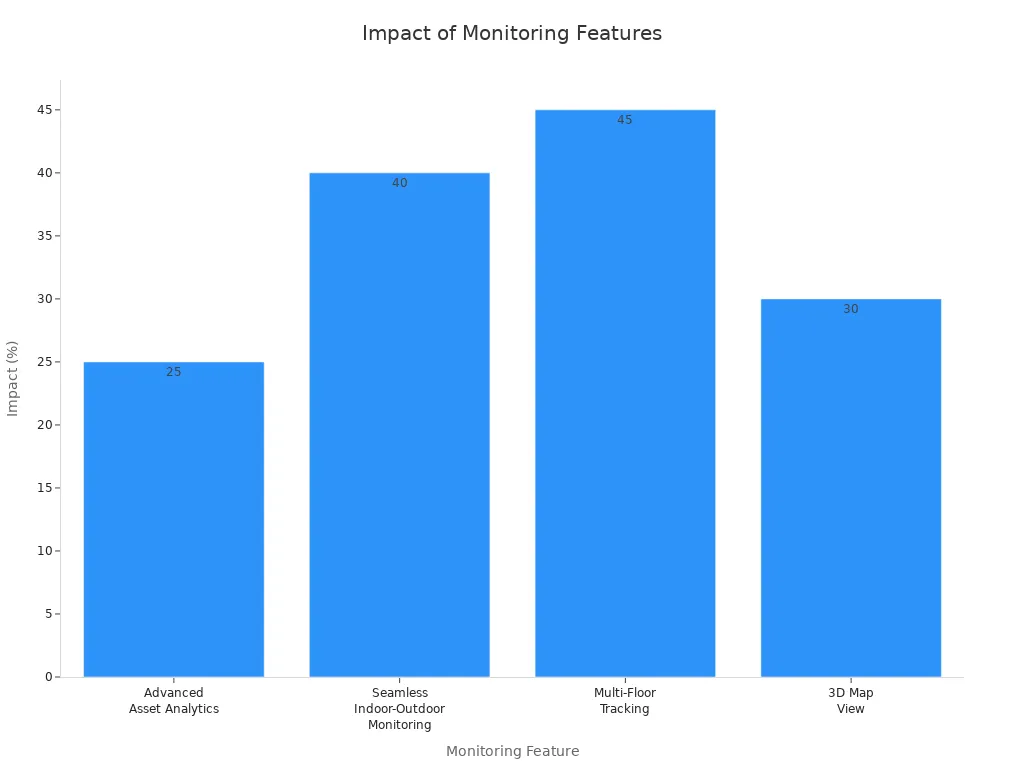
You must watch environmental and operational factors to protect your equipment and keep your port running well. Weather, wind, and temperature changes can affect automated stacking cranes and automated guided vehicles. You track real-time data to adjust equipment positioning and stop accidents. Heavy rain, dust, and sandstorms can cause damage or make it hard to see. You use asset analytics and smooth monitoring to make positioning systems work better.
Predictive maintenance and energy efficiency
You depend on predictive maintenance to keep automated container handling equipment running smoothly. Sensors check temperature and vibration in automated stacking cranes and automated guided vehicles. You use IoT technology to collect data and plan maintenance before things break. Good maintenance makes equipment use less energy and lowers emissions. You make assets last longer and save money by cutting downtime and planning schedules.
-
Well-kept equipment uses less energy and supports sustainability goals.
Continuous improvement and troubleshooting
You need continuous improvement to keep your port strong. You can use Six Sigma, Total Quality Management, Lean manufacturing, and PDCA methods to make processes better. Staff training is important. You teach your team safety steps, practical skills, and ways to talk clearly. You do pre-shift checks and give clear instructions. These steps help you fix problems and use new technology in automated container handling.
|
Methodology |
Description |
|---|---|
|
Six Sigma |
Cuts variation using statistics. |
|
Total Quality Management (TQM) |
Focuses on customer needs and keeps improving. |
|
Lean manufacturing |
Removes waste and makes value streams better. |
|
Plan Do Check Act (PDCA) |
Uses planning, doing, checking, and acting to improve processes. |
You build a culture of quality and safety by checking your systems and training your staff. You keep your automated stacking cranes and automated guided vehicles working their best.
You make things safer and more reliable by using a QA process for container handling equipment. This process gives you clear results:
-
Decision support systems help stop crashes and grounding by 25%.
-
New technology lowers crash events by 10 to 20%.
|
Benefit |
Description |
|---|---|
|
Safety |
Automation tools help stop mistakes and damage. |
|
Operational Efficiency |
Automation moves more cargo and cuts waiting time. |
|
Real-time Tracking |
Warehouse management systems help track cargo better. |
You use warehouse management systems to watch your assets and plan repairs. These systems also help you work faster. Warehouse management systems let you find problems and act quickly. You connect these systems with automation for more control. You count on warehouse management systems to keep your port working well. By working with CEGC and updating your systems, you make your port ready for the future.
FAQ
What is the role of material handling equipment in loading and unloading procedures?
Material handling equipment helps move containers safely. These machines make loading and unloading easier. They help you work faster and make fewer mistakes.
How do you improve safety during loading and unloading procedures?
You check your material handling equipment before each shift. You follow simple steps for loading and unloading. You teach your team to see dangers and use safety tools.
Why should you update material handling equipment for modern ports?
Modern ports need better material handling equipment. New machines give you more control and speed. They also help keep everyone safer.


