
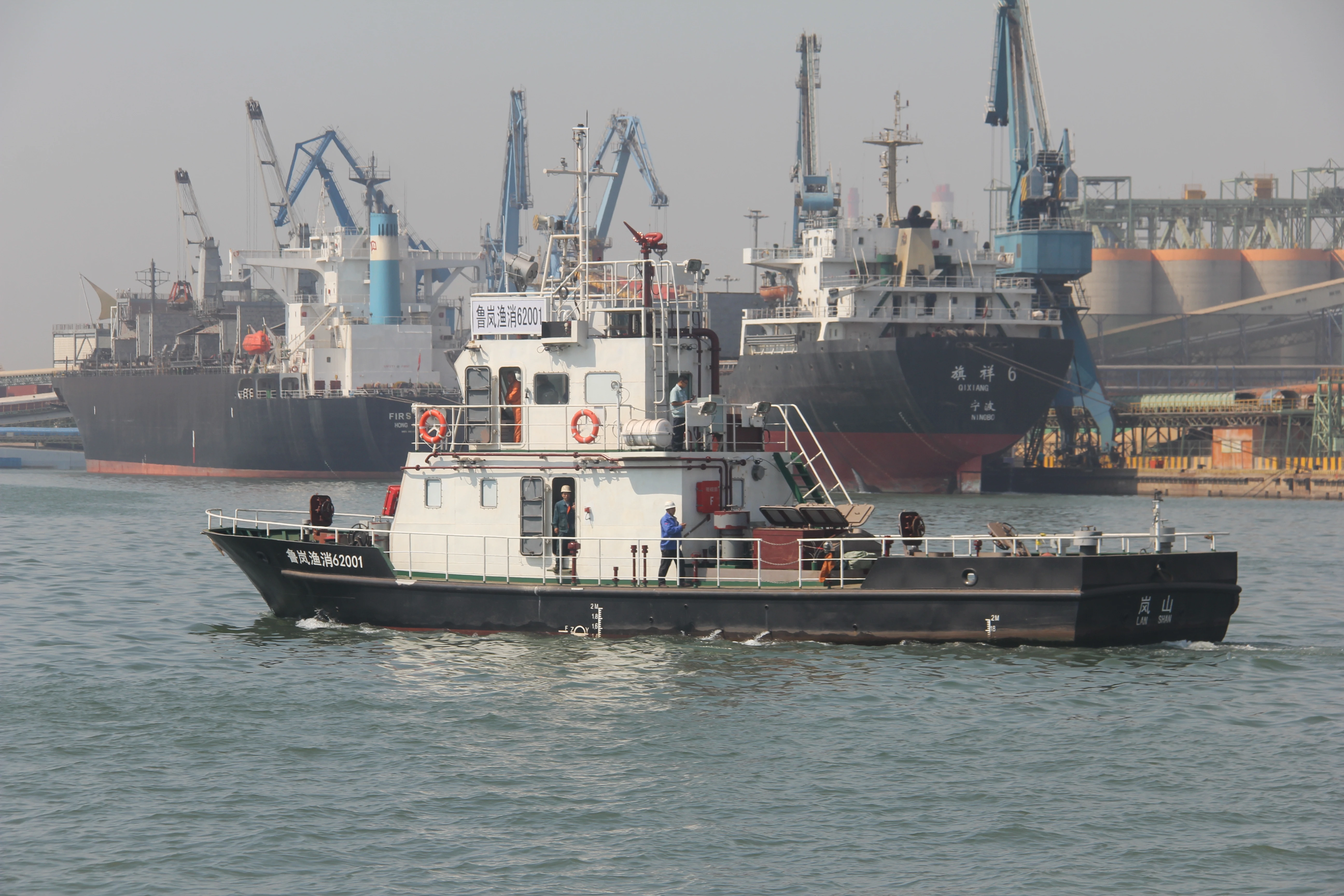
You can see how the CEGC portal crane: precision positioning in poor visibility is achieved through advanced sensor technology. Even in challenging conditions with low visibility, the CEGC portal crane uses sensors to monitor the crane’s position, load weight, movement speed, and direction. These sensors collect real-time data and provide instant feedback, ensuring precision positioning in poor visibility. With highly accurate algorithms, the CEGC portal crane: precision positioning in poor visibility allows operators to work safely and efficiently, even when visibility at the port is limited.
-
Sensors monitor every movement of the CEGC portal crane: precision positioning in poor visibility.
-
Sensors check the load and speed for optimal performance.
-
Sensors instantly adjust the position for precision positioning in poor visibility.
-
Sensors enhance safety during all operations.
-
Sensors make cargo handling more precise and reliable.
-
Sensors enable the CEGC portal crane: precision positioning in poor visibility, even in foggy conditions.
-
Sensors detect changes in direction immediately.
-
Sensors support operators in making informed decisions.
-
Sensors reduce the risk of errors and accidents.
-
Sensors help increase overall productivity at the port.
Key Takeaways
-
Advanced sensors help the CEGC portal crane move exactly where needed, even when it is hard to see. This technology makes work safer and helps people finish jobs faster.
-
Anti-sway systems stop the load from swinging too much and make the crane more accurate. These systems let workers do their jobs quicker and make accidents less likely.
-
Smart sensors can tell when the crane needs fixing before it breaks. This can make the crane work up to 30% more often. This way, companies save money and do not have to stop work as much.
Precision technologies for portal crane positioning
Anti-sway and safe lifting control
You need a portal crane: precision positioning in poor visibility to keep your work safe and efficient. Anti-sway systems help control heavy loads. These systems use smart algorithms to guess and stop load swing. This technology makes things more accurate and safer, especially in fog or rain.
-
Dongqi's electric anti-sway automatic positioning control system is a leader.
-
The EXPERTOPERATOR™ system uses smart algorithms to cut down sway and boost safety.
-
Anti-sway systems use sensors to spot and fix problems right away.
Modern cranes have different anti-sway control algorithms:
|
Control Algorithm |
Description |
|---|---|
|
Proportional-Integral-Derivative (PID) Control |
Finds the difference between where you want and where you are, then sends signals to move parts. |
|
Model-Based Control |
Uses math to guess how things will move and changes forces quickly. |
|
Fuzzy Logic Control |
Uses rules to decide how to move, and handles tricky situations better than old methods. |
Anti-sway technology cuts down load swing. It uses sensors and smart logic to keep things steady. You do not need to fix things by hand as much. This system helps you work faster and lowers accident risks. You can add anti-sway control to older cranes, making your fleet more flexible.
|
Evidence Description |
Key Points |
|---|---|
|
AI uses real-time data |
Predicts hook movement for better stability |
|
Offsets crane's motion |
Reduces load swing effectively |
|
Less manual correction required |
You can use anti-sway and safe lifting control in miniload stacker cranes, container cranes, and other equipment. These systems help you get portal crane: precision positioning in poor visibility and keep your team safe.
Advanced sensors and WCS encoding
You depend on sensors for accurate detection and positioning. In poor visibility, you need sensors that work all the time. Visual cameras, LiDAR sensors, thermographic cameras, and ultrasonic sensors help you see when your eyes cannot. These sensors give real-time cargo detection and alerts. You can count on them for accuracy and reliability.
-
Sensors find cargo position and movement.
-
Sensors measure how close things are.
-
Sensors help anti-collision systems and safe operation.
-
Sensors let automated equipment work in low-visibility.
-
Sensors help with cargo and proximity detection for every lift.
You use photoelectric proximity sensors for exact cargo detection and position system integration. These sensors measure how close things are. You can use advanced radio control systems to send sensor data to your control room. These systems help you watch cargo and proximity in real time.
Miniload stacker cranes and container cranes use WCS encoding for accurate positioning. WCS encoding tracks the crane's location and movement. You can use this data to make things more accurate and cut down errors. Gyroscopes help keep loads steady, even in bad weather. Better lighting systems make it easier to see cargo and obstacles.
|
Feature |
Description |
|---|---|
|
Gyroscopic Principles |
The Verton EVEREST SpinPod uses gyroscopic principles to control suspended loads better. |
|
Remote Operation |
Operators can control loads from far away, up to 200 m, which keeps them safe. |
|
Load Capacity |
Can move loads between 25 and 35 tons, depending on how the load is set up. |
|
Safety Improvement |
Keeps riggers out of danger, making things much safer in poor visibility. |
These technologies help portal crane: precision positioning in poor visibility. They also help miniload stacker cranes and container cranes be more accurate and reliable.
Operator assistance and HMI
You need operator assistance systems and HMI to make your job easier and safer. Fully automated systems make sure things are accurate and repeatable. You can use pre-set paths to stop collisions and make things safer. The Remote Operating Station (ROS) gives you a safe and comfy place to work.
-
The HMI dashboard shows all the important data.
-
You can control the crane from far away.
-
The system gives you cargo and proximity alerts.
-
You can use advanced radio control systems for real-time updates.
-
The smart overhead crane system has anti-sway and precise positioning.
|
Feature |
Description |
|---|---|
|
Anti-sway system |
Stops load sway automatically, making crane work faster and safer by guessing load movement and changing commands. |
|
Target positioning |
Lets operators pick where the load goes, and the system moves the crane to the right spot, making work easier and faster. |
You can use operator assistance and HMI in miniload stacker cranes, container cranes, and other equipment. These systems help anti-collision and proximity detection. You get real-time cargo and proximity alerts, which help you avoid accidents. Advanced radio control systems make it easy to watch and control your equipment from anywhere.
You can trust these technologies to make things more accurate, safe, and efficient. They help you get portal crane: precision positioning in poor visibility and keep your operations running smoothly.
Safety, efficiency, and modernization
Multi-layer safety and collision avoidance
Strong safety systems help stop crashes and keep everyone safe. Multi-layer safety uses sensors to watch for trucks, containers, and people nearby. Laser scanners help find where trucks are and help avoid accidents. The LaseASTO system can see if someone is in a danger zone and will stop the crane fast. The LaseLCPS system gives alerts if a container stack is too close. The LaseGCP driver assistance system helps you avoid crashes and keeps your equipment working longer. Rules like OSHA 1910.179 and ASME B30.17 tell you how to train your team and update safety systems.
|
Evidence Description |
Functionality |
|---|---|
|
Multi-layer laser scanners for truck positioning |
Makes things safer by finding trucks and lowering crash risks. |
|
LaseASTO monitoring system |
Spots people in danger zones and stops the crane to keep everyone safe. |
|
LaseTPS-ML for automatic truck positioning |
Helps work go smoothly and safely by finding trucks and containers in busy areas. |
|
LaseLCPS surveillance cube |
Warns operators about crash risks with container stacks so they can slow down. |
|
LaseGCP driver assistance system |
Helps crane operators avoid crashes and keeps equipment working well. |
Cycle-time and throughput optimization
You want your portal crane: precision positioning in poor visibility to work quickly and smoothly. Automation and sensors help move containers with less drift and more accuracy. Smart anti-sway technology can make cycles 30% faster or more. Better crane scheduling and real-time checks help move more containers each hour. Task specialization lets you focus on certain jobs and move more cargo. Using resources better means fewer delays and faster work. Better berth use lets you handle more ships at once.
-
Automation cuts drift and makes cycles faster.
-
Smart anti-sway technology makes cycles 30% quicker.
-
Real-time checks and scheduling help move more cargo.
-
Task specialization and good resource use mean fewer delays.
Predictive maintenance and modernization
Predictive maintenance helps cranes last longer. Sensors and smart checks help find problems before they stop work. AI-driven predictive maintenance uses data to plan repairs only when needed. This way, equipment works up to 30% more. Fixing small problems early saves money. Remote checks let you see crane health from anywhere. Modernizing overhead cranes adds new tech like VFDs, wireless controls, and smart checks. These upgrades lower repair costs, reduce insurance, and make daily work better. You get your money back in 12 to 18 months. Modernizing cranes also means ships leave faster and there is less downtime.
|
Technology |
Benefits |
|---|---|
|
VFDs |
Saves energy and gives better control |
|
Wireless controls |
Makes work more flexible |
|
Smart diagnostics |
Helps fix problems before they get big |
|
Anti-collision |
Makes things safer and lowers crash risks |
|
Automation |
Makes everything work better and more reliably |
You can trust these systems to find problems, lower mistakes, and keep your port working well.
You get portal crane: precision positioning in poor visibility with CEGC equipment by using advanced sensor systems. Sensor technology helps you follow cargo, watch movement, and make positioning better. Sensor alerts help keep your team safe. Sensor data helps you work faster and spend less money. Upgrading sensors helps with automation and predictive maintenance. Using sensors changes jobs and creates new IT and engineering roles. Predictive maintenance with sensors makes cranes work up to 30% more. Sensor analytics cut downtime by 25%. Sensor solutions help ports like Rotterdam and Jeddah save money and plan better. New sensor ideas bring smart monitoring, green designs, and easy upgrades.
|
Innovation |
Benefit |
Impact |
|---|---|---|
|
Predictive maintenance |
Crane availability |
20%–30% |
|
Data analytics |
Downtime reduction |
25% |
You notice new trends in automation, digital tools, and being eco-friendly. Adding sensors makes your port safer, more efficient, and ready for the future.
FAQ
How do CEGC portal cranes help you work in poor visibility?
You use special sensors and anti-sway controls. These systems help you move loads exactly where you want. You can do this even when you cannot see well.
Can you upgrade older cranes with new technology?
Yes, you can add new systems to old cranes. Anti-sway systems, better sensors, and modern controls can be added. This makes your crane safer and helps you work better.
What maintenance support do you get with CEGC equipment?
You get tools that watch the crane’s health. These tools send alerts if something is wrong. You can fix problems before the crane stops working.


