
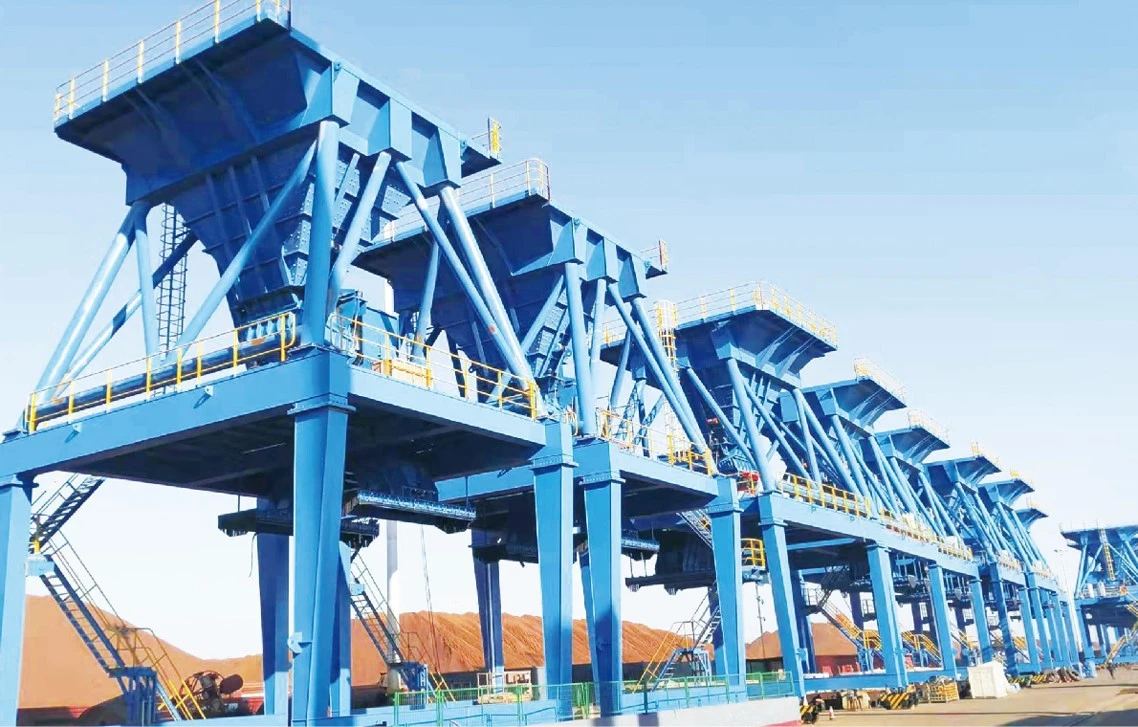
You make things safer with container gantry crane: auto gantry travel safety from CEGC. Automation helps lower the chance of load sway, crashes, and mistakes by workers. Sensors and live monitoring help stop accidents. Many ports use container gantry crane: auto gantry travel safety for steady work. See below how automation changes safety:
|
Port |
Automation Features |
Benefits Achieved |
|---|---|---|
|
Port of Rotterdam |
Fully automated RMG cranes |
|
|
Port of Hamburg |
AI-driven cranes with real-time yard management software |
More work done, steady results |
|
Port of Shanghai |
Better work speed, less waiting time |
Good example for smart port work |
-
Automation cuts down on crashes and dropped containers.
-
Collision detection systems make container gantry crane: auto gantry travel safety better.
-
Sensors help keep container gantry crane: auto gantry travel safety and safe lifting.
-
Container gantry crane: auto gantry travel safety keeps your site safe.
-
Container gantry crane: auto gantry travel safety meets top safety rules.
Key Takeaways
-
Automation helps stop accidents because it lowers load sway and human mistakes. This makes work safer at busy ports.
-
Collision detection systems and sensors make things safer. They stop crashes and help with safe lifting.
-
Regular maintenance and predictive maintenance keep cranes working well. This means less downtime and more trust in the cranes.
Safety Risks in Container Gantry Crane Operations
Load Sway and Collision Exposure
Operating container gantry cranes at busy terminals is risky. Heavy loads can swing in strong winds or fast moves. This swinging makes it hard to place containers exactly right. If you do not control the load, it might hit other things. Sometimes the crane boom hits ships or gantries. This happens when operators cannot see well or react fast enough. Many accidents involve containers falling or workers getting hurt by moving loads. Automation and collision prevention systems use sensors and live monitoring to help stop these dangers.
|
Description |
|
|---|---|
|
Load Dropping or Slipping |
Loads may fall if not checked or rigged right. |
|
Crane Collisions |
Not paying attention can cause crashes with machines or structures. |
|
Inadequate Visibility |
Blind spots and bad lighting make accidents more likely. |
Human Error and Environmental Hazards
You need to watch for mistakes and dangers from the environment. Most crane accidents happen because operators make errors. Workers who are not trained may drop loads or cause crashes. Weather brings more risks. Rain makes surfaces slippery. Fog makes it hard to see. Strong winds can make loads swing out of control. These dangers make terminals less safe. Automation and collision prevention systems help avoid many problems.
Marine Corrosion and Structural Fatigue
Crane operators work in tough marine places. Saltwater, humidity, and rain can cause rust on cranes. Over time, this weakens metal parts and causes fatigue. If you do not check and protect your crane, it could break during heavy use. CEGC makes container handling equipment with coatings and materials that fight corrosion. Regular maintenance and automation help find problems early. This keeps terminals safe and working well.
Automation Solutions to Improve Safety
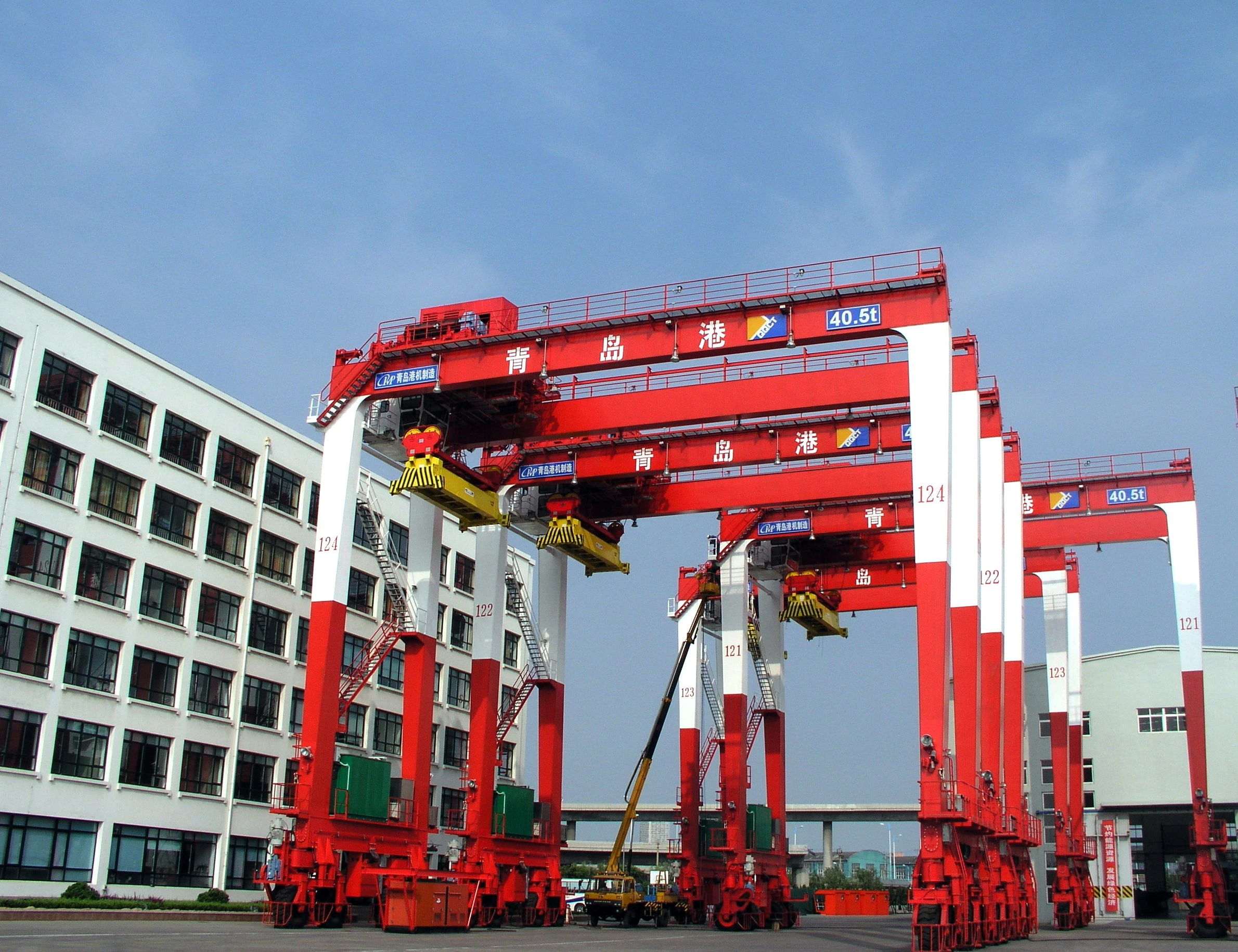
Automation makes safety easier at busy terminals. You use special machines and rules to lower risks. This helps your site work well. CEGC gives you container gantry cranes with standard features. You can also get custom options for your project. These tools help you stay safe, work faster, and follow safety rules.
Anti-Sway and Safe Lifting Control
Load sway and placing containers can be hard. Anti-sway systems use sensors and motors to keep loads steady. Feedback loops help the crane move the right way. The crane changes speed and position to stop swinging. This works even in strong wind or quick moves. This tech helps you follow safety rules and stop accidents.
|
Component |
Function |
|---|---|
|
Anti-sway systems |
Sensors and motors watch movement and fix sway. |
|
Load control systems |
Change hoist speed and position for safe lifting. |
Safety interlocks help too. These rules stop the crane if the load is not safe. They also stop the crane if it goes too far. This stops overloads and unsafe moves. HMI systems make controls simple for operators. You see alarms and updates clearly. This helps you follow safety steps every time.
Tip: Anti-sway and safety interlocks come with automated stacking cranes and container gantry cranes. You can pick sensor sets and safety features for your terminal.
Collision Avoidance and Object Detection
Collision avoidance keeps cranes and workers safe. You use sensors like laser radar, cameras, and sonar to watch around the crane. Signal processors and controllers check this data fast. If something is too close, actuators slow or stop the crane. These rules help you avoid crashes and follow right-of-way rules.
|
Safety Feature |
Function |
|---|---|
|
Stop crane-to-crane and crane-to-structure crashes. |
|
|
Laser sensors |
Find obstacles and set up safety zones. |
|
Watch for cars and people, stopping crane travel if needed. |
|
|
Automatic response |
Set off alarms, slowdowns, or emergency stops to stop accidents. |
You can set area limits and height checks to keep cranes safe. Dynamic path planning lets you change routes right away. These tools help you stay safe and follow safety rules all the time.
Remote Operation and Real-Time Monitoring
Remote operation keeps operators out of danger. You control cranes from a safe place with cameras and live monitoring. Automated machines track every move, so you always know what is happening. Safety systems watch for overloads, high winds, or unsafe things.
-
Automation lowers crash and drop risks by moving operators away from danger.
-
Sensors and AI give you better control and fast feedback.
-
Live monitoring and smart maintenance help you find problems early.
-
Digital twins and data help you plan repairs and improve safety.
|
Aspect |
Contribution to Accident Prevention |
|---|---|
|
Timely Alerts |
Quick warnings for fast action. |
|
Finds problems and makes machines more reliable. |
|
|
Data Analysis |
Sets normal levels and finds when repairs are needed. |
|
Remote Monitoring |
Watches for overloads and motor problems, stopping failures. |
You can pick your own monitoring points, alarm levels, and remote access. Fully automated systems work all day and night. This makes your site safer and more efficient.
Marine Durability and Predictive Maintenance
Terminals near the sea have tough weather. You need cranes that last a long time. CEGC cranes use special coatings, stainless steel, and cathodic protection to stop rust. Regular checks and easy designs help you do repairs and inspections.
-
Coatings protect cranes from salt and water.
-
Stainless steel and galvanized parts stop rust.
-
Cathodic protection keeps exposed parts from rusting.
-
Modular designs make repairs quicker and safer.
Predictive maintenance uses sensors and AI to find wear before things break. You plan repairs using real data, not just a set schedule. This cuts downtime and keeps machines running. Remote monitoring means fewer workers need to climb cranes, making things safer.
Note: Predictive maintenance and marine durability are part of CEGC’s standard rules. You can choose your anti-corrosion level, maintenance plan, and spare parts for your project.
Automation Solutions in Action
You see automation working at top terminals around the world. The Port of Rotterdam uses sensors and IoT for better awareness. The Port of Hamburg uses collision avoidance and vision tech for more safety. These rules help you meet world safety standards and make your site safer.
|
Automation Solution |
Description |
|---|---|
|
Sensor Integration and IoT |
Uses sensors for better awareness and control. |
|
Collision Avoidance Systems |
Stops accidents with anti-collision tech and virtual fences. |
|
Vision Systems and Computer Vision |
AI cameras line up loads and find obstacles for safe work. |
|
Enhanced Safety |
Automatic safety steps stop mistakes and unsafe moves. |
You can trust CEGC cranes and automated machines to work safely and well. Automation and safety systems help you follow safety rules and stay safe every day.
You will notice less accidents with CEGC cranes. These cranes work better and are more reliable. Anti-sway systems help keep loads steady and safe. Smart sensors watch for problems and help stop accidents. Regular maintenance keeps the cranes working well for a long time. New automation, AI, and IoT sensors make ports safer. In the future, ports will use smart transport and electric equipment. This will make work even safer and better for the environment.
FAQ
What makes CEGC container gantry cranes safer?
You have anti-sway control, collision sensors, and remote monitoring. These tools help stop accidents and keep your team safe.
Can you customize safety features for your terminal?
Yes! You can pick sensor sets, anti-corrosion levels, and maintenance plans. CEGC gives you what your project needs.
How does automation help reduce downtime?
-
You use predictive maintenance.
-
Sensors spot problems early.
-
You plan repairs before things break.


