
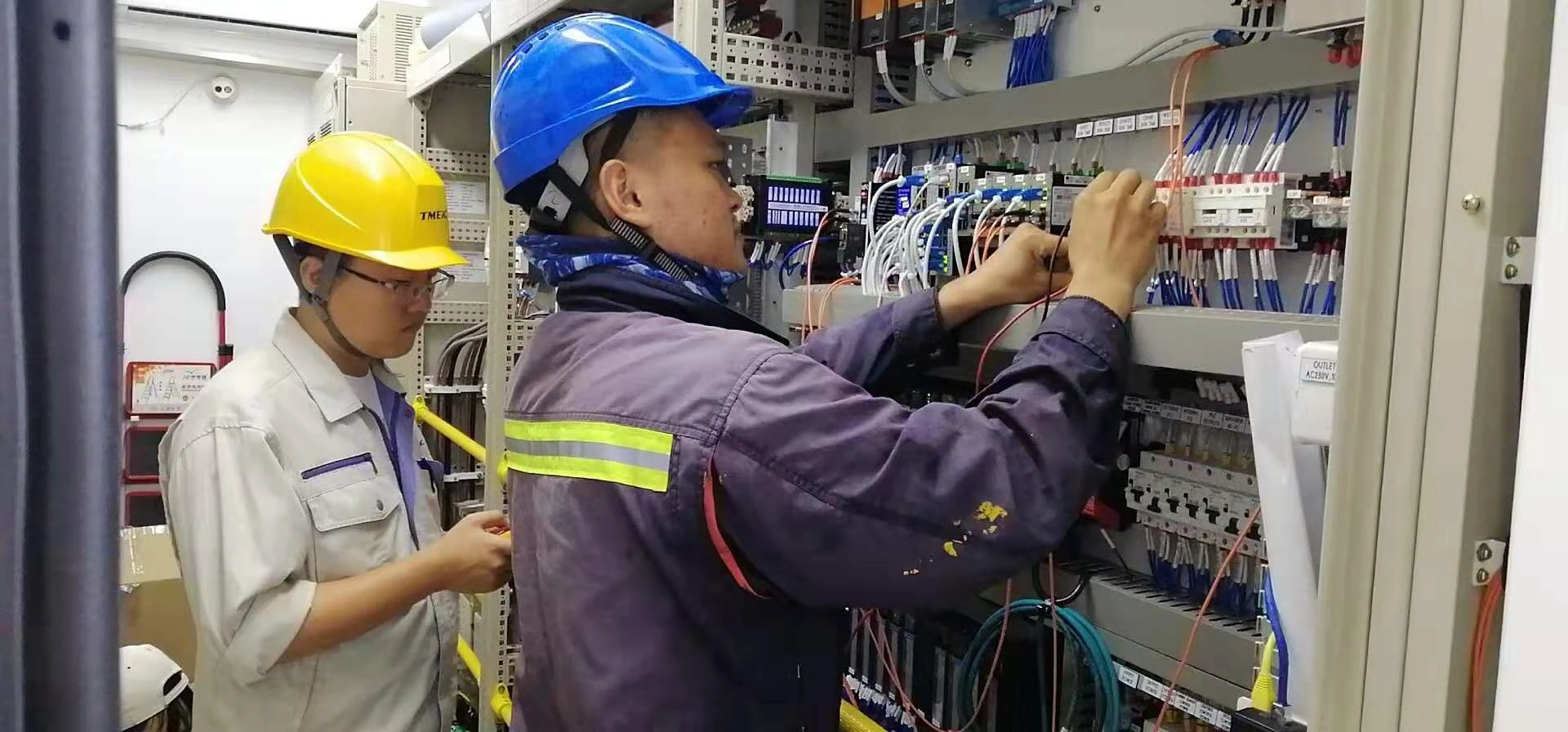
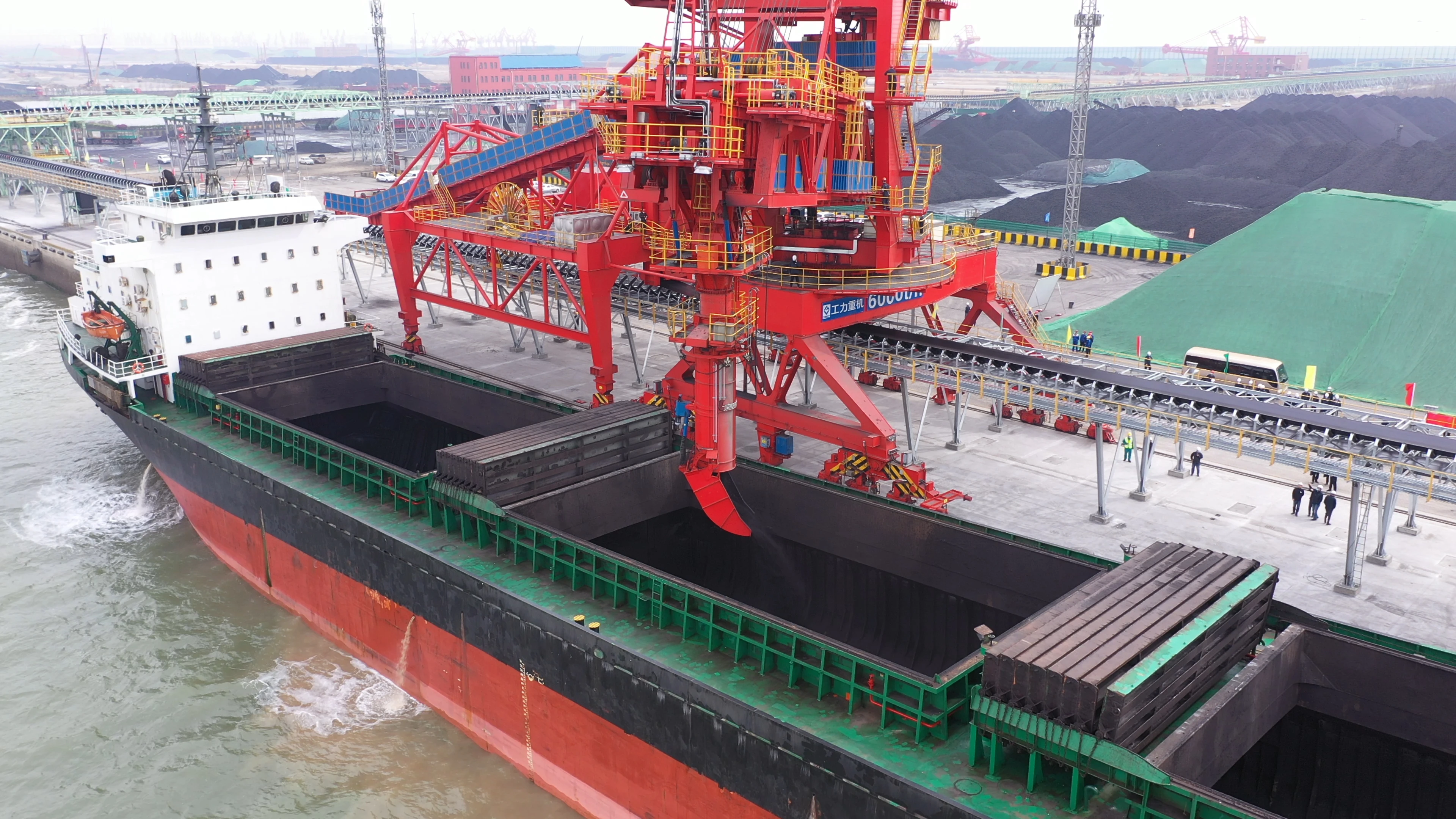
When it comes to port crane: remote ops vs on-board control, you face a significant decision. CEGC offers excellent solutions for both options. Factors such as safety, speed, cost, and operator comfort play a crucial role in your choice. The advent of remote control systems and automated crane systems is revolutionizing the way containers are handled in ports today.
Key Takeaways
-
Remote crane control makes work safer. Operators stay away from danger. They can see better and feel more comfortable. This helps them not get too tired during long shifts.
-
On-board crane control gives direct feedback. It lets workers react fast to changes. It works best for jobs that need close watching of heavy lifts.
-
Think about your port’s needs, like how much cargo you move and safety rules, before picking remote or on-board crane control systems.
On-Board Crane Control
Definition
On-board crane control means you work from a cabin on the crane. You sit inside and use joysticks, pedals, and screens to move the crane. This way is used for portal cranes, container cranes, and ship cranes. You can see the load and the area around you. Many ports still use this way for container gantry crane control because you control the crane directly.
|
Feature |
Description |
|---|---|
|
Anti-sway system |
This system helps stop the load from swinging when the crane moves. It makes the crane faster and safer. The system guesses how the load will move and changes the crane’s actions to help. |
|
Target positioning |
Operators pick where the load should go. The PLC moves the crane to the right spot. This makes operators less tired and helps them do more work. |
|
Programmable Logic Controller (PLC) |
The PLC is the main control part. It gets information from sensors and the operator. It controls the crane’s motors and safety parts. |
|
Safety mechanisms |
These are safety features that protect people, cargo, and the crane. The PLC manages these features to keep everything safe. |
Pros
On-board crane control lets you work fast and get a lot done. You can move loads quickly and finish jobs on time. New systems from CEGC have safety tools like anti-sway and collision prevention. These tools help stop accidents and keep workers safe. With container gantry crane control, you can use AI and machine learning to be more exact. These tools help you make good choices and keep things running well. Some jobs can be automated, so you can work longer without stopping.
Cons
-
You might not see everything, especially in busy ports.
-
Getting tired or distracted can cause mistakes during long shifts.
-
Even small mistakes can lead to big problems.
Typical Scenarios
You use on-board crane control when you need to watch heavy lifts closely. This way works well for container gantry crane control in older ports. You might pick it for loading ships, unloading, and building projects. CEGC’s safety and anti-sway systems make these jobs safer and more steady. You get the most out of it when you need to control the crane yourself and react fast to changes.
Remote Control Systems for Port Cranes
Definition
Remote control systems let you run cranes from far away. Operators sit in a safe room. They use computers, joysticks, and screens to move the crane. Cameras and sensors show many views of the crane and cargo. Commands and data travel fast through wireless or fiber optic links. You can control portal cranes, container cranes, and ship cranes without being on them.
Pros
Remote crane control makes work safer. You stay on the ground and away from danger. Control rooms are comfy, so you do not get tired fast. Cameras and sensors help you see better. You can switch between cranes quickly. One person can manage more than one crane. At Ningbo Port, remote control systems made work faster by 40%. Labor costs went down by 70%. Accuracy reached 99.8%. No operators got hurt in automated zones.
Cons
Remote crane control has some problems. Sometimes, video is blurry or too dark. Wireless signals can be slow or stop working. Operators need special training for remote control systems. Some people feel nervous because they are not near the crane. Starting costs are high, and the system is hard to set up. Bad connections can slow down data. You need skilled operators for tough sea weather.
Use Cases
|
Use Case |
Description |
|---|---|
|
Data Capture on Containers |
You use optical character recognition and RFID to track containers fast. |
|
Appointment Scheduling |
Truck drivers use phones to plan container pickup and swaps. |
|
Automated Mooring Systems |
These systems dock and undock ships quickly and safely. |
|
One operator runs many cranes at once, making work faster. |
You see remote control systems used for container handling equipment, container gantry crane control, and ship loading. Automated mooring and crane control help you work faster and safer.
Port Crane: Remote Ops vs On-Board Control
Safety & Anti-Sway
Safety is very important when you compare these two systems. Both remote ops and on-board control use advanced anti-sway technology. Automated anti-sway systems work with PLCs to help control the load. These systems stop the load from swinging too much. This makes lifts more exact and helps operators feel less tired. CEGC’s crane control adds many safety features. These include overload protection, emergency stops, and collision prevention. Remote ops keep you away from dangerous spots. On-board control puts you close to the load, so you need strong safety tools in the cab. Both ways meet market safety standards, but remote ops give extra safety by keeping you out of danger.
Efficiency & Throughput
You want your port crane to work fast and well. Cycle-time optimization helps a lot with this. CEGC’s crane control uses AI planning and motion coordination. This lets you move containers faster and make fewer mistakes. The table below shows how cycle-time optimization helps efficiency:
|
Feature |
Benefit |
|---|---|
|
Cycle-time optimization |
Makes scheduling better and increases throughput |
|
Advanced algorithms |
Uses AI to plan and smooth out crane work |
|
Reduced delays |
Cuts down on waiting and wasted moves |
|
Heuristic algorithms |
Gives crane jobs for best productivity |
|
Multi-objective problem |
Balances work speed, yard quality, and energy use |
Remote ops let you run more than one crane from one room. You can switch cranes and keep things moving. On-board control gives you direct feedback, but you might have more delays if you need to move or take breaks. Both ways support high throughput, but remote ops often do better in busy ports.
Cost & Labor
You need to think about cost and workers when you compare these systems. Remote ops change costs in many ways:
-
You see all port work as it happens, so you make better choices.
-
You get more value from your cranes and workers.
-
You need fewer people because machines and humans work together.
-
You work better with assisted moves and good planning.
-
You help truck drivers and staff work together at the right time.
On-board control needs more workers at the port. This can mean higher labor costs and more mistakes. Remote ops lower these costs and let you use your team in smarter ways. CEGC’s crane control works with both ways, so you can pick what fits your port best.
Operator Experience
You want your operators to be safe and comfortable. The table below shows how operator experience compares:
|
Feature |
On-board Crane Control |
|
|---|---|---|
|
Operator Environment |
Safe, away from danger |
In the crane, near moving loads |
|
View and Visibility |
Cameras, zoom, and screenshots |
Small view from the cab |
|
Comfort and Ergonomics |
Office-like, less tiring |
Harder on the body, less comfy |
|
Safety |
High, low risk of damage |
More risk because you are close |
|
Control Interface |
Joysticks, touch panels, monitors |
Old-style controls in the cab |
Remote ops give you a better view and a safer, comfier place to work. On-board control gives you direct feedback, but you may get tired faster. CEGC’s crane control systems are made for operators in both setups, with clear alarms and easy controls.
Maintenance & Reliability
You need cranes that work well all the time. Predictive maintenance helps you stop problems before they start. CEGC’s crane control uses sensors and real-time checks. You get updates on equipment health right away. IoT sensors and data help you plan repairs early. This saves money and keeps cranes working longer. Remote ops make it easy to check data from anywhere. On-board control lets you see problems up close, but you might miss early signs without good monitoring. Both ways support strong cranes and custom plans for your port.
Tip: Pick a crane control system with strong safety, predictive maintenance, and cycle-time optimization. This will help your port work better and stay safe.
Automated Crane Systems & Future Trends
Integration with Terminal Workflows
Ports are changing quickly because of automated crane systems. These systems use ai-driven automation to make moving containers safer and faster. You can connect cranes to your Terminal Operating System (TOS) and Equipment Control System (ECS). This helps you send jobs to cranes when you need them. Smart ports use IoT devices to collect data and make a digital twin of the port. You can watch how things work and fix problems before they stop you. When you link cranes with your TOS and ERP, you can make better choices and keep cargo moving.
Note: You should plan for spending money and check if your new systems work with your old ones. Bad weather and busy ports can still slow things down, so remember these problems.
Customization & Scalability
You want your port to grow and handle more cargo. Automated crane systems let you add more cranes as you need them. You can pick cranes with the right size, reach, and speed for your port. The table below shows what you should think about when you choose a system:
|
Factor |
Description |
|---|---|
|
Capacity & Load Handling |
Pick bigger capacities for larger ships and more cargo. |
|
Reach & Span |
Make sure the crane can cover the area you need. |
|
Operational Speed |
Faster cranes help you load and unload quickly. |
|
Automation & Technology |
Choose the right amount of automation for your work. |
|
Safety Features |
Look for strong safety and backup systems. |
|
Energy Efficiency |
Save energy and meet green rules. |
|
Vendor Support & Service |
Get good help for long-term use. |
|
Cost & Ownership |
Think about both the price and how much it costs to run. |
Ports in Europe and China use these systems to move more containers and work more safely.
Industry Adoption
More ports around the world are using automated crane systems. Global trade is growing, so ports need to move more cargo faster. Many ports buy new cranes and upgrade their old ones. Automation and remote control help you save money, lower labor costs, and work all day and night. The table below shows some results from ports that use these systems:
|
Key Insights |
Details |
|---|---|
|
US$ 80,000 |
|
|
Labor Cost Reduction |
70% |
|
Handling Efficiency Increase |
50% |
|
Carbon Emissions Decrease |
10% |
|
Operational Capability |
24/7 |
Automated crane systems help you keep up with bigger ships, more cargo, and higher safety standards. CEGC is ready to help you use these solutions and get ready for the future.
Choosing the Right Crane Control Solution
Assessing Port Needs
You have to think about your port’s size and how much cargo you move. Look at what cranes you use and how often you use them. Think about the weather and where your port is. Remote control systems can help ship-to-shore cranes work better and safer. You need to watch out for cybersecurity risks and make sure your connections are strong. Starting costs can be high and may change your budget. You should check if your operators know how to use new systems. Maintenance is important too. If your port has rough sea weather, you might need more training and support for your team.
-
How much cargo you move and ship size
-
How often you use cranes and how hard they work
-
Weather problems like wind or salt in the air
-
Training for operators and how to keep cranes working
Key Decision Factors
You should pick what matters most for your port. Safety, speed, and cost are very important. Training helps your team use new systems the right way. Good maintenance keeps cranes working well. You need to choose if remote control or on-board control fits your work best. Remote control systems help operators feel less tired and work in a comfier place. On-board control lets you feel what the crane does but may need more training. Maintenance needs can change depending on the system you pick.
|
Factor |
Remote Ops |
On-Board Control |
|---|---|---|
|
Operator Training |
High |
Moderate |
|
Maintenance Requirements |
Advanced |
Standard |
|
Safety |
Enhanced |
Direct |
|
Efficiency |
High |
Variable |
CEGC Customization Options
You can change your crane setup with CEGC. Pick the right size, reach, and how much automation you want. CEGC can help with special training and maintenance plans for your team. You get help for both remote and on-board systems. CEGC helps you find the best crane for your port. You can choose anti-corrosion parts and how hard the crane works. CEGC makes sure your training and maintenance plans match your needs.
Tip: Work with CEGC to make a crane setup that fits your port. You get expert help for training and maintenance.
You notice good things when you look at remote ops and on-board control for port cranes. Remote systems make work safer and help you get more done. Automated solutions cut labor costs and help move cargo faster. You need to think about how much cargo you want to handle, your budget, and safety rules. CEGC helps you pick crane solutions that fit your port.
FAQ
What is the main benefit of remote crane control?
You stay safe in a control room. You see more with cameras. You work longer with less stress.
Can you switch from on-board to remote crane control easily?
You can upgrade your system with help from CEGC. Training and support make the change smooth.
How does CEGC help with maintenance?
You get predictive maintenance tools. These tools help you find problems early. Your cranes work longer and cost less to repair.


