
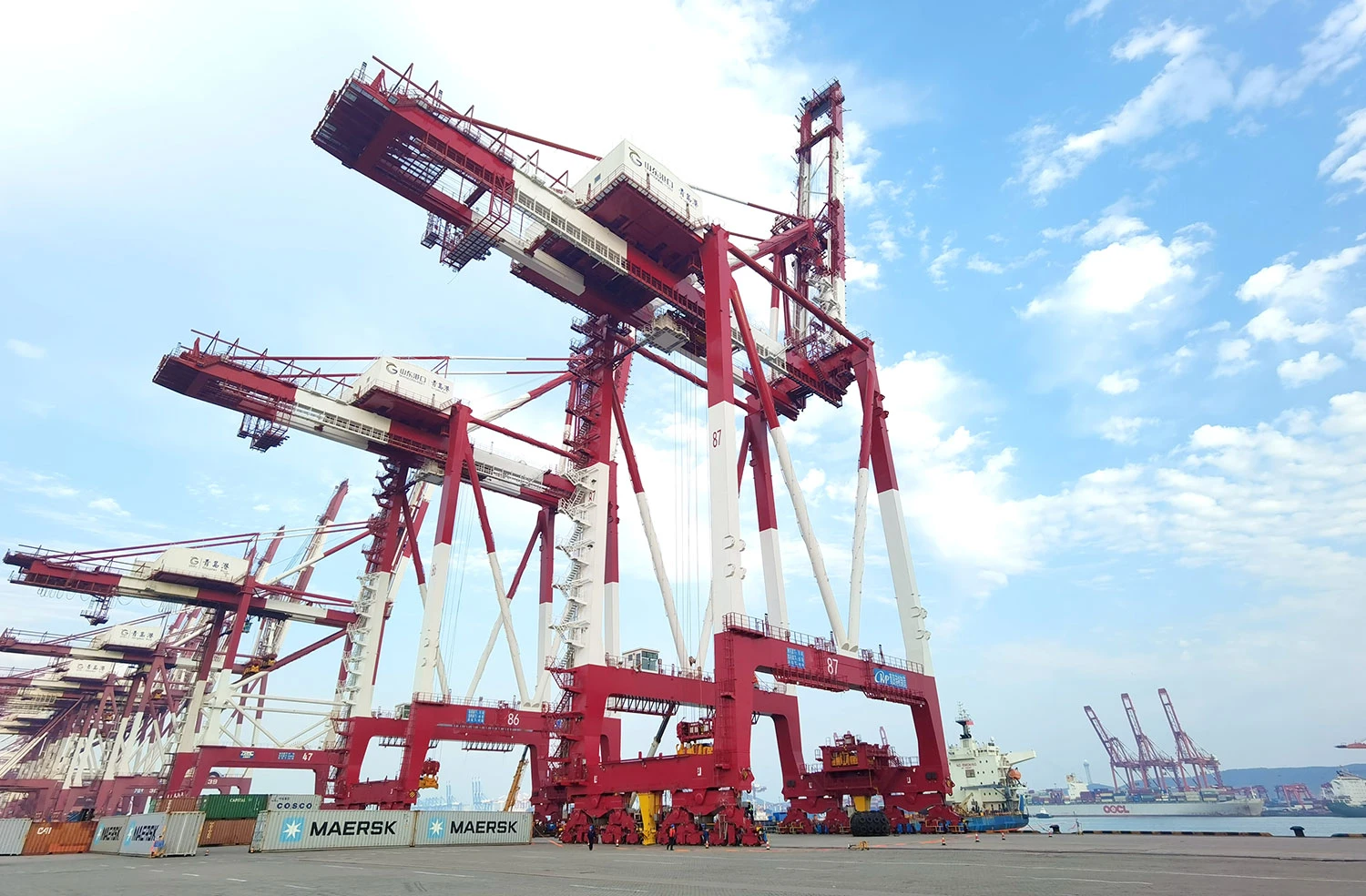
You can stop wind sway in storms by using special wind protection systems and anti-sway technology from CEGC. These systems help lower swinging and keep loads steady. The table below lists important wind speed limits for safe use of container gantry crane: wind sway control in storms.
|
Wind Speed Threshold (m/s) |
Description |
|---|---|
|
17 |
Cranes in ports can work up to this speed |
|
15 |
Ship-to-shore cranes should not go past this |
|
35 |
Ship-to-shore cranes must stop at this speed |
-
Anti-sway systems stop damage and dropped loads. They make your work safer and help you work better.
Key Takeaways
-
Wind protection systems and anti-sway technology help keep loads steady in storms. This makes things safer and lowers the chance of accidents.
-
Always make sure your crane is safe before a storm. Move it to a safe spot, use wind protection tools, and check all safety systems to stop damage.
-
Watch wind speeds live with anemometers. This helps you react fast to changing weather and keeps the crane safe.
Immediate Protection and Stability Measures
Crane Parking and Securing for Storms
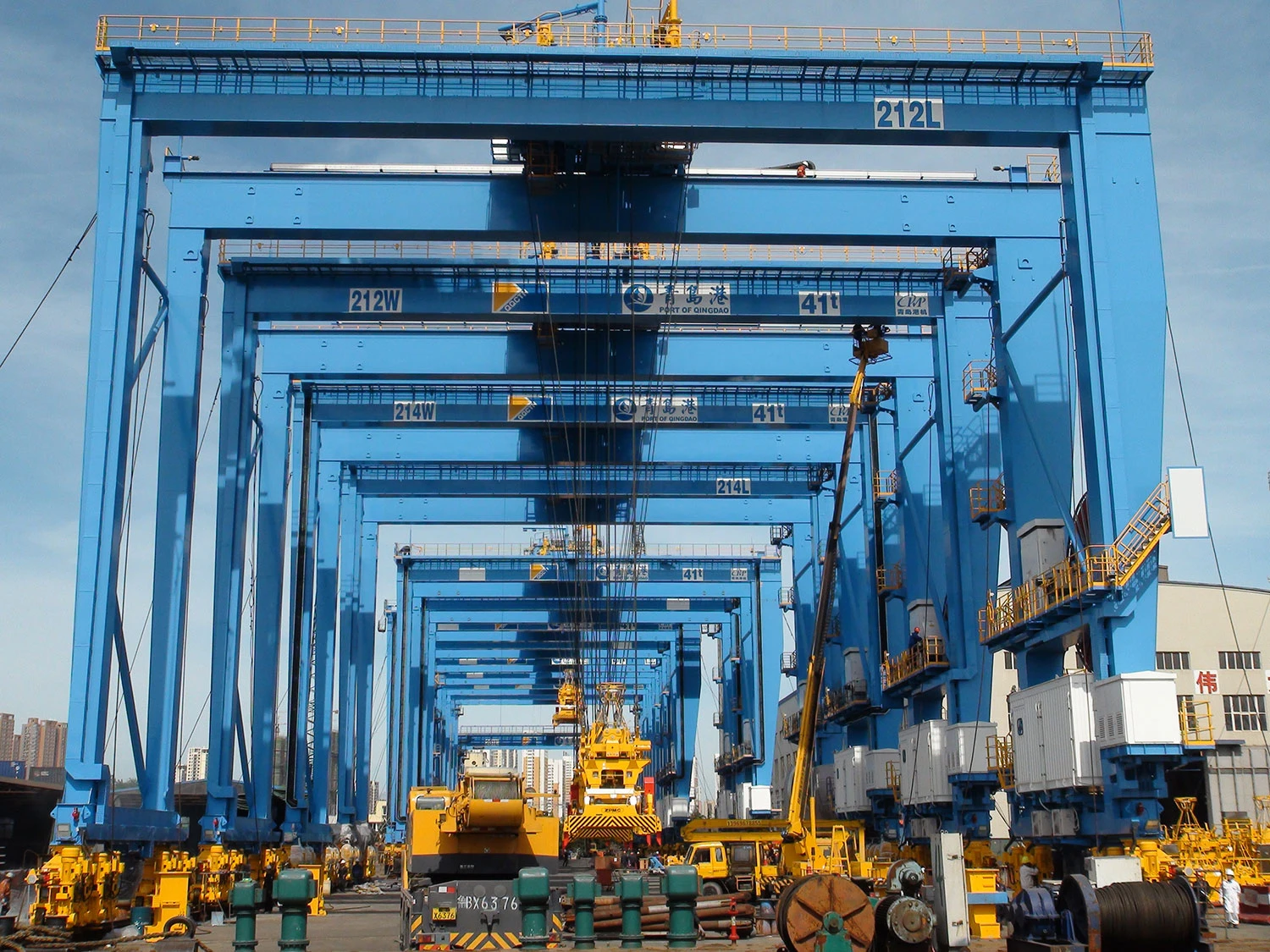
You need to park your container gantry crane in a safe spot before a storm. Move the crane to a special pier or anchoring area. Never leave it in the middle of the rails. This helps stop sliding or tipping. Always use wind protection systems to keep the crane still. These systems have rail clamps, wheel brakes, iron shoes, and anchors. Lock all these devices before the wind gets strong.
You must secure power cables and turn off the main power. This keeps the crane safe from power surges during storms. Take away any loose tools or trash from the crane deck. Check clamp pressure and oil levels. Make sure all safety interlocks are on. These interlocks stop the crane from moving when wind alarms go off. Tie-down cables should be tight and hooked to the right anchors. Write down every step in the safety log before you leave.
Portal cranes and container handlers have different storm steps. Gantry cranes use wind ropes, anemometers, and anchoring systems. You fasten the crane with iron boots and cable wind ropes before storms. Portal cranes and container handlers do not have as many storm steps as gantry cranes.
Tip: Always check the crane structure and weld joints for cracks or rust before and after storms. This keeps your equipment safe and ready.
Emergency Shutdown and Tiedown Systems
When a storm warning sounds, you must act quickly. Use wind protection systems to shut down the crane and tie it down. Turn on all rail clamps and wheel brakes. Lock iron shoes and anchors. Start the anemometer or wind alarm system. Make sure it sends alerts the right way. Turn off the main power to stop electrical dangers.
You also need to check that all tie-down cables are tight. These cables keep the crane from moving in strong winds. Make sure interlock circuits work. These circuits stop the clamps or brakes from letting go during storms. This keeps your crane safe even if someone tries to move it by mistake.
Here are the steps for emergency shutdown and tie-down:
-
Move the crane to a safe anchoring area.
-
Turn on all windproof devices.
-
Secure power cables and turn off main power.
-
Start wind alarms.
-
Take away loose items from the crane.
-
Check clamp pressure and oil levels.
-
Make sure interlocks are on.
-
Tighten tie-down cables.
-
Write down all steps in the safety log.
You should always follow these steps to keep your crane safe and steady.
Wind Protection Systems for Container Gantry Cranes
Wind protection systems help keep your crane safe during storms. These systems have different devices. Each one helps protect your equipment and your team.
|
Type of System |
Description |
Pros and Cons |
|---|---|---|
|
Manual rotating rail clamp |
Simple and easy to use. Good for small cranes. |
Low cost, easy to fix, but needs a person to use it. |
|
Electric rail clamp |
Motor-driven. Fast locking and unlocking for medium cranes. |
Quick and automatic, but needs regular care and power. |
|
Electro-hydraulic rail clamp |
Works by itself when power goes out. Used for big cranes. |
Most reliable for storms, but costs more and is more complex. |
|
Track-pressing system |
Locks wheels to rail or ground for extra safety. |
Extra safety, may need more systems for very bad weather. |
|
Wind rope or cable tie-down |
Anchors crane to ground or columns. Used in temporary yards. |
Early warning and extra safety in bad weather. |
|
Anemometer |
Checks wind speed and sets off alarms or shutdown. |
Needed for safety, especially near the sea. |
|
Anchoring system |
Holds crane frame to concrete bases for long parking. |
Stops tipping over in storms, keeps things safe and steady. |
You will see manual and electro-hydraulic rail clamps at the four corners of the crane legs. Wind ropes are fixed at the center of the bottom beam or near the bogie area. Anemometers are put on the top beam or operator's cabin. Anchoring systems are set in the concrete under the crane rail.
Wind protection systems also use safety interlocks. These interlocks make sure clamps or brakes cannot let go when wind alarms are on. This keeps your crane locked down in strong winds.
You should always check your wind protection systems before storm season. Regular care helps your equipment stay strong in bad weather. Operators must watch wind speeds and follow all safety steps. Rain and ice can make things slippery, so be extra careful.
CEGC gives you market-standard wind protection systems for container gantry cranes, portal cranes, and container handlers. You can pick from different types and change them for your project. You can add more sensors, safety interlocks, or anchoring choices. This helps you meet your port’s needs and keep your cranes safe.
Anti-sway systems also help you control load movement during storms. These systems work with wind protection systems to keep your crane steady and your team safe.
Note: Always teach your staff how to use wind protection systems and anti-sway systems. Practice emergency steps before a real storm comes.
Anti-Sway Control and Best Practices for Crane Safety
Assisted and Active Anti-Sway Systems
You can make container gantry crane: wind sway control in storms better by using assisted and active anti-sway systems. These systems help keep the load steady when strong winds hit your port. Modern cranes use fuzzy-tuned PID controllers. These controllers change quickly when wind loads or dynamic loads shift. You get more control over the container. This means less swinging and more accurate placement.
Active anti-sway systems use sensors and smart control algorithms. These tools check the load’s position and movement. The system tells the crane how to move to stop swaying. You can count on these systems to react fast and keep your crane stable. CEGC lets you pick the right anti-sway technology for your port. You can add safety backups to lower accident risks.
Passive sway control uses fixed hydraulic parts. This method works slower than active systems. Active heave compensation uses controlled actuators for quick changes. You get faster response and better stability with active systems. Many ports use both types for the best results.
Tip: Use anti-sway systems with storm locking devices. This gives more protection and keeps the crane steady during storms.
Operator-Centered Controls and Safety Interlocks
You need simple controls to keep your team safe. Operator-centered human-machine interfaces (HMI) show real-time data about the crane and load. These systems lower accident risks by controlling load movements. You can focus on important jobs while the system handles load sway control. This helps you work longer without mistakes and reduces tiredness.
Safety interlocks stop the crane from moving if something goes wrong. These interlocks work with wind alarms and anti-sway systems. If wind loads get too high, the system locks the crane and stops all movement. You can trust these safety steps to keep your team and equipment safe. CEGC lets you change these features for your workflow. You can add more sensors, alarms, or safety zones if needed.
Note: Modern safety systems do not depend only on perfect human actions. Automatic anti-sway and interlocks make cranes more stable and lower collision risks.
Real-Time Wind Monitoring and Response
You must watch the weather to keep your crane safe. Real-time wind monitoring systems use anemometers and weather apps. These tools send alerts when wind speeds go up. You can stop lifting and start storm steps before things get dangerous. The system sends alerts to both technicians and managers. This helps you act fast and avoid accidents.
The table below shows how real-time wind monitoring helps you respond to storms:
|
Evidence |
Description |
|---|---|
|
Monitoring Local Meteorological Forecasts |
You check weather to get ready for storms. |
|
Continuous Notifications |
Anemometers and apps send alerts to your team all the time. |
|
Prompt Warnings |
Early alerts let you stop work and secure the crane before storms hit. |
You must turn on the wind alarm system and check it before every shift. This is a key part of safety steps for container gantry crane: wind sway control in storms.
Best Practices for Crane Safety and Collision Prevention
You can follow best practices to keep your crane safe and steady. Always follow command signals. Set all controls to zero if you lose power. Stop all work during thunderstorms or when wind speeds are too high. Install storm locking devices and tie-downs to stop crane movement in strong winds.
You should check brakes and anchor points often. Use storm locking devices and anti-sway systems together for the best safety. After a storm, do an inspection. Look for damage to the structure and weld joints. Test the crane with no load before starting work again. Recalibrate electrical and hydraulic systems. Tighten all anchoring cables and check foundation bolts.
The table below shows what to do in different conditions:
|
Condition |
Recommended Action |
|---|---|
|
Normal Working Conditions |
Stop crane on level track, set travel limit switches, use wheel locks, check clamps daily. |
|
Typhoon or Storm Preparation |
Move crane to safe zone, turn on all windproof devices, disconnect main power. |
|
Post-Storm Inspection |
Check structure, test crane with no load, recalibrate systems, tighten cables. |
You can make crane operations safer and steadier by following these steps. CEGC gives you market-standard wind load resistance and safety steps for every container gantry crane: wind sway control in storms project. You can also add anti-sway and wind protection systems to your terminal workflow for better stability and fewer accidents.
Alert: Always train your team on safety steps and storm preparation. Practice emergency steps before a real storm comes.
You can protect your container gantry crane during storms with wind protection and anti-sway systems. It is important to check your crane often.
|
Key Component |
|
|---|---|
|
Clamps |
Look for damage, loose bolts, and make sure they lock. |
|
Hydraulic seals and cylinders |
Watch for leaks or if pressure drops. |
|
Anchors and tie-downs |
Make sure cables and bolts are tight and not rusty. |
-
OSHA says operators should get trained, certified, and practice storm drills.
-
Training after storms helps stop equipment from breaking.
When you care about safety and keeping things working, you help ports avoid big delays and keep world trade going.
FAQ
What should you do if a storm warning is issued at your port?
You should stop crane operations, secure all equipment, and follow emergency procedures. Always check wind protection systems before a storm to keep your team and crane safe.
How do anti-sway systems help during a storm?
Anti-sway systems reduce load movement when a storm hits. You get better control and less risk of accidents. These systems work with wind protection for extra safety.
Can you use a container gantry crane during a storm?
You should never use a container gantry crane during a storm. Always park and secure the crane before a storm. Wait until the storm passes and check for damage before restarting.
Tip: Always train your team on storm safety steps. Practice storm drills often to stay ready.


