

You work in hard marine conditions. Sea spray can harm your crane’s important systems fast. Use the Ship crane: sea spray protection checklist to help stop rust and prevent expensive delays. CEGC gives solutions that guard your equipment and keep your work safe and running well.
Key Takeaways
-
Find weak crane parts like structural steel and electrical systems. Check these parts often to stop rust and harm.
-
Use special coatings for the sea and seal all joints. This keeps saltwater out. It helps your crane last longer and lowers repair costs.
-
Add the sea spray protection checklist to daily work. Check it often and ask your team for ideas. This makes work safer and faster.
Ship crane: sea spray protection checklist essentials
Key vulnerable components
It is important to know which crane parts get hurt by sea spray. Saltwater can harm many spots very fast. Watch these main parts:
-
Structural steel beams and frames
-
Mechanical systems, like bolts and fasteners
-
Hydraulic fittings and joints
-
Electrical wiring and enclosures
These parts are often out in the open on container cranes, cargo cranes, and portal cranes. Marine-grade coatings help some, but you must check them often.
Electrical and control system protection
Salt spray can make electrical parts stop working. You need to keep wiring, control panels, and sensors safe. Use marine-grade wiring and sealed boxes. Look for rust or water inside panels. Clean and check connections a lot. If you use the Ship crane: sea spray protection checklist, you lower the chance of sudden problems.
Tip: Keep extra parts for electrical systems nearby. Fast swaps help you stop long waits.
Hydraulic and pneumatic system sealing
Hydraulic and pneumatic systems help your crane move. Salt can make leaks and rust happen. Seal all fittings and joints well. Put anti-rust coatings on pipes and cylinders. Check hoses for cracks or damage. The Ship crane: sea spray protection checklist tells you to look at these spots before every shift.
Safety devices and operational aids
Safety devices protect your team. Limit switches, overload sensors, and emergency stops must work when wet. Cover these devices and clean them often. Test alarms and interlocks a lot. You make things safer and more reliable when you add these checks to your routine.
Protection measures and technical solutions
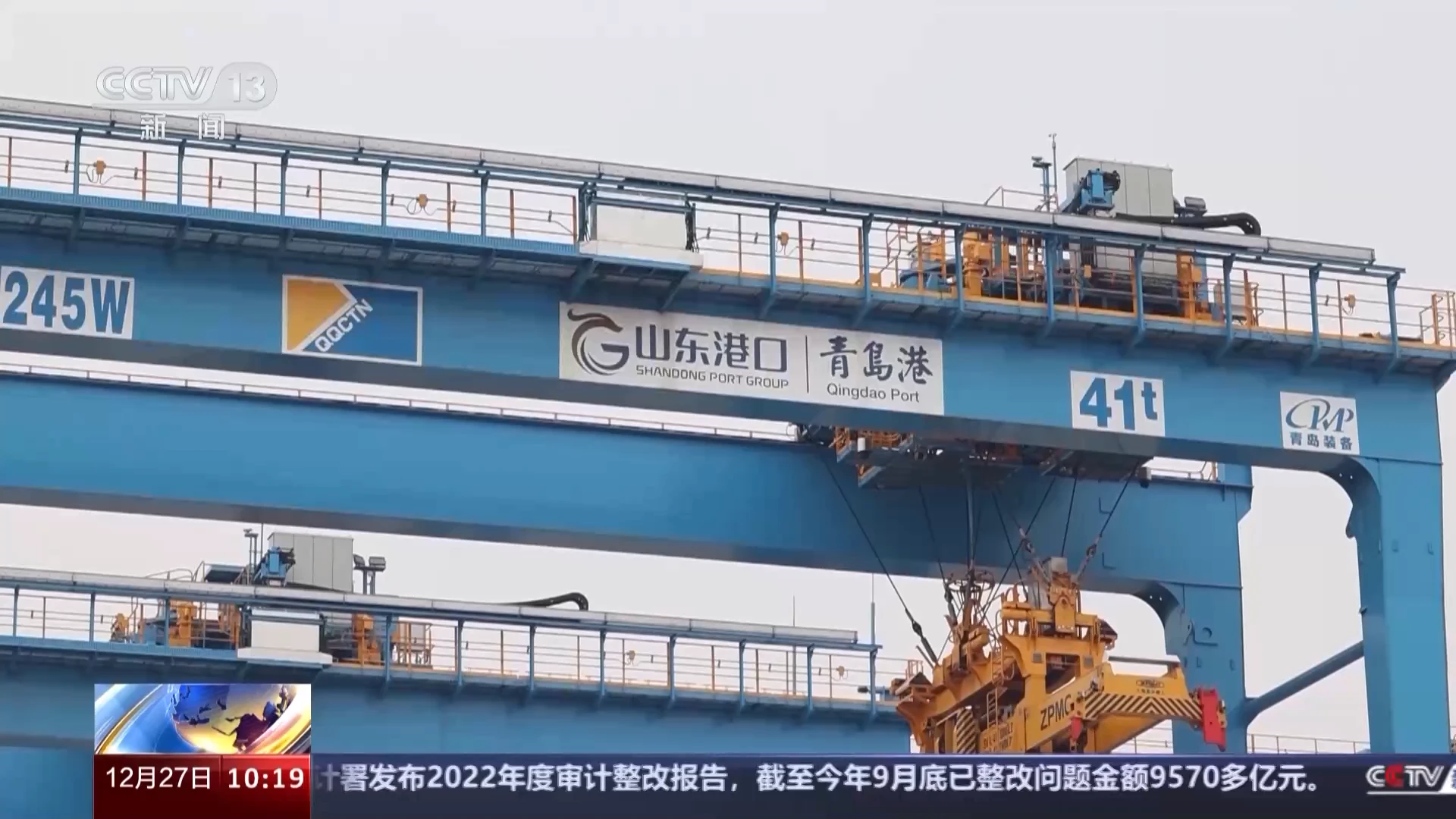
Anti-corrosion coatings and sealing
You need strong coatings and seals to keep your ship crane safe from sea spray. Saltwater can make rust and damage happen fast. Use the right anti-corrosion coatings for each crane part. These coatings help stop rust and make your crane last longer. Here are some top coatings you can use:
|
Coating Name |
Features |
Protection Duration |
|---|---|---|
|
Amercoat® 2162 |
Gives both corrosion and antifouling protection in one layer. |
|
|
Amercoat 2161 |
Semi-ablative, inorganic coating with strong performance. |
Long-term corrosion resistance |
|
Amercoat 2409 |
Durable, polymer-based coating for maintenance work. |
Long durability |
|
Bar-Rust |
Water-based, hard coating for rusty areas. |
Long-term protection |
|
Devran 234QC |
High-performance coating for outside hulls and tanks. |
Outstanding durability |
You should seal all joints, electrical boxes, and hydraulic fittings. Good sealing keeps water and salt out. This step is important in the Ship crane: sea spray protection checklist.
Regular inspection and cleaning
You need to check and clean your crane often. Salt and dirt can build up quickly in the air. Cleaning removes salt that causes rust. Regular checks help you find problems early. Here is a simple table to show how often you should do each task:
|
Frequency |
Maintenance Task |
|---|---|
|
Daily |
Look for damage, leaks, and wear. Clean off salt. |
|
Weekly |
Grease moving parts and check for rust. |
|
Monthly |
Test emergency stops and check electrical parts. |
|
Seasonal |
Inspect seals, add oil, and check batteries. |
|
Annual |
Take apart and check the whole crane. Use special tests on main parts. |
Cleaning your crane is very important. Saltwater is harsh and can hurt your crane fast. By cleaning and using anti-corrosion coatings, you lower the risk of rust and keep your crane strong. Make these steps part of your Ship crane: sea spray protection checklist.
Predictive maintenance and monitoring
You can use smart tools to watch your crane’s health. Predictive maintenance helps you fix problems before they stop your work. You can use sensors and monitors to check many things, such as:
-
Motor temperature
-
Vibration in the hoist motor
-
How much you use the crane
-
Load and overload checks
-
Motor brake faults
-
Real-time updates on your phone or tablet
These tools give you data to plan repairs and avoid sudden breakdowns. You can also use vibration analysis, oil checks, and thermal cameras to spot trouble early. Using these tools together gives you a full view of your crane’s health. This is a smart part of any Ship crane: sea spray protection checklist.
Compliance with safety standards
You must follow safety rules and standards for your crane. CEGC gives technical solutions to help you meet these needs. For example, anti-sway systems keep loads steady, and collision prevention uses sensors to stop accidents. Here is a quick look at some solutions:
|
Solution Type |
Description |
|---|---|
|
Anti-sway systems |
Keep loads stable and reduce swinging. |
|
Safety interlocks |
Stop unsafe moves and keep workers safe. |
|
Sensor integration |
Use sensors to see blind spots and improve safety. |
|
Collision prevention |
Use radar, lidar, and cameras to avoid crashes. |
|
Intelligent decision support |
Use smart tools to spot dangers and lower risks. |
|
Smart anti-sway technology |
Adjust crane moves to cut down on load swing and boost safety. |
You should always check that your crane meets local and international rules. This keeps your team safe and your crane ready for work. Add these checks to your Ship crane: sea spray protection checklist for best results.
Building and customizing your checklist
Assess crane type and environment
Start by looking at what kind of crane you have. Think about where you use your crane. Each crane has different risks. Tower cranes need special checks for building sites. Mobile cranes work in many places, so their lists must change. Overhead cranes in warehouses have their own needs too. Use this table to help match your checklist to your crane:
|
Crane Type |
Specific Requirements |
|---|---|
|
Tower Cranes |
Construction environments |
|
Mobile Cranes |
Various operational conditions |
|
Overhead Cranes |
Warehouse operations |
You should also follow rules like OSHA, ASME, and CMAA. These rules help make your checklist complete.
Organize by inspection frequency
Sort your checklist by how often you do each task. Daily checks find quick problems. Weekly and monthly checks find bigger issues. Teach your team to look for trouble. Safety should always come first. Regular checks help you cover all important parts.
Assign roles and responsibilities
Clear jobs help your team work better. Operators use the crane safely. Riggers get loads ready to lift. Signal persons guide the operator. Lift directors watch over the whole job. Use this table to show who does what:
|
Role |
Responsibility |
Best Practice |
|---|---|---|
|
Operators |
Safe, efficient operation |
Train all operators well |
|
Riggers |
Prepare and secure loads |
Use clear team communication |
|
Signal Persons |
Direct crane operator |
Define each team member’s role |
|
Lift Directors |
Oversee lifting and safety |
Hold regular safety training |
Use clear, actionable items
Write each checklist step so everyone can follow it. Use easy words. For example:
-
Look at all bolts for rust.
-
Wipe salt off control panels.
-
Try the emergency stop buttons.
-
Check hydraulic hoses for leaks.
A clear Ship crane: sea spray protection checklist helps your team keep cranes safe and ready.
Implementation, review, and updates
Integrate into daily operations
You should make the Ship crane: sea spray protection checklist part of your daily routine. Place the checklist in a spot where your team can see it. Train everyone to use it before and after each shift. When you follow the checklist every day, you catch problems early. This keeps your ship crane safe and ready for work.
Monitor compliance and performance
Track how well your team follows the checklist. Use a simple log sheet or a digital app to record each inspection. Review these records weekly. If you see missed steps, talk with your team. Remind everyone why each check matters. Good records help you spot trends and fix issues fast.
Schedule regular reviews and updates
Set a time each month to review your checklist. Look at your inspection logs and see if you need to add or change any steps. If you get new equipment or work in a new place, update your checklist. Regular reviews keep your process strong and up to date.
Gather feedback and improve
Ask your team for feedback. They know what works best in daily use. Hold short meetings to hear their ideas. Use their feedback to make your checklist better. When you listen to your team, you build a safer and more effective system.
Tip: Celebrate when your team finds and fixes problems early. This builds good habits and keeps everyone motivated.
You can keep your ship crane safe from sea spray if you do these things: First, find out what parts are at risk. Next, use the right technical solutions to protect them. Make sure you use your checklist often and update it when needed.
Trust CEGC’s knowledge. Begin making your checklist better today. This helps your equipment stay safe and last longer.
FAQ
What is the most important step in sea spray protection?
You must check and clean your crane often. This step helps you find rust and damage early.
How often should you update your sea spray protection checklist?
You should review and update your checklist every month or when you change equipment or location.
Can you use regular paint instead of marine coatings?
-
No, you should use marine-grade coatings.
-
These coatings last longer and protect better in salty air.


