
You have big problems when container handler blind spots in tight lanes mess up port work. Accidents and slowdowns often happen in crowded places. This is because it is hard to see, people do not talk well, and operators get tired. These things make mistakes happen more. CEGC gives you better container handling equipment to help with these risks and make things safer.
Key Takeaways
-
Container handler blind spots in tight lanes can cause accidents. Knowing about these blind spots is very important for safety.
-
Using new technology like cameras and sensors can help a lot. These tools make blind spots smaller and help operators see better.
-
Safety steps like training, traffic plans, and alerts can stop accidents. These steps make the workplace safer for everyone.
Container handler blind spots in tight lanes
Common blind spots in port operations
You deal with many problems from container handler blind spots in tight lanes. These blind spots make it hard to see other vehicles, workers, or things in your way. Forklift blind spots are often right in front when you carry a load. They also show up behind the forklift when you back up. Turning or moving in narrow aisles creates blind spots on both sides. Lifting tall loads causes overhead blind spots.
Reach stackers and straddle carriers bring extra risks. Blind spots above and around the load make crashes more likely. Straddle carriers have big side and rear blind spots because they are tall. You might not see port workers nearby, which can cause accidents.
Tight lanes make container handler blind spots in tight lanes even worse. The table below explains how these lanes affect what you notice:
|
Impact |
Description |
|---|---|
|
Blind Spots |
Limited viewing angles hide vehicles or objects, raising crash risk. |
|
Reduced Ability to Judge Distance and Speed |
Blocked views make it hard to judge speed and distance. |
|
Compromised Peripheral Vision |
Thick pillars block your side vision. |
|
Increased Reliance on Mirrors and Technology |
You depend more on mirrors and cameras. |
|
Challenges in Multi-Lane Roads |
Watching several lanes gets confusing. |
CEGC builds container handling equipment with features that help you handle container handler blind spots in tight lanes. Multi-angle camera systems and human-form recognition help you notice dangers. These systems warn you about risks right away.
Mapping tools help you find blind spots in container terminals. Heatmaps show busy areas. GIS integration mixes density numbers with maps to spot crowded places. Occupancy sensors give you live data about space use.
Forklift blind spots and operator challenges
Forklift blind spots cause lots of trouble for operators. Bad visibility at blind corners and loading docks makes accidents more likely. You may not see people walking, which raises the chance of crashes. Sometimes, accidents happen because systems fail, not just because of mistakes.
You need to stay alert to container handler blind spots in tight lanes. CEGC’s container handling equipment uses smart camera systems to cut down forklift blind spots. These systems help you see better and avoid accidents. You can count on these solutions to make your work safer and easier.
Managing blind spots: risks and solutions
Safety risks and collision exposure
If you do not manage blind spots, you face many risks. These risks can cause bad injuries and expensive problems. Blind corners in a port or warehouse are dangerous. You and people walking cannot see each other. This means you have less time to react. The chance of accidents goes up. OSHA says 36% of forklift deaths involve people walking, mostly where views are blocked. The Bureau of Labor Statistics says these injuries often need over 20 days off work. This is much more than other job injuries.
Old safety tools like mirrors and horn rules help, but not always. People might forget to use them or stop following rules. You need better ways to lower risk and make the warehouse safer.
You may see these types of crashes in tight lanes:
-
Crane-to-crane crashes happen when two cranes move close together.
-
Crane-to-vehicle crashes happen when cranes and trucks or forklifts share space.
-
Crane-to-infrastructure crashes mean hitting rails, racks, poles, or buildings.
-
Overhead crashes happen when a spreader or container hits something above.
The table below shows how load problems and other dangers affect your work:
|
Safety Risk |
Impact on Container Handling |
|---|---|
|
Load Instability |
Makes accidents and slowdowns more likely. |
|
Collisions with Other Vehicles |
Can cause big damage and safety problems. |
|
Overturns During Tight Turns |
Makes accidents more likely, especially in bad weather. |
You must fix these risks to keep your team safe and keep safety high.
Anti-sway and safety control systems
You can make things safer by using anti-sway and safety control systems. Load sway makes it hard to put containers in the right spot. It also makes crashes and other problems more likely. Modern Rubber Tyred Gantry cranes use special systems to stop loads from swinging. These systems use sensors and speed controls to keep loads steady, even in tight lanes.
Anti-sway systems give you better control. They stop loads from swinging too much. This helps you move containers more exactly. You avoid hitting things or other machines. You also lower the chance of accidents and injuries. CEGC’s equipment uses these systems to help you work safely and well.
Here are some ways anti-sway and safety controls help you:
-
Anti-sway systems help cranes move with more care, which is important in busy ports.
-
These systems stop loads from swinging out of control, so crashes happen less.
-
Steady loads make it easier to place containers right, which stops problems.
-
Extra safety locks, like overload protection and emergency stops, add more safety.
-
Operator screens show alarms and updates, so you can act fast if there is danger.
You can also use anti-collision and forklift crash prevention tech to lower risk. These systems help you avoid accidents and keep your safety record strong.
Technology for blind spot monitoring
You need good technology to watch blind spots and stop accidents. Many types of tech help you see dangers and stay safe. These include radar, lidar, 2D laser scanners, stereo cameras, and proximity sensors. Each one has its own good points:
|
Technology Type |
Description |
Strengths |
|---|---|---|
|
Radar |
Works well when you cannot see far. |
Finds things far away, even in bad weather. |
|
Lidar |
Makes clear maps for short distances. |
Finds objects close by very well. |
|
2D Laser Scanners |
Measures close obstacles very exactly. |
Good for watching things nearby. |
|
Stereo Cameras |
Shows what is around you for better choices. |
Helps operators see and stay safe. |
|
Proximity Sensors |
Finds things close to stop crashes. |
Gives quick warnings to avoid crashes. |
Real-time systems like TruSense use smart sensors to find movement and closeness. These systems warn you right away if something gets too close. This helps you and your team stay alert in busy areas. Over time, you build better safety habits and have fewer accidents.
You can also change your safety systems to fit your needs. For example, you can pick camera systems with live alerts, all-around views, and AI that sees people. You can add front and back cameras, checklists, and accident reports. You can even use twist lock controls, distance warnings, and real-time location systems to track things and people.
Best ways to stop warehouse accidents include:
-
Put cameras, mirrors, and sensors on all big machines.
-
Use spotters or flagmen with radios to help drivers.
-
Make your site layout so there are fewer blind spots and dangers.
-
Make traffic plans and keep people out of risky areas.
-
Train workers and drivers about blind spots and safety.
-
Wear bright gear, especially when it is dark.
You should always think the driver may not see you. Make eye contact or use hand signs before you go near a machine. Never stand or walk right behind moving vehicles. Put warning signs in blind spot areas to remind everyone of the risks.
Mirrors and barriers help with blind spots, but they are not enough. Real-Time Location Systems give you fast warnings, which work better to stop accidents. By using technology, training, and smart planning, you can make your workplace safer and lower the chance of forklift accidents and injuries.
CEGC lets you pick the right safety and monitoring systems for your needs. You can choose the best features for your port, warehouse, or offshore site. This helps you reach your safety goals and keep your work running well.
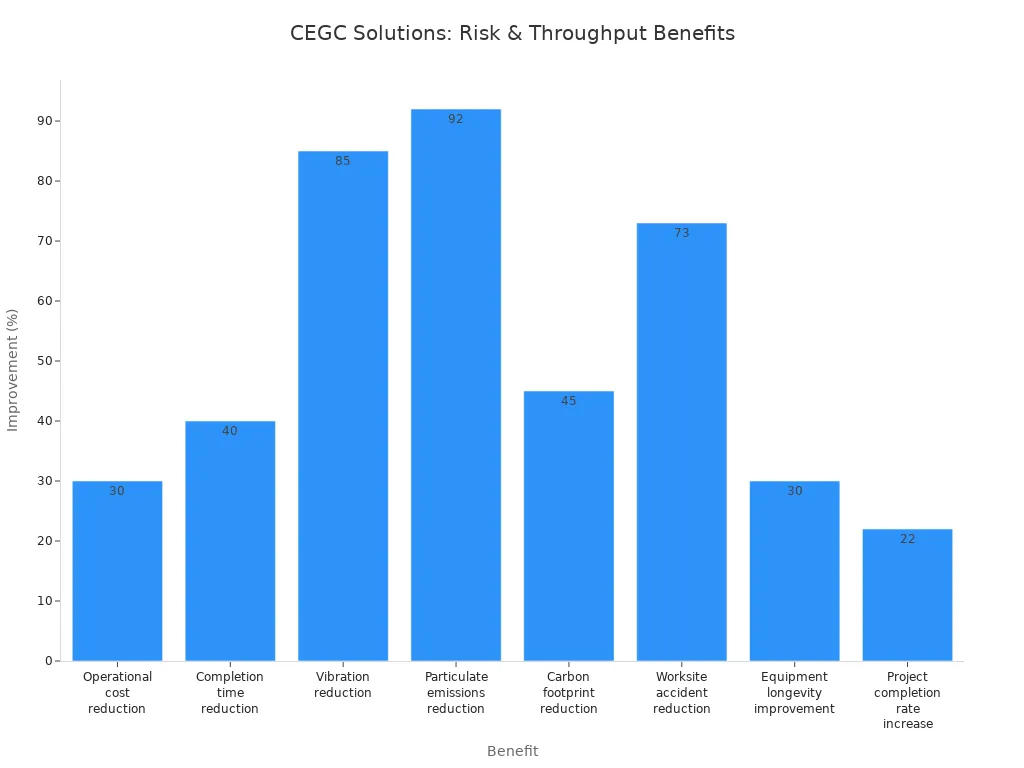
When you follow safety rules, you help keep people safe. This also means there are fewer accidents. CEGC’s container handling equipment helps lower risks. It also helps you finish work faster. Safety checks and steps help you find blind spots early. The chart below shows that CEGC solutions lead to fewer accidents and faster projects.
FAQ
What makes blind corners so dangerous in a warehouse with forklifts?
Blind corners make it hard to see what is coming. You cannot spot people or other forklifts around the corner. You must pay close attention at every blind corner. Real-time alerts can warn you and help stop accidents.
How can you improve awareness for pedestrians and forklift operators in blind corners?
You can use cameras that show live video and mirrors. These tools help you see better. Pedestrians and forklift drivers need to stay careful. Always look at blind corners before you move.
Why do real-time systems matter for forklift safety in a warehouse?
Real-time systems tell you if people or forklifts are close by. You get warnings when you reach a blind corner. This helps you avoid accidents and keeps everyone safer in the warehouse.


