
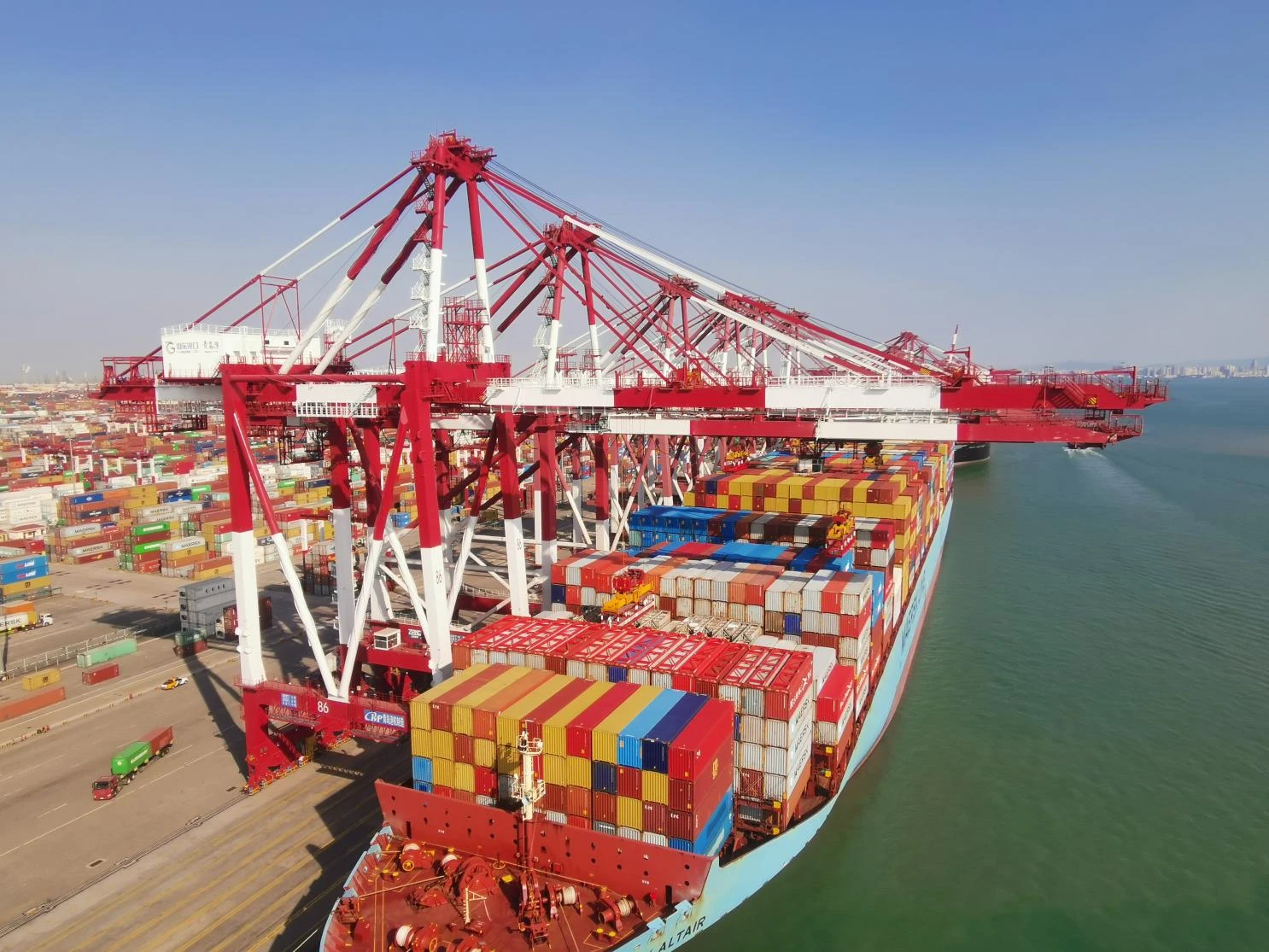
You face many dangers when you use a ship crane. Ship crane blind-spot sensing for deck safety helps stop accidents and makes crane safety better. Advanced radar, lidar, and proximity sensors help you see dangers. CEGC gives market-standard and custom crane solutions. Many port operators use ship crane blind-spot sensing for deck safety to make safety and crane safety better.
-
Fully automated terminals have fewer crashes after using ship crane blind-spot sensing for deck safety.
-
Less downtime happens when you use advanced crane safety systems.
|
Technology Type |
Strengths |
|---|---|
|
Radar |
Works well in bad weather and sees far |
|
Lidar |
Gives clear maps for short distances |
|
2D Laser Scanners |
Finds things close by very well |
|
Cameras |
Shows views to help tell objects apart |
|
Proximity Sensors |
Helps you notice things nearby |
Key Takeaways
-
Use ship crane blind-spot sensing to make decks safer and lower accidents. - Check sensors and cameras often to make sure they work right and keep workers safe. - Train operators so they can spot dangers and use safety tools well.
Crane blind spots and deck safety risks
Why crane blind spots occur on ships
When you use ship cranes, you often cannot see everything. This happens because of how cranes are made and how the worksite is set up. Big booms, cabins, and load blocks on portal cranes, container cranes, and cargo cranes block your view. These parts make it hard to see around the crane. Sometimes, you move large or strange-shaped loads. These loads can hide people or things from your sight. Ships have tight spaces and corners that also make blind spots. Bad lighting, shadows, or glare make it even harder to see near the crane.
Here is a table that lists the main reasons for crane blind spots:
|
Factor |
Description |
|---|---|
|
Crane Design |
Big booms, cabins, and load blocks block your view. |
|
Complex Loads |
Large or odd-shaped loads block what you can see. |
|
Worksite Layout |
Tight spaces and corners can hide people or vehicles. |
|
Lighting Conditions |
Shadows, glare, or not enough light make it hard to see. |
You should always think about these things when you use a crane. Blind spot safety depends on knowing these risks well.
Safety hazards from limited visibility
Crane blind spots can cause many dangers on the deck. If you cannot see everything, you might hit other equipment or people. Loads can swing because you cannot watch them in blind spots. This makes it hard to put loads in the right place and can cause accidents. If you do not see a person or thing in a blind spot, someone could get hurt or something could break.
Operators do not always act the same way. Some operators may miss dangers that others notice. This makes blind spot safety and deck safety less reliable. You need good rules and training to help stop these problems.
Tip: Always look around you and use blind spot safety tools like cameras and sensors. These tools help you find dangers and keep everyone safe.
All types of cranes, like portal cranes, container cranes, and cargo cranes, have blind spots. You must stay careful and use the right safety systems to keep yourself and others safe. Blind spot safety is not only about using technology. It is also about being aware and making good choices every day.
Ship crane blind-spot sensing solutions for crane safety
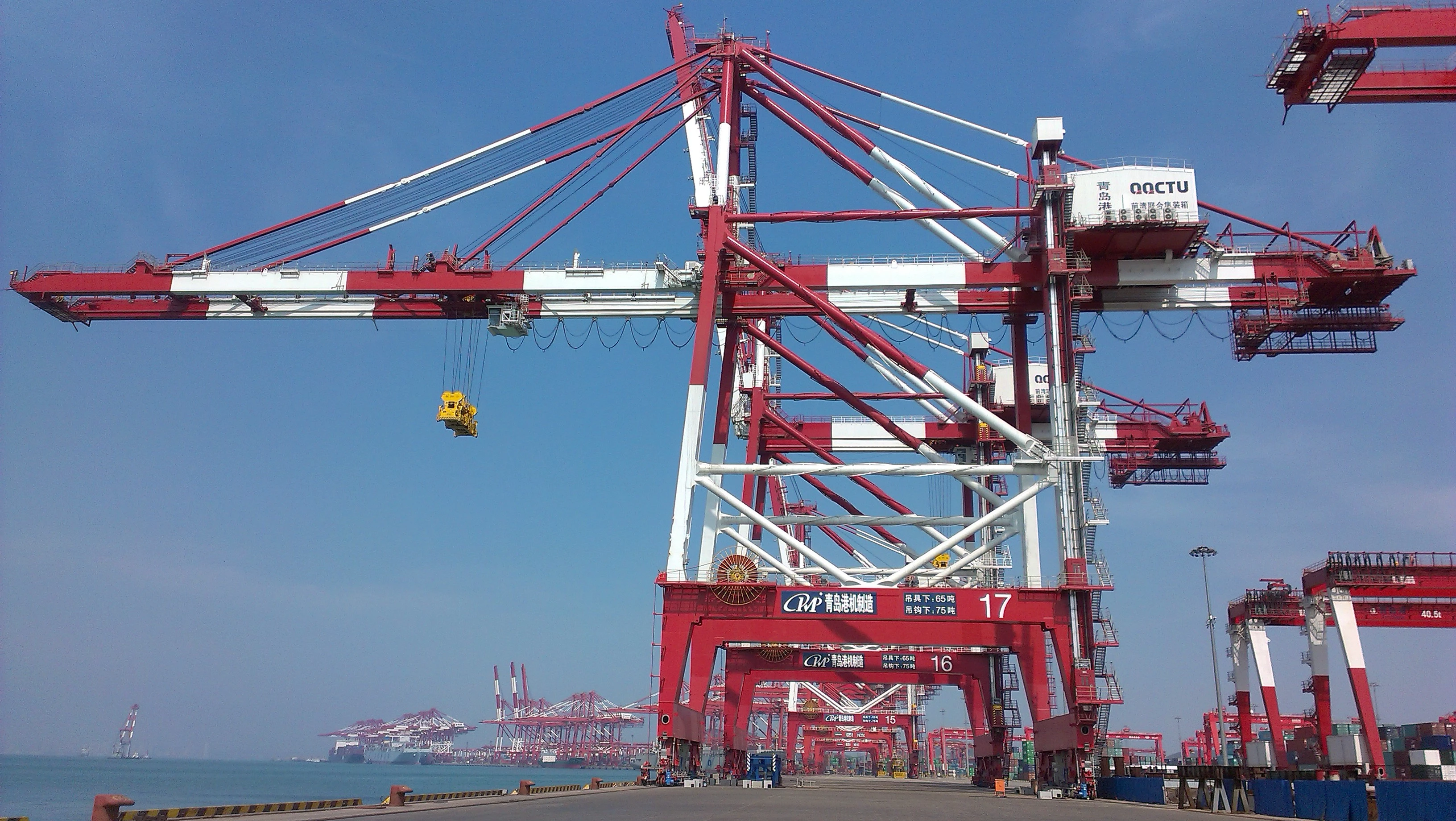
Sensor and camera systems for crane safety
Sensors and cameras help keep ship cranes safe. These devices let you see blind spots. You can watch every part of your crane work. Crane camera systems show clear, live pictures. You can spot dangers fast. High-definition video and wireless links make watching easy. Strong build lets these devices work in hard places.
Many cranes have cameras on trolleys with zoom. You can see lifting close up. Wireless tech gives you quick updates. On-screen help shows where to place loads. You can use sensors like radar, lidar, and 2D laser scanners. These sensors find things nearby and help stop accidents. CCTV and load monitoring systems can work together. This gives you a full view of crane work. Night vision and pan-tilt-zoom features help you see in low light.
You can change blind-spot sensing for different machines. Reach Stackers need cameras on container stacks and sides. Straddle Carriers use many cameras with AI that spots people. Forklifts have front and back cameras with AI alerts. Flatbed Trucks use 360° cameras and AI to find risks. These safety steps help stop crashes and keep your team safe.
Tip: Always check sensors and cameras before crane work. Regular checks keep your equipment working well.
Load monitoring systems and anti-sway control
Load monitoring systems help stop accidents. These systems track weight, movement, and position. Certified systems give you correct data. You can see if the crane lifts too much. Overload protection stops the crane if weight is too high. Dynamic load moment calculation checks weight and distance from the crane’s center. Motion compensation helps with ship movement. This stops sudden shifts.
Anti-sway control makes deck safer. You can reduce load movement and place loads right. Anti-sway tech slows swinging and lowers accidents. The EXPERTOPERATOR™ system cuts payload swing by up to 95%. This makes things safer and protects equipment. You can make work faster by up to 40%. Faster work means less waiting and more done.
|
Safety Mechanism |
Description |
|---|---|
|
Overload protection |
Stops crane if weight is too high. |
|
Dynamic load moment calculation |
Checks weight and distance for safe lifting. |
|
Motion compensation |
Helps with ship movement to stop sudden shifts. |
|
Anti-collision technology |
Stops hits with fixed things or other cranes. |
|
Controlled shutdown protocols |
Lets crane stop safely, not suddenly, to lower accident risk. |
You can use load monitoring with anti-collision tech. These devices help stop hits with fixed things or other cranes. Safe stop protocols let the crane stop gently. You can lower accident risk and keep the deck safe.
Note: Always use load monitoring and anti-sway control for every lift. These safety tools protect your equipment and your team.
Operator training and safety interlocks
Operator training is important for safety. Operators must learn to use sensors and safety devices. Good training helps operators spot dangers and follow rules. Operator-centered HMI shows clear alarms and status. Guided operation helps training and keeps work steady.
Safety interlocks stop operator mistakes. These devices cut power when doors open. Interlock switches protect operators and keep crane work safe. You can put safety devices on doors to the ladle crane and from the cabin to the bridge. These safety steps stop accidents before they happen.
You must follow best ways to install and care for devices. Always check sensors and load monitoring before use. Regular checks and care keep equipment working well. Real-time feedback helps spot problems early.
Tip: Plan operator training often. Make sure operators know how to use safety devices and follow rules.
You can use predictive maintenance and energy-saving systems with blind-spot sensing. AI-driven maintenance uses real-time data to keep equipment healthy. IoT sensors collect real-time data on important things. You can process this data fast and find problems. Predictive maintenance lets you fix issues before downtime. You can save money and make equipment last longer.
-
You can cut downtime by 40%.
-
You can save over $1M in repair and production costs.
-
You can make equipment last longer and work better.
These safety steps help keep crane work safe and efficient. You can change monitoring points, alarm levels, and power for your machines. CEGC gives standard and custom options for all crane types.
Callout: Use safety devices, load monitoring, and operator training for a safer deck. Checking and caring for equipment keeps crane work reliable.
Real-world safety improvements and case studies
Offshore platforms and container vessel operations
Blind-spot sensing makes offshore platforms safer. Real-time monitoring systems help operators see more during blind lifts. This extra awareness helps stop accidents and keeps the deck safe. Container vessels have busy work areas and fast-moving equipment. Blind-spot sensing helps you spot people and objects you might miss. These strategies lower the risk of collisions and load swings. Cameras and sensors make the work area safer for everyone.
Tip: Use real-time monitoring and clear camera views. These tools help operators make better choices during every lift.
Lessons from CEGC project deployments
You can learn from CEGC’s work with many port machines. CEGC uses standard specs and customizes projects for each site. You can pick the best strategies for your portal crane, container crane, or cargo crane. Some customers need special coatings or extra sensors for harsh weather. Others want advanced anti-sway systems or operator-centered displays. CEGC helps you match the right strategies to your needs. Using these solutions means fewer accidents and smoother operations.
-
Review your safety strategies often.
-
Train every operator to use new safety tools.
-
Pick the best options for your site and vessel type.
You can trust CEGC to help you reach your safety goals. Their proven strategies and flexible solutions keep your team safe.
You make the deck safer with ship crane blind-spot sensing. Every operator sees more and controls the crane better. Accidents and downtime happen less often. Training helps operators learn new skills. Clear screens and alarms help operators feel less tired. Checks by operators keep equipment working well. Staying focused helps operators avoid mistakes. Feedback from operators helps improve the system. Working together makes the team do better. Operators fix things before they break. CEGC solutions help operators stay safe.
FAQ
How do blind-spot sensors improve crane safety?
Blind-spot sensors warn you right away about things you cannot see. These sensors help you stop crashes and keep your team safe every time you lift.
Can you customize CEGC’s blind-spot sensing systems?
Yes. You can pick which sensors and cameras you want. You can also choose where to put them and what safety features to use. CEGC makes sure the system fits your crane and your work area.
What maintenance do these systems need?
You should look at sensors and cameras before each shift. Clean the camera lenses and check if alarms work often. Taking care of your system helps it keep you safe.


