
Container handler dispatch improves slot discipline, ensuring that containers are placed accurately and efficiently. This system minimizes errors during container movement, enhancing overall terminal safety and operational effectiveness. When networks are under stress, maintaining slot discipline becomes crucial. Effective terminal coordination and rapid adjustments in operations further safeguard customer flows. CEGC provides innovative container handling tools and solutions tailored for your port operations.
Key Takeaways
-
Container handler dispatch makes slot discipline better. This means there are fewer mistakes and safer work in terminal operations.
-
Data-driven strategies make container handling work better. They help stop delays and move more containers, which saves time and money.
-
Using advanced technology like predictive analytics and real-time scheduling keeps things running well. It also helps workers change plans when things change.
Container handler dispatch improves slot discipline
Slot allocation and order
Managing slot allocation and order in a busy terminal is hard. Bigger ships and changing schedules make things crowded. Old planning methods cannot handle these changes well. When berth occupancy goes over 80%, lines get longer and performance drops. Ships wait more, and fewer containers move through. This also causes ships to release more CO2 while waiting.
Container handler dispatch gives you better control over where containers go. Using advanced systems like CEGC’s anti-sway and safety interlocks helps place containers correctly. Operator-centered HMI lets you see container positions and gives clear instructions. This lowers mistakes and makes slot allocation better. Combining simulation and queuing analytics helps use resources wisely. Dynamic assignment strategies let you adjust to new demand. AI looks at real-time and past data to improve crane, truck, and yard space use. You get more containers moved and better slot allocation, especially when it’s busy.
-
Bigger ships cause more crowding
-
Stricter rules and more disruptions
-
High berth use means longer lines
-
Less throughput and more emissions
Reducing rehandles and delays
Sending container handlers with care cuts down on rehandles and delays. You see clear improvements when dispatching is optimized. The table below shows how container handler dispatch makes slot discipline and efficiency better:
|
Metric |
Before Optimization |
After Optimization |
Improvement |
|---|---|---|---|
|
Ship Service Time |
High |
51% reduction |
Big decrease |
|
Crane Productivity |
Low |
Improved |
More moves |
|
Rehandles |
High |
Fewer |
Less storage stress |
|
External Truck Waiting Queues |
Long |
Shorter |
Fewer delays |
Anti-sway systems and safety interlocks are important technical solutions. Anti-sway systems keep loads steady and make placement more accurate. Safety interlocks stop unsafe moves and protect containers. These features lead to fewer accidents and faster cycles. Smart anti-sway technology can make cycle times 30% shorter or more. You get fewer rehandles and quicker container handling.
Data-driven dispatch strategies
Data-driven dispatch strategies help make slot discipline better. Predictive analytics guess when maintenance is needed and spot bottlenecks. Real-time job scheduling changes tasks based on what is happening now. Working with carriers matches schedules and makes operations smoother. These strategies cut down on unexpected downtime and improve flow.
|
Strategy |
Description |
Impact on Slot Discipline |
|---|---|---|
|
Predictive Analytics |
Uses data to guess maintenance needs and bottlenecks. |
Less downtime and better flow. |
|
Real-time Job Scheduling |
Changes tasks quickly based on current conditions. |
Less idle equipment and more productivity. |
|
Coordination with Carriers |
Matches schedules with partners to make things run better. |
Fewer wasted moves and more efficiency. |
You get real-time views of cargo movements. This helps you find bottlenecks fast and react to changes. Terminal systems connect vessel schedules to yard and gate slots, so containers spend less time waiting. Good appointment systems for trucks help manage busy gates and use labor better. Automated workflows cut exception handling times by up to half. You get on-time delivery rates above 98%, even when it’s busy. Automated container terminal technology boosts productivity by up to 30% and lowers costs by about 20%. Efficiency gains range from 15% to 40%, so vessels get served faster and congestion drops.
Real-time visibility helps you find bottlenecks and react quickly in terminal processes.
Container handler dispatch improves slot discipline by using data analytics with terminal workflows. You remove data silos and help people work together. Operational planning and resource use get better. Turnaround time and container dwell time drop with improved stacking and retrieval. Safety incidents go down as AI cuts extra equipment moves. Resource use goes up as RTGs and trucks spend less time idle.
Container handler dispatch improves slot discipline by helping you beat congestion, cut rehandles, and make operations better with data-driven strategies. You get safer, faster, and more reliable container handling.
Optimized equipment dispatching and container handling benefits
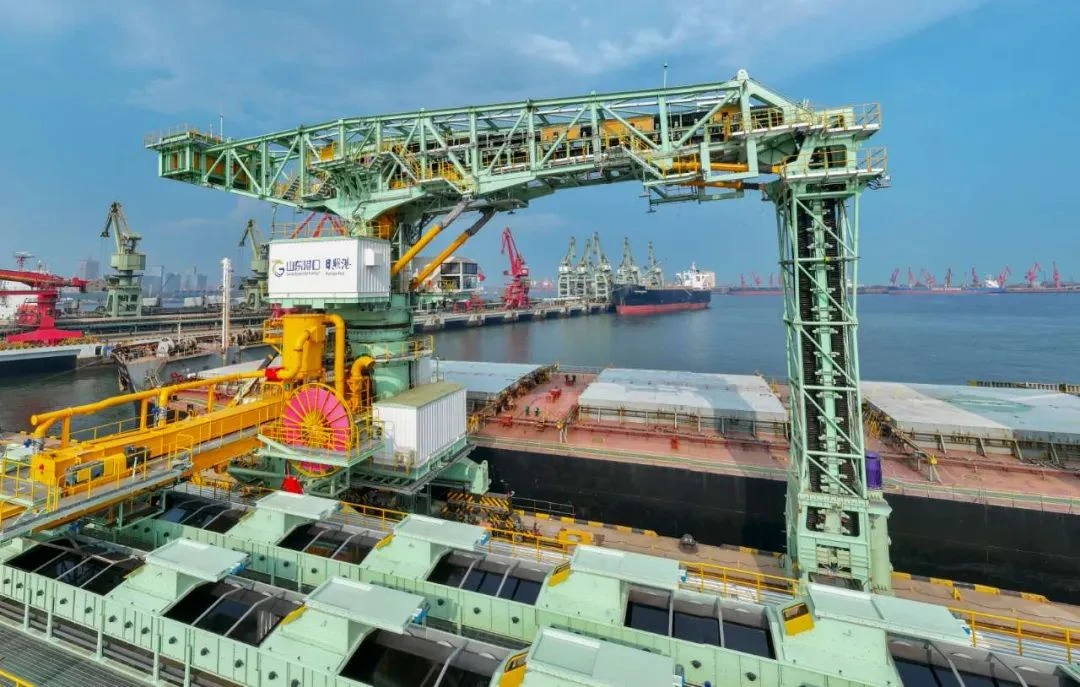
Throughput and congestion reduction
When you use optimized equipment dispatching, you see clear gains. Faster cycles help move more containers with the same machines. Better coordination means you do not need extra equipment. The table below shows how dispatching helps yard operations:
|
Benefit |
Description |
|---|---|
|
Optimized dispatching leads to faster cycles and higher throughput. |
|
|
Reduced Idle Time |
Synchronizing vehicle arrivals with crane cycles minimizes idle time. |
|
Improved Coordination |
Intent-driven dispatching enhances operational efficiency and equipment utilization. |
You can keep lines short and stop congestion. Yard operations run smoother because dispatching matches containers with crane schedules. This helps avoid bottlenecks and keeps containers moving.
Cost savings and maintenance efficiency
Optimized equipment dispatching helps save money and makes maintenance better. You spend less on emergency repairs and your equipment lasts longer. CEGC’s solutions use sensors to check temperature, vibration, and electric levels. These sensors warn you before problems happen, so you can get parts ready early and avoid delays. Technicians spend more time fixing things and less time on paperwork. AI helps plan maintenance when it is needed.
-
Optimized dispatching means less travel time for technicians.
-
Parts are ready before work starts.
-
Technicians focus on repairs, not paperwork.
-
Work orders are done in the best order.
-
Predictive maintenance lowers repair costs and makes equipment last longer.
Reliability and lifecycle protection
With optimized equipment dispatching, you get more reliable machines and protect their life. CEGC’s equipment tracks every use and maintenance with MES logging. You know when things are used and fixed. This stops early maintenance and surprise breakdowns. You keep containers clean and sealed, so there is less risk of contamination. Maintenance is done only when needed, which saves time and cuts waste.
|
Benefit |
Description |
|---|---|
|
Higher yield protection |
Maintains container cleanliness and sealing performance. |
|
Services containers at the right time, avoiding mechanical wear issues. |
|
|
Optimized operations |
Avoids both premature maintenance and unplanned downtime. |
|
Full traceability |
Logs every use and maintenance action for historical insight. |
|
Sustainability and cost efficiency |
Allocates maintenance resources based on real need, reducing waste and downtime. |
You also get stronger and more energy-efficient machines. Companies want to save money and have steady power prices. Energy-saving upgrades and electrification help you meet these goals. Electrified equipment lowers carbon emissions and makes air cleaner. Machines are quieter and the work area is nicer. CEGC lets you pick equipment size, lifting power, and energy use. You can match equipment to your terminal and make yard operations better.
You can see how container handler dispatch helps slot discipline. It also makes ports safer and more efficient. This saves money too. CEGC gives you new and flexible port machines for your needs. In the future, you will use things like AI to help make choices. You will also have real-time views with IoT. Digital twins will help plan and test ideas. Cloud-based CTOS will let you grow easily. You can work well with other partners. Green port operations will help the environment. Cybersecurity will keep systems safe and strong.
-
Smart automation and AI help make better choices
-
IoT and sensors give real-time updates
-
Digital twins help with planning and testing
-
Cloud CTOS lets you scale up or down
-
Easy teamwork with other companies
-
Green ports help protect the planet
-
Cybersecurity keeps systems safe
FAQ
How does dispatching improve operational performance in container terminals?
Dispatching helps match equipment to the right jobs. This makes work go faster and keeps containers moving well. There are fewer delays and ground slots are used better.
What is job sequencing optimization and why does it matter?
Job sequencing optimization puts container moves in the best order. This means less waiting and better teamwork for dispatching.
How do real-time decisions help with container handling?
Real-time decisions let you change where containers go right away. This keeps work flexible and fast. You stop bottlenecks and make the terminal flow better.


