
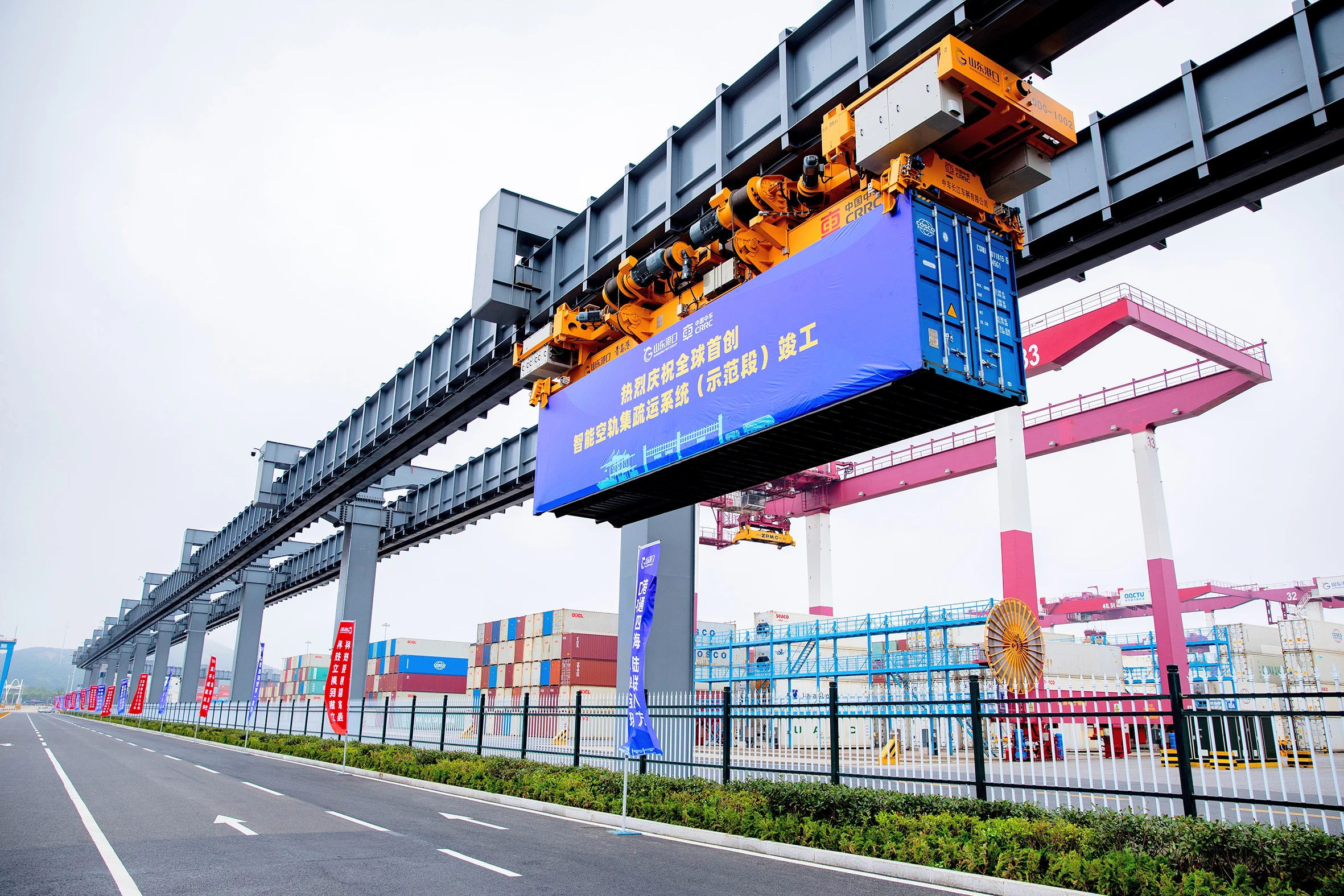
Cargo crane dispatch improves maintenance planning for ports and terminals. It reduces unexpected downtime, safety issues, and inefficient work processes. You face challenges such as load sway, equipment failures, and safety risks during cargo operations. CEGC’s innovative solutions assist you in effective planning and ensure that port machinery remains operational.
|
Statistic Description |
Value |
|---|---|
|
Idle time for container handling equipment |
|
|
Reduction in ship turnaround due to improved utilization |
Up to 25% |
|
Reduction in equipment idle time and energy waste |
15–20% |
Key Takeaways
-
Real-time data from cargo cranes helps you make smart choices and plan maintenance better. - Condition monitoring tells you about possible problems, so you can fix them on time and have less surprise downtime. - Better scheduling matches maintenance with busy times, so cranes are ready when you need them most.
Real-time cargo crane dispatch for predictive maintenance
Real-time data and driver visibility
You need to know what your cargo crane is doing all the time. Real-time data gives you updates about how the crane works, where it is, and if it is healthy. This information helps you make good choices and plan work orders with confidence. When you use a system with IoT sensors, RFID tags, and GPS trackers, you can see where drivers and cranes are right now. You can follow every container handler, portal crane, or ship crane as it moves around the yard or dock.
A cloud-based dispatch system lets you see all your machines on one screen. You can check each container gantry crane, reach stacker forklift, or ship loader. Real-time driver and fleet visibility helps you find problems before they get worse. You can share updates with your team and partners using real-time messages. This keeps everyone working together and helps stop mistakes.
Tip: Real-time tracking gives you quick updates on where vehicles are. This makes scheduling better and keeps your work running well.
Here are some tools that give you real-time visibility for better maintenance planning:
|
Technology |
Description |
|---|---|
|
IoT Remote Monitoring |
Shows you how cranes work from far away, including load and maintenance needs. |
|
Advanced Sensor Integration |
Gives you info about how equipment is used, so you can plan better. |
|
Data-Driven Insights |
Helps you make smart choices for maintenance and work. |
|
RFID Tags |
Makes it easier to track equipment and see what is happening. |
|
GPS Trackers |
Tells you where cranes and other machines are right now. |
|
Wireless Connectivity |
Lets devices talk to each other for real-time data sharing. |
When you use a cloud-based platform, you can link your dispatch system to your maintenance team. This makes planning routes and doing jobs easier. You can approve deliveries faster and do not need as many calls or emails. The table below shows how much you can improve maintenance planning with real-time dispatch:
|
Improvement Metric |
Percentage Change |
|---|---|
|
Faster delivery approvals |
72% |
|
Accuracy in cargo balance calculations |
95% |
|
Reduction in manual calls and emails |
80% |
|
Decrease in vessel idle time |
30% |
|
Uptime during peak operations |
99.9% |
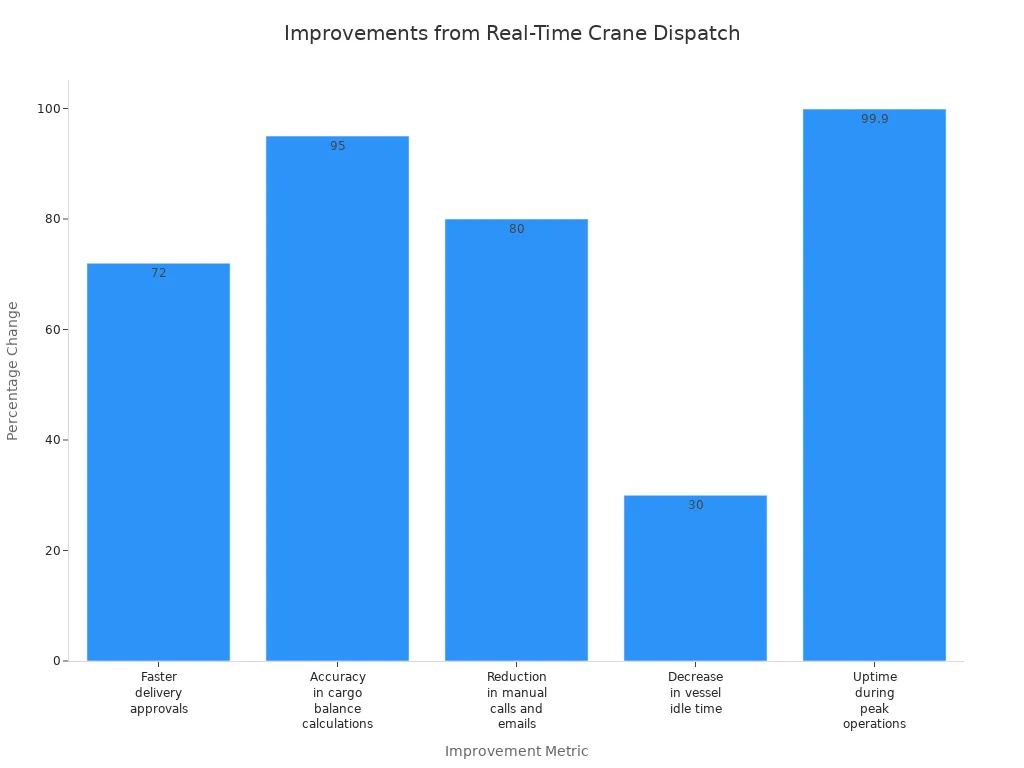
You can see that real-time insights help you cut vessel idle time and keep your equipment ready. This means you wait less and move more cargo.
Condition monitoring and early fault detection
You want your cargo crane to be safe and last longer. Condition monitoring checks your equipment’s health all the time. The system watches things like motor temperature, vibration, brake status, and load levels. If something is wrong, you get an alert right away. This helps you fix small problems before they turn into big ones.
CEGC’s condition monitoring system gives you nonstop updates and helpful data. You can see crane data on your phone or tablet. This makes planning and scheduling easier. You can plan maintenance when things are slow and avoid stopping work when you need your cranes most.
Here are some important features of CEGC’s condition monitoring system:
|
Feature |
Description |
|---|---|
|
Motor Temperature Monitoring |
Sends alerts if the motor gets too hot to stop damage. |
|
Hoist Motor Vibration Analysis |
Tells users when to do maintenance based on wear. |
|
Crane Operation Usage Monitoring |
Checks how much you use the crane and how well it works. |
|
Load and Overload Monitoring |
Makes sure you use the right load for safe work. |
|
Motor Brake Fault Monitoring |
Finds safety problems if the brakes do not work. |
|
SCADA, VFD, and PLC Integration |
Looks at control settings and system status for better info. |
|
Real-Time Monitoring |
Gives nonstop updates about crane performance and key details. |
|
Enhanced Safety |
Watches important safety details to lower risks. |
|
Mobile Integration |
Lets you see crane data on your phone or tablet. |
|
Data-Driven Insights |
Gives helpful info for making good choices and plans. |
With early fault detection, you can stop breakdowns before they happen. The system helps you plan maintenance at the right time. You do not have to guess or wait for something to break. This lowers unplanned downtime and keeps your port safe.
-
Finds wear or problems before failure, so you avoid downtime.
-
Lets you plan maintenance when things are slow, so you do not interrupt work.
-
Gives you real-time info about equipment health, so you can act fast.
-
Fault detection stops mechanical failures that could hurt people.
-
It helps you follow safety rules and lowers accident risks.
Remote diagnostics and anti-sway solutions from CEGC make your maintenance even better. Anti-sway systems keep your load steady, so you avoid accidents and reduce wear on your equipment. Smoother work means less stress on your cranes and lower maintenance costs. Remote diagnostics let you fix problems faster, even from far away.
You can see the results in your daily work. Unplanned downtime drops by 30% when you use predictive analytics and real-time monitoring. Your cranes stay ready, your team stays safe, and your maintenance costs go down.
Note: Real-time dispatch and condition monitoring help you follow safety rules and keep your port working fast.
Optimization of crane scheduling and maintenance windows
Reducing wear and cycle time variation
You want your cargo cranes to last longer and work better. Optimized dispatch matches when vehicles arrive with crane cycles. This helps cut down on waiting and extra moves. Smart work list optimization can lower reshuffles by up to 25%. Fewer moves mean your portal crane, container handler, or ship crane wears out less.
-
You match arrivals and crane cycles to cut idle time.
-
You avoid extra moves, so cranes last longer.
-
You use fewer operator hours, which saves money and keeps workers focused.
Operator training is important too. When your team knows how to avoid overloading and rough moves, equipment stays safe. Regular checks help you find small problems early. You can fix them before they get worse. Good lubrication and corrosion control keep cranes working well, even near the sea.
Better scheduling also cuts down on cycle time changes. When you plan well, you have less downtime. This makes it easier to plan maintenance. You can match maintenance with production, which helps workers do their jobs better. You stop reacting to breakdowns and start planning ahead.
Aligning maintenance with operational peaks
You need cranes most when things get busy. By planning maintenance during slow times, you keep the port running well. Regular maintenance during quiet periods stops surprise breakdowns later. Data analytics help you plan repairs at the right time.
-
You do maintenance when things are slow, so busy shifts go smoothly.
-
You use data to find problems early and fix them fast.
-
You train staff to check equipment and report issues quickly.
Flexible shifts and cross-training help cover important jobs. Modular yard layouts let you change plans if needed. You keep spare parts ready, so you can fix cranes quickly and keep ships moving.
Working with clients helps too. You talk with them to learn what they need and make schedules that fit. Advanced logistics software helps you plan routes and schedules. You keep enough resources for big orders. Safety and following rules are always important. Predictive analytics help you change plans to match cargo flow and demand.
Case: CEGC solutions in action
You can see how optimization works in real life. CEGC’s motion coordination, anti-collision, and marine durability features help you get better results.
|
Metric |
Before Deployment |
After Deployment |
Improvement |
|---|---|---|---|
|
Non-productive moves |
High |
Reduction of 25-30% |
|
|
Quay crane utilization |
Low |
Improved |
Increased efficiency |
|
Turnaround times for ships |
Long |
Shorter |
Enhanced efficiency |
Coordinated job sequencing raised equipment use from about 65% to over 85%. You see fewer delays and more work done. Integrated planning cut delays by at least 10%. Your team works together better, and there is less crowding at the terminal. Automation and real-time efficiency make your terminal operating system stronger.
SMITCO used integrated planning to boost operations and reach new goals. Freightliner improved automation and made the yard less crowded. You can get these results too by using CEGC’s advanced solutions for your container gantry crane, reach stacker forklift, or offshore platform.
When you optimize dispatch and maintenance windows, you get better schedules, lower costs, and safer work. Your terminal operating system becomes more reliable, and your maintenance team can plan ahead. You keep equipment ready, your team safe, and your port moving.
When you use dispatch for cargo cranes, planning gets easier. Dispatch gives you real-time data about your equipment. You can see if your machines are healthy or need repairs. Dispatch lets you fix things before they break. This means less downtime and better safety for everyone. Dispatch also helps with automation and makes scheduling simple. Your port becomes safer and works better. You can turn ships around faster and check cranes safely. Dispatch shows you what is happening and helps you work faster. It matches with predictive maintenance and keeps your fleet ready. Dispatch helps you watch these important numbers:
|
KPI Type |
Description |
|---|---|
|
Availability |
Percentage of time equipment is ready to operate when needed. |
|
Utilization |
Percentage of available time that equipment is actively used. |
|
Downtime |
Time when equipment is not operational, categorized into planned and unplanned maintenance. |
|
Mean Time Between Failure (MTBF) |
Measures reliability by calculating total operating hours divided by the number of failures. |
|
Mean Time to Repair (MTTR) |
Measures maintainability by calculating total repair time divided by the number of repairs. |
|
Overall Equipment Effectiveness (OEE) |
Measures how well equipment converts time into productive output. |
|
Total Effective Equipment Performance (TEEP) |
Evaluates equipment performance including unscheduled calendar time. |
You can count on CEGC for smart dispatch and maintenance solutions at your port.
FAQ
How does real-time cargo crane dispatch help reduce downtime?
You get quick updates about how your crane is doing. This helps you find problems before something breaks. Your port can keep working without stopping.
What is predictive maintenance for cargo cranes?
Sensors collect data to find problems early. You can plan repairs before the crane stops working. This helps you save money and keeps everyone safe.
Can CEGC solutions work with different crane types?
CEGC systems work with portal cranes, container gantry cranes, ship cranes, and reach stackers. You can pick options that fit what your port needs.


